


[Technical Contribution] Jeff Baer and Matthew Salmanpour, Infineon Technologies - Enabling Wireless Connectivity Innovation in Service Robot Design
 Published2022.05.05 03:23
WiFi·블루투스 콤보, 저전력·소형IoT구현 인기
인피니언, 개발자 이해 높은 수준 솔루션 제공
로봇이 다양한 시장에서 여러 분야에 걸쳐 활용되면서 로봇 공학의 혁신이 가속화되고 있다.
일반적으로 로봇 시스템은 산업용 로봇, 협동 로봇(코봇), 서비스 로봇, 무인 운반차(AGV)의 4가지 범주로 분류할 수 있으며, 이는 활동 분야, 기능, 시장 요구에 따라 하위 범주로 더 세분화할 수 있다.
서비스 로봇은 더 나은 일상을 제공하는 것을 목표로 하며 고객 접대, 농업, 임상 및 여러 다양한 산업 분야에서 유용성을 입증할 수 있다.
서비스 로봇은 연구, 혁신 및 배치 분야에서 빠르게 성장하고 있으며, 분명 미래 세계의 성장 동력이다.
서비스 로봇은 주변 환경에 훨씬 더 정교한 센서 인터페이스를 갖는다.
따라서 서비스 로봇 시스템 개발자에게 필수적인 설계 요구사항은 견고하고 신뢰할 수 있는 무선 커넥티비티를 추가하는 것이다.
이러한 종류의 커넥티비티는 무엇보다 클라우드 대시보드에서 시간에 따라 추적되는 환경 센서 데이터 및 모바일에 전송되는 경고를 포함하여 여러 다양한 기능을 가능하게 한다.
로봇 시스템을 개발하는 것은 - 뒷마당을 가꾸는 지능형 잔디깎는 기계이든, 집안을 청소하는 진공 청소기든, 또는 전기차 부품을 만드는 산업용 로봇이든 - 설계와 생산에 들어가기가 매우 복잡하다.
무선 기술을 구현하는 일 자체도 쉽지 않은 작업으로, RF 설계와 인증, 복잡한 네트워킹 소프트웨어 및 호스트 프로세서와의 통신에 복잡성이 추가된다.
인피니언은 개발자가 직면하는 설계 과제를 깊이 이해하고 높은 수준의 표준과 업계 전문지식으로 로봇 시스템 개발자가 제품 차별화에 집중할 수 있도록 커넥티비티 솔루션을 제공한다.
■ 제어 및 모니터링을 위한 커넥티비티
WiFi는 고정되지 않은 전자 장치(로봇 등)를 인터넷에 연결하는 가장 일반적이고 널리 사용되는 방법이다.
수십억 개의 WiFi 노드가 설치되어 전 세계 거의 모든 사람들이 사용하고 있다.
WiFi는 지금까지 역사상 가장 널리 보급된 커넥티비티 토폴로지이며 로봇을 ‘외부 세계’에 연결하는 데 이상적이다.
WiFi는 이러한 고유한 특성으로 제어와 모니터링에 자연스러운 선택이다.
WiFi + Bluetoothⓡ 콤보 커넥티비티 솔루션은 간단한 상태 텔레메트리 데이터 전송뿐 아니라 Bluetoothⓡ 저전력(LE) 무선 커넥티비티를 통해 로봇 시스템을 모바일 앱과 프로비저닝할 수 있어 점점 더 많은 인기를 얻고 있다.
이제 하드웨어와 소프트웨어 측면에서 커넥티비티를 가능하게 하는 사용 가능한 주요 기술을 살펴보기로 한다.
■ 실리콘 커넥티비티 솔루션
인피니언의 AIROC™ WiFi 및 콤보 포트폴리오는 설계자가 고유 제품을 시장에 신속하게 출시할 수 있는 안전하고 견고한 솔루션의 광범위한 제품군을 포함한다.
솔루션은 IEEE 802.11a/b/g/n/ac/ax Wi-Fi 및 Bluetoothⓡ 5.2를 단일 칩 솔루션에 통합하여 소형 폼팩터 IoT 설계가 가능하다.
콤보, 독립형 WiFi, 그리고 임베디드 MCU 및 온칩 네트워킹 기능이 있는 WiFi SoC는 1x1 SISO 및 2x2 MIMO 구성으로 제공된다.
WiFi 및 콤보 솔루션은 완벽한 WiFi + Bluetoothⓡ/Bluetoothⓡ 저전력(BLE) 시스템을 구현하기 위해 애플리케이션 프로세서에 RTOS 및 리눅스 실행을 위한 인피니언 및 기타 업체의 유연한 외부, 저전력 및 보안 PSoC™ 6 MCU와 결합할 수 있다.
AIROC™ WiFi SoC에는 고객이 클라우드 연결 애플리케이션을 손쉽게 생성하는 데 필요한 온칩 MCU, 메모리 및 네트워킹 프로토콜이 포함되어 있다.
경제적인 WiFi 4 CYW43439에서부터 고성능 WiFi 5 CYW4373, 새로운 첨단 WiFi 6 CYW55573에 이르기까지 다양한 가격대 성능비의 광범위한 솔루션이 있다.
이러한 폭넓은 범위의 호환 가능한 솔루션은 모든 로봇 설계의 요구사항과 꼭 들어맞는다.
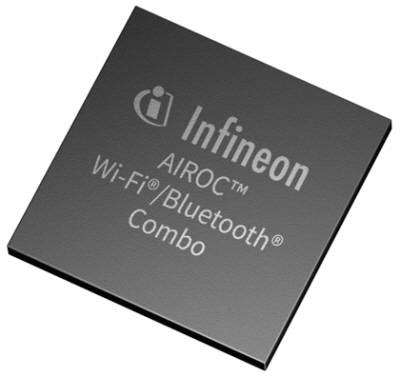
▲인피니언의 AIROC™ 제품 포트폴리오는 소형 폼팩터 IoT 설계를 가능하게 한다.
■ 소프트웨어 지원
WiFi 디바이스는 필요한 구성의 일부일 뿐이다.
시스템 솔루션 공급업체로서 인피니언은 하드웨어 외에 Linuxⓡ/Android™ 및 RTOS(real-time operating system) 호스트에 모두 적용 가능한 완벽한 지원 소프트웨어를 제공하여 로봇 시스템에 손쉽게 매끄럽게 통합할 수 있다.
인피니언의 ModusToolbox™ 소프트웨어 및 툴은 WiFi SoC를 위한 코드 예제와 개발 지원을 제공하거나 인피니언의 보안 및 저전력 PSoC™ 6 MCU 및 XENSIV™ 센서를 IoT 애플리케이션에 추가할 수 있다.
인피니언은 또한 IoT 파트너의 글로벌 네트워크를 통해 Linuxⓡ 및 RTOS 기반 플랫폼을 기반으로 하는 즉시 생산 가능한, 전체 인증을 획득한 AIROC™ WiFi 및 콤보 모듈을 사용하여 고객을 지원한다.
인피니언은 설계자가 IoT를 시작하도록 도와주는 ModusToolbox™ 를 개발했다.
이 툴박스는 AIROC™ WiFi, AIROC™ Bluetoothⓡ, AIROC™ WiFi 및 콤보 디바이스를 사용하여 임베디드 감지 및 제어에서부터 무선 및 클라우드 연결 시스템에 이르기까지 다양한 애플리케이션에 걸쳐 인피니언 MCU를 신속하게 개발할 수 있는 사용하기 쉬운 소프트웨어 및 툴 모음이다.
ModusToolbox™ 는 탁월한 개발 경험, 향상된 생산성 및 풍부한 기능의 강력한 애플리케이션을 제공하는 ‘양대 최고’의 플랫폼이다.
이 밖에 보다 복잡한 CPU 기반 로봇 시스템의 경우 무선 Linuxⓡ 및 안드로이드 드라이버를 여러 AIROC™ WiFi 제품에 사용할 수 있다. 또한 리눅스 지원을 위한 활발한 개발자 커뮤니티도 이용할 수 있다.
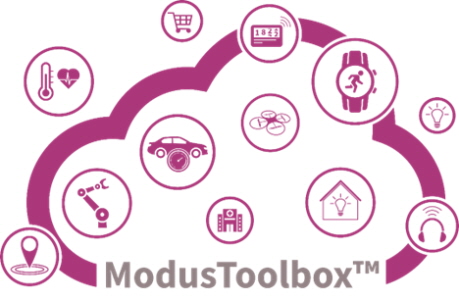
▲인피니언의 ModusToolbox™소프트웨어 및 툴은 설계자가 IoT를 보다 쉽게 시작하도록 지원한다.
■ RF 설계 모듈 제품
로봇 설계자가 직면하는 어려움의 하나는 RF 설계의 높은 복잡성으로, 요구에 맞춰 시행하려면 신중한 개발이 필요하다.
WiFi는 규제 기술이므로 모든 지역에서 사용하기 위해서는 FCC, CE 및 TELEC과 같은 규제 기관의 인증을 받아야 한다.
처음부터 완전한 RF 설계를 생성할 수 있는 경험과 전문지식 또는 시간을 가진 로봇 설계자는 거의 없다.
이러한 이유로 인피니언의 무선 모듈 파트너인 Murata Electronics와 같은 전문 전자제품 공급업체의 상용 무선 모듈은 WiFi를 로봇 설계에 빠르고 쉽게 통합할 수 있는 이상적인 솔루션을 제공한다.
인피니언의 AIROC™ 무선 커넥티비티에 기반한 Murata의 WiFi + Bluetooth 모듈은 최첨단 패키징 기술을 사용하여 매우 작은 크기를 구현해 필요한 풋프린트를 최소화한다.
금속 코팅 차폐 기술은 금속 캔 차폐의 필요성을 제거하는 동시에 비용과 크기를 최소화한다.
공간이 중요한 경우 WiFi/Bluetoothⓡ 기능이나 전력을 희생하지 않으면서 작은 크기를 유지할 수 있다.
이들 모듈은 로봇 시스템을 위한 RF 설계를 포괄하므로 고주파수 아날로그 설계의 번거로움을 피할 수 있다.
동시에 인증 받은 이 모듈은 이미 FCC/IC/CE/TELEC 시험을 거쳐 관리가 훨씬 더 쉽다.
또한 임베디드 MCU 모듈은 최소 공간으로 가장 간단한 솔루션을 제공한다.
온보드 안테나 또는 레퍼런스 안테나 설계도 제공된다.
이 밖에 설계자는 MPU를 위한 Linuxⓡ 솔루션, MCU를 위한 RTOS 솔루션 및 클라우드 파트너 솔루션을 이용할 수 있다.
견고한 RF 설계로 고객은 더 긴 거리에서 더 높은 데이터 속도를 계속 사용할 수 있다.
데이터 속도를 낮추면 통신 거리를 길게 할 수 있다.
인피니언의 솔루션은 높은 처리량 요구, 낮은 전류 소비 요구 및 시장 출시 요구를 충족하는 로봇 시스템을 위한 RF 설계를 생성하는 데 필수적인 툴을 제공한다.
모듈은 최고의 RF 성능을 발휘하도록 최적화되었다. 또한 Murata와 같은 인피니언의 무선 모듈 파트너 공급업체는 간소화된 설계 경험을 위해 안테나 설계 및 정합을 지원한다.
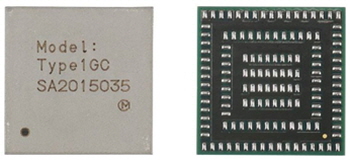
▲WiFi를 로봇 설계에 빠르고 효율적으로 통합하는 이상적인 RF 설계 솔루션
■ 결론
WiFi는 모든 종류와 복잡성을 갖는 로봇을 인터넷에 연결하는 데 이상적인 솔루션이다.
WiFi는 세계 어디서나 휴대용 장치에서 로봇을 안전하고 확실하게 제어하고 모니터링하는 데 많은 이점을 제공한다.
인피니언은 용이한 사용을 위한 써드파티 모듈뿐 아니라 반도체, 지원 소프트웨어 및 툴을 포함하여 다양한 선도적인 WiFi 솔루션을 제공한다.
로봇 설계자가 빠르고 간단하고 안전하게 배치할 수 있는 이보다 더 쉽거나 간단한 인터페이스 옵션은 없다.
인피니언의 커넥티비티를 위한 전체 시스템 솔루션 포트폴리오에 대한 자세한 내용은 당사 서비스 로봇 관련 웹페이지 및 무선 커넥티비티 관련 웹 페이지에서 확인할 수 있다.
※ 본 기술 기고는 인피니언 테크놀로지스의 제프 베어(Jeff Baer), 매튜 살만푸어(Matthew Salmanpour)가 작성했습니다.

Comments
Related news
.png)
[Planning] IoT that changes our lives, implemented by cutting-edge technology (2) - Connectivity
The key difference between electronic devices and IoT is 'connectivity'—electronic devices function as the Internet of Things only when individual devices communicate with one another. Technologies that enable this connectivity include Wi-Fi, Ethernet, and Bluetooth, which we are already familiar with, and semiconductor manufacturers are focusing their efforts on manufacturing semiconductor chips that can further expand connectivity capabilities.
2021.05.20by 배종인 기자
.jpg)
Mouser Supplies Infineon AIROC CYW20835 BLE Modules
Mouser supplies Infineon's AIROC™ CYW20835 module products.
2022.03.30by 배종인 기자
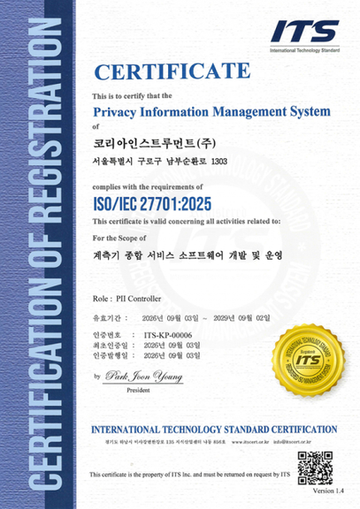
Korea Instrument, KOLAS Accredited Calibration Agency First to Simultaneously Acquire ISO/IEC 27,001·27,701
Korea Instrument has become the first among KOLAS accredited calibration agencies to simultaneously acquire ISO/IEC 27,001 and ISO/IEC 27,701 certifications. Through its proprietary platforms CWIZ Enterprise and CWIZ Partners, the company has embedded information security and personal data protection requirements across all business processes including customer information, equipment data, and calibration reports, with plans to continuously advance its management system through regular audits and security inspections.
2026.10.12by 배종인 기자

TeamViewer One, IT Incident Automation Workflow and Resolution Center Enhanced
TeamViewer has added IT incident automation capabilities and an advanced Resolution Center to its integrated digital workplace management platform 'TeamViewer ONE'. Recurrent service disruptions, configuration errors, and capacity shortages are automatically handled according to preset policies, and device status verification through script deployment can be managed in a unified interface, significantly reducing repetitive tasks for IT teams.
2026.10.12by 배종인 기자
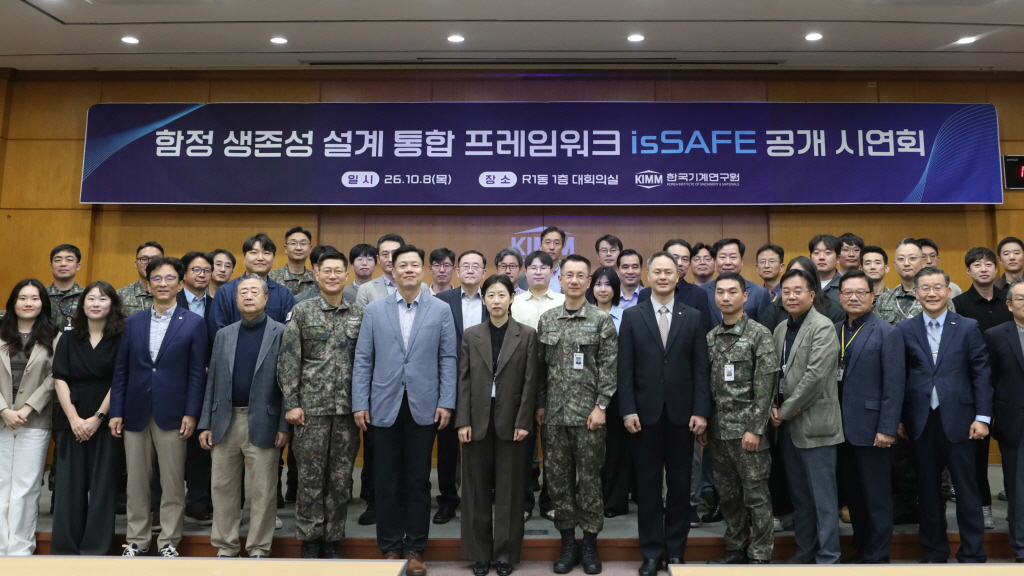
KAERI Develops Domestically-Produced SW 'isSAFE' for Integrated Warship Survivability Analysis
The Korea Institute of Machinery and Materials has developed domestically-produced software 'isSAFE' that comprehensively analyzes warship survivability. This design framework integrates the entire process—from warship modeling to hit scenario generation, vulnerability analysis, and results analysis—into a single platform, establishing an independent technology foundation in the defense technology sector that had previously relied on foreign software.
2026.10.08by 배종인 기자











