


[Planning] Semiconductors, the Key to Green Energy①
 Published2022.05.16 15:37
[편집자주]세계 각국이 기후변화에 적극 대응하며, CO2 배출 감소 및 신재생에너지 확대에 적극 나서고 있다. 이러한 추세는 국가적 차원을 넘어 인류의 공통 이슈로 고갈돼 가는 화석 연료를 줄이고, 지속가능한 삶을 위한 필수적인 정책으로 향후 지속적으로 관련 사업이 성장해 갈 것으로 보인다. 이런 그린 에너지 산업에서도 반도체의 중요성은 더욱 높아지고 있다. 전력반도체는 전력에너지의 모든 단계에서 손실을 최소화하고, 성능을 극대화하기 위한 필수 부품이며, 태양열, 풍력, 수소 등 신재생에너지 기구의 소형화를 위해서는 전력 반도체의 역할이 크기 때문이다. 이에 본지는 인피니언 테크놀로지의 ‘에너지 효율 기술’을 바탕으로 2회에 걸쳐 그린에너지에 있어서 반도체의 중요성을 살펴보는 자리를 마련했다.
■ 반도체, 전기 에너지 사슬의 모든 단계 제어
반도체가 에너지 기술의 핵심이 되고 있다.
이는 에너지를 만들고, 만들어진 에너지를 효과적으로 보존 전송하고, 이를 낭비 없이 사용하기 위해서 반도체 기술이 필수적이기 때문이다.
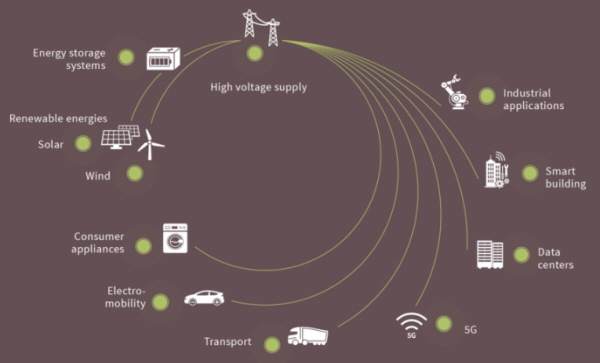
인류는 증가하는 세계 인구, 수십억개의 연결된 장치, 전기로 인한 이동성 등 에너지에 대한 욕구가 폭발하고 있지만, 에너지 생산을 위해서는 CO2 배출이라는 대가가 따른다.
CO2를 배출하지 않고 에너지를 생산하기 위해서 그린 에너지로 불리는 태양광, 풍력, 수소 등 신재생에너지가 각광받고 있지만 화석 에너지 대비 높은 비용에 그린 에너지의 확산을 위해서는 많은 대가가 따르는 것이 사실이다.
이에 신재생에너지를 얻기 위한 태양광 셀이나 풍력 터빈, 수전해 장치 등을 잘 설계하고 운영하는 것은 단순히 태양광이나 풍력으로 에너지를 생산하는 만큼이나 중요한 요인이 되고 있다.
이러한 문제를 해결하기 위해 반도체가 결정적 역할을 한다.
반도체는 태양광 셀로부터의 직류와 풍력 발전으로부터의 교류를 변환하고, 전력망의 필요에 맞게 조절한다.
또한 에너지 생산 중 열로 낭비되는 손실을 줄이고, 전력장치의 효율을 높여 전기 에너지를 절약 및 비축할 수 있도록 도와준다.
결과적으로 반도체는 에너지의 생성, 전달 및 저장이라는 전기 에너지 사슬의 모든 단계에서 에너지를 보다 지능적이고, 효율적으로 처리하는 핵심이고, 오직 반도체 기술만이 이 모든 구간에서 에너지 효율을 가능하게 한다.
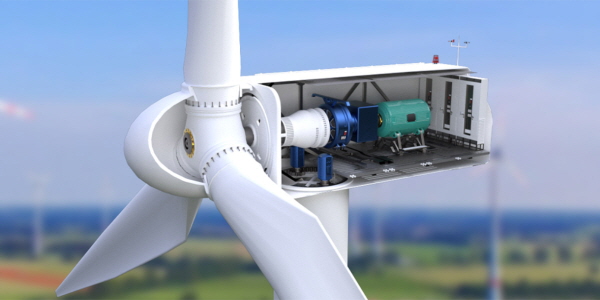
■ 풍력 변환기, 최고의 전력 반도체 필수
풍력 터빈에서는 전력반도체가 전기를 변화해 발전기를 그리드에 연결한다.
또한 풍력터빈의 풍력 변환기는 전송 전력과 별개로 몇 가지 필수 기능을 제어하기 때문에 최고 품질의 전력 반도체가 필요하다.
이에 전력 반도체는 재생에너지 발전에 핵심적인 역할을 한다.
특히 풍력 터빈 설계는 그리드 안정성에 기여하기 위해 최대의 가용성을 제공해야 하며, 이는 풍력 변환기에서 가장 중요한 요소다.
그리드 안정성은 동적 기능, 우수한 기능 및 우수한 신뢰성을 제공하는 전력 반도체 소자에 달려 있다고 해도 과언이 아니다.
인피니언의 경우 향후 몇 년 동안 풍력 시장에서 가장 우수한 전력 사이클 기능을 제공해 수명을 연장 할 수 있는 선도적인 제품으로 PrimePACK™을 제공해 풍력발전 장치와 같은 대부분의 고출력 인버터에게 최적의 선택지를 제공한다.
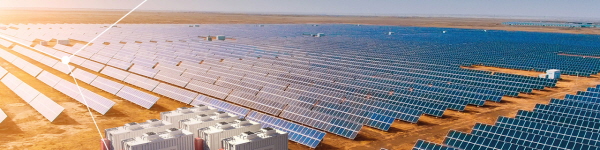
■ 태양열 인버터를 작고 저렴하게
태양광 발전(PV) 모듈은 직류(DC) 형태로 전력을 공급한다. 이것은 그리드에 공급돼 현지에서 소비되거나 사용지점으로 전송되기 전에 교류(AC)로 변환돼야 하며, DC를 AC로 변환하기 위한 태양열 인버터가 필수다.
또한 태양열 패널과 에너지 저장 시스템을 결합하는 것은 수요와 공급을 동기화하는 효과적인 방법 중 하나로 DC를 AC로 전환해 최소한의 손실만으로 전력을 전송하려면 효율적이고, 신뢰성 있는 전력 반도체와 인버터 기술이 필요하다.
인버터는 구현 위상에 따라 마이크로 인버터, 전력 최적화 장치, 스트링 인버터 또는 중앙 인버터 범주에 속한다.
전력반도체는 실리콘카바이드 기반의 태양열 인버터가 무게, 부피, 성능의 기준을 효율로 정할 수 있게 해준다. 즉 태양열 인버터를 훨씬 더 작고, 저렴하게 만든다는 이야기다.
태양열 인버터에는 △마이크로 인버터 △스트링 인버터 △중앙 인버터 △전력 최적화 솔루션 △에너지 저장 시스템 등이 있다.
마이크로 인버터는 각각의 개별 광전기 패널이나 다중 패널에서 전력 변환을 수행하는데, 보통 이 인버터의 정격은 약 250와트∼1,200와트다.
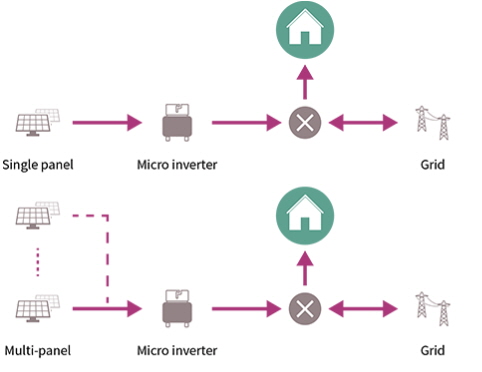
태양열 전력 최적화 솔루션은 DC-DC 전력 옵티마이저를 통해 PV 패널의 가변 DC 전압을 고정 DC 전압으로 변환하는데 사용된다. 이 단계는 MPPT(Maximum Power Point Tracking)라고도 할 수 있다.
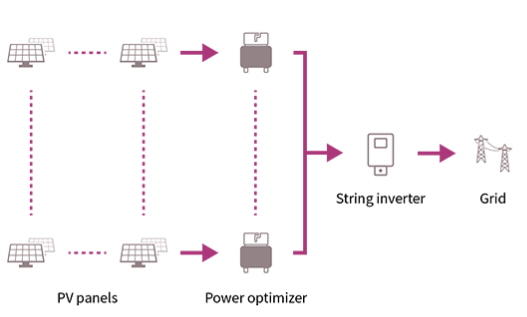
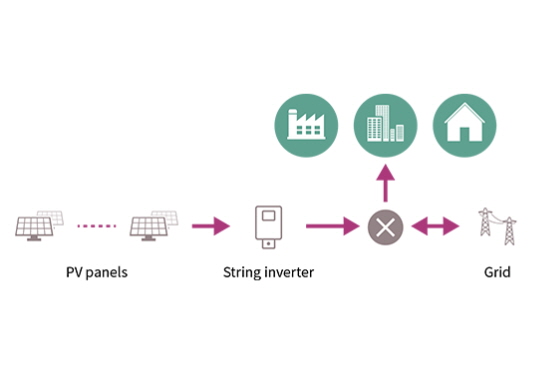
스트링 인버터는 직렬도 연결된 태양광 패널에서 전력 변환을 수행하는데, 보통 이 인버터는 약 350킬로와트까지 거의 정격이 되지 않는다. 일반적으로 MPP Tracker(MPPT)와 함께 제공된다.
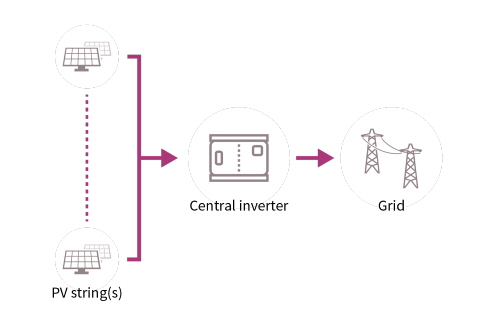
중앙 인버터는 서로 연결된 여러 개의 태양 전지판에 전력 변환을 수행한다. 약 600kW에서 최대 1,250kW까지 등급이 매겨지며, 일반적으로 단일 단계 전력 변환에 의존한다.
에너지 저장 시스템(배터리 기반 ESS 기술)은 1초 이내에 전력 감퇴에 대응할 수 있으며, 특히 결합 태양열 또는 풍력 발전소에서 공급되는 청정에너지를 사용하는데 필수적인 역할을 한다.
인피니언의 경우 △OptiMOS™ △CoolMOS™ △CoolSiC™ MOSFETs △IGBT △고도로 통합된 3-레벨 Easy 1B/2B 모듈 △기능적으로 통합된 EiceDRIVER™ 게이트 드라이버 ICs 및 XMC™ 컨트롤러 등 주거용으로는 불과 몇 와트, 킬로와트부터 상업용 및 유틸리티 규모의 시장용으로 몇 메가와트까지 광범위한 인버터를 제공하고 있다.

Comments
Related news
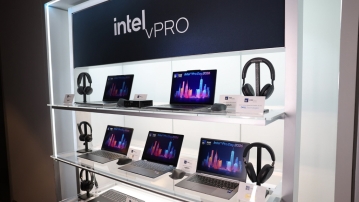
Intel Unveils Next-Generation 'Core Ultra Series 3' and vPro Platform for Enterprise PCs
Intel has officially unveiled the "Intel Core Ultra Series 3" for next-generation enterprise PCs and the latest vPro platform, addressing a wide range of demands from enterprise notebooks to high-performance workstations.
2026.03.26by 배종인 기자
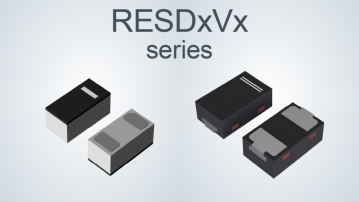
ROHM Launches ESD Protection Diode Compatible with High-Speed Interfaces of 10Gbps or Higher
Semiconductor specialist ROHM has developed the 'RESDxVx series' of ESD (electrostatic discharge) protection diodes capable of responding to next-generation high-speed data communication environments exceeding 10Gbps, simultaneously enhancing both signal quality maintenance required in high-speed interfaces and IC protection performance.
2026.03.26by 배종인 기자
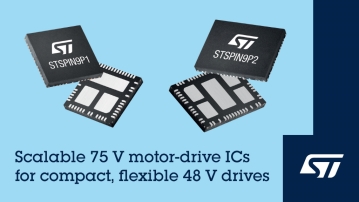
ST Launches 75V Drive IC Targeting 48V Industrial Motor Driving
ST Microelectronics has unveiled the 'STSPIN9P' series of 75V motor drive ICs tailored for 48V-class industrial drive system design. The new product family is characterized by half-bridge and full-bridge configurations that enable design scalability according to motor type and output conditions. Power supply circuits, protection functions, and current sensing circuits are integrated on-chip to simplify system configuration, and the devices are designed to support applications up to 500W maximum. The company plans to provide reference designs and demo boards to support development and evaluation in industrial automation, robotics, pumps, fans, lighting, and textile machinery.
2026.03.26by 배종인 기자
Nordic supports security updates for the entire lifecycle of IoT devices at a single fixed cost
Nordic Semiconductor, a global leader in low-power wireless connectivity solutions, has unveiled a single fixed-cost licensing model that delivers FOTA (Firmware Over-the-Air) and device management capabilities throughout the device lifecycle via nRF Cloud, and introduced a new firmware update solution to prepare for the enforcement of the European Union's Cyber Resilience Act (CRA).
2026.03.26by 배종인 기자
Practical Training in Low-Noise, Low-Power Circuit Design All in One Place… Training Fee Support
The "2026 Advanced Engineer Practical Masterclass" to strengthen competencies in high-sensitivity analog circuit and sensor-based system design will be held on April 16 at the e4ds Conference Center in Gasan-dong, Seoul. This program will be conducted as an offline paid hands-on training session, not online, and is targeted at engineers seeking on-site intensive learning. Texas Instruments will provide educational support for this training, allowing participation at 150,000 won, a 100,000 won discount from the original price of 250,000 won.
2026.03.26by 배종인 기자











