


OBC must meet diverse needs, including regional and OEM requirements.
 Published2022.05.17 15:30
BEV OBC, 2026년 7.2kW·11kW 전망
이철 인피니언 차장은 17일 e4ds 웨비나에서 ‘전기차 온보드 차저의 개발 트렌드 및 인피니언의 파워 스위치 솔루션’을 주제로 발표하며 “OBC는 자동차 제조사나 차종, 출시 지역, 고객의 편의 사양 등에 따라 기능을 만족해야 하며, 최적의 시스템 설계 및 그에 따른 최적의 파워 스위치 소자를 요구하고 있다”고 말했다.
전기자동차의 배터리 충전 방식은 크게 직류(DC)로 충전하는 급속 충전 방식과, 교류(AC)로 충전하는 완속 충전 방식으로 구분된다.
OBC는 유틸리티 라인의 AC 전원을 입력으로 하여 DC 전압으로 변환하고, 차량에 탑재되어 있는 High Voltage(이하 HV) 메인 배터리를 충전한다.
OBC는 유틸리티 라인의 AC 전원으로부터 바로 배터리팩을 충전할 수 있는 편리함과 작은 크기, 합리적인 가격 때문에 전기차에 기본으로 장착되고 있다.
OBC의 사용 사례는 크게 세 가지로 나뉜다.
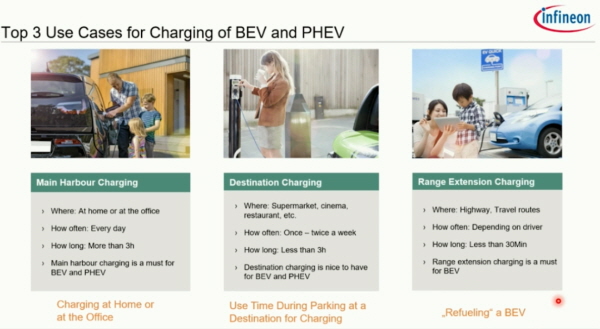
▲OBC 사용 사례 소개 (그림출처: e4ds 웨비나 캡쳐)
두 번째는 Destination Charging이다. 이는 주로 영화관이나 식당 같은 곳에서 짧은 시간 주차 중에 충전하는 방식이다. 빈도는 일주일에 한 번 정도로 길고 충전시간은 세 시간 이내로 짧다는 특징이 있다. 필수적이지는 않지만 BEV와 PHEV에 유리하다.
마지막은 Range Extension Charging이다. 전기차 연료주입 방식으로 이해할 수 있다. 고속도로 휴게소 같은 공간에서, 장거리를 운행할 때 사용된다. 충전시간은 30분 이내로 앞선 두 방식 대비 훨씬 짧다.
OBC의 타입은 절연형과 비절연형 두 가지로 나뉜다.
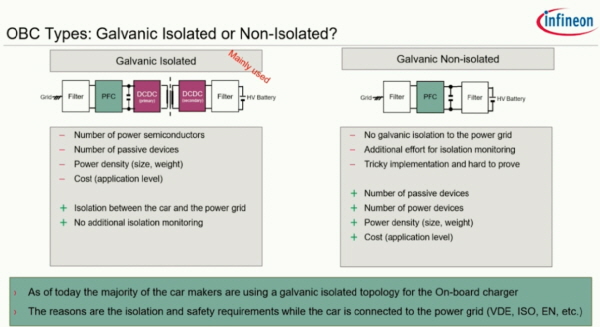
▲절연형, 비절연형 OBC 타입 특징 (그림출처: e4ds 웨비나 캡쳐)
절연형은 PFC단과 DC-DC단으로 구성되어 있고 DC-DC단에서 트랜스포머를 사용해 절연을 구현한다. 절연형의 경우 DC-DC단이 있어 전력반도체 소자를 더 많이 사용해야 한다. 이러한 추가적인 부품 때문에 크기와 무게가 늘어나고, Power Density가 줄어들며, 가격도 높아진다. 장점으로는 AC 입력단과 HV 배터리 사이에서 절연을 시켜주기 때문에 안정성 측면에서 유리하고, isolation과 관련한 추가적인 모니터링이 필요 없다.
비절연형은 DC-DC단이 없으며 AC 그리드와 배터리 사이에 isolation을 제공하지 않는다. Isolation이 정상 작동하는지 확인하기 위해 수시로 모니터링 해야 하지만 이를 구현하기가 어렵고, 증명하기도 어렵다는 단점이 있다. 장점은 DC-DC단이 없어 파워스위치와 기타 반도체 소자를 줄일 수 있기 때문에 무게, 사이즈, 비용을 줄일 수 있고, Power Density를 높일 수 있다.
오늘날 사용되고 있는 OBC의 절대 대부분은 절연형 타입이다. 이유는 VDE, ISO, EN과 같은 국제 규격에서 규정하고 있는 Safety Requirement를 비절연형은 만족시킬 수 없기 때문이다. 현재 많은 업체에서 비절연형의 장점을 앞세워 지속적으로 연구개발을 진행하고 있다.
OBC의 파워 클래스는 3.6 ~ 22kW까지 다양하다.
3.6kW는 Single Phase input으로 글로벌하게 사용되고 있다. PHEV와 소형 BEV에 적용된다. 6.6kW, 7.2kW는 아시아와 북미에서 Single input, EU에서는 Dual input으로 사용하며 가장 많이 사용되는 파워클래스다. 11kW OBC는 북미에서 Single input, EU와 중국에서는 Three phase input으로 사용한다. Mid Range 이상 급의 전기차에서 많이 사용된다. 22kW OBC는 Three phase input을 사용하며 유럽과 중국에서 활발히 개발되고 있다. 22kW는 비용 측면 때문에 고급차량에 적용될 것으로 보인다.
BEV와 PHEV는 목적에 따라 다양한 파워클래스를 적용하고 있지만 추세는 더 높은 파워의 OBC를 적용하고 있다. PHEV는 2017년 기준 약 80%가 3.6kW OBC였지만 2026년이 되면 90% 이상이 7.2kW OBC를 탑재할 것으로 예상된다. BEV도 2017년에는 3.6kW가 주를 이루었지만 2026년이 되면 7.2kW, 11kW로 넘어올 것으로 보이며 22kW도 일정 부분 차지할 것으로 보인다.
이 차장은 BEV에서 OBC 파워가 커지는 이유는 자동차 주행거리가 늘어나면서 배터리 용량도 커지고 있어 더 빠른 충전도 필요로 하는 추세이기 때문에 OBC의 파워도 이에 맞춰 커지고 있다고 전했다.
그는 이어 OBC 트렌드를 네 가지로 나누어 설명했다.
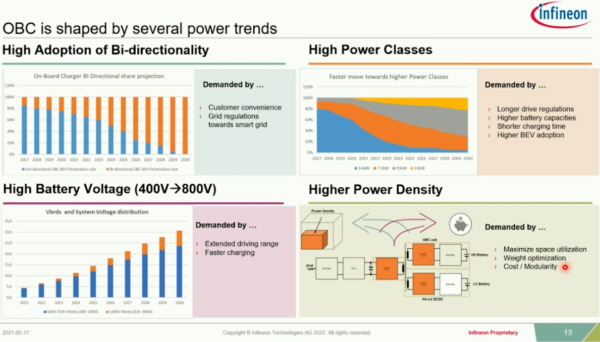
▲OBC 네 가지 트렌드 (그림출처: e4ds 웨비나 캡쳐)
첫 째는 양방향 OBC다. 개발 의도는 스마트 그리드를 구현하기 위함이었으나 오늘날 주 목적은 소비자들의 편의성 만족이다. 2017년에는 양방향 OBC가 20%도 차지하지 못했지만 2030년이 되면 거의 모든 차량이 양방향 OBC를 탑재할 것으로 보인다.
전기자동차들의 주행거리가 늘어나면서 배터리 용량도 커지고 있다. 용량이 큰 배터리를 빠르게 충전하기 위해 OBC의 Power Class가 커지는 추세라고 전했다.
High Battery Voltage도 주행거리가 늘어나는 것과 관련이 있다. 주행거리를 늘리기 위해서는 인버터의 효율을 높이거나, 차량 자체의 효율을 높이는 방식이 있다. 이 때 400V보다는 800V로 올렸을 때 시스템 효율을 더 높일 수 있고, DC로 Fast Charging을 하면 충전시간을 줄일 수 있어 추세가 전환되고 있기 때문에 OBC의 출력도 800V로 맞추려 개발하고 있다.
마지막은 Power Density다. 차량의 공간 활용도를 높이기 위해 꾸준히 개발되고 있다. 동력계통이 간단한 전기자동차지만 OBC의 Power Density를 높이면 OBC뿐만 아니라 인버터 등을 작게 만들 수 있어 무게를 줄일 수 있다. 더 가벼워지면 연비도 줄일 수 있어 꾸준한 개발이 이루어지고 있다.
Comments
Related news

[Interview] Lee Cheol, Infineon Vice President - “Electric Vehicle OBC Development, Optimal System Design Required”
We met with Lee Chul, assistant manager at Infineon, to learn about the principles and advantages of onboard chargers, and to hear about Infineon's onboard charger system solutions.
2022.03.24by 성유창 기자
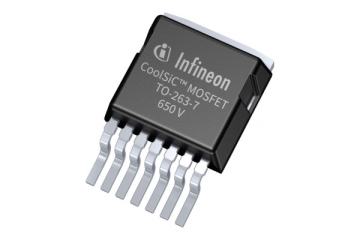
Infineon Achieves Minimized Loss and High Reliability in SiC Semiconductors
Infineon Technologies (Korea CEO Lee Seung-soo) has launched new SiC semiconductor products that deliver superior performance at reliable, user-friendly, and economical price points.
2022.03.29by 배종인 기자
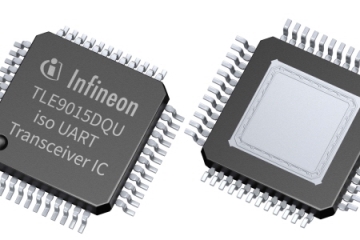
Infineon Launches IC to Maximize Battery Life
Infineon Technologies announced on the 11th that it has launched a new battery management IC product family that enables optimized battery cell monitoring and balancing solutions.
2022.05.11by 성유창 기자
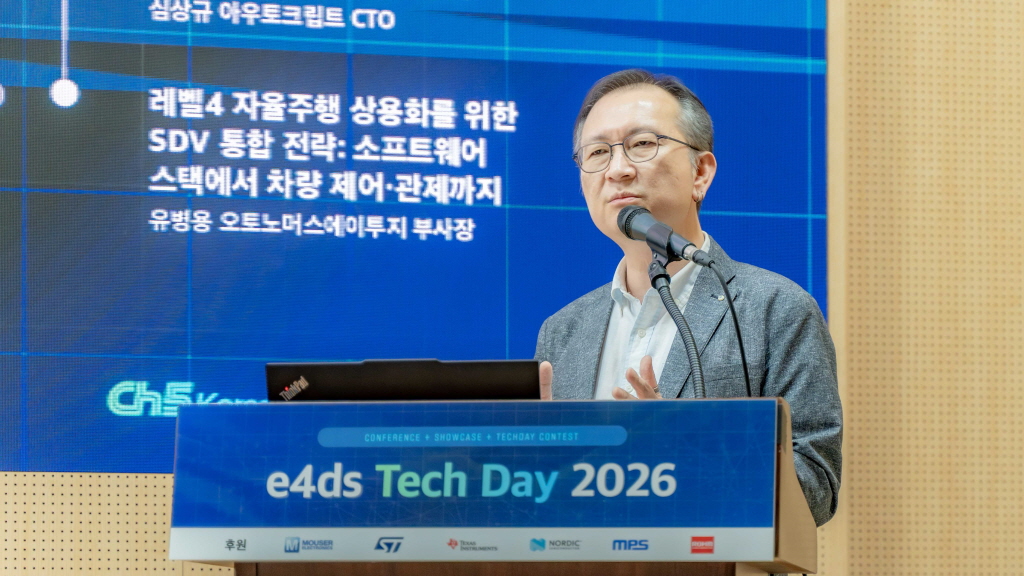
[e4ds Tech Day 2026 ⑨] Sim Sang-gyu, Autocrypt CTO: "In the Physical AI Era, Automotive Security Must Extend Beyond the Vehicle"
At e4ds Tech Day 2026, Sim Sang-gyu, CTO of Autocrypt, explained automotive cybersecurity strategies in the era of Physical AI and SDV (Software-Defined Vehicle). Automobiles are evolving as part of an ecosystem connected to AI, cloud, chargers, IoT, and robots, and he emphasized that the scope of security must expand beyond the vehicle interior to the entire connected environment. In particular, AI model tampering, adversarial attacks, OTA updates, and EV charger hacking were identified as major threats. He explained that response measures require zero trust, AI model integrity protection, intrusion detection, Security by Design and Default, and full lifecycle security management, and that proactive security system establishment beyond regulatory compliance is critical for securing future mobility competitiveness.
2026.10.12by 배종인 기자

Practical HIL Construction Strategy for Automotive and Off-Highway Controller Validation
As vehicle E/E architecture transitions to zonal structures and shifts to software-defined vehicles (SDV), the number of controllers (ECUs) requiring validation and software complexity are surging dramatically. Meanwhile, real vehicle testing cannot provide repeated verification under identical conditions and entails lead time and safety concerns. This white paper explains the principles of HIL (Hardware-in-the-Loop) validation and the structure of the NI platform composed of PXI, SLSC, and VeriStand, and through two actual implementation cases—Camera Record & Replay HIL for In-Cabin Monitoring Controller (ICMU) and Forklift Controller (VCU) HILS—describes how controller-level regression testing becomes possible. Additionally, it explicitly states application boundaries and limitations, such as lack of A2B support.
2026.10.12by 편집부











