



Semiconductor Talent ① - Contracted Departments Second Best, Diverse Majors Required
 Published2022.07.19 15:25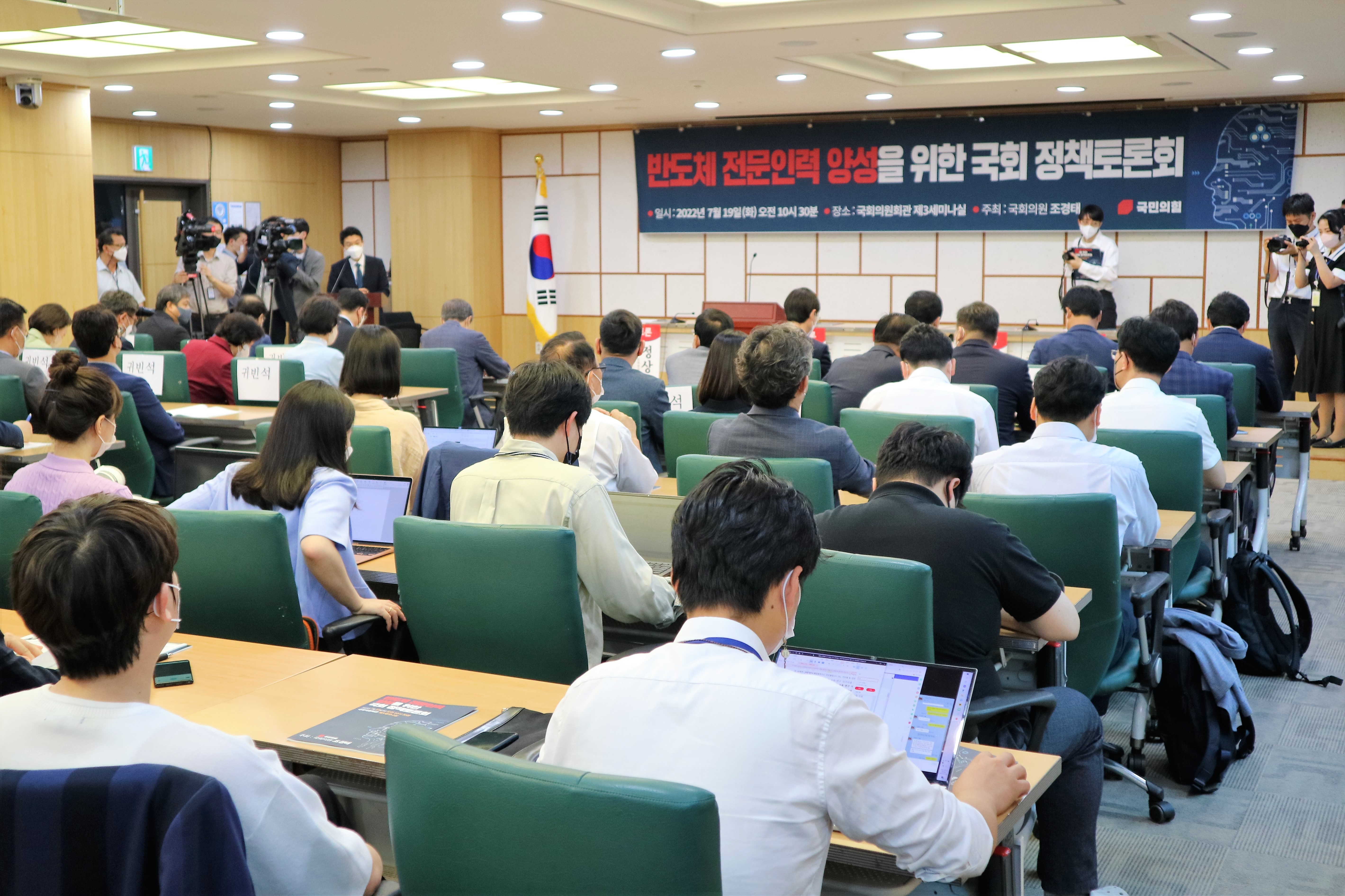
▲반도체 전문인력 양성을 위한 국회 정책토론회
안기현 전무 “소부장·팹리스 포함 3,000여명 부족 추정”
“반도체 계약학과는 최후의 수단이어야 한다. 다양한 전공 아우르는 반도체 인재 양성이 필요하다”
반도체 산업에 필요한 인력 양성을 위해 각계각층의 전문가들이 모여 머리를 맞댔다. 팹리스 생태계 인력에서부터 소부장, 패키징, 지역균형 발전 등 다양한 아젠다가 거론되며 반도체 생태계의 기반이 되는 인재 육성 정책 실현에 한마음 한 뜻으로 동참했다.
19일 국회의원회관 제3세미나실에서 ‘반도체 전문인력 양성을 위한 국회 정책토론회’가 열렸다. 이날 토론회에서는 반도체 인력 부족 현황을 공유하고 지역균형 인재양성과 더불어 전문인력 양성을 위한 제언을 나누는 자리를 가졌다.
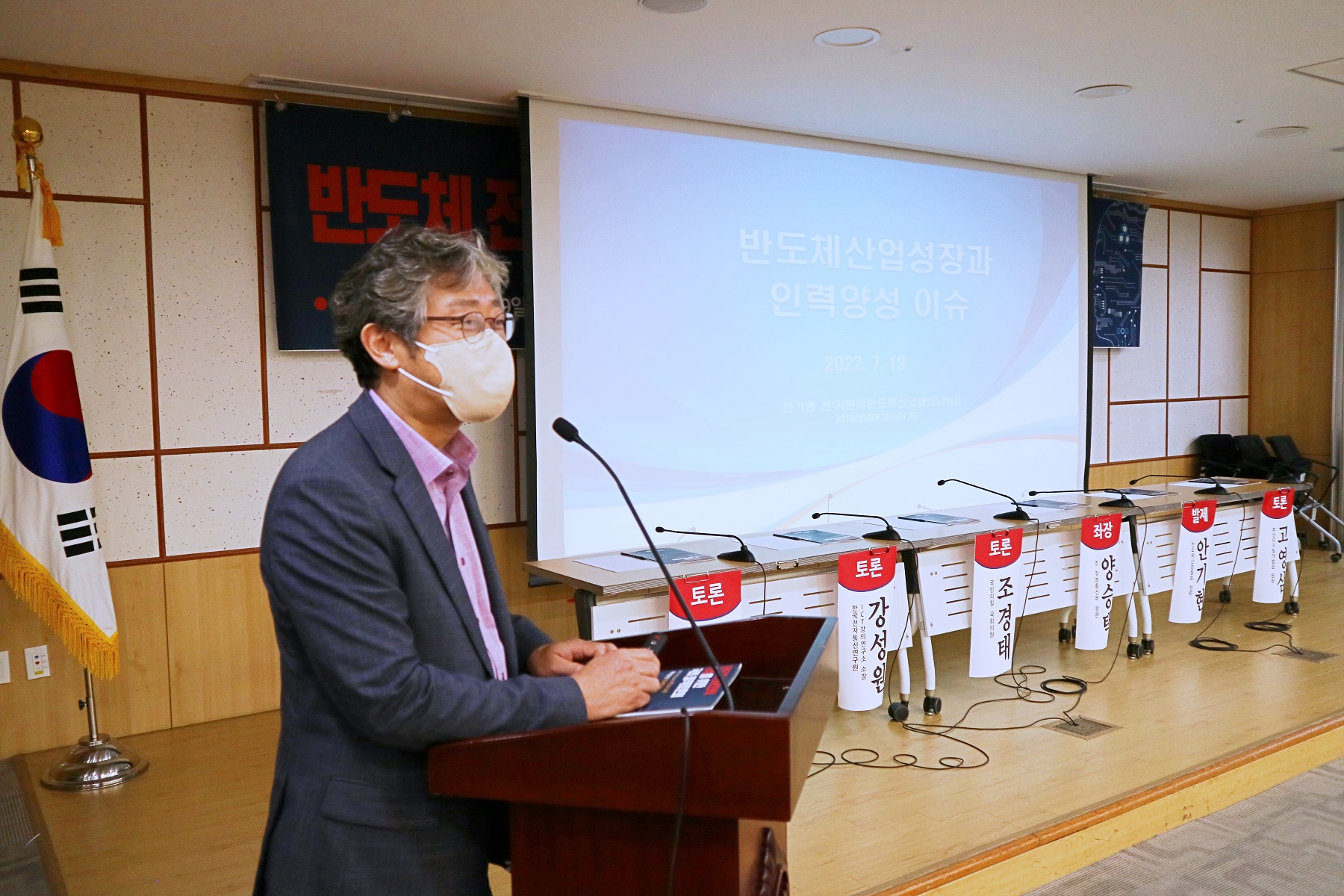
▲안기현 반도체산업협회 전무
이날 토론회에는 안기현 반도체산업협회 전무가 발제자로 나와 반도체 전문인력 양성 이슈에 대해 발표했다. 안 전무는 “인재를 키워야 산업이 발전할 수 있다”며 인력공급은 반도체 산업 성장과 깊은 관계를 맺고 있다고 강조했다.
반도체 산업은 국내에서 제조로 대표되는 삼성·SK하이닉스로 일반에서는 인식하지만 자세히 들여다보면 설계·패키징 및 소재·장비·부품 등 다양하게 구성돼 있다. 이는 곧 반도체 계약학과 등 반도체 전공만으론 모든 반도체 생태계에 인력 수급을 이룰 수 없음을 의미한다.
이 점을 안 전무는 날카롭게 지적했다. 최근 미디어를 통해 반도체 학과를 개설해야 한다는 주장이 널리 퍼졌지만 이는 반도체 인재를 양성해야 한다는 업계의 취지가 왜곡 전파된 것이라고 꼬집었다. 반도체는 전자·전기·신소재·물리·화학 등 다양한 분야 인재가 필요하며 실제 현장은 제조뿐 아니라 설계·패키징·소프트웨어 등 반도체 전공만으로는 포괄할 수 없는 다양한 분야와 공정이 존재한다.
안 전무는 “현재 통계상 반도체 산업 전체 근로자는 17만7,000여명으로 기업 설문조사에서 총 1,510명의 인력이 부족하다고 응답했다”면서도 “이는 정확한 측정이 아니며 실제 현장은 이보다 많을 수밖에 없다”고 토로했다.
대기업 위주로 조사된 통계자료라고 말하는 안 전무는 “소부장 및 팹리스쪽까지 더하면 통계보다 더 많은 부족 인력이 잡힐 것이다”라며 약 3,000명의 인력이 부족할 것으로 추정했다. 부품사는 장비사에 비해 더 영세해 통계·조사에도 잡히기 어려워 인력 수급에 더욱 큰 고충을 겪고 있을 것이라고 덧붙였다.
국내 반도체 산업 인력 수요는 향후 10년 간 연평균 5.6% 성장해 13만명 이상 증가할 것으로 전망된다. 반도체 산업의 성장 전망이 확실한 만큼 정부는 미래 인재 수요에 지속적으로 대응할 수 있는 장기플랜 준비가 필요하며 동시에 당면한 인력 문제도 해결할 수 있는 혜안을 마련해야 하는 형편이다. 중소기업일수록 인재 교육을 수행할 수 있는 여력이 부족하기에 정부의 관련 지원책도 염두에 둘 필요가 있다.
안 전무는 해결방안을 제언하며 △반도체 관련 학과 반도체전공 교수 증원 △관련 연구시설 확충 △연구비 지원 △반도체 전공 수업 확대 △관련 학과 증원 △필요한 경우 학부제 운영 등을 제시하며 계약학과는 최후의 방법이여야 함을 못박았다.
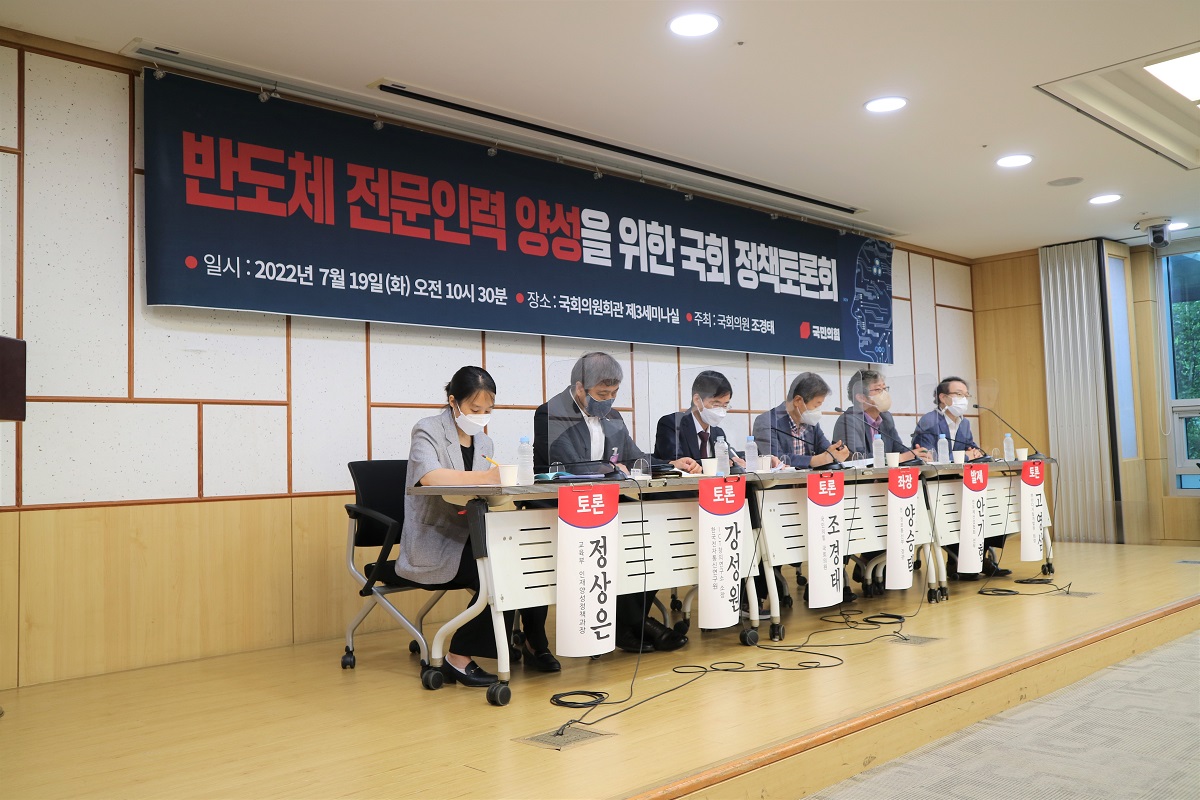
▲토론 세션이 진행되는 모습. 왼쪽부터 △정상은 교육부 인재양성정책과장 △강성원 한국전자통신연구원 ICT창의연구소 소장 △조경태 국민의힘 의원 △양승태 전 정보통신부 장관 △안기현 전무 △고영삼 부산디지털개발원 원장
반도체 제조에 치우친 국내 산업은 설계 분야가 매우 취약하다. 좌장을 맡은 양승택 전 정보통신부 장관은 토론회에서 국내 반도체 산업의 편중을 우려했다. 전세계 반도체 시장에서 국내 팹리스의 점유율은 고작 1%에 불과하며 2010년 정부 기조로 우후죽순 생겨났던 300여개의 팹리스 기업은 현재 50여개로 감소하며 업계가 활기를 잃은 상황이다.
이에 강성원 한국전자통신연구원 소장은 “2010년대처럼 시스템반도체에 또 다른 정부 차원 투자가 이뤄져야 한다”고 말했다. 또한 “반도체 인력 양성과 관련해 이를 총괄하는 ‘탑 부서’가 없다”며 “전체 반도체 산업 및 인력 투자를 담당하는 중심 부처가 있어야 한다”고 주장했다.
반도체 산업 투자에 있어서 지역 균형을 안배해야 한다는 목소리도 쏟아졌다. 고영삼 부산디지털개발원 원장은 “국정목표와 국정과제 기조에서 해결방향을 찾아야 한다”고 주장하며 윤정부의 국정목표 6번과 국정과제 85번을 언급해 지방대학 인재 강화 정책을 펼쳐야 한다고 강조했다. 그는 “정부의 반도체 인력 양성에서 수도권 규제 철폐는 지역 대학뿐 아니라 지역 저항의 시작이 될 수도 있다”고 열변했다.
질의응답 세션에서 이영우 전남대 교수는 “지역에서도 충분히 인재를 양성할 수 있고 반도체 전문 인력 양성에 기여할 수 있는 전문 교원들이 준비된 상태”라며 “다만 국립대의 경우 학과를 신설할 때 논문·연구 실적 등 제약 사항이 있어 관련 애로사항을 특별법에 반영하길 희망한다”고 전했다.
Comments
Related news
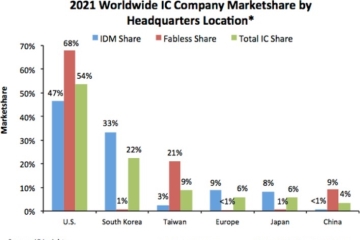
South Korea's fabless market accounts for just 1% of global semiconductor production, with the US dominating, and Taiwan gaining ground.
South Korea, despite securing the second-largest position in the global semiconductor market while striving to establish its standing as a semiconductor powerhouse amid the U.S.-led global semiconductor market dominated by Qualcomm and Nvidia, is facing concerns due to assessments that it remains highly vulnerable in the fabless IC sector.
2022.04.11by 명세환 기자
The new government's semiconductor investment and talent development efforts
China's semiconductor rise, U.S. President Biden holding a semiconductor wafer, and TSMC with the world's largest foundry market share—these three have a common point. That is, they all fall within the category of comprehensive government support for semiconductor industry development.
2022.04.28by 명세환 기자
1,150 Students Enroll in 8th 'Samsung Youth SW Academy'... Taking First Steps as 'SW' Developers
With the need to expand the foundation of the SW ecosystem at the national level, Samsung is supporting the cultivation of domestic SW talent.
2022.07.13by 명세환 기자

Intel Unveils Next-Generation 'Core Ultra Series 3' and vPro Platform for Enterprise PCs
Intel has officially unveiled the "Intel Core Ultra Series 3" for next-generation enterprise PCs and the latest vPro platform, addressing a wide range of demands from enterprise notebooks to high-performance workstations.
2026.03.26by 배종인 기자

ROHM Launches ESD Protection Diode Compatible with High-Speed Interfaces of 10Gbps or Higher
Semiconductor specialist ROHM has developed the 'RESDxVx series' of ESD (electrostatic discharge) protection diodes capable of responding to next-generation high-speed data communication environments exceeding 10Gbps, simultaneously enhancing both signal quality maintenance required in high-speed interfaces and IC protection performance.
2026.03.26by 배종인 기자











