


EMC Latest Trends 'e4ds Analog Day' Successfully Concluded
 Published2022.12.12 16:17
.jpg)
▲2022 e4ds Analog Day
무선전력전송·전장품 노이즈, 차세대 먹거리 솔루션 공유

반도체 첨단 기술의 혁신과 차세대 통신 기술의 발전으로 제품들의 전자부품 탑재가 증가하고 있다. 전기차, 무선충전 등 신기술이 성숙함에 따라 전자파 노이즈 문제가 심화하면서 이에 대응하는 EMI·EMC 대책설계가 시급한 상황이다.
9일 서울 서초동 한국컨퍼런스센터 대강당에서 2022 e4ds Analog Day가 참가자들의 열띤 관심 속에 성료했다. 채널5코리아가 주최하고 e4ds news가 주관한 이날 행사에서 현직 개발자 및 엔지니어들이 다수 참석해 EMC 문제에 대한 최신 전망과 해결책을 모색하는 시간을 가졌다.
이날 발표에는 △성관영 한국화학융합시험연구원 팀장의 EMI·EMC 표준/인증 동향 △박현호 수원대학교 교수의 전자파 차폐 및 흡수 소재 기술 동향 △김지성 KAIST 초빙교수의 SMPS(Switching Mode Power Supply) 노이즈 대책 △김홍석 CPS TECH 대표의 전기자동차용 전자식 브레이크 전도성 노이즈 특성 분석 및 모델링 △안승영 KAIST 교수의 무선전력전송 기술 전망과 EMC 대책 세션이 진행됐다.
.jpg)
▲성관영 한국화학융합시험연구원 팀장이 발표하는 모습
첫번째 세션에서 성관영 팀장은 EMC 측정과 표준화 동향에 대해서 발표했다. EMC에 대한 법적 규제가 점차 강화되며 비관세 무역 장벽(TBT)로 작용하고 있다고 말하는 성 팀장은 전자파의 개요 및 방해파 문제서부터 △EMC 인증제도 △EMC 국제표준 제정 조직 △적용 원칙 △측정 기술 동향까지 기본 개념과 최신 이슈를 총망라한 명강의를 펼쳤다.
성 팀장은 “로봇, 무선전력전송, 웨어러블 디바이스 등 새로운 기술 출현으로 인해 EMC 규제 주파수 및 한계(Limit) 설정 이슈가 대두됐다”며 “방해 요소(Disturbance Source)의 다양화로 인해 시험항목이 증가하고 전자파 인체 안전(EMF) 등에서도 이슈가 있다”고 언급했다.
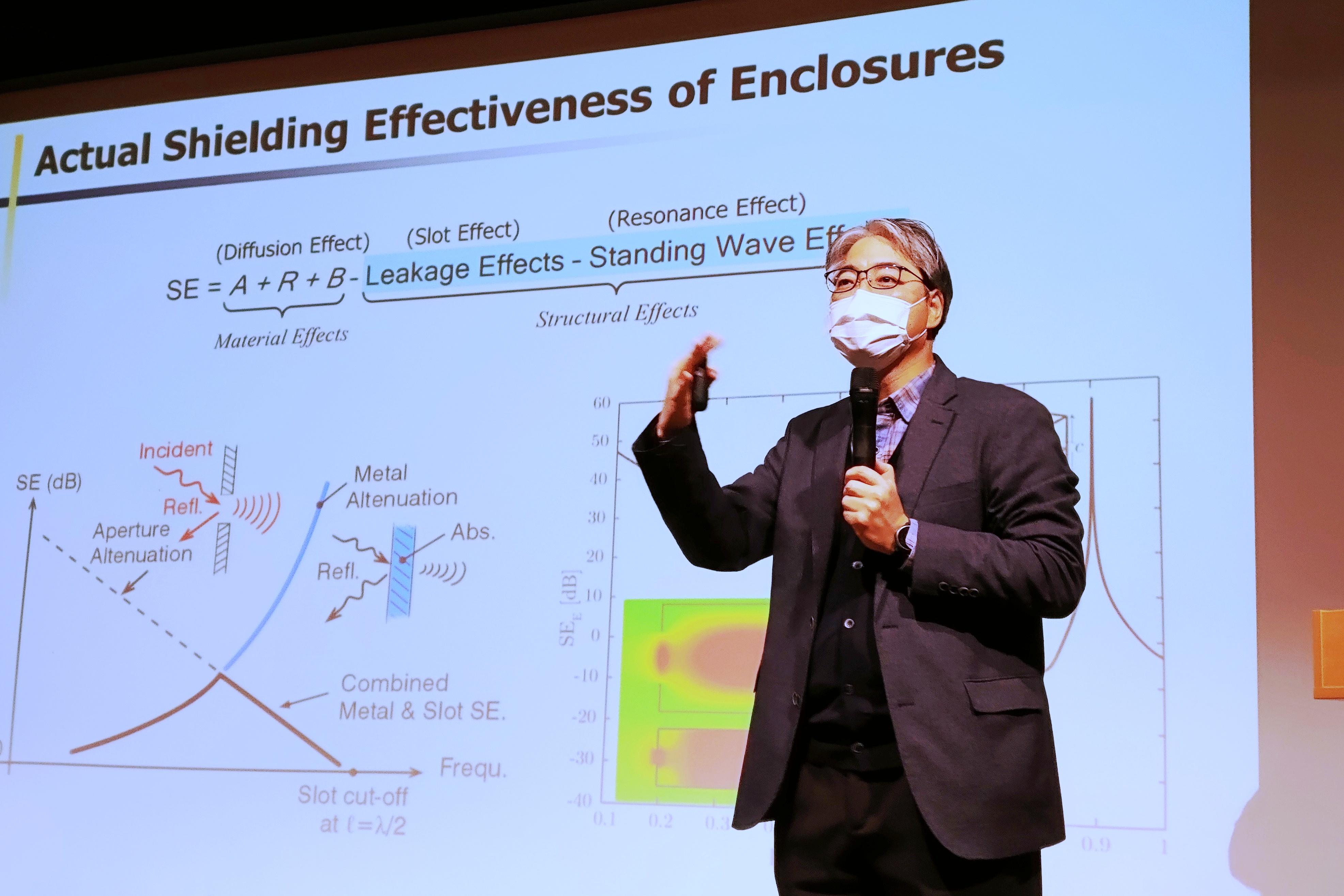
▲박현호 수원대 교수
박현호 수원대 교수와 김지성 KAIST 교수는 이날 각각 전자파 차폐·흡수 소재와 SMPS 노이즈 대책에 관한 이론과 원리에 대해 간략하고 핵심적인 설명을 이어갔다. 박 교수는 향후 오토모티브 시스템에서의 전자파 차폐와 전기차의 파워트레인의 차폐 등 다양한 모빌리티 부문에서 차폐 시장이 발전하고 있음을 언급했다. 김 교수는 SMPS의 많은 종류 중 스위칭 DC-DC 컨버터 노이즈의 원인과 대책 설계에 관해 공유했다.
2부 세션은 차세대 기술로 각광받고 있는 분야인 전기차 전장품과 무선전력전송을 주제로 한 EMC 대책 공유 세션이 마련됐다.
김홍석 CPS TECH 대표는 현대자동차 및 현대모비스, 구글, 페이스북 등과 다수의 R&D 프로젝트 실적을 가진 전력전자 EMC 전문가로 전력·신호 무결성 기술력을 갖춘 CPS TECH를 운영하고 있다.
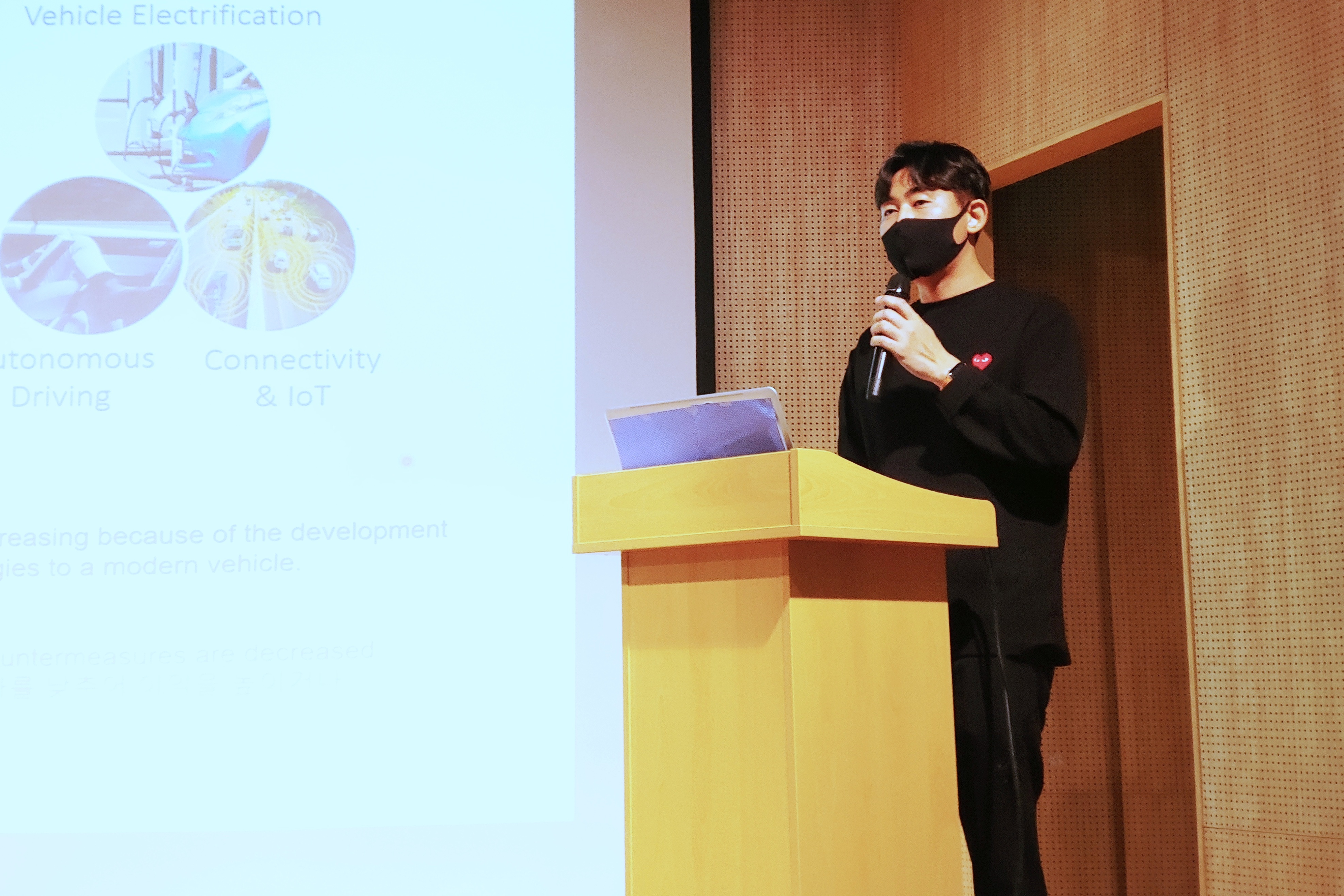
▲김홍석 CPS TECH 대표
오토모티브 EMC 시뮬레이션에서의 해결과제는 △크고 복잡한 시스템 해석 △지적재산권 및 보안문제 △모델링과 해석 알고리즘 문제를 내재하고 있다. 이에 측정기반 모델링과 분석을 적극 활용해 문제를 해결하는 방안을 이날 발표에서 제시했다.
마지막 발표에서 안승영 KAIST 교수는 “무선전력전송 분야는 초소형 IoT 센서, 의료용 인체 삽입 전자기기 등 다양한 곳에 응용될 수 있다”며 △인체 삽입형 의료기기 무선충전 기술 △철도 시스템 무선전력전송 기술 △드론 무선충전 시스템 등 다양한 미래 전망 사례를 제시했다.
이어 그는 누설 전자파를 막기 위한 다양한 전자파 차폐 기술 개발 동향과 누설 자기장 저감 기술 등에 관해 설명했다. 무선충전 전자파 안전 연구개발 현황으로 생명체 감지 기술과 기기 간 전자파 간섭 연구 등이 한국전자통신연구원 및 한전-KAIST에서 이뤄지고 있다는 사실도 덧붙였다.
한편, e4ds는 전자산업계 기술과 산업 발전과 함께 개발자 및 엔지니어 독자군들의 전문 역량 향상을 위해 아날로그 데이, 반도체 트렌드 데이, IIoT Innovation Day 등 다양한 컨퍼런스와 각종 기술 웨비나를 주최하고 있다.

Comments
Related news
[Analog Day] Professor Kim Ji-seong, “New technology emerges, EMI possibility high”
[Editor's Note] Electromagnetic noise generated during IT product design causes critical defects such as product performance degradation and malfunction. Recently, as automotive electrification transitions accelerate, products become miniaturized, and the use of high-frequency bands (millimeter waves) such as 5G and 6G communications expands, the possibility of device and system malfunctions caused by both intentional and unintentional electromagnetic noise is growing. As the importance of EMI/EMC design gains attention, e4ds news hosts Analog Day annually, bringing together EMI/EMC experts to share the latest technology trends and seek solutions.
2022.11.14by 명세환 기자
.jpg)
[Analog Day] Team Leader Seong Gwan-yeong: "Preemptive action on EMC standardization is essential."
[Editor's Note] Electromagnetic noise generated during IT product design causes critical defects such as performance degradation and malfunction. With the recent transition to vehicle electrification, miniaturization of products, and expanded use of high-frequency bands (millimeter-wave) such as 5G and 6G communications, the possibility of device and system malfunction caused by intentional and unintentional electromagnetic noise is increasing. As the importance of EMI·EMC design is gaining attention, e4ds news holds an annual Analog Day where EMI·EMC experts gather to share the latest technology trends and explore solutions.
2022.11.15by 명세환 기자
The latest EMI/EMC information at a glance
e4ds news will hold the '2022 e4ds Analog Day' on December 9th at the Grand Hall of Korea Conference Center (Exit 5, Gangnam Station).
2022.11.21by 배종인 기자

Intel Unveils Next-Generation 'Core Ultra Series 3' and vPro Platform for Enterprise PCs
Intel has officially unveiled the "Intel Core Ultra Series 3" for next-generation enterprise PCs and the latest vPro platform, addressing a wide range of demands from enterprise notebooks to high-performance workstations.
2026.03.26by 배종인 기자
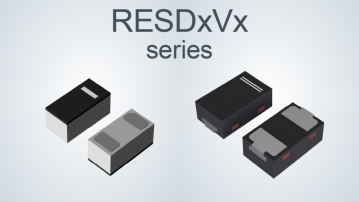
ROHM Launches ESD Protection Diode Compatible with High-Speed Interfaces of 10Gbps or Higher
Semiconductor specialist ROHM has developed the 'RESDxVx series' of ESD (electrostatic discharge) protection diodes capable of responding to next-generation high-speed data communication environments exceeding 10Gbps, simultaneously enhancing both signal quality maintenance required in high-speed interfaces and IC protection performance.
2026.03.26by 배종인 기자











