


Intel Launches Sapphire Rapids, Bringing PCIe 5.0 and DDR5 Interfaces to Life
 Published2023.01.11 16:17
차세대 인터페이스 채택, 연내 에메랄드 래피즈도 출시
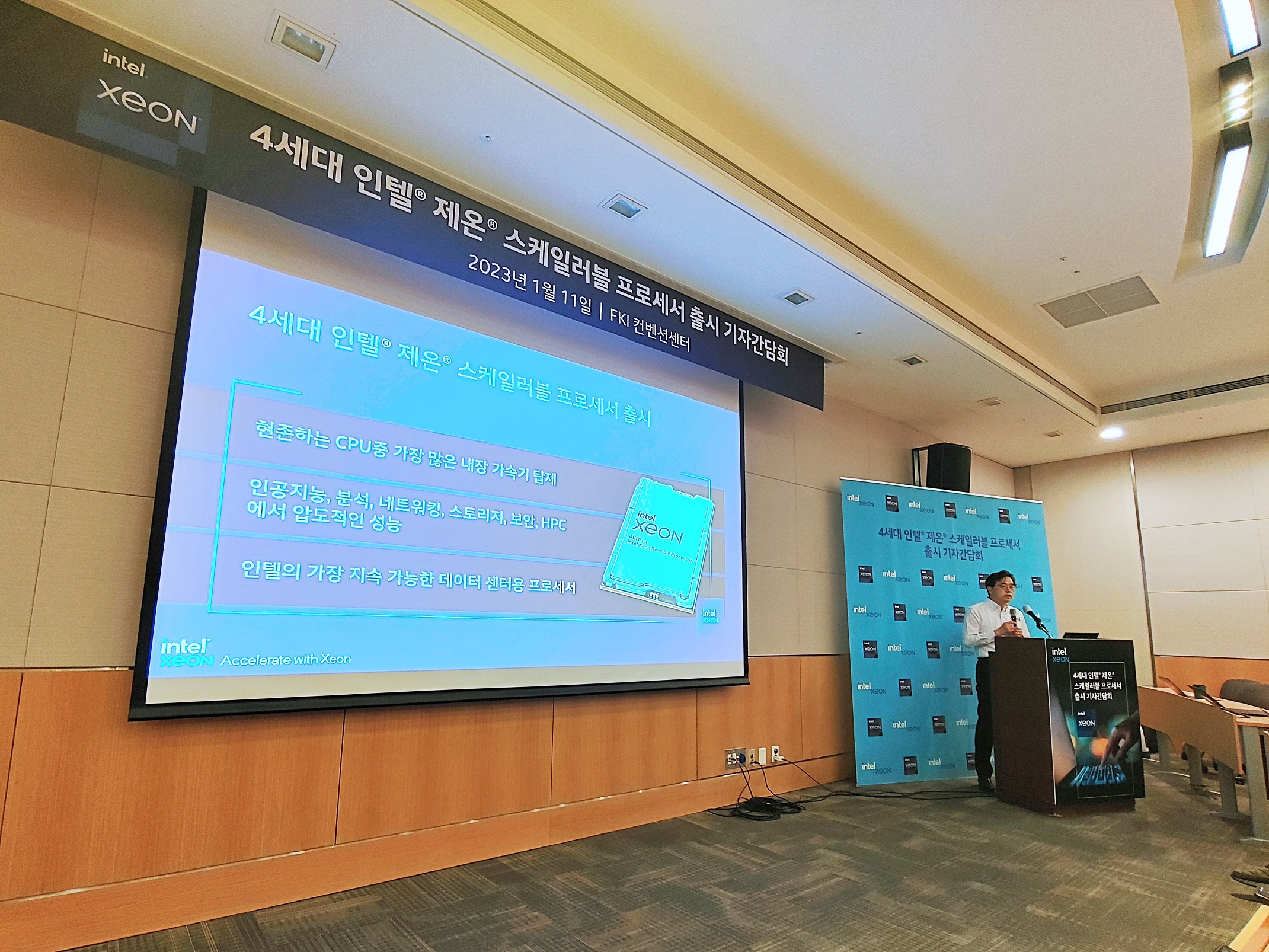
▲인텔 제온 스케일러블 프로세서 출시 기자간담회

데이터 전송의 급증으로 인해 서버 및 통신 시장이 확대되는 가운데 클라우드 공급업체, 컴퓨팅 집약적 시장 등 다양한 분야에서 고객의 요구사항이 다변화되며 비즈니스 솔루션 복잡도가 증가했다. 이에 인텔의 새로운 프로세서가 시장에 모습을 드러내며 고객 중심 워크로드 최적화에 기여할 것으로 전망되고 있다.
11일 인텔이 4세대 제온 스케일러블 프로세서(사파이어 래피즈)와 맥스 시리즈 제품군을 공개했다. 여의도 전경련회관에서 진행된 기자간담회에서 인텔은 새로운 제품을 통해 △개별 워크로드의 최적화를 지원하는 내장 가속기 12종 △보안 솔루션 △업계 패러다임 전환을 주도하는 차세대 인터페이스 등을 강조했다.
인텔은 새로운 제품을 통해 향상된 데이터센터 성능과 AI·클라우드·슈퍼컴퓨팅 등 개별 워크로드에서 향상된 기능을 제공할 것이라고 강조했다.
나승주 인텔코리아 상무는 “4세대 제온 프로세서는 고객 중심으로 워크로드를 분석해 최적화하는 데 차별점이 있다”며 “가속기를 CPU 안에 내장해 성능 향상과 전력 최적화 모드로 에너지 효율성을 제공한다”고 피력했다.
■ 인텔 가속기 엔진, CPU 활용률 높여 비용 절감
.jpg)
▲4세대 제온 스케일러블 프로세서 주요 가속 기술
이번에 출시된 사파이어 래피즈는 현존 CPU 중 가장 많은 내장 가속기를 탑재한 것으로 전해졌다. 가속기 엔진을 통해 △인공지능 △데이터 분석 △네트워킹과 5G △스토리지 △HPC 등 하드웨어부터 소프트웨어까지 광범위한 애플리케이션 활용범위를 보여주며 워크로드 최적화를 지원한다.
주요 가속 기술로는 △2D 타일 연산으로 AI추론과 학습 강화를 최적화하는 ‘어드밴스드 매트릭스 익스텐션(AMX)’ △빠른 암호화 및 대량 데이터 압축을 최적화하는 ‘퀵어시스트 기술(QAT)’ △대기열 스케쥴링 및 패킷 처리를 최적화하는 ‘다이내믹 로드 밸런서(DLB)’ △작은 메모리 대역폭으로 데이터베이스 성능 향상을 최적화하는 ‘인-메모리 분석 가속기(IAA)’ △데이터 이동 속도를 향상시키는 ‘데이터 스트리밍 가속기(DSA)’가 대표적이다.
인텔 AMX는 딥 러닝 학습과 추론 성능을 향상하는 가속기로 CPU 상에서 AI 성능을 미세조정하고 중소규모의 딥러닝 학습 모델을 수행할 수 있다. △자연어 처리 △추천 시스템 △이미지 인식 △객체탐지 △머신러닝과 같은 워크로드에 이상적이다.
DSA는 스트리밍 데이터 이동 및 변환 작업을 개선해 △스토리지 △네트워킹 △데이터 집약적 워크로드에 효율성을 제고한다. 데이터 센터에서 오버헤드를 유발하는 가장 일반적인 데이터 이동 작업을 오프로드 하도록 설계된 인텔 DSA는 △CPU △메모리 △캐시는 물론 연결된 모든 △메모리 △스토리지 △네트워크 장치에서 데이터 이동 속도를 높이는 데 도움을 준다.
DLB는 멀티코어 사파이어 래피즈의 네트워크 데이터 처리와 관련된 시스템 성능을 향상시킨다. 여러 CPU 코어/스레드에 걸쳐 네트워크 처리를 효율적으로 분산할 수 있으며, 시스템 부하가 변화함에 따라 처리할 수 있도록 여러 CPU 코어에 네트워크 데이터를 동적으로 분산할 수 있다. 동일 처리량을 가정했을 때 레이턴시가 96% 감소한다고 나 상무는 피력했다.
QAT는 암호화를 하거나 암호 해독 및 압축을 오프로드함으로써 프로세서 코어의 작업 부하를 덜어주고 전력 절감에 기여한다. 나 상무는 “QAT 활용 시 기존 소프트웨어 대비 84% 더 적은 코어 수로도 목표 성능을 달성할 수 있다”고 강조했다.
IAA는 데이터베이스 및 분석 워크로드를 더 빠르게 실행하고 전력 효율성을 높일 수 있도록 지원하며 △인메모리 데이터베이스 △오픈소스 데이터베이스 △RocksDB △ClickHouse와 같은 데이터 저장소에 이상적이다.
나 상무는 “이러한 내장가속기를 활용해 와트 당 성능을 2.9배 향상시킬 수 있다”고 말하며 “전력 최적화 모드로 특정 워크로드를 성능 저하 없이 최대 20% 전력 절감하며 텔레메트리를 통해 전력 소비와 탄소배출을 모니터링한다”고 덧붙였다.
가속기는 이처럼 각각의 워크로드에서 최고의 성능을 낼 수 있도록 지원하며 CPU의 코어 수를 늘리지 않고도 활용률을 높일 수 있어 비용 절감과 전력 효율성 개선에 기여한다.
■ PCIe 5.0·DDR5 채택, 시장 확대 예고
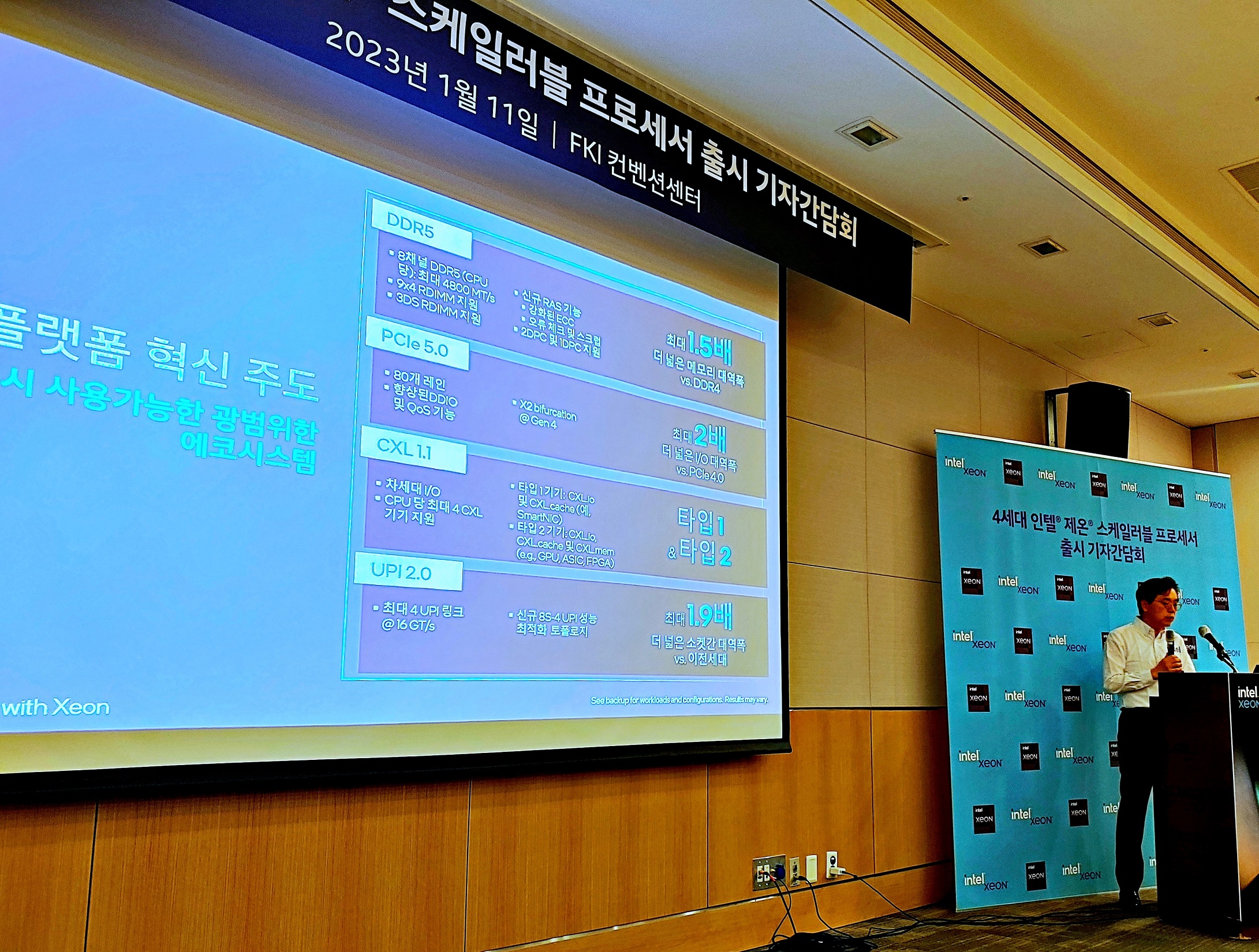
▲인텔 4세대 제온 스케일러블 프로세서에 차세대 인터페이스 적용
사파이어 래피즈의 초도물량과 샘플 1000개가량이 고객사에 공급돼 테스트 중에 있다고 전해지는 가운데 차세대 인터페이스인 PCIe 5.0과 DDR5 채택으로 관련 시장에서 점차 패러다임 전환이 이뤄질 것으로 기대가 모아지고 있다.
사파이어 래피즈는 단일 패키지에 최대 4개 인텔 7 공정 기반 타일을 결합하고 인텔 EMIB 패키징 기술을 이용해 DDR5를 통한 메모리 대역폭 향상과 PCIe 5.0·CXL 1.1 인터커넥트를 통해 더 넓은 I/O 대역폭을 지원한다.
또한 고급보안 솔루션을 탑재해 △소프트웨어 가드 익스텐션 △크립토 가속 △토탈 메모리 암호화 △플랫폼 펌웨어 레질런스 등의 보안 엔진을 제공한다.
인텔은 모듈형 아키텍처를 통해 메인스트림 범용 SKU부터 특수 제작 SKU에 이르기까지 개별 워크로드 맞춤형의 50여개 SKU로 광범위한 프로세서를 제공한다고 강조했다.
나 상무는 “4세대 제온 프로세서가 램프업되면서 DDR5에서도 시장이 커질 것으로 본다”며 “제온 기반 디자인이 400개 이상 개발되고 있으며 이것이 4세대 제온에도 관심을 반증하는 것 같다”며 시장 주도권을 자신했다.
차세대 프로세서인 에메랄드 래피즈도 올해 말 생산을 예고했다. 이번 신제품이 출시가 지연됐음에도 불구하고 에메랄드 래피즈는 이번에 출시된 사파이어 래피즈와 같은 플랫폼 기반으로 생산될 예정이기에 테스트 기간이 훨씬 짧다고 전해졌다.
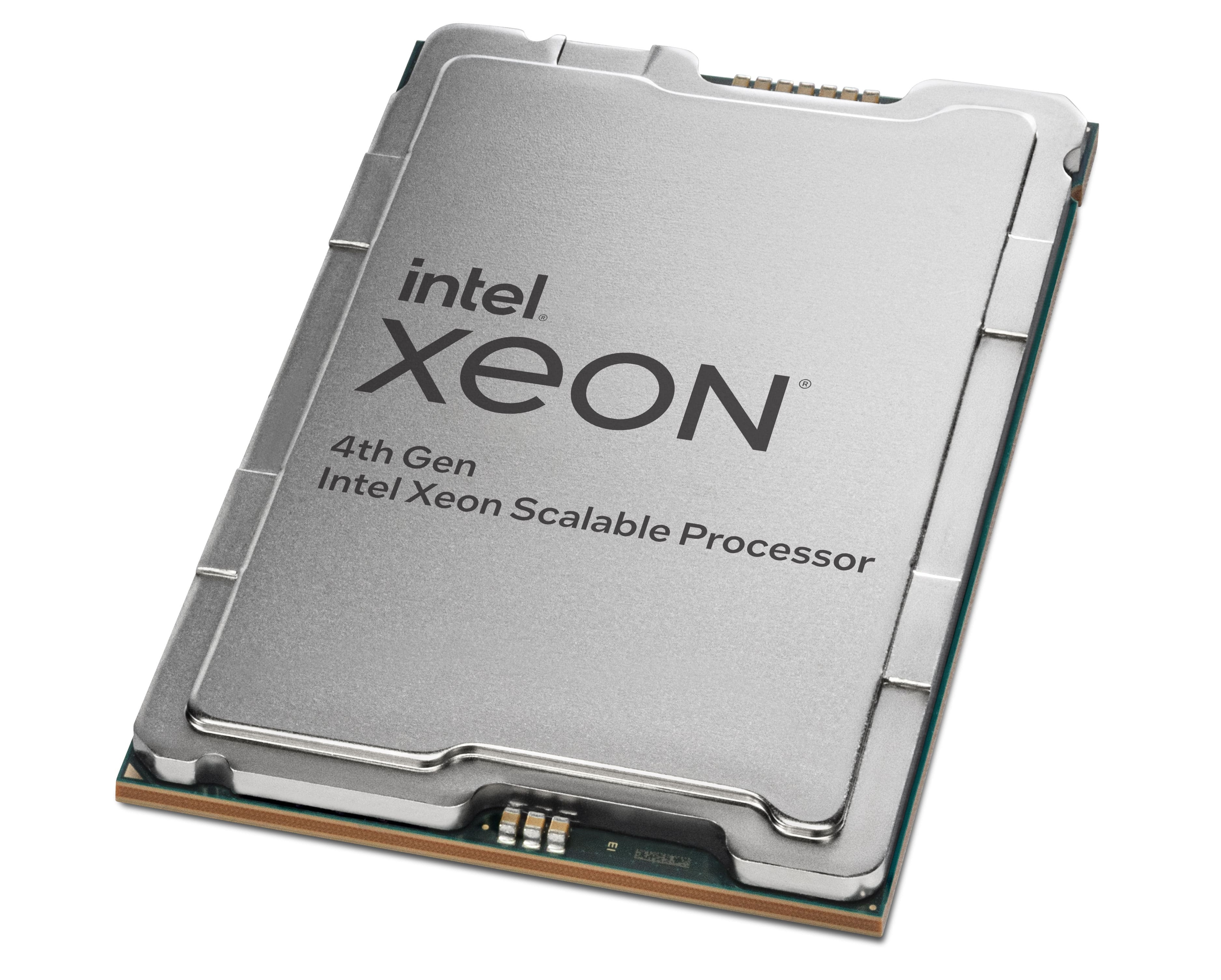
▲4세대 인텔 제온 스케일러블 프로세서

Comments
Related news
Intel Unveils New OneAPI 2023
48% of developers are targeting heterogeneous systems that utilize two or more types of processors. To address the challenge of increasing scope and scale of actual workloads, more efficient multi-architecture programming is required. Code written for proprietary programming models such as CUDA lacks portability to different hardware and can result in isolated development environments that lock organizations into closed ecosystems.
2022.12.21by 명세환 기자
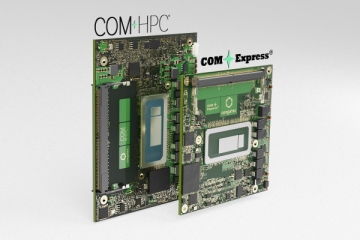
Congatec Launches Computer-on-Module with 13th Gen Intel CPUs
KongaTech has launched COM-HPC and COM Express Computer-on-Module based on 13th Generation Intel Core processors featuring high-performance capabilities with integrated BGA sockets.
2023.01.04by 배종인 기자
.jpg)
Intel Targets Laptop Market with 24-Core CPU
Intel has launched 32 new mobile processor products, led by the i9-13980HX, the world's fastest 24-core mobile CPU, and has begun full-scale market penetration with over 300 notebook products ranging from high-end to entry-level segments.
2023.01.04by 배종인 기자
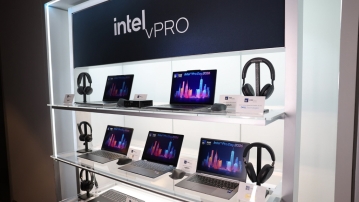
Intel Unveils Next-Generation 'Core Ultra Series 3' and vPro Platform for Enterprise PCs
Intel has officially unveiled the "Intel Core Ultra Series 3" for next-generation enterprise PCs and the latest vPro platform, addressing a wide range of demands from enterprise notebooks to high-performance workstations.
2026.03.26by 배종인 기자
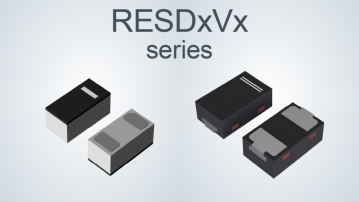
ROHM Launches ESD Protection Diode Compatible with High-Speed Interfaces of 10Gbps or Higher
Semiconductor specialist ROHM has developed the 'RESDxVx series' of ESD (electrostatic discharge) protection diodes capable of responding to next-generation high-speed data communication environments exceeding 10Gbps, simultaneously enhancing both signal quality maintenance required in high-speed interfaces and IC protection performance.
2026.03.26by 배종인 기자











