


SKT's 5G 28GHz allocation cancellation was "as expected."
 Published2023.05.12 12:19
The prospect of finding a nationwide 5G 28GHz network operator remains uncertain.
The Ministry of Science and ICT has given SKT advance notice of its decision to cancel the allocation of the 5G 28GHz frequency band.
The Ministry of Science and ICT announced on the 12th that it had conducted an implementation inspection of SKT for the end of the 5th generation (5G) 28 GHz frequency and had notified the company in advance of the cancellation of allocation.
At the end of December last year, the Ministry of Science and ICT imposed restrictions on the four mobile carriers for failing to meet the conditions imposed when allocating 5G frequencies in 2018.
KT and LG U+ were notified of cancellation, and SKT was notified of a shortened 28GHz frequency usage period from 5 years to 4 years and 6 months, and that if they fail to build 15,000 devices, the original allocation condition, by May 31, 2023, when the usage period ends, their allocation will be cancelled.
As the end of SKT's 28GHz frequency usage period approaches, the Ministry of Science and ICT received and reviewed SKT's performance and future plans in early May.
As a result of the inspection, SKT announced that as of May 4, the number of devices deployed in the 28GHz band network was 1,650, and that there were no plans for additional deployments until May 31. Accordingly, advance notice was given of the cancellation of allocation due to non-fulfillment of frequency allocation conditions.
In the future, the Ministry of Science and ICT will hold a hearing to hear the opinions of businesses regarding this preliminary disposition in accordance with the Administrative Procedures Act, and will implement the final disposition at the end of May based on the results.
Choi Woo-hyuk, director of the Ministry of Science and ICT's Radio Policy Bureau, said, "We will continue to work to encourage new operators to enter the 28 GHz band and, by activating competition in the communications market, ensure that citizens can enjoy higher-quality 5G services."
Meanwhile, in February, the government announced that it would prioritize allocating one of the two bands, the 800MHz band, to new operators to secure a market position. The other band will be allocated three years after the first operator launches service.
Additionally, the Ministry of Science and ICT announced that it would begin actively seeking new operators for the 5G specialized network, and excluded the three mobile carriers from the target.
The telecommunications industry, despite government support, is expressing difficulties in securing profitability, while actively participating in the 5G specialized network (Ieum 5G) business.
As it is believed that 28GHz can be significantly utilized in 5G specialized networks, the three major mobile carriers are taking proactive steps by supporting the development of 5G business models for operators aspiring to become 5G specialized network operators.
With the future of investment in a nationwide 5G 28GHz frequency band, a gateway to 6G, uncertain, the government is struggling to find new operators.
Comments
Related news
SKT Launches 25 New 5G Intermediate Rate Plans
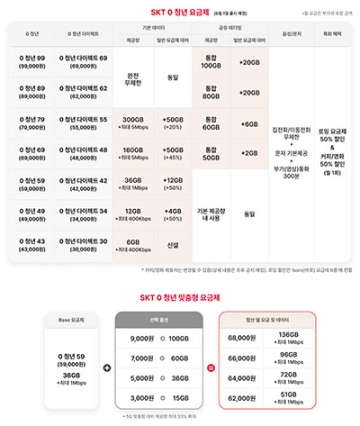
The Ministry of Science and ICT approved on the 23rd SKT's application for new 5G rate plans that was filed on the 17th, taking into consideration customer usage patterns and age group characteristics. The 5G terms of service filed this time include the following: △establishment of three types of 5G senior rate plans for users aged 65 and over △establishment of four types of 5G mid-tier rate plans △establishment of 11 types of 5G youth rate plans for users aged 34 and under △establishment of seven types of 5G youth online rate plans.
2023.03.23by 김예지 기자

SKT Develops Quantum Cryptography Network Integration Technology Between Different Manufacturers
SK Telecom successfully developed an automatic control and operation technology that virtualizes a quantum secure communication network composed of telecommunication equipment from different manufacturers into a single integrated network to provide quantum keys.
2023.04.05by 김예지 기자
SKT Strengthens Social Safety Net with Integrated AI Care Service
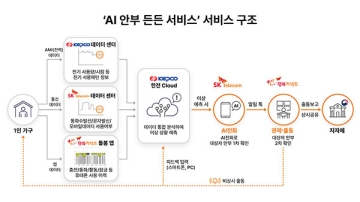
SK Telecom, Geumcheon-gu Office, Seoul Welfare Foundation, Korea Electric Power Corporation, and Happyconnect announced on the 6th that they have signed a business agreement at Geumcheon-gu Office in Seoul to provide an AI-based integrated welfare check-in service called "AI Welfare Check-in Reliable Service." SK Telecom and Geumcheon-gu Office will provide the service to approximately 200 households from this month through the end of the year.
2023.04.07by 김예지 기자
LG Uplus Launches 23 New 5G Intermediate Rate Plans
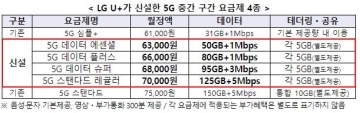
The Ministry of Science and ICT announced on the 12th that LG U+ filed a report on the 10th for the establishment of 23 types of 5G rate plans. LG U+'s report this time is seen as a response from SKT and LG U+ to the Ministry of Science and ICT's continued demand for the addition of 5G mid-range rate plans. KT is also expected to launch 5G mid-range rate plans within a short period of time.
2023.04.12by 김예지 기자
SKT, Mobile Edge Computing (MEC) Broadcasting Transmission Platform Enters US Market
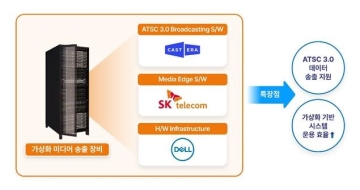
vSKT announced on the 18th that it has sold a broadcast transmission platform utilizing mobile edge computing (MEC) technology to Sinclair Broadcast Group, a U.S. media group.
2023.04.18by 김예지 기자











