


Intel Unveils 12-Qubit Quantum Computing Chip, "Tunnel Falls"; Demonstrates Leadership in Quantum Research
 Published2023.06.19 11:30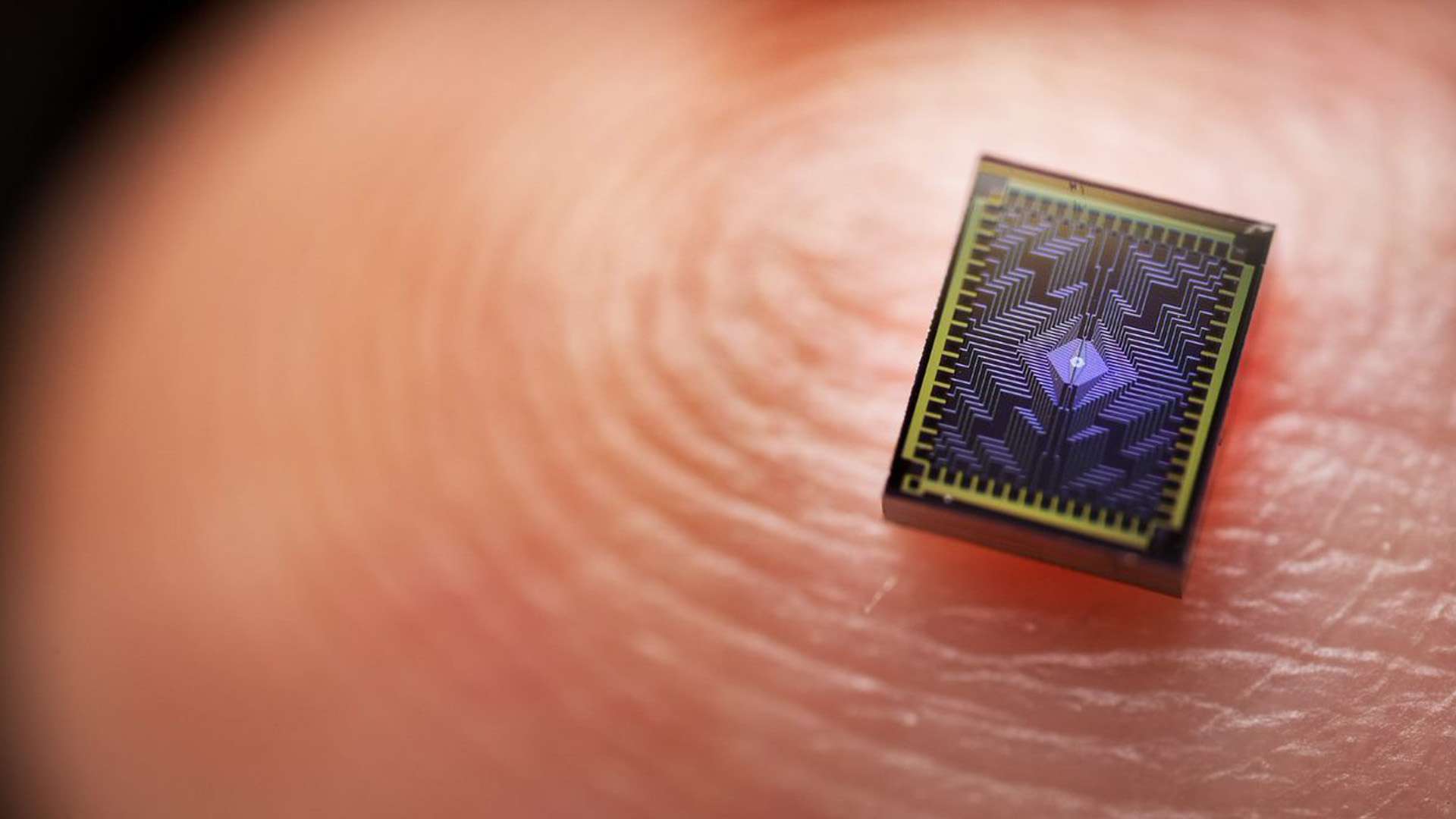
▲손가락 위에 올려둔 터널 폴스(사진:인텔)

양자 컴퓨팅이 기존 슈퍼 컴퓨터의 성능을 압도할 수 있는 양자 유용성 단계가 본격화될 조짐을 보이고 있다. 이러한 가운데 양자칩 개발과 제조에 리더십을 가진 인텔이 새로운 12큐비트 양자 연구 칩을 공개해 양자 연구 커뮤니티에 제공한다는 소식이 전해졌다.
인텔은 새로운 양자 연구 칩으로 12큐비트 실리콘 칩인 터널 폴스(Tunnel Falls)를 공개하고 양자 연구 커뮤니티에 제공한다고 19일 발표했다.
인텔은 양자 컴퓨팅 연구 발전을 위해 국가 차원의 양자 정보 과학(QIS) 연구 센터인 메릴랜드 대학교 칼리지 파크 큐비트 공동 연구소(LQC)의 물리 과학 연구소(LPS)와 협력한다고 밝혔다.
현재 학술 기관은 인텔과 같은 대량 제조 제작 장비를 보유하고 있지 않다. 연구진은 터널 폴스로 자체적으로 장치를 제작하는 시간을 절약하고 즉시 실험과 연구에 착수할 수 있다. 이를 통해 큐비트 및 양자점에 대한 기본 원리를 더 깊이 연구할 수 있으며, 다중 큐비트를 갖춘 장치로 새로운 기술 개발을 포함한 더 폭넓은 실험에 매진할 수 있다.
이를 위해 인텔은 컴퓨팅 파운드리용 큐비트(QCF) 프로그램의 일환으로 미 육군 연구소를 통해 LQC와 협업해 인텔의 새로운 양자 칩을 연구 실험실에 제공하고 있다. LQC와의 협력을 통해 연구진은 스핀 큐비트의 확장된 어레이와 함께 실제 작업 경험을 쌓을 수 있어, 실리콘 스핀 큐비트의 대중화를 이끌 것으로 전망된다. 해당 프로젝트는 인력 개발을 강화하고 새로운 양자 연구의 가능성을 열며, 전반적인 양자 생태계를 확대하는 것을 목표로 한다.
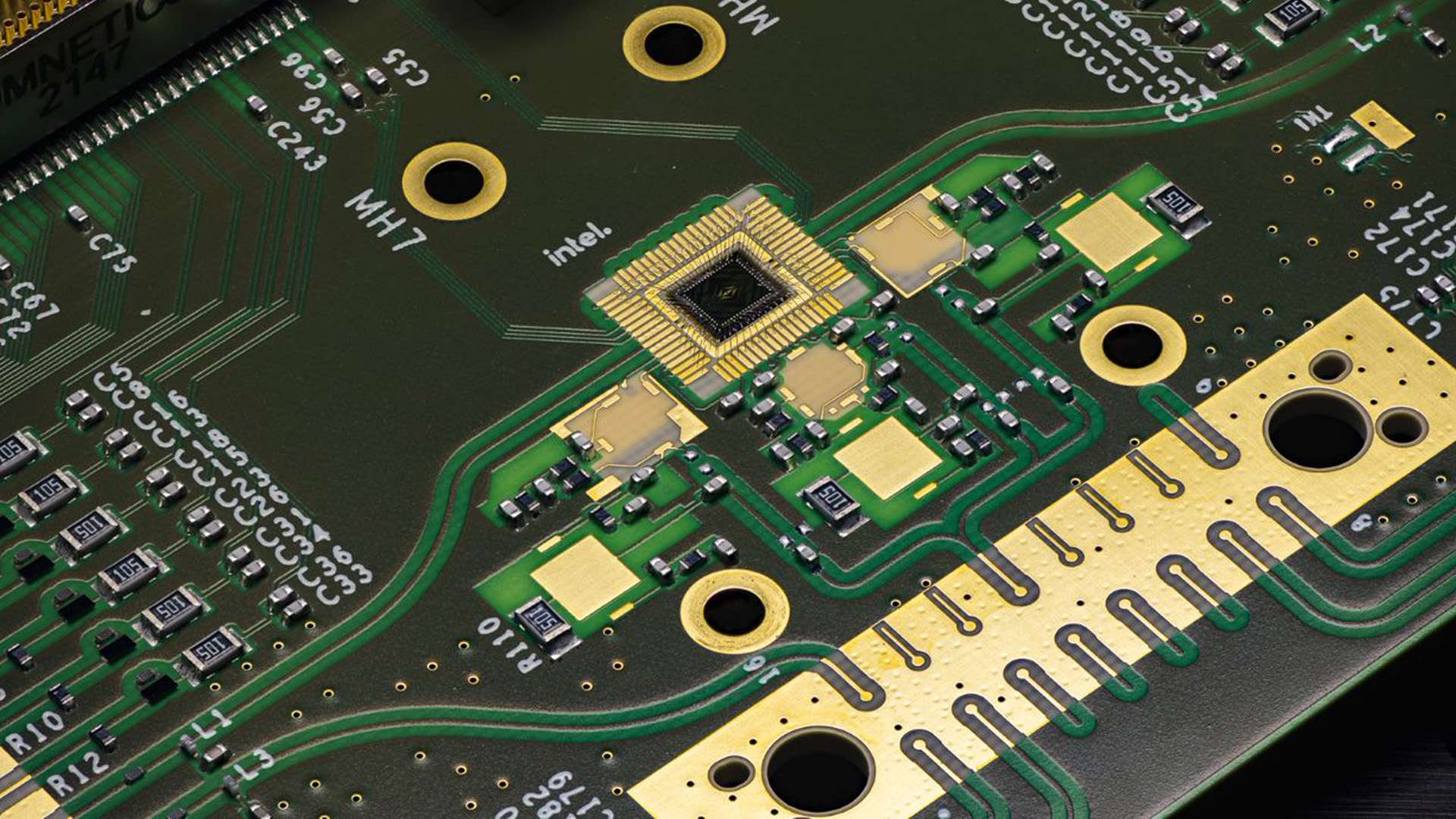
▲확대 촬영한 터널 폴스(사진:인텔)
프로그램에 참여한 최초 양자 연구소로는 △LPS △샌디아 국립 연구소 △로체스터 대학교 △위스콘신-메디슨 대학교가 있다. LQC는 인텔과 협업해 더 많은 대학과 연구소가 터널 폴스를 이용할 수 있도록 노력할 예정이다. 실험에서 수집된 정보는 커뮤니티에 공유돼 양자 연구를 발전시키고 인텔이 큐비트 성능과 확장성을 개선하는 데 도움이 될 것이다.
찰스 타한(Charles Tahan) LPS 양자 정보 과학 총괄은 “LPS 큐비트 연구소는 육군연구소과 손잡고 큐비트 개발에 직면한 어려운 과제를 해결하고 미래의 큐비트를 창조할 차세대 과학자를 육성하고자 한다”고 말했다.
드와이트 루만(Dwight Luhman) 샌디아 국립연구소 기술 담당 박사는 “터널 폴스를 통해 샌디아 양자 연구원들이 다양한 큐비트 인코딩을 직접 비교하고 이전에는 불가능했던 새로운 큐비트 작동 모드를 개발할 수 있도록 한다”며 “이러한 수준의 정교함이 다중 큐비트 체제에서 새로운 양자 연산과 알고리즘을 혁신하고 실리콘 기반 양자 시스템 학습 속도를 가속화시킨다”고 말했다.
제임스 클라크(James S. Clarke) 인텔 퀀텀 하드웨어 디렉터는 “양자 중첩이나 양자 얽힘과 같은 개념은 복잡한 문제를 해결하고 디바이스의 양자 체제를 탐구할 수 있는 새로운 가능성을 제공한다”며 “양자 컴퓨팅은 아직 상업적 활용과는 거리가 멀지만, 인텔은 이 분야를 발전시키고 연구 생태계를 구축해 발전을 가속화하기 위해 최선을 다하고 있다”고 전했다.
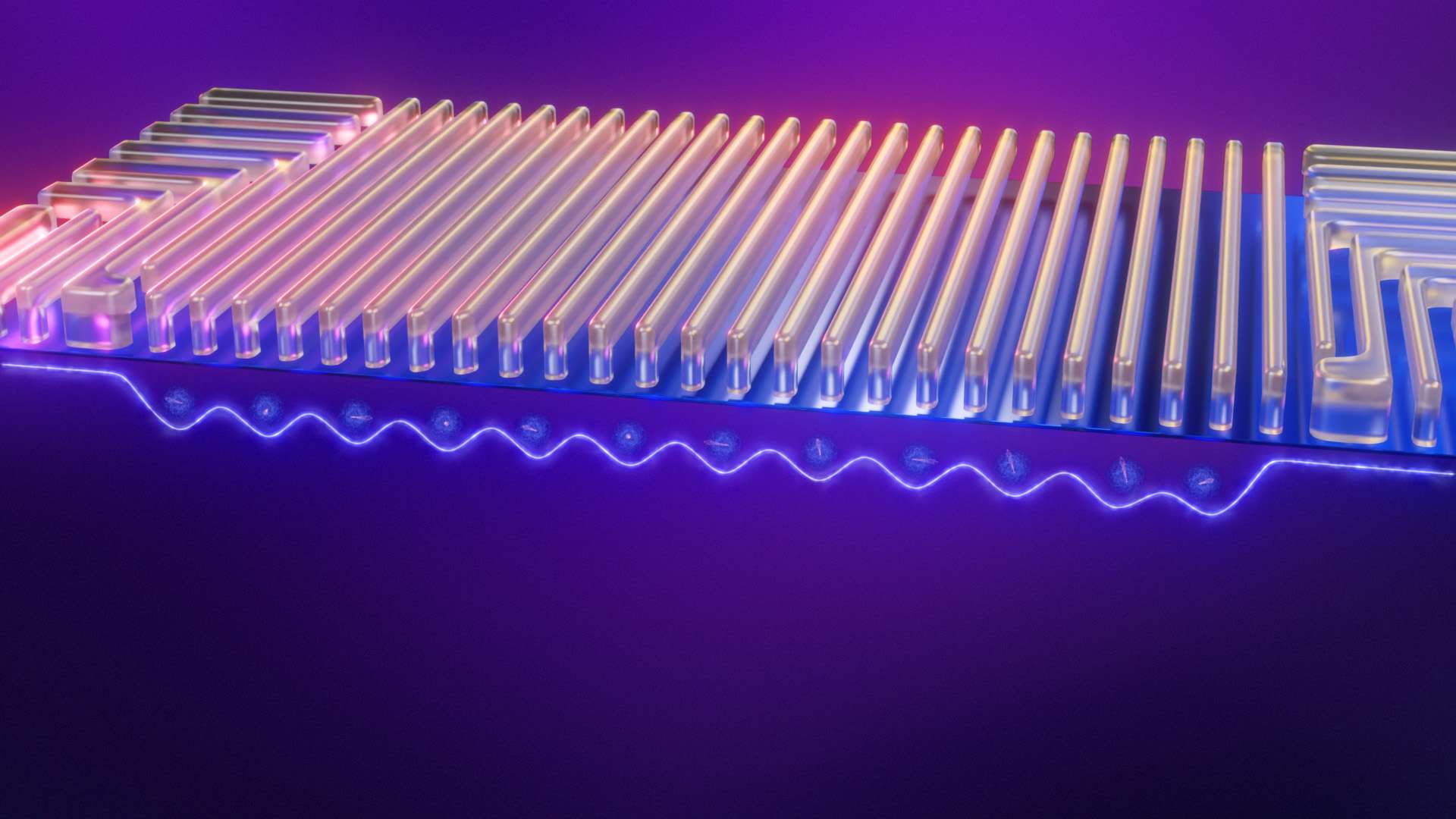
▲12 큐비트 양자점 게이트에서 도식화된 전자 이미지(이미지:인텔)
짐 클라크(Jim Clarke) 인텔 양자 하드웨어 담당 디렉터는 “터널 폴스는 인텔이 수십 년간 쌓아온 트랜지스터 설계 및 제조 전문성을 투입해 완성한 현재까지 인텔의 가장 앞선 실리콘 스핀 큐비트 칩”이라며, “인텔 장기 전략에서 터널 폴스 출시는 풀스택 상용 양자 컴퓨팅 시스템을 구축하기 위한 다음 단계이며 내결함성 양자 컴퓨터로 가는 과정에서 해결해야 할 근본적인 질문과 도전과제가 여전히 남아 있지만, 학계는 해당 기술을 탐구하고 연구 개발을 더욱 가속화할 수 있다”고 전했다.
터널 폴스는 D1 제조 시설의 300밀리미터 웨이퍼에서 제조했으며, 12큐비트 소자는 극자외선(EUV), 게이트 및 접촉 처리 기술 등 인텔의 최첨단 트랜지스터 산업 제조 역량을 활용한 것으로 알려졌다. 실리콘 스핀 큐비트에서 정보(0/1)는 단일 전자의 스핀(위/아래)에 인코딩되며 각 큐비트 장치는 본질적으로 단일 전자 트랜지스터이므로 인텔은 표준 상보형 금속 산화물 반도체(CMOS) 논리 공정 라인에서 사용되는 것과 유사한 흐름을 사용해 이를 제조할 수 있다.
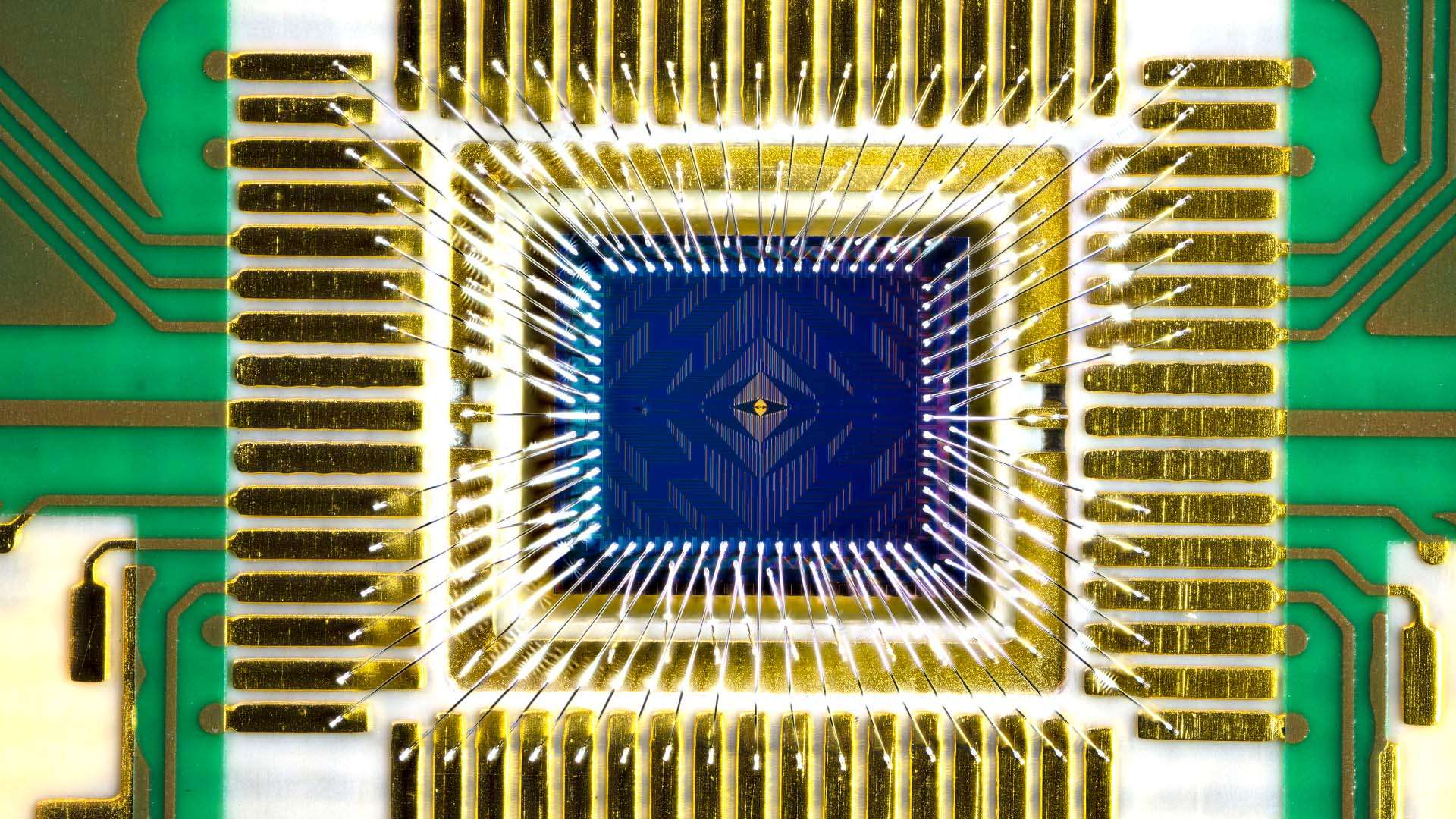
▲터널 폴스 칩 패키징(사진:인텔)
네이처 일렉트로닉스(Nature Electronics)에 따르면 “실리콘은 확장형 양자 컴퓨팅을 구현할 수 있는 가장 큰 잠재력을 가진 플랫폼일 수 있다”고 언급했다. 인텔은 실리콘 스핀 큐비트가 최첨단 트랜지스터와의 시너지 효과로 인해 다른 큐비트 기술보다 우수하다고 믿고 있으며, 트랜지스터 크기인 실리콘 스핀 큐비트는 약 50나노미터 정사각형의 다른 큐비트 유형보다 최대 백만 배 작기 때문에 효율적으로 확장할 수 있다고 전했다.
인텔이 첨단 CMOS 제조 라인을 활용하면 혁신적인 공정 제어 기술을 사용해 수율과 성능을 구현할 수 있다. 예를 들어, 터널 폴스 12큐비트 디바이스는 웨이퍼 전체에 걸쳐 95%의 수율과 CMOS 논리 공정과 유사한 전압 균일성을 제공하며, 각 웨이퍼는 24,000개 이상의 퀀텀닷 디바이스를 제공한다. 이러한 12-도트 칩은 대학이나 연구소의 시스템 운영 방식에 따라 4~12개의 큐비트를 형성할 수 있으며, 이를 분리해 동시에 연산에 사용할 수 있다.
인텔은 터널 폴스의 성능을 개선하고 인텔 퀀텀 소프트웨어 개발 키트(SDK)를 통해 전체 퀀텀 스택에 통합하기 위한 노력을 가하고 있다. 인텔은 터널 폴스를 기반으로 한 차세대 양자 칩을 개발 중이며 2024년에 공개할 예정이라고 전하며 양자 생태계에 박차를 가하고 있다.

Comments
Related news
[Planning] Quantum Computer Era, Fierce Security Market
As concerns grow that quantum computers could render modern cryptographic systems in information and communication technology vulnerable, a new market is opening up in cybersecurity. Competition among nations to secure a leading position in developing cryptographic systems resistant to quantum computer attacks is intensifying.
2023.01.09by 명세환 기자

Oxford Quantum Circuit 'Quantum Computer' Built at Equinix Data Center
Quantum computers as a service are being built in data centers, with announcements indicating supply as enterprise solutions.
2023.03.20by 명세환 기자

IBM's quantum computer demonstrates performance surpassing that of existing supercomputers.
Quantum computers are beginning to enter in earnest the "quantum utility stage," a point where they provide the performance and utility to be used as a scientific tool for exploring new scales of problems that cannot be solved with existing systems.
2023.06.15by 명세환 기자
Intel Unveils Next-Generation 'Core Ultra Series 3' and vPro Platform for Enterprise PCs
Intel has officially unveiled the "Intel Core Ultra Series 3" for next-generation enterprise PCs and the latest vPro platform, addressing a wide range of demands from enterprise notebooks to high-performance workstations.
2026.03.26by 배종인 기자
ROHM Launches ESD Protection Diode Compatible with High-Speed Interfaces of 10Gbps or Higher
Semiconductor specialist ROHM has developed the 'RESDxVx series' of ESD (electrostatic discharge) protection diodes capable of responding to next-generation high-speed data communication environments exceeding 10Gbps, simultaneously enhancing both signal quality maintenance required in high-speed interfaces and IC protection performance.
2026.03.26by 배종인 기자











