



[Interview] Kim Jong-hoon, CEO of EMC Doctors, “EMC, Focus on Low-Frequency Magnetic Fields”
 Published2023.07.04 16:59
최근 무선전력전송·오토모티브서 수요↑
EMC KOREA 2023 개최, ‘반도체·우주’ 강조
[편집자주] EMC(Electromagnetic Compatibility, 전자파 적합성)를 비롯한 SI/PI 등의 관련 전문가들로 구성된 한국전자파학회 EMC기술연구회서는 매년 EMC 기술을 교류하고 기술 확산에 기여하고 있다. 최근 자동차의 전장화 추세와 더불어 소형화 및 고집적·고전력 제품의 증가로 EMI·EMC 측면에서 해결해야 할 문제들이 점차 증가하고 있는 가운데 EMC기술연구회의 연례행사인 EMC KOREA 2023가 개최를 앞두고 있다.
이에 김종훈 이엠씨닥터스㈜ 대표이자 한국전자파학회 EMC기술연구회 위원장를 만나 EMC 대책 설계에 관한 이야기와 연구회 활동들에 대해 이야기를 나눠봤다.
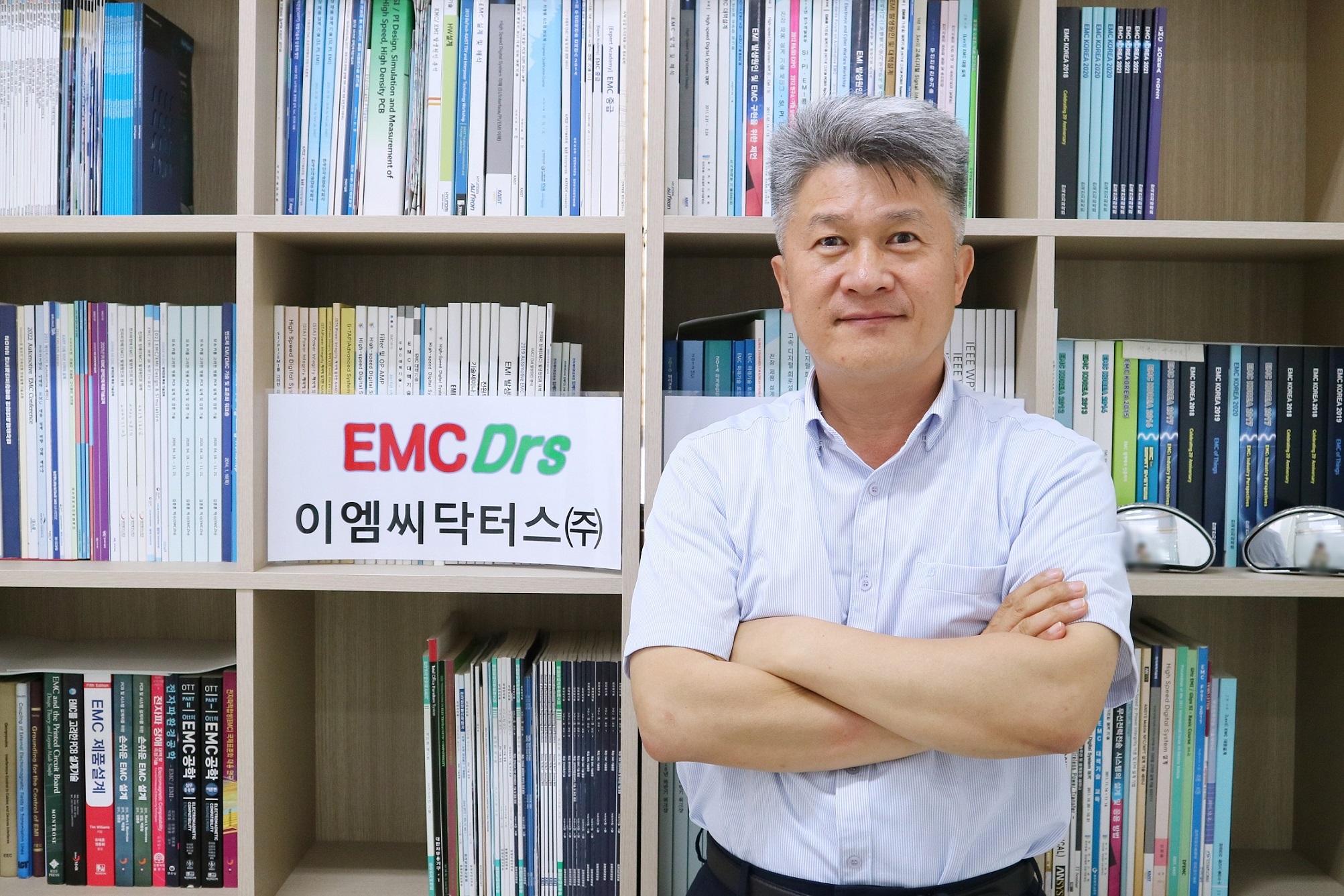
▲김종훈 이엠씨닥터스㈜ 대표 겸 한국전자파학회 EMC기술연구회 위원장
■ EMC 전문가로 활동하고 계신다. 활동 이력에 대해 간단히 소개 부탁드린다
1996년부터 EMI/EMC/SI/PI 기술을 연구했다. 당시만 해도 EMI/EMC로 석박사 학위 논문 연구를 하는 사람이 거의 없었지만 제겐 매우 흥미로운 기술로 느껴져 처음 이 분야의 연구를 시작하게 됐다.
박사 학위 취득 후 삼성전자 메모리 모듈 개발 및 표준화 활동을 했으며, 한국과학기술원(KAIST) 미래자동차학제전공 연구교수로 일했다.
2017년, 현재 운영 중인 이엠씨닥터스㈜를 창업해 EMI/EMC/SI/PI 기술 개발과 확산을 위해 활동 중에 있다.
■ 제품 개발에서 EMI/EMC 설계가 점점 더 복잡해지고 중요해지고 있는데 이유가 무엇인가
소비자들은 점점 더 다기능에 성능이 좋은 제품을 원하며 이러한 제품 구현에는 반도체의 연산량과 동작 속도 증가가 필연적이다. 전자 제품의 동작 속도 증가에 따른 동작 주파수 증가는 EMI/EMC 중요성을 높인다. 이는 전자파 방사 및 내성이 주파수에 비례해 증가하기 때문이다.
최근 저주파 자기장 이슈가 크게 주목받고 있는데 이는 제품의 소형화 및 대전력화에 비롯된 케이스가 많다. USB 3.0 및 USB-C타입 등 차세대 규격이 나오고, 이와 같은 고전력에 고집적화 제품에서 EMI/EMC 문제가 많이 야기된다.
특히 근래엔 무선전력전송(WPT) 기술 발전 과정에서 부각되는 사례들도 나타나고 있다. WPT 분야 부각에 따른 EMF분야 주목도도 함께 높아지게 됐다. KAIST 김정호 교수가 초기 연구를 많이 진행했으며, 최근에는 KAIST 안승영 교수가 활발한 국내외 연구 개발 및 학술 활동을 펼치고 있다.
단기적으로 EMI/EMC 설계는 자동차 전장 모듈 산업 분야서 수요가 급증하고 있다. 이쪽으로 제품 종류도 많고, 설계자도 많으며, EMC 인증 또한 쉽지 않기 때문이다.
■ 교육과 솔루션 지원을 통한 일선 현장에서 다양한 EMI/EMC 문제와 맞닥뜨리고 있을 텐데, 어떤 유형의 케이스가 가장 많은가
다양한 사례를 접한다. 오토모티브 전장 부품을 비롯한 △반도체 테스트 장비 △일반 백색 가전 △항공/우주/국방 등 다양한다. 대체로 고신뢰성·고성능 제품이거나 초고속 신호 전송이 필요한 제품이 많다.
저가의 일반 전자 제품 개발의 경우 현장에선 상대적으로 낮은 비용으로 신규 개발 과제를 수행해야 하기 때문에 고가의 EMI/EMC 기술을 적용하기 부담스러운 면이 있다. 이에 EMC 설계 기술 교육을 통해 현업에 종사하는 개발자들의 EMI/EMC 역량 강화를 지원하고 있다.
■ EMC 대책설계에서 RE 발생과 축소 기술의 핵심 관리 변수에는 무엇이 있나
3가지 핵심 관리 변수에는 △루프 면적(Loop Area) 축소 △전도체 길이(Conductor Length) 제거 혹은 축소 △공진(Resonance) 회피가 있다.
루프 면적은 신호선 혹은 전원선과 해당 귀환 경로에 의해 형성되는 전류에 의한 루프를 의미한다. 요즘은 자주 별 수 없지만, 과거 텔레비전에 달린 동그란 UHF 안테나와 매우 흡사하다. 이러한 동그란 안테나의 면적을 루프 면적이라고 한다. 설계 단계에서 루프 면적이 축소되는 방향으로 선택한다면 EMI 저감 방향이라고 할 수 있다.
전도체 길이는 TV 뒤에 달려 있는 막대 형태의 V자 다이폴 안테나 길이를 의미한다. 막대 형태의 전도체를 제거하거나 가능한 축소시키는 방향이면 EMI 저감 설계가 가능하다. 설계단계에서 선택 시 해당 선택으로 인해 전도체 길이가 줄어 드는 방향인가를 확인해가며 설계 업무를 진행하는 것을 추천한다.
공진 회피는 설계 단계에서 어느 정도 예상할 수 있으며, 전자기 시뮬레이션을 할 수도 있다. 다만 대체로 일반적인 설계자가 판단하기는 쉽지 않은 기술이다.
그래서 초기 제품(Prototype)을 설계하고 난 후에 공진 현상이 관찰되면, 공진 현상을 제거하는 방향으로 접근하는 것이 현실적이다.
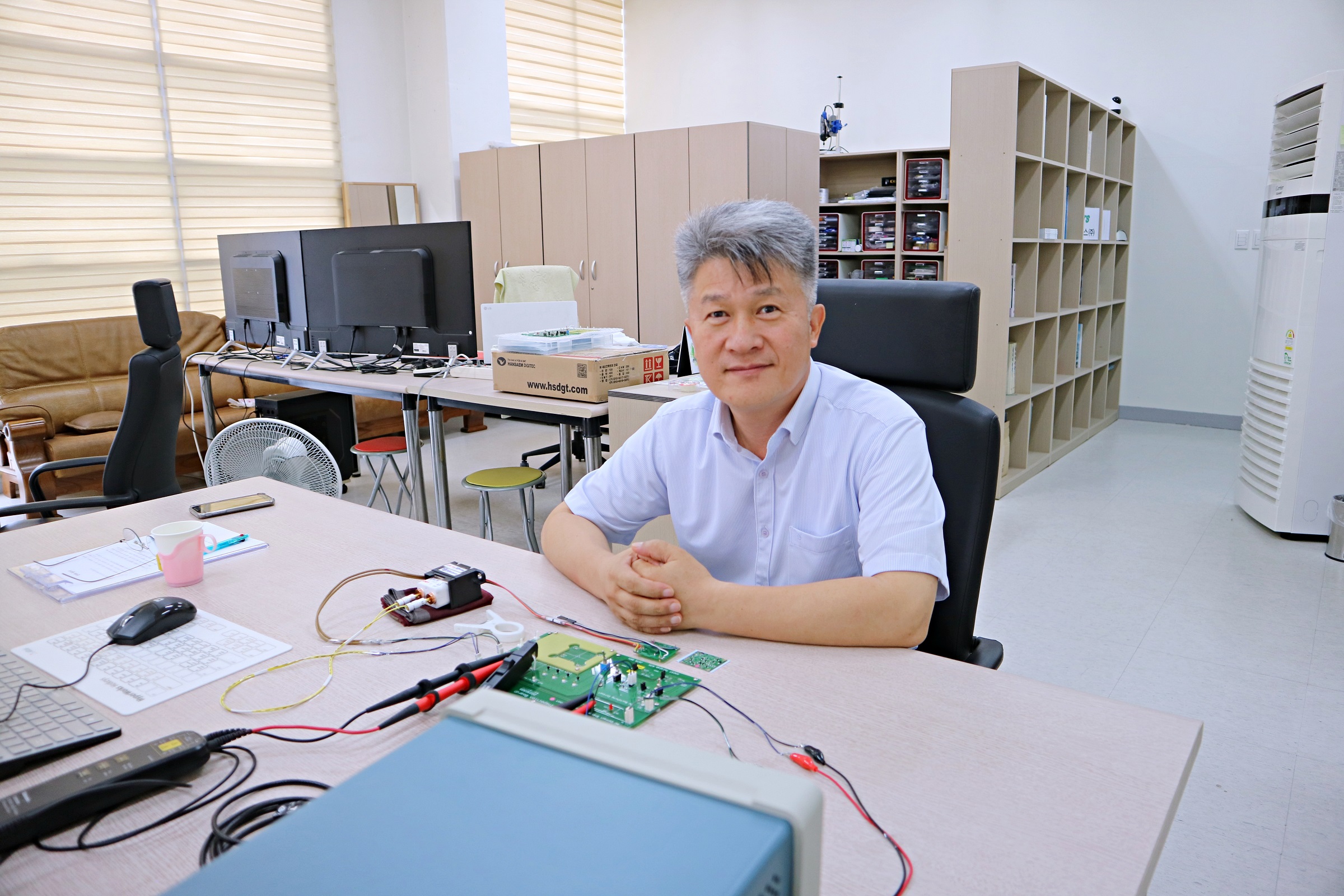
▲김종훈 대표가 개발·연구 활동을 하는 사무실 공간에서의 모습
■ 올해부터 한국전자파학회 EMC기술연구회 위원장직을 맡아 이끌고 계신다. 기술연구회 소개와 성과에 대해 소개 부탁드린다
EMC기술연구회는 1989년 한국전자파학회(KIEES) 창립과 그 역사를 함께한다고 할 수 있다. 전자파학회 핵심 관심 분야가 EMI/EMC였으며 학회지 1~3호 논문도 EMI/EMC 관련 주제를 다뤘다.
이후 전자파 기술이 추가되면서 학회 규모가 증가했으며, EMC기술연구회라는 이름으로 2006년부터 시작해 올해 17년차를 맞이했다.
EMC기술연구회의 가장 주요한 성과로는 기술 교류를 손꼽을 수 있다. 폐쇄적인 업계 특성상 구심점 없이는 기술 교류가 발생하기 어려운 면이 있다. 다만 공개할 수 있는 부분에 한해 기술 인사이트를 공유하고 해법 모색을 함께 했을 때 기술과 산업이 함께 발전할 수 있다고 본다.
이에 EMC기술연구회는 EMC Korea를 주최하며 연구회 수준을 뛰어넘는 규모의 EMC 세미나와 전시회를 진행해 관련 학계 및 산업계 발전을 지원하고 있다.
더불어 EMI/EMC/SI/PI 관련 차세대 인재 육성에 관심을 갖고 있으며 EMC 장학금 수여 등 지원 프로그램을 운영하고 있다. EMC 신진 연구자 양성과 영입에 노력하고 있다.
■ 곧 있을 7월 13일 EMC KOREA 2023이 개최한다. 주목할 만한 세션과 아젠다를 추천한다면
이번에 주목할 만한 발표 주제는 반도체와 항공/우주/국방이다. 특히 EMC 대책 설계 기술을 강조하고 있으니, 제품 설계자분들께 유익한 시간이 될 것으로 확신한다.
최근 반도체 패키지가 이슈화되는 가운데 강사윤 한국마이크로전자 및 패키징학회(KMEPS) 회장을 초청해 강연 세션을 마련했다. 기존 공정과 소재 영역의 패키징이 근래엔 설계 공정까지 맞물리기 시작했다. 이에 우리쪽도 KMEPS에 가입해 협업을 도모하고 있다.
항공/우주/국방 분야는 보안 문제로 대외적으로 발표할 수 없는 부분들이 많다. 베일에 쌓인 기술 가운데 공개할 수 있는 부분에 한해 발표하며, 이를 통해 관련 기술 개발을 촉진하고 인사이트를 제공할 수 있도록 자리를 마련했다.
■ e4ds news 독자 여러분께 마지막으로 한 말씀 부탁드린다
EMI/EMC 기술은 전자 제품이 존재하는 동안에는 지속적으로 필요한 기술이다. EMC 대책 설계 (EMC Design) 기술을 통해, 개발하시는 전자 제품의 차별화를 도모하길 기원한다.
감사합니다.
한편, EMC기술연구회가 주최하는 EMC KOREA 2023이 오는 7월 13일 강남역 한국과학기술회관 1관에서 개최한다. 강사윤 KMEPS 학회장의 초청강연을 비롯한 △반도체 △우주국방 △가전/모바일 △자동차/산업 별 기술 세션이 진행되며, △삼성전자 △SK하이닉스 △항공우주연구원 △LIG 넥스원 △LG전자 △현대자동차 △한국자동차연구원 △UNIST 등 산·학·연 전반의 EMC 전문가들이 총집합해 애플리케이션별 EMI/EMC 발표를 진행할 예정이다.

Comments
Related news
"Artwork Engineers Must Consider EMC in Design Cue"
The HCT Automotive Seminar, which had been suspended for the past two years due to the spread of COVID-19, was held again this year and successfully concluded with enthusiastic responses from automotive engineers, featuring presentations on automotive electrical component certification trends and EMC solutions.
2022.09.01by 명세환 기자
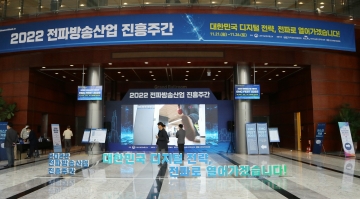
EMC FEST, the leader in sharing the latest EMC technologies and standards
Electromagnetic compatibility (EMC) has emerged as a critical issue for system safety due to vehicle electrification, the proliferation of next-generation communication and IoT technologies. As noise reduction and immunity requirements continue to intensify during the design phase, a recent forum sharing the latest trends, information, and developments in EMI·EMC technology, industry, and standardization attracted strong response from related industry stakeholders.
2022.11.23by 명세환 기자
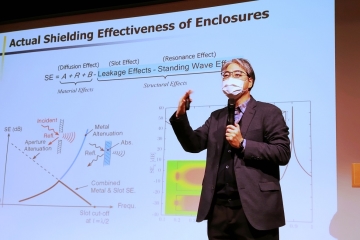
EMC Latest Trends 'e4ds Analog Day' Successfully Concluded
With innovations in advanced semiconductor technology and the development of next-generation communication technologies, the integration of electronic components into products is increasing. As new technologies such as electric vehicles and wireless charging mature, electromagnetic noise issues are intensifying, making EMI and EMC countermeasure design urgent.
2022.12.12by 명세환 기자
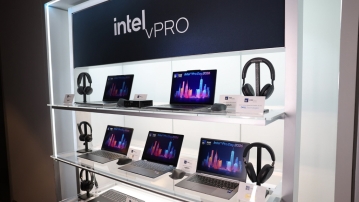
Intel Unveils Next-Generation 'Core Ultra Series 3' and vPro Platform for Enterprise PCs
Intel has officially unveiled the "Intel Core Ultra Series 3" for next-generation enterprise PCs and the latest vPro platform, addressing a wide range of demands from enterprise notebooks to high-performance workstations.
2026.03.26by 배종인 기자
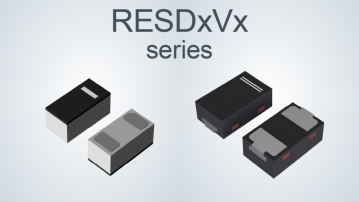
ROHM Launches ESD Protection Diode Compatible with High-Speed Interfaces of 10Gbps or Higher
Semiconductor specialist ROHM has developed the 'RESDxVx series' of ESD (electrostatic discharge) protection diodes capable of responding to next-generation high-speed data communication environments exceeding 10Gbps, simultaneously enhancing both signal quality maintenance required in high-speed interfaces and IC protection performance.
2026.03.26by 배종인 기자











