


Full-scale expansion of the 4th mobile carrier and budget phone service
 Published2023.07.07 14:27
도매제공 의무 상설화·도매대가 산정방식 개선
단말기·요금제·사업자 요금제 선택권 확대
과기부가 제4통신사업자의 진입을 적극 지원하고, 알뜰폰 사업자 성장을 지원함으로써 통신시장 경쟁을 촉진한다.
과기부는 6일 미래 통신시장의 지속 발전과 국민의 통신비 부담 완화를 위한 ‘통신시장 경쟁촉진 방안’을 6일 발표했다고 밝혔다.
이번 방안의 주요 골자는 △통신시장 경쟁구조 개선 △경쟁 활성화를 통한 국민 편익 제고 △유무선 통신 인프라 투자 활성화 등이다.
정부는 신규 통신사업자에게 28GHz, 700MHz, 1.8GHz 대역 주파수를 할당하고, 진입장벽을 개선한다. 알뜰폰 사업자에 대해 도매제공 의무제도 상설화 및 도매대가 산정방식을 개선한다. 궁극적으로는 이용자의 편익을 위해 요금제 선택권, 단말기 지원금, 인프라 투자 등도 확대한다.
■ 신규 통신사업자 발굴 ‘적극’
우선 정부는 제4통신사업자 진입을 지원하기 위한 당근을 많이 내놓은 것으로 보인다. 신규 사업자에게 28GHz 대역 전용주파수(3년)와 700MHz 또는 1.8GHz 대역의 앵커주파수를 할당한다. 앵커주파수는 11일 공개토론회를 통해 확정된다.
정부는 이후 전국망 구축을 위한 3.7GHz 중저대역 주파수를 공급하겠다는 카드도 내놓았다. 주파수 이용기간은 할당대가 부담 완화, 6G 상용화 일정(28~30년)을 고려해 5년으로 추진한다.
초기 시장 진입 시 부담도 대폭 완화한다. 최저경쟁가격을 산정해 망 구축 의무를 부과하고, 할당대가 납부방식도 기존 균등 분납에서 점증 분납으로 개선해 초기 진입 부담을 덜겠다고 말했다.
진입 이후 시장진입 시, 서비스 제공에서 자사 네트워크 미구축 지역에서 타사 네트워크를 로밍할 수 있게 하며, 정책금융·세액공제·단말유통 등의 혜택도 제공한다는 계획이다.
그러나 정부는 외국인 참여도 촉진하기 위한 제도개선도 추진할 만큼 제4이통사 발굴에 ‘진심’이지만, 업계는 여전히 주춤하는 분위기다. 이통3사도 손을 놓은 마당에 당장 수익성 보장이 되지 않은 어려운 길은 쉽게 선택할 수 있는 문제가 아닌 탓이다.
한 업계 관계자는 “대기업이 아닌 중소 이통사는 재정적인 측면에서 많은 어려움을 겪을 수밖에 없다. 당장 초기 부담이 완화돼도 사업을 한번 시작한 후 가입자가 몰릴수록 사업 규모가 커지며 비용 부담은 지속적일 것이므로, 장기적인 시선으로 봐야 한다”고 말했다.
■ ‘경쟁력 있는’ 알뜰폰 사업자 지원

▲알뜰폰 요금제 경쟁력 강화
제4이통사만큼 알뜰폰 사업자 지원 방안도 마련됐다.
정부는 알뜰폰 사업자가 장기적 관점에서 설비 등에 투자하여 성장할 수 있도록 △현재 유효기간 만료로 일몰 상태인 도매제공 의무제도를 상설화 하고, △도매대가 산정방식도 다양화하겠다고 밝혔다. 향후 도매제공 의무사업자를 현재 SKT에서 통신3사로 확대하는 방안도 검토된다.
또한 5G 요금제에 대한 알뜰폰 도매대가 인하 등을 협의해 다양한 5G 요금제 출시를 독려한다. △데이터 대량 선구매 시 할인폭 확대 △알뜰폰 이미지 개선 등도 추진된다.
이통3사 자회사의 알뜰폰 시장 점유율 집계 규제도 개선한다. 현재 이통사 알뜰폰 자회사의 점유율이 50%를 넘지 못하도록 돼 있지만, 완성차 등 회선을 포함해 산정돼 포함하고 있어 정확한 집계가 어려웠다. 정부는 완성차 회선을 제외하고 50% 점유율 초과 금지로 검토한다.
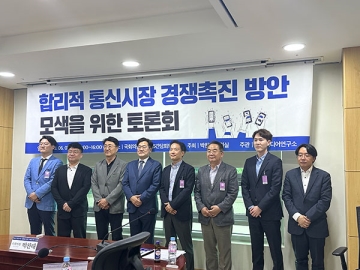
이는 지난 6월 박찬대 의원 주최 ‘합리적 통신시장 경쟁촉진 방안 모색을 위한 토론회’에서 나온 5G 도매대가 인하 등의 주장에 대한 해결책이 일부 마련된 것으로 보인다.
공공미디어연구소 박상호 연구실장은 “제4이통사업자 도입보다 알뜰폰 사업자를 키우는 것이 비용 부담이 덜하다”며, △5G 중·저가 요금제 도매대가 인하 △알뜰폰 의무 기간 연장 및 유지 △도매대가 산정방식 개선 △전파 사용료 인하 등을 제안한 바 있다. 장기적으로는 '풀MVNO(Full MVNO)' 육성을 통한 소비자 선택 중심의 제도 개선을 촉구했다.
토론회에서 나온 풀MVNO를 육성하자는 주장에 어느 정도 힘을 보탠 셈이다. 알뜰폰 사업자가 단순 재판매에 그치지 않고 기술 서비스를 혁신하기 위해 풀FVMO 사업자 육성에 대한 필요성은 꾸준히 제기되고 있다. 이제 알뜰폰 사업자가 장기적 관점에서 실제 설비를 위해 투자에 관심을 보일 것인지가 관건이다.
■ 소비자 중심 요금 경쟁 촉진
▲유·무선 통신 인프라 고도화
궁극적으로 이통3사의 독과점화를 해결하고, 이용자 단말기·요금제·사업자 선택권이 확대된다.
이를 위해 이용자 선택권 확대, 합리적 요금제 선택 지원 등 방안이 마련된다. 그 동안 5G 요금제가 유명무실했다는 이용자들의 의견이 반영될 것으로 기대된다.
이통3사와 이용 패턴에 적합한 실질적인 5G 요금체계로 개선한다. 이용자가 단말에 상관없이 LTE, 5G 요금제 선택을 자유롭게 하도록 개선한다. 통신사는 이용자의 이용패턴 등을 분석하여 개별 이용자에게 연 2회 최적요금제를 고지하게 된다.
이용자들의 통신비용 부담도 덜어진다. 단말 구입부담을 완화하도록 유통망의 단말기 추가지원금 한도를 공시지원금의 15%→30%로 상향을 추진한다. 제조사들과 다양한 중저가 단말의 출시도 협의한다. 초고속인터넷의 약정기간 후반부 위약금을 대폭 인하하고, 이동전화 선택약정 할인제도가 2년->1년+1년 구조로 운영된다. 향후 소비자는 통신서비스 품질평가에 참여하고, 측정 데이터 등을 공유받아 다양하게 활용할 수 있을 것으로 기대된다.
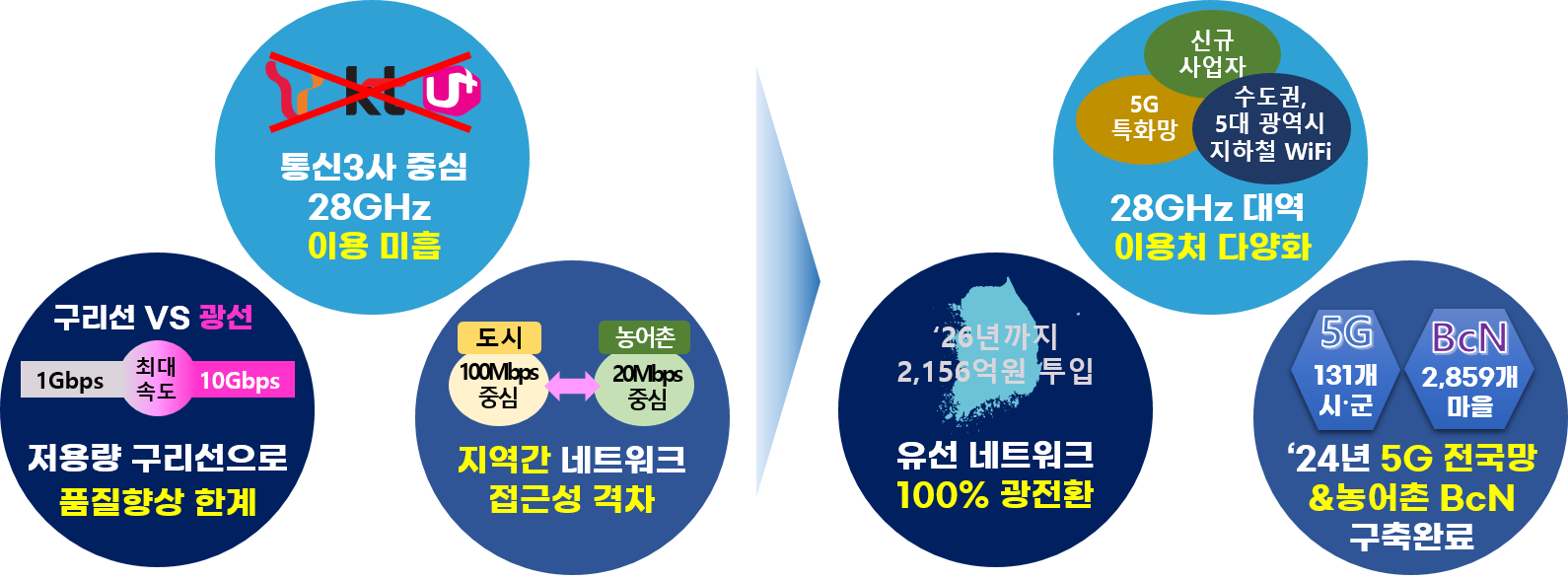
마지막으로 정부는 유무선 통신 인프라 투자를 활성화하겠다고 전했다. 5G 인프라 및 2028~2030년 상용화를 목표로 하는 6G 통신 네트워크를 대비해 핵심 기술 확보에 나선다.
여기에는 △24년 1분기까지 5G 전국망을 조속히 구축 △지하철, 산업용(이음5G), 신규社 등 28GHz 대역 이용처 확장 △26년까지 100% 광케이블 전환 △6G 원천기술 연구 및 상용화 기술 개발 병행 등이 포함된다.
과기정통부 이종호 장관은 “통신시장 경쟁촉진 방안은 향후 통신정책의 로드맵으로서, 그간 통신시장의 고착화된 경쟁에서 벗어나 근본적인 경쟁환경 개선을 위해 각계의 전문가의 목소리를 반영하여 마련한 것”이며, “최근 5G 중간요금제 다양화, 알뜰폰 시장규모 확대 등 소기의 성과가 있었으나, 이에 머물지 않고 근본적인 통신시장의 경쟁구조를 개선하고 시장 전반의 경쟁이 활성화되어 국민에게 편익이 돌아갈 수 있도록 속도감 있게 추진하겠다”고 밝혔다.
Comments
Related news
SKT, 5G 28GHz final allocation cancellation… subway Wi-Fi exception
The Ministry of Science and ICT has finalized the contents of its disposition regarding the revocation of 5th Generation (5G) 28 GHz frequency allocation to SKT, following the completion of the opinion hearing procedure under the Administrative Procedures Act.
2023.05.31by 김예지 기자
ETRI Achieves Excellent Results in 5G Small Cell SW
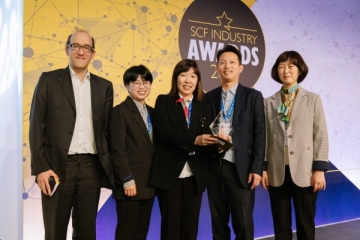
The Ministry of Science and ICT held a meeting to review research and development (R&D) achievements in the telecommunications network field on the 2nd, encouraging award winners who received the best technology award for 5G Small Cell software (SW) together with related organizations including the Information and Communications Planning and Evaluation Institute (IITP).
2023.06.05by 김예지 기자
“Must Promote Competition in Telecom Market and Foster Budget Phones… 5G Wholesale Price Reduction is Essential”
A forum titled "Seeking Measures to Promote Rational Telecommunications Market Competition" was held on the 7th at Conference Room 5 of the National Assembly Members' Building, hosted by Rep. Park Chan-dae and organized by the Public Media Research Institute. Experts from various sectors explored ways to promote competition in the domestic telecommunications market, which is monopolized by the three major telecom carriers. Park Sang-ho, Director of Research at the Public Media Research Institute, stated, "MVNOs were launched with the aim of reducing household telecommunications costs and activating competition in the telecommunications market, but have yet to move beyond a supplier-focused policy framework." He argued that "rather than introducing a fourth telecom operator, measures should be established to enable MVNO operators to secure competitiveness, and in the long term, institutional improvements centered on consumer choice through Full MVNO development are urgently needed."
2023.06.08by 김예지 기자
6G New Frequency Upper-mid Band Emerges
On the 8th, the Korea Electromagnetic Engineering Society held a radio policy and new technology workshop at the Korea Federation of Small and Medium Enterprises headquarters in Yeouido and presented on the theme of '5G+/6G Hyper-space Communication Policy and New Technology.' The government is establishing a vision for realizing a model nation in next-generation networks and accelerating efforts to lead in 6G. The Upper-mid band is becoming a viable alternative frequency for 6G.
2023.06.14by 김예지 기자
Phase 2 Commercialization of Rural 5G Shared Use Begins
The three major telecommunications companies have begun the second phase of commercial deployment of fifth-generation mobile communications (5G) shared network (roaming) services in certain rural and fishing areas.
2023.06.20by 배종인 기자











