


Jensen Huang: "The Age of Generative AI Has Arrived"
 Published2023.08.10 14:25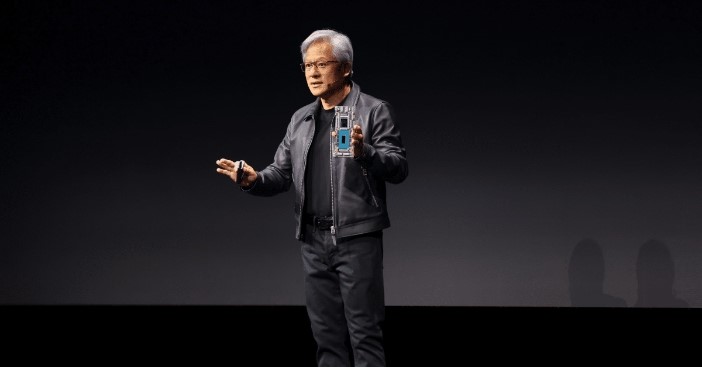
▲시그래프에서 기조연설 중인 엔비디아 창립자 겸 CEO 젠슨 황(사진:엔비디아)

“아이폰의 순간(iPhone moment)이라고 칭할 수 있는 ‘생성형 AI의 시대’가 다가오고 있다”
엔비디아 창립자 겸 CEO인 젠슨 황(Jensen Huang)이 로스앤젤레스에서 열린 세계적인 컴퓨터 그래픽 콘퍼런스인 시그래프(SIGGRAPH)에서 한 말이다.
8일 밤 12시(한국 시간)에 진행된 시그래프 기조연설에서 젠슨 황 CEO는 차세대 GH200 그레이스 호퍼 슈퍼칩(Grace Hopper Superchip) 플랫폼과 엔비디아 AI 플랫폼에서 모델 튜닝과 배포를 간소화하는 새로운 통합 툴킷인 엔비디아 AI 워크벤치(NVIDIA AI Workbench), 생성형 AI와 오픈USD(OpenUSD)를 포함한 엔비디아 옴니버스(Omniverse)의 대대적인 업그레이드 등을 발표했다.
젠슨 황은 “그래픽과 AI는 서로 떼어놓고 볼 수 없으며 그래픽은 AI를 필요로 하고 AI는 그래픽을 필요로 한다”며 “AI는 가상 세계에서 기술을 학습하는 동시에 가상 세계 생성을 지원할 것”이라고 말했다.
■ AI의 기반, 실시간 그래픽
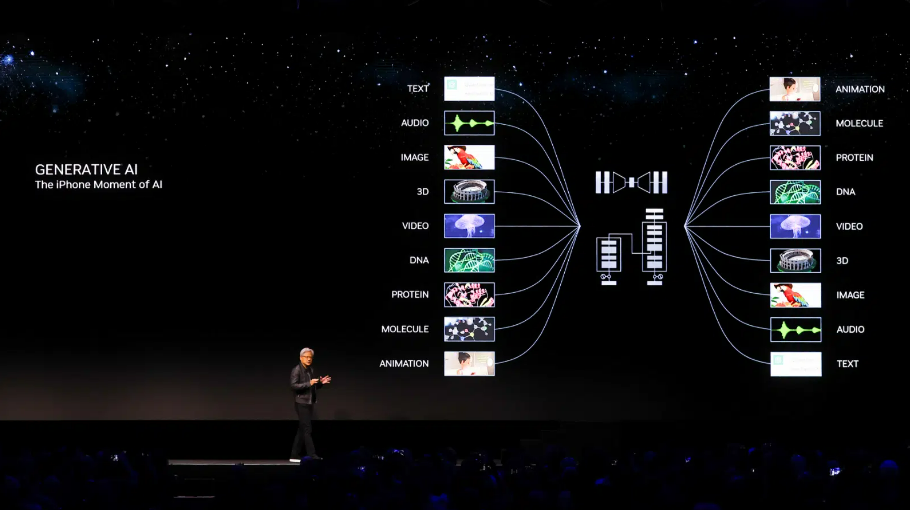
▲시그래프에서 기조연설 중인 엔비디아 창립자 겸 CEO 젠슨 황(사진:엔비디아)
5년 전 시그래프에서 엔비디아는 GPU에 AI와 실시간 레이 트레이싱(ray tracing)을 도입해 그래픽을 재창조했다. 젠슨 황은 이에 대해 “우리는 AI로 컴퓨터 그래픽을 재창조하는 한편, AI를 겨냥한 GPU를 완전히 새롭게 만들고 있었다”고 말했다.
그 결과, 8개의 GPU와 총 1조 개의 트랜지스터를 활용해 CPU 기반 시스템보다 획기적인 가속을 제공하는 엔비디아 HGX H100과 같은 점점 더 강력한 시스템이 등장했다.
엔비디아는 AI의 모멘텀을 이어가기 위해 72코어 그레이스 CPU와 호퍼 GPU를 결합한 그레이스 호퍼 슈퍼칩인 엔비디아 GH200을 개발했으며, 5월부터 본격적인 생산에 들어갔다.
젠슨 황은 “이미 생산 중인 엔비디아 GH200은 최첨단 HBM3e 메모리를 탑재한 추가 버전으로 보완될 것”이라고 발표했다.
이어서 그는 차세대 GH200 그레이스 호퍼 슈퍼칩 플랫폼을 발표했다. 해당 플랫폼은 여러 GPU를 연결해 뛰어난 성능과 손쉬운 확장이 가능한 서버 설계 지원한다. 새로운 플랫폼은 대규모 언어 모델, 추천 시스템, 벡터 데이터베이스를 아우르는 세계에서 가장 복잡한 생성 워크로드를 처리하도록 설계됐으며, 다양한 구성으로 제공될 예정이다.
현 세대 제품보다 최대 3.5배 더 많은 메모리 용량과 3배 더 많은 대역폭을 제공하는 듀얼 구성은 144개의 암 네오버스(Arm Neoverse) 코어, 8페타플롭의 AI 성능, 282GB의 최신 HBM3e 메모리 기술을 갖춘 단일 서버로 구성된다.
주요 시스템 제조업체는 2024년 2분기에 이 플랫폼을 기반으로 한 시스템을 제공할 예정이다.
■ 엔비디아 AI 워크벤치, 맞춤형 생성AI 채택 가속화
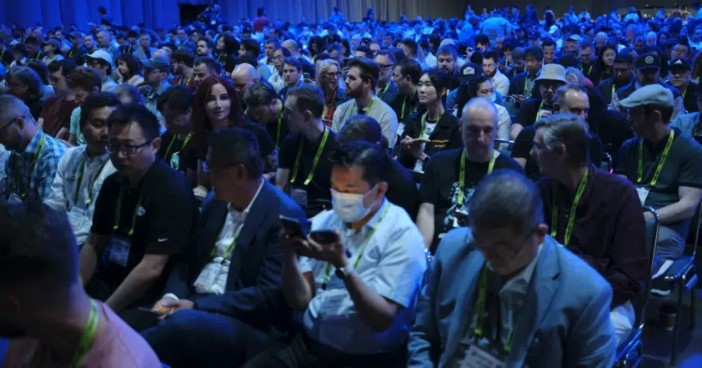
▲시그래프에서 진행된 엔비디아 창립자 겸 CEO 젠슨 황 기조연설에 참석한 인파(사진:엔비디아)
젠슨 황은 AI 워크벤치를 발표했다. AI 워크벤치는 개발자가 PC 또는 워크스테이션에서 생성형 AI 모델을 신속하게 생성, 테스트, 미세 조정한 다음 거의 모든 데이터센터, 퍼블릭 클라우드 또는 엔비디아 DGX 클라우드(DGX Cloud)로 확장할 수 있는 쉬운 통합 툴킷을 제공한다.
AI 워크벤치는 엔터프라이즈 AI 프로젝트의 초기 단계에서 발생하는 복잡성을 제거한다. 로컬 시스템에서 실행되는 간소화된 인터페이스를 통해 액세스할 수 있으며, 개발자는 사용자 지정 데이터를 사용해 허깅 페이스(Hugging Face), 깃허브(GitHub), NGC와 같은 인기 리포지토리에서 모델을 미세 조정할 수 있다. 여러 플랫폼에서 모델은 쉽게 공유가 가능하다.
현재 수십만 개의 사전 훈련된 모델을 사용할 수 있지만, 오픈 소스 도구를 사용해 모델을 맞춤화하는 것은 까다롭고 많은 시간이 소요될 수 있다.
AI 워크벤치를 통해 개발자는 단 몇 번의 클릭만으로 생성형 AI를 맞춤형으로 설정하고 실행할 수 있다. 이를 통해 필요한 모든 △엔터프라이즈급 모델 △프레임워크 △소프트웨어 개발 키트 △라이브러리를 통합된 개발자 작업 공간으로 불러올 수 있다.
△델 테크놀로지스 △휴렛팩커드 엔터프라이즈 △HP Inc △람다 △레노버 △슈퍼마이크로를 비롯한 선도적인 AI 인프라 공급업체는 로컬 디바이스를 포함해 개발자가 원하는 모든 곳에서 엔터프라이즈 생성형 AI 기능을 제공하는 AI 워크벤치를 채택하고 있다.
또한, 젠슨 황은 200만 명의 사용자를 보유한 스타트업 허깅 페이스와의 파트너십을 발표했다. 이를 통해 대규모 언어 모델과 기타 고급 AI 애플리케이션을 구축하는 수백만 명의 개발자는 생성형 AI 슈퍼컴퓨팅을 손쉽게 사용할 수 있다.
영상 속에서, 그는 AI 워크벤치와 챗USD(ChatUSD)가 어떻게 모든 것을 통합해 사용자가 지포스 RTX 4090 노트북에서 프로젝트를 시작하는지, 프로젝트가 복잡해지면 어떻게 워크스테이션이나 데이터센터로 원활하게 확장할 수 있는지 시연했다.
사용자는 주피터 노트북을 사용해 모델에게 우주에 있는 토이 젠슨(Toy Jensen)의 사진을 생성하라는 메시지를 입력할 수 있다. 모델이 토이 젠슨을 본 적이 없어 작동하지 않는 결과를 제공한다면 사용자는 토이 젠슨의 이미지 8장으로 모델을 미세 조정한다. 그런 다음 올바른 결과를 얻을 수 있도록 다시 메시지를 요청할 수 있다.
이후 이것은 AI 워크벤치를 통해 새로운 모델을 엔터프라이즈 애플리케이션에 배치할 수 있다.
■ 생성형 AI와 오픈USD를 융합한 새로운 옴니버스 출시
젠슨 황은 툴과 가상 세계 전반에서 구축, 시뮬레이션, 협업을 위한 오픈USD 네이티브 개발 플랫폼인 엔비디아 옴니버스의 새로운 버전을 발표했다. 이를 통해 개발자와 기업이 오픈USD 프레임워크와 생성형 AI로 3D 파이프라인을 최적화하고 개선할 수 있도록 새로운 기반의 애플리케이션과 서비스를 제공할 수 있다.
옴니버스 플랫폼의 업데이트에는 네이티브 오픈USD 애플리케이션과 확장 프로그램 개발을 위한 엔진인 옴니버스 키트와 엔비디아 옴니버스 오디오2페이스(Omniverse Audio2Face) 파운데이션 앱 그리고 공간 컴퓨팅 기능에 대한 향상된 성능이 포함된다.
이제 오픈USD를 통해 세슘(Cesium), 컨베이(Convai), 무브 AI(Move AI), 사이드FX 후디니(SideFX Houdini), 원더 다이내믹스(Wonder Dynamics)가 옴니버스에 연결된다.
또한 어도비와 엔비디아는 어도비 서브스턴스 3D, 생성형 AI, 오픈USD 이니셔티브 전반에 걸쳐 협업을 확대하고, 어도비의 창의적인 생성형 AI 모델 제품군인 어도비 파이어플라이를 옴니버스에서 API로 제공할 계획이라고 발표했다.
이제 옴니버스 사용자는 에이알킷(ARKit)과 리얼리티킷(RealityKit)과 같은 다른 오픈USD 기반의 공간 컴퓨팅 플랫폼과 호환되는 콘텐츠, 경험, 애플리케이션을 제작할 수 있다.
젠슨 황은 개발자와 기업이 오픈USD로 알려진 유니버설 씬 디스크립션(Universal Scene Description)의 채택을 가속화할 수 있는 광범위한 프레임워크, 리소스, 서비스를 발표했다. 여기에는 지형 공간 데이터 모델, 메트릭 어셈블리(metrics assembly), 시뮬레이션 지원, 심레디(SimReady) 등의 내용이 포함된다.
또한 그는 엔비디아가 구축한 4개의 새로운 옴니버스 클라우드(Omniverse Cloud) API를 발표했다. 이를 통해 개발자들은 오픈USD 파이프라인과 애플리케이션을 보다 원활하게 구현하고 배포할 수 있다.
■ 새로운 데스크톱 시스템과 서버
엔비디아와 글로벌 워크스테이션 제조업체들은 더 강력한 컴퓨팅을 제공하기 위해 신형 RTX 워크스테이션을 발표했다. 이는 생성형 AI와 디지털화 시대에서 개발과 콘텐츠 제작을 지원한다.
이 시스템은 BOXX, 델 테크놀로지스, HP, 레노버에 탑재되며, 엔비디아 RTX 6000 에이다 제너레이션 GPU(NVIDIA RTX 6000 Ada Generation GPU)를 기반으로 한다. 이는 엔비디아 AI 엔터프라이즈(AI Enterprise)와 엔비디아 옴니버스 엔터프라이즈(Omniverse Enterprise) 소프트웨어를 통합한다.
이외에도 엔비디아는 전 세계 전문가들에게 최신 AI, 그래픽, 실시간 렌더링 기술을 제공하기 위해 엔비디아 RTX 5000, RTX 4500과 RTX 4000의 새로운 데스크톱 워크스테이션용 에이다 세대 GPU 3종도 출시했다.
엔비디아는 글로벌 데이터센터 시스템 제조업체들과 함께 새로운 엔비디아 OVX를 통해 생성형 AI과 산업 디지털화를 지속적으로 가속화하고 있다. 엔비디아 OVX는 강력한 범용 데이터센터 프로세서 설계인 새로운 엔비디아 L40S GPU를 탑재한다.
이러한 강력한 새 시스템은 엔비디아 옴니버스 플랫폼을 통해 AI 훈련과 추론, 3D 디자인과 시각화, 비디오 처리와 산업 디지털화 등 가장 컴퓨팅 집약적이고 복잡한 애플리케이션 가속화를 지원한다.

Comments
Related news
NVIDIA Spreads Its Wings with Generative AI
Nvidia, which leads AI computing technology, recently unveiled a large number of products and specifications, partner collaboration support, and references targeting the AI market at Computex 2023. Riding the wave of AI market expansion created by generative AI, Nvidia is making bold strides. <br/> <br/> <b>■ DGX GH200 AI Supercomputer Announcement</b> <br/> <br/> Nvidia announced the DGX GH200, a large-capacity memory AI supercomputer. The DGX supercomputer is equipped with Nvidia's GH200 Grace Hopper Superchip and Nvidia NVLink Switch System, supporting the development of next-generation large models to be used in generative AI language applications, recommendation systems, and data analytics workloads. <br/> <br/> The shared memory space of DGX GH200 combines 256 GH200 superchips using NVLink interconnect technology and the NVLink Switch System to function as a single GPU. Through this, it delivers 1 exaflop of performance and 144 terabytes of shared memory, which is nearly 500 times the memory capacity of a single Nvidia DGX A100 system. <br/> <br/> Google Cloud, Meta, and Microsoft have reportedly been among the first in the industry to adopt DGX GH200 and are exploring generative AI workload capabilities. Nvidia also plans to support cloud service providers and other hyperscalers in customizing the DGX GH200 design as a blueprint for their own infrastructure. <br/> <br/> <b>■ Grace Hopper Superchip Supplied to Japan Distributed AI Data Centers</b> <br/> <br/> Nvidia announced a collaboration with SoftBank to build platforms for generative AI and 5G/6G applications. SoftBank plans to apply Nvidia's GH200 Grace Hopper Superchip based on Arm Neoverse to the platform and deploy it to new distributed AI data centers throughout Japan...(more) <br/> <br/> #AI반도체 #챗GPT #AI서버 #AI컴퓨팅 #인공지능가속기 #반도체수요 #AI수요
2023.06.01by 명세환 기자
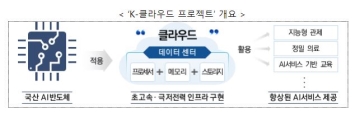
The K-Cloud Project is now fully operational, with a 100 billion won investment over three years.
The government is launching the first phase of the 'K-Cloud Project' in earnest to strengthen domestic AI semiconductor and cloud competitiveness. The 'K-Cloud Project' is a policy aimed at developing domestically produced AI semiconductors to enter the AI semiconductor development market that global big tech companies such as NVIDIA, AMD, MS, and Amazon are focusing on, and applying them to data centers to enhance domestic cloud competitiveness.
2023.06.27by 김예지 기자
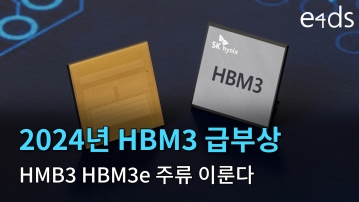
The AI Accelerator War: HBM3 to Rise Rapidly in 2024
Market research firm TrendForce stated on the 1st that new HBM3 and HBM3e will become mainstream in the market in 2024, citing increasing demand for AI accelerator chips and a trend of companies developing their own chips. To avoid Nvidia's growing influence, the industry has recently been focusing on developing its own AI chips. As demand for AI accelerator chips evolves, growth in HBM3 and HBM3e is expected.
2023.08.03by 김예지 기자

[e4ds Tech Day 2026 ⑨] Sim Sang-gyu, Autocrypt CTO: "In the Physical AI Era, Automotive Security Must Extend Beyond the Vehicle"
At e4ds Tech Day 2026, Sim Sang-gyu, CTO of Autocrypt, explained automotive cybersecurity strategies in the era of Physical AI and SDV (Software-Defined Vehicle). Automobiles are evolving as part of an ecosystem connected to AI, cloud, chargers, IoT, and robots, and he emphasized that the scope of security must expand beyond the vehicle interior to the entire connected environment. In particular, AI model tampering, adversarial attacks, OTA updates, and EV charger hacking were identified as major threats. He explained that response measures require zero trust, AI model integrity protection, intrusion detection, Security by Design and Default, and full lifecycle security management, and that proactive security system establishment beyond regulatory compliance is critical for securing future mobility competitiveness.
2026.10.12by 배종인 기자
NVIDIA to Invest $1 Billion in U.S. Science Over Next Five Years
NVIDIA has announced plans to invest $1 billion over the next five years to strengthen U.S. scientific and technological competitiveness. The company will enhance cutting-edge artificial intelligence research and development capabilities in key areas including quantum computing, healthcare, and energy security, while expanding support for higher education research institutions and cloud service providers. NVIDIA is participating as a major industry partner in the White House Office of Science and Technology Policy's Genesis Mission, and is promoting supercomputer construction in collaboration with national laboratories including Argonne and Los Alamos.
2026.10.12by 배종인 기자











