



South Korea lags behind China in the transition to renewable energy.
 Published2023.08.17 14:19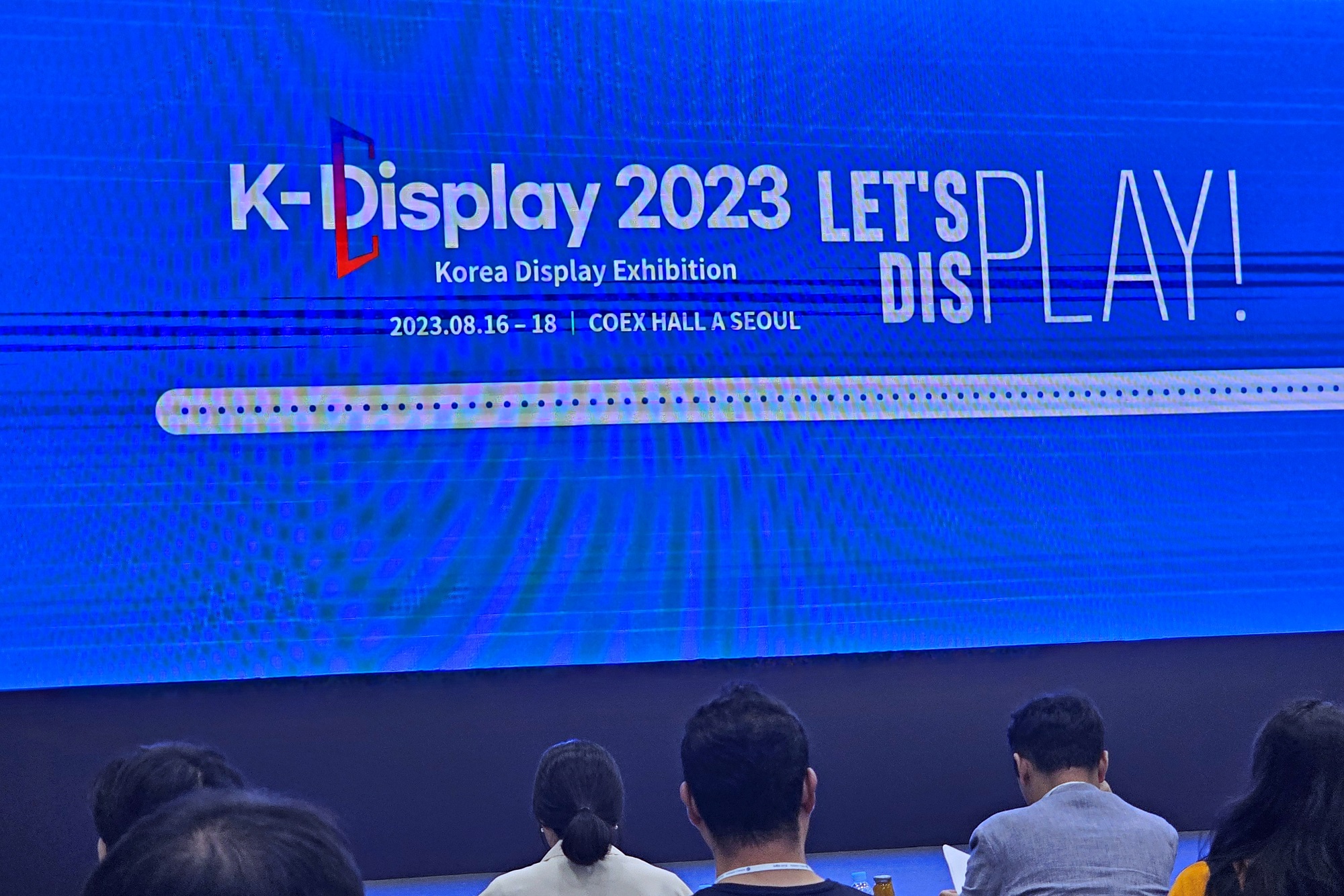
▲디스플레이 탄소중립 세미나
전력 사용 등 간접배출 71%, 재생에너지 전환 必
韓제도, 재생 에너지 발목·韓기업, 中서 전환 먼저

세계 디스플레이 산업을 선도하는 국내 기업들이 탄소중립을 위해 온실가스 절감 전략을 확대하고 있는 가운데, 국내 재생에너지 발전이 중국 대비 더디며 비용과 규모 측면에서 뒤쳐져 관련 업계가 해외 업장을 중심으로 재생에너지 전환에 집중하고 있는 것으로 나타났다.
17일 서울 삼성동 코엑스에서 개최된 2023 한국디스플레이산업전시회에서 ‘디스플레이 탄소중립 세미나’가 한국디스플레이산업협회 주관으로 개최했다.
이날 협회와 업계 관계자들이 참석해 업계 온실가스 배출 현황과 관련 소부장 기업들을 대상으로 탄소중립 대응 방안을 공유하는 발표가 진행됐다.
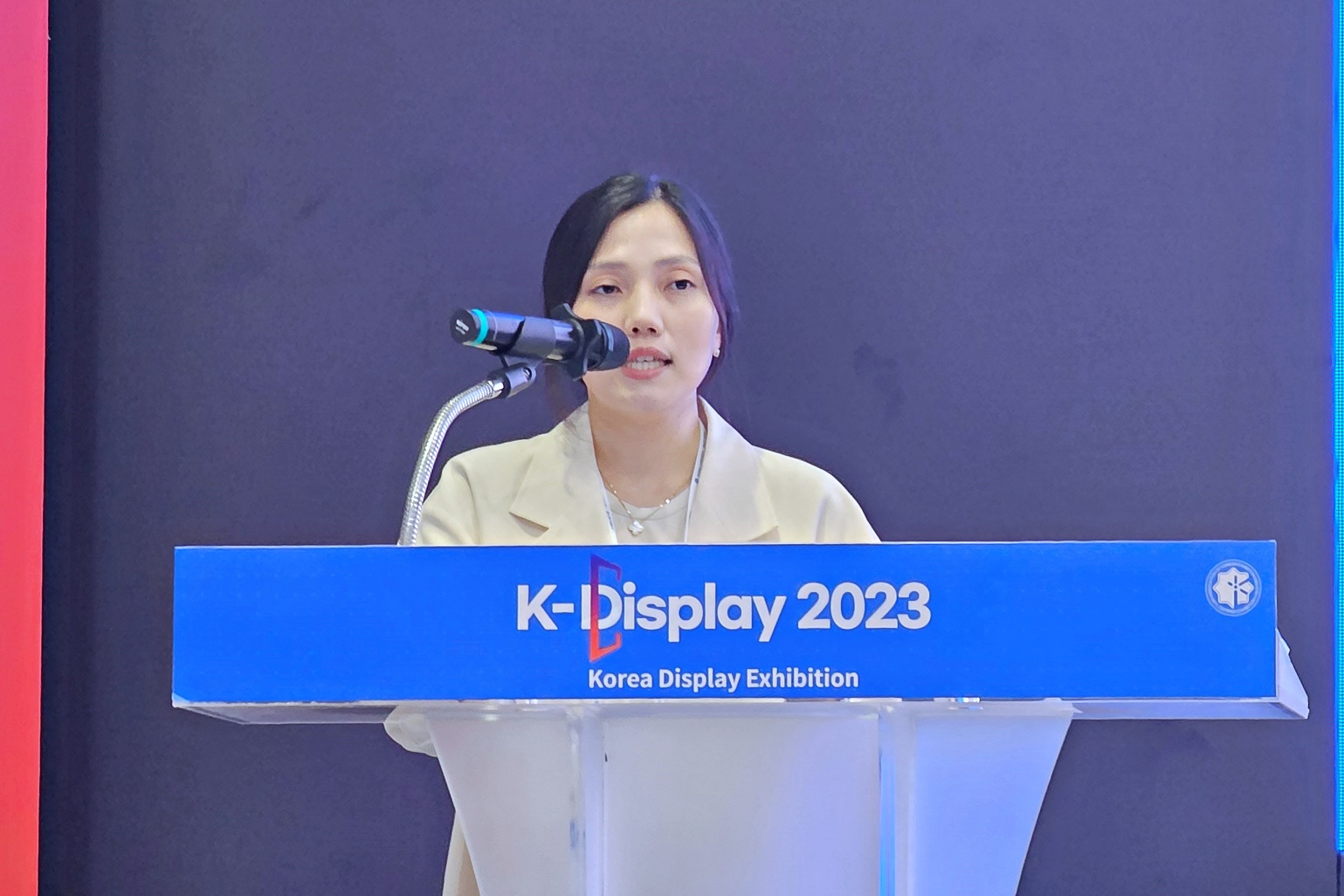
▲조은숙 한국디스플레이산업협회 산업정책실 실장
조은숙 한국디스플레이산업협회 산업정책실 실장은 “국내 디스플레이 산업이 국가 경제 기여도가 큰 산업으로 2021년 GDP 76.3조원에 달해 국내 총 생산량의 4.3%를 차지한다”며 특히 OLED 시장에서 81.3%를 차지하며 글로벌 시장을 선도하고 있다고 설명했다.
이러한 디스플레이산업은 온실가스 배출 측면에서 국내 사업장 기준 △2018년 1,189만톤 △2020년 938만톤 △2022년 812만톤으로 꾸준히 감소하고 있는 추세인 것으로 나타났다. 이 중 2022년 기준 간접배출이 71%, 직접배출은 29%로 6대 온실가스에 포함되는 불화온실가스(F-gas) 혹은 아산화질소(N₂O) 각각 7%와 18%를 차지했다.
N₂O를 비롯한 직접 배출되는 F-gas에 육불화황(SF6), 과불화화합물(PFCs) 등 온실가스가 주요 공정 가스로 사용되고 있어 이에 대한 절감 노력이 단기 목표로 올라와 있는 상황이다.
디스플레이업계 글로벌 온실가스 배출량 추이를 보면 2020년 1,200만톤에서 2021년 1,240만톤으로 약간 증가하다가 지난해인 2022년 979만톤으로 감소했다.
김동현 SDI 그룹장은 “업계는 스크러버 설비를 통해 2022년 기준 100만톤 감소시켰다”며 “공정가스 처리 설비 효율이 현재 90% 정도 수준인데 이를 더 개선할 수 있는 기술을 개발하고 도입할 계획을 가지고 있다”고 언급했다.
온실가스 배출에서 가장 큰 비중을 차지하는 부분은 스코프2에 해당하는 전력 사용으로 인한 간접 배출 부문이다. 업계 글로벌 온실가스 배출량이 2022년 979만톤이었는데 그 중 스코프2에 해당하는 간접배출량이 732만톤에 달해 재생에너지 전환이 관련 업계 챌린지가 되고 있다.
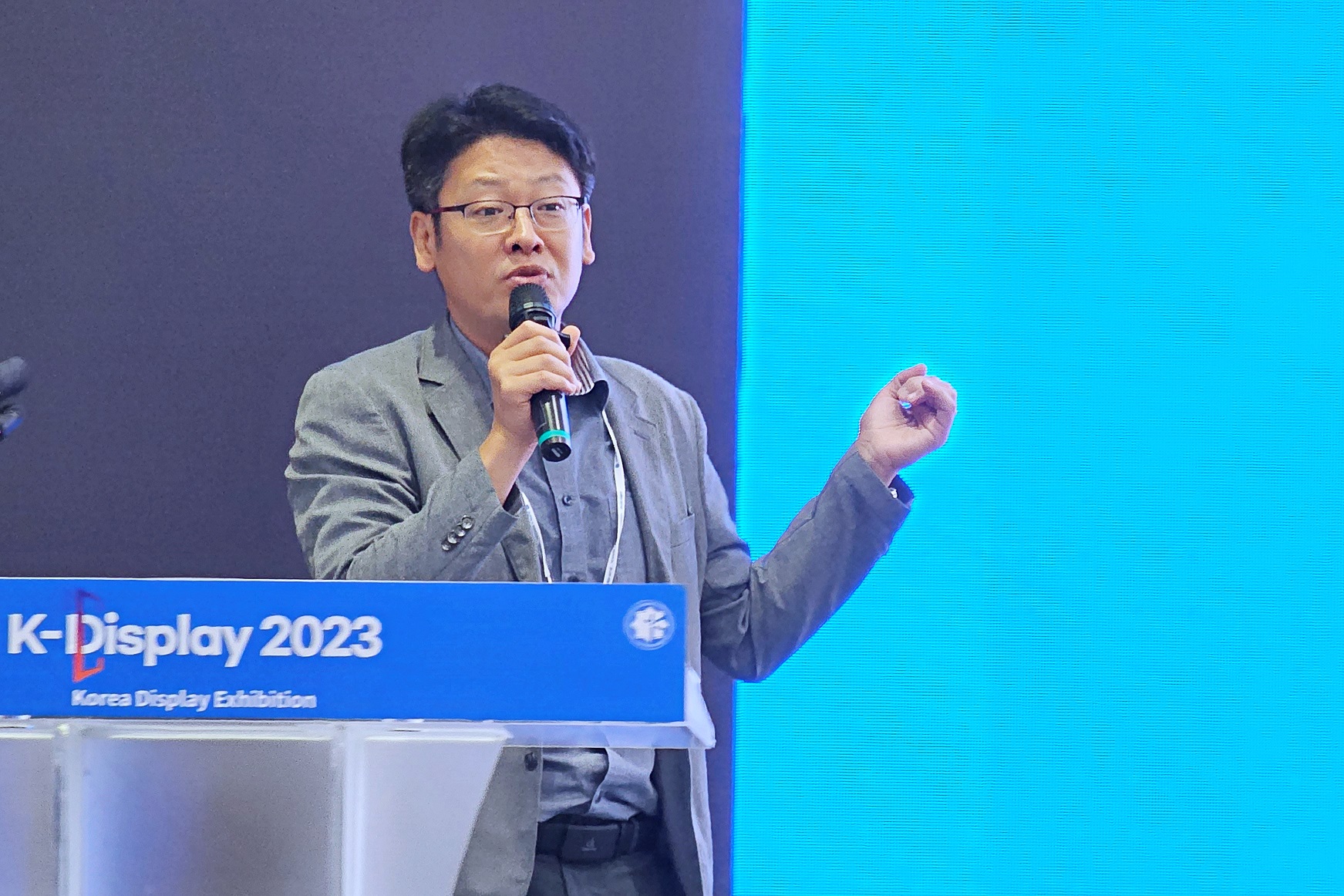
▲윤재평 LG디스플레이 팀장
윤재평 LG디스플레이 팀장은 “디스플레이 업종에서 가장 많은 온실가스 배출량을 차지하는 부분이 전력 부문이다”라며 “재생에너지 전환 전략은 탄소 중립 목표 달성뿐 아니라 거세지고 있는 고객사 요구사항을 반영하기 위해 그 중요성이 점차 부각되고 있다”고 설명했다.
현재 국내 재생에너지 전환방법은 △녹색프리미엄 △REC 구매와 △제3자 PPA △직접 PPA △지분투자 △자체 설치가 있으며, 앞선 2가지는 단기 조달 방식, 뒤의 4가지는 장기 조달 방식에 더 가까운 방법이다.
REC 구매는 에너지 관리 공단 주관으로 녹색프리미엄 대비 현 시점 거래가가 8배가량까지도 비싸다고 전해지며, 녹색프리미엄은 공급 대비 기업 입찰이 아직은 적어 LGD는 올해 목표 물량에 해당하는 물량을 녹색프리미엄으로 조달했다고 밝혔다.
윤재평 팀장은 “중국은 재생에너지 측면에서 30% 이상 국내 대비 규모가 크다”며 “재생에너지 전환 비용도 국내 녹색프리미엄 최저가 대비 중국의 비용이 1/10 수준에 달한다”고 말했다. 이에 LGD는 국내보다는 해외 법인에서 재생에너지 전환에 속도를 내고 있다고 말해 국내 미흡한 재생에너지 공급망을 강화할 필요가 있을 것으로 보인다.
또한 업계는 2021년 재생에너지 제도가 신설된 이후 △PPA 망 이용료 중복 부과 문제 △PPA 전용 요금제 신설 등 재생에너지 사용 기업에 부담이 되는 각종 불합리한 제도문제에 대해서도 목소리를 내며 개선을 요구하고 있다.

Comments
Related news
"Batteries Account for 30% of EV Carbon Footprint; Circular Economy Policy Essential"
The importance of electric vehicle battery circular use is being emphasized due to EU carbon footprint regulations, strengthened product environmental regulations, and the 2050 Net-Zero target. Experts have raised the opinion that policies should place greater emphasis on improving resource efficiency and circularity throughout the entire resource lifecycle.
2023.07.25by 성유창 기자
Schneider Begins Building a Semiconductor Decarbonization System
Schneider Electric (Korea office representative Kim Kyung-rok) has unveiled a new partnership program called 'Catalyze' that helps establish decarbonization systems in the global semiconductor value chain, and is beginning full-scale collaboration with major leaders in the semiconductor and technology industries.
2023.07.26by 배종인 기자
Infineon reduces electronic waste with recyclable PCBs
Infineon Technologies (Korea CEO Lee Seung-soo) is introducing recyclable PCBs and taking the lead in earnest to reduce electronic waste and carbon footprint.
2023.08.08by 배종인 기자
Intel Unveils Next-Generation 'Core Ultra Series 3' and vPro Platform for Enterprise PCs
Intel has officially unveiled the "Intel Core Ultra Series 3" for next-generation enterprise PCs and the latest vPro platform, addressing a wide range of demands from enterprise notebooks to high-performance workstations.
2026.03.26by 배종인 기자
ROHM Launches ESD Protection Diode Compatible with High-Speed Interfaces of 10Gbps or Higher
Semiconductor specialist ROHM has developed the 'RESDxVx series' of ESD (electrostatic discharge) protection diodes capable of responding to next-generation high-speed data communication environments exceeding 10Gbps, simultaneously enhancing both signal quality maintenance required in high-speed interfaces and IC protection performance.
2026.03.26by 배종인 기자











