


Edge AI (6) - Vision AI Emerges as an Essential Element in the Safety Industry
 Published2023.09.19 11:51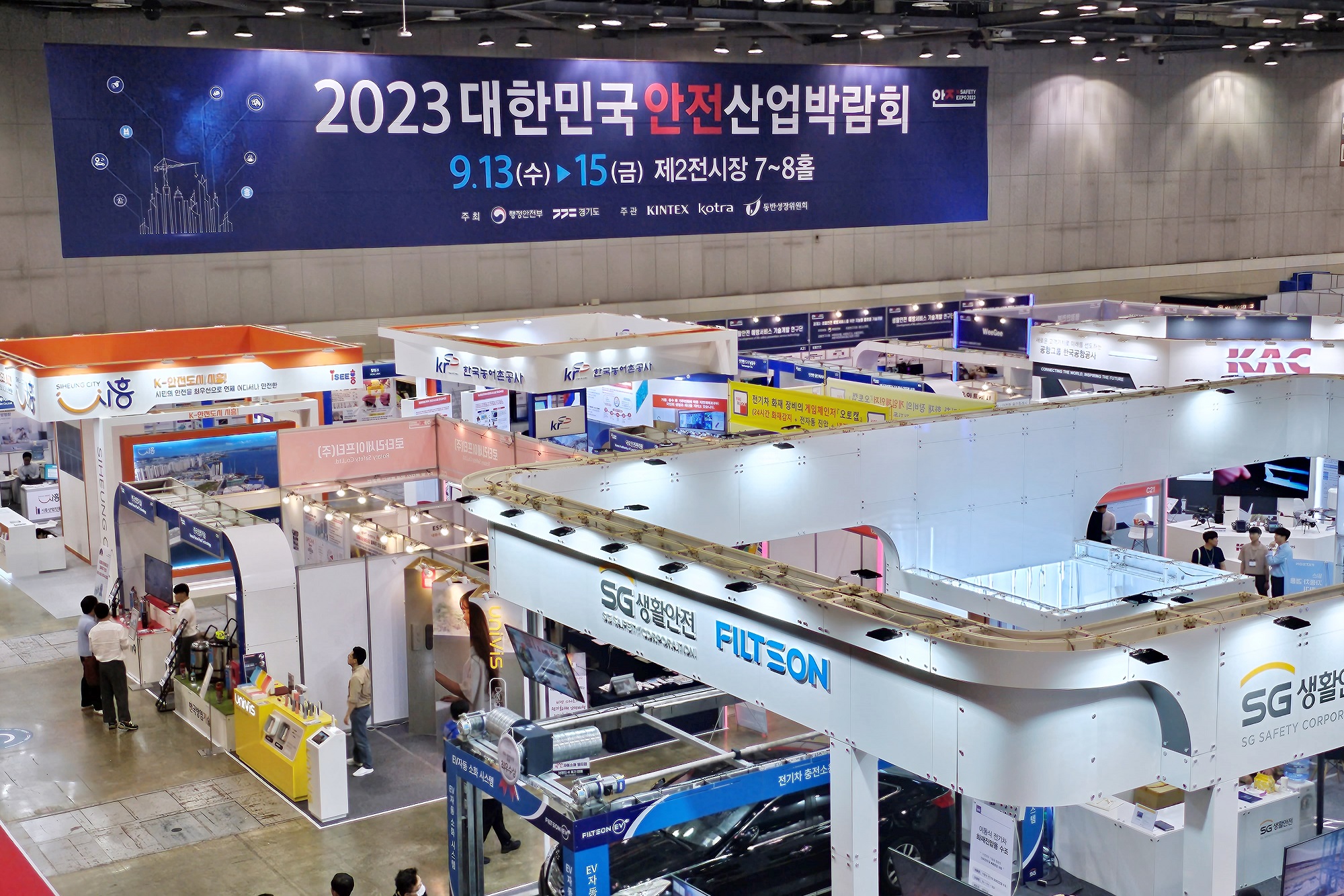
▲2023대한민국 안전산업박람회
안전 검사 AI 도입, AI 설명 가능성 여부 관건

대형화재, 자연재난 등 재난상황에 대비한 예방은 실제 사건·사고가 일어나 피해가 발생했을 때 이를 복구하는 것 대비 사회적·경제적으로 비용효율적이다. 최근 재난안전기술의 추세는 인적 리소스 및 휴먼 에러를 줄이며 기존 인프라와의 호환·융합성 또한 뛰어난 비전 AI가 유망 기술로 이곳저곳에 적용되고 있는 상황이다.
13일부터 3일간 진행된 대한민국 안전산업박람회에는 제조공장 내 노동자 끼임 사고, 건설 현장에서의 추락사고 등 산업 현장에서의 안전사고 및 화재·사고 등 재난 상황에 대비한 각종 안전 솔루션 제품들이 전시장을 가득 메우고 있었다.
■ 제조·건설 현장 곳곳에서 안전 AI 활용
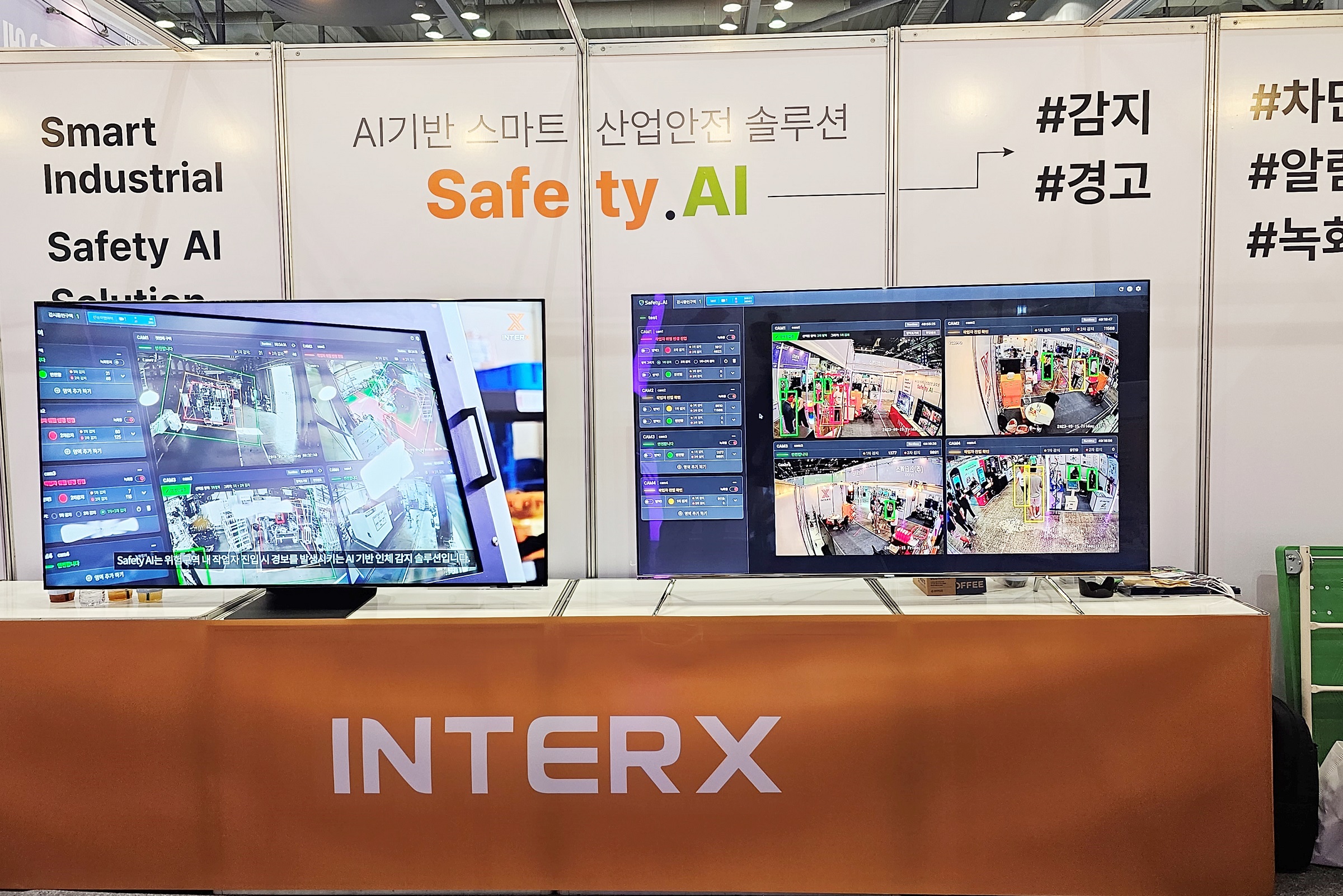
▲인터엑스 부스
중대재해처벌법의 도입과 이러한 규제에 따른 산업계 재해 예방에 대한 니즈가 증가하며 안전산업계가 신기술 도입에 탄력을 얻고 있었다. 이 중 비전 AI 기술과 이를 탑재한 제품들이 다수를 차지하며 관람객들의 주목을 끌었다.
인터엑스(InterX)는 산업AI 서비스 전문기업으로 다양한 스마트공장 구축 사업 참여와 비전 AI 검사 분야에서의 개발 이력을 가진 기업이다. 이날 전시회에서 인터엑스는 현장 작업자의 안전 확보와 중대재해예방을 위한 솔루션인 ‘Safety.AI’를 공개했다.
인터엑스의 ‘Safety.AI’는 △위험지역 안전 확인 △부딪침 사전 방지 △쓰러짐 감지 △끼임 방지 등의 모니터링과 위험 알림이 가능한 지능형 CCTV 제품으로 최대 4채널의 영상을 실시간 분석할 수 있는 키오스크 내장 하드웨어와 함께 제공해 추가 시스템 구축 없이 바로 사용 가능하다는 장점이 있다.
영세한 기업들은 안전 시스템 도입에 대규모 비용 지출을 꺼리기 마련이지만 한국산업안전보건공단 지원 사업을 통해 소비자가를 낮춘 덕분에 중소기업들에도 특정 안전 영역을 위한 도입이 비교적 수월해진 것으로 전해졌다.
성인채 인터엑스 AI사업개발 팀장은 “안전산업에서 비전 AI는 이제 막 시장이 형성되어가는 단계이며 고객들은 안전이 생산과 관련 없는 비용이기에 되도록 특별한 이슈가 없다면 니즈가 높지 않다”며 “중대재해방지법과 같은 규제가 발생하게 되면 시장 관심이 증가하기에 비전 AI와 같은 안전 솔루션이 규제와 법안의 혜택을 보게 된다”고 설명했다.
■ 터널 균열 검사, 비전 AI로 단번에 해결
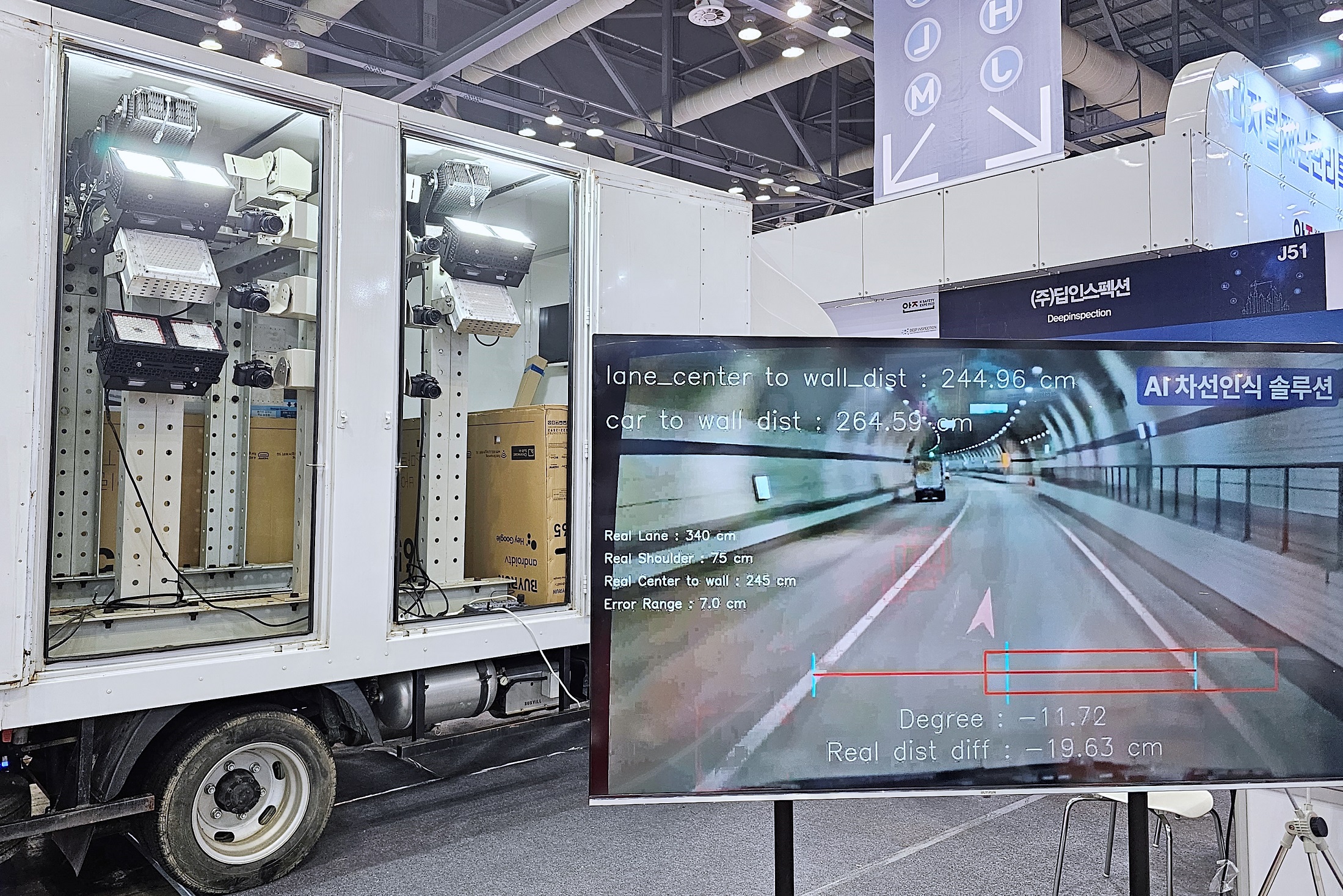
▲딥인스펙션 부스
교량, 댐, 터널 등 대형 인프라는 국가와 산업 발전의 필수 기반 시설이지만 그 자체로도 하나의 산업을 형성하기도 한다. 이러한 인프라는 구축하는 데만 그치지 않고 이를 유지·관리·보수하는 데에도 상당한 인적·물적·시간적 비용이 소모된다.
특히 안전산업에서 인프라의 균열 검사는 정기적으로 이뤄지는 업무이며 기존에는 인적 자원을 투입해 많은 시간을 소요하며 검사가 진행된다. 이 과정에서 휴먼에러와 효율성의 문제들과 맞닥뜨리게 되며 비전 AI를 이용한 검사는 제조현장의 품질검사가 제공하는 이점과 마찬가지로 인프라 안전 검사에서 인적·물적·시간적 자원의 이점을 제공할 수 있다.
딥인스펙션(Deep Inspection)은 AI 안전검사 전문 벤처기업으로 국토교통부 연구과제를 통해 ‘터널 딥 스캐너(Tunnel Deep Scanner)’ 제품을 개발했다. 트럭 내부에 설치된 광학카메라 터널 및 도로 등을 촬영하고 이미지를 AI가 균열 정도를 판독한다.
육안검사 대비 5배 이상 빠른 점검이 가능하며 점검자의 안전사고 예방이 가능하다는 장점이 있다. 기존 검사는 도로를 통제하고 점검자가 직접 터널 안을 걸으며 안전을 점검했지만 차량 내 탑재된 조명과 카메라를 통해 고해상도 이미지를 얻을 수 있어 검사가 비교적 용이해진 것이다.
김인수 딥인스펙션 상무는 “토목 분야가 신기술 도입에 보수적인 분위기인데 2019년부터 앞선 기술을 개발하고 실적을 쌓다보니 이제는 현장에서 이러한 방식으로 대체하자는 의견이 많아졌다”며 “우리는 설명가능한 인공지능(eXplainable AI, XAI) 개념을 도입해 결과값이 어떻게 나왔는지를 그 과정을 텍스트로 표현해주는 기술을 도입했다”고 강조했다.
최근 미국과 EU를 포함해 다수의 국가들이 안전한 AI 도입을 위해 AI의 설명 가능성을 필수조건으로 내걸고 있어 같은 AI모델을 서비스하는 기업이더라도 XAI 기준을 충족했는지 여부가 향후 시장 경쟁에서 관건이 될 것으로 보인다.

Comments
Related news
.jpg)
Edge AI (3) - Active introduction of vision recognition in agricultural industry, spurring the entry of cutting-edge 'farm robots'
At the recent 2023 Agri-Food Tech Startup Expo, numerous advanced agricultural machinery utilizing artificial intelligence vision recognition technology were showcased. Various applications supporting agricultural operations including △crop growth monitoring △pest and disease surveillance △autonomous harvesting were being developed on a vision recognition basis and preparing for market entry. While all shared a common foundation of artificial intelligence technology, each company showed slightly different directions in productization and focus points based on their respective approaches.
2023.07.31by 명세환 기자
Computer Vision General AI, 'Sensor-Motor AI' is a Must
General artificial intelligence (AGI) has recently garnered attention not only in academic circles but also across the industrial sector, with discussions being conducted from various angles. Artificial intelligence that reasons, learns, and solves problems independently without human intervention can be considered the ultimate form of artificial intelligence.
2023.08.11by 명세환 기자
Edge AI (5) - Edge-optimized AI is on the rise... "Cost-effectiveness, cost-effectiveness, and lightness are the key"
Domestic system semiconductor startups are dreaming of a leap forward, buoyed by growing demand for semiconductor-based solutions and the artificial intelligence boom. At the system semiconductor co-prosperity forum held for the second time this year, numerous deep tech companies participated and exchanged technologies and visions.
2023.08.21by 명세환 기자

[e4ds Tech Day 2026 ⑨] Sim Sang-gyu, Autocrypt CTO: "In the Physical AI Era, Automotive Security Must Extend Beyond the Vehicle"
At e4ds Tech Day 2026, Sim Sang-gyu, CTO of Autocrypt, explained automotive cybersecurity strategies in the era of Physical AI and SDV (Software-Defined Vehicle). Automobiles are evolving as part of an ecosystem connected to AI, cloud, chargers, IoT, and robots, and he emphasized that the scope of security must expand beyond the vehicle interior to the entire connected environment. In particular, AI model tampering, adversarial attacks, OTA updates, and EV charger hacking were identified as major threats. He explained that response measures require zero trust, AI model integrity protection, intrusion detection, Security by Design and Default, and full lifecycle security management, and that proactive security system establishment beyond regulatory compliance is critical for securing future mobility competitiveness.
2026.10.12by 배종인 기자
NVIDIA to Invest $1 Billion in U.S. Science Over Next Five Years
NVIDIA has announced plans to invest $1 billion over the next five years to strengthen U.S. scientific and technological competitiveness. The company will enhance cutting-edge artificial intelligence research and development capabilities in key areas including quantum computing, healthcare, and energy security, while expanding support for higher education research institutions and cloud service providers. NVIDIA is participating as a major industry partner in the White House Office of Science and Technology Policy's Genesis Mission, and is promoting supercomputer construction in collaboration with national laboratories including Argonne and Los Alamos.
2026.10.12by 배종인 기자











