


[Interview] Choi Young-min, ST Senior Manager – “Automotive Power Distribution Architecture Must Replace Electronic Fuses”
 Published2023.10.17 10:38
내연차 기준 E/E 아키텍처→ 중앙 집중형 E/E아키텍쳐 트렌드
STi2Fuse, 출력 채널 부하 실시간 모니터링·고장 시 보호·자동 복구
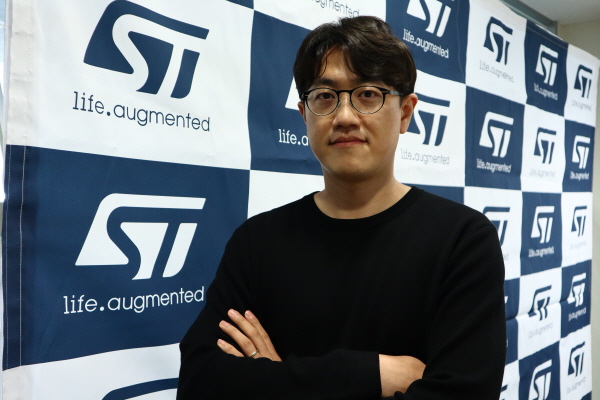
▲최영민 ST 차장(Senior Manager)
■ 오는 26일 웨비나에서는 어떤 내용을 발표하나
새로 출시 예정인 STi2Fuse 제품군을 소개할 예정이다.
STi2Fuse 제품은 부하 전류 크기에 따라 모놀리식, 하이브리드, 컨트롤러 타입으로 구성되어 있다.
모놀리식 제품군은 QFN 6x6 패키지에 VIPower M0-9 SPI 테크놀로지는 기반으로 설계되어 소전류용(1.5A ~ 15A) Zonal Box를 대상으로 한 제품이며, 하이브리드 제품군은 PowerQFN 7x8.5 패키지에 VIPower M0-9 SPI + M0-S11 테크놀로지가 적용된 제품으로 중전류용(6A~45A) Power Distribution Box를 대상으로 한 제품이다.
마지막으로 컨트롤러 타입 제품군은 QFN 5x5 패키지에 BCD9 테크놀로지가 적용된 제품으로 대전류용(40A ~ 450A) 전원 소스의 메인 스위치를 대상으로 한 제품이다.
더불어 KL30 애플리케이션과 같이 일반 퓨즈와 동일하게 대기모드에서도 각 출력을 항시 턴온 상태 유지가 필요한 경우에 대비하여 Active standby 기능을 지원하는 컴패니언 제품도 출시될 예정이다.
이 제품은 하이브리드 제품군과 같이 사용 가능하며, 하이브리드 디바이스가 대기모드 상태에서는 컴패니언 디바이스가 동작하여 낮은 구동 전류로 항시 각 출력을 턴온 상태로 유지하고, 부하 전류가 사용자가 설정한 전류 임계 값 이상으로 도달하면 컴패니언 디바이스는 대기모드로 전환되고 메인 스위치인 하이브리드 디바이스를 자동으로 정상 모드로 전환시키는 동작을 한다.
■ STi²Fuse for Automotive Power Distribution에 대한 소개와 함께 STi²Fuse가 주목받는 이유를 부탁드린다
향후 자동차 산업은 전동화, 커넥티비티, 자율주행 등 다양한 기능이 차량에 탑재되면서 수많은 연산과 데이터 량을 처리해야 하며, 와이어링 역시 더욱더 복잡해질 전망이다.
또한 전기차의 중요한 평가 요소인 주행거리를 늘리기 위해서는 차량 무게의 큰 비중을 차지하는 와이어 하네스를 단순화하고 최적화하는 것이 요구되고 있다.
때문에 글로벌 완성차 업체들은 그 대안으로 기존 내연차 기준의 자동차 E/E 아키텍처 틀에서 벗어나 중앙 집중형 E/E아키텍쳐인 Zonal Architecture를 준비하고 있다.
Zonal Architecture는 각 ECU들이 물리적으로 가까운 위치의 Zonal Gateway에 연결되는 구성이며, Central Brain인 MPU가 Zonal Gateway와 연결되어 차량 내의 모든 ECU를 관리/감독할 수 있는 아키텍처를 말한다.
기존의 도메인 아키텍처가 기능별로 ECU를 묶어 도메인을 구성하고 DCU(Domain Control Unit)에서 처리하였다면, Zonal Architecture는 물리적인 위치 별로 ECU를 묶는 형태다.
이러한 아키텍처를 구성할 경우 모든 ECU들이 물리적으로 가까운 위치에 있는 Zonal Gateway에서 전원을 받기 때문에 와이어 하네스를 단순화하고 길이와 무게를 대폭 줄 일수 있는 효과가 있고, 중앙에서 모든 ECU를 관리/감독할 수 있기 때문에 SW 업데이트를 통한 시스템 유지 및 보수가 용이하다.
다만 지금까지 사용되어 왔던 기계식 퓨즈와 릴레이 구성의 자동차 전력 분배 아키텍처는 더 이상 대응이 불가 하기 때문에 모두 전자식 퓨즈로 대체가 필요하다.
STi2Fuse 제품은 모든 출력 채널에 대해 부하의 상태를 실시간으로 모니터링과 제어 가능하고 고장 발생시에는 보호 및 자동 복구가 가능하다.
그리고 기존 멜팅 퓨즈의 차단 원리와 동일한 I2t알고리즘을 내장하고 있어 사용자가 설정한 I2t 차단 커브에 의해 차단 동작이 가능하므로 실제 부하 전류에 맞게 설정하여 와이어를 최적화할 경우, 약 20% 가까이 와이어 무게를 줄일 수 있을 뿐만 아니라 기존 릴레이 퓨즈 구성 대비 약 25% 정도 더 가볍고 더 작은 사이즈로 회로 설계가 가능해 자동차 연비 향상에 기여한다.
■ 주요 적용 애플리케이션은 어디인가
차량용 전력 분배 및 각종 ECU의 전원을 공급하는 스위치 및 퓨즈 역할로 사용 가능하다.
STi2Fuse 제품은 각종 부하에 전원 공급을 위한 온/오프 제어, 과전류 보호 및 고장 진단을 제공할 뿐만 아니라 퓨즈 차단 동작과 동일한 i2t 알고리즘이 내장되어 차량 전력 분배용 스위치로 사용될 경우 실제 부하 전류에 맞게 사용자가 차단 커브를 설정 가능하여 와이어 선경을 최적화할 수 있다.
■ 시장/업계의 주요 요건은 무엇인가
전자식 퓨즈 제품에 대한 요구사항으로는 전원 공급 시 R, L, C 어떤 부하가 오더라도 정상조건에서는 보호 동작이 없이 안정적으로 전원을 공급해야 하며, hard short와 같이 대전류가 흐를 수 있는 조건에서는 전원 라인이 흔들리지 않도록 100us 이내에 빠른 차단 속도를 요구하고 있다.
와이어 보호와 관련해서는 퓨즈 차단 알고리즘과 동일한 i2t 알고리즘을 통한 와이어 보호가 요구되고 있으며, MCU와 통신이 불가한 fail safe 모드의 경우에도 각 채널의 출력은 정상적으로 출력 되어야 한다.
ASIL B 요구 사항으로는 각 출력이 on 또는 off상태로 파손되었는지 확인할 수 있는 상태 진단 및 와이어 보호 가 필요하며, 상태 진단과 관련해서는 칩온도를 비롯한 각 출력의 전압과 전류를 실시간 모니터링 할 수 있는 기능이 필요하다.
마지막으로 일반 퓨즈와 동일하게 대기모드 상태에서도 낮은 구동 전류로 항시 각 출력의 턴온 상태를 유지하고, 부하 전류가 증가하면 자동으로 정상 모드로 전환이 가능한 active standby 기능이 요구되고 있다.
■ 소개하는 제품의 주요 이점은 무엇인가
먼저, 가장 큰 장점은 사용자가 설정 가능한 i2t 알고리즘을 통해 과전류 조건에서 자동으로 와이어를 보호할 수 있을 뿐만 아니라 부하 전류에 맞게 와이어 선경을 최적화 가능하다.
그리고 하드 쇼트와 같은 과전류 조건에서도 100us 이내로 빠르게 차단 가능하여 12V 전원 라인은 흔들리지 않고 안정된 상태로 유지 가능하고, LV124를 지원하여 베터리의 마이크로 컷 조건에서도 정상 동작 가능하다.
또한, CCM(Capacitor Charging Mode) 기능을 이용하면 대용량 커패시터 부하를 기동시킬 때 발생하는 돌입전류를 효과적으로 제한시키며 정상 출력 전압 레벨에 도달 가능하다.
이 외에도 상태 진단과 관련해서는 칩 온도뿐만 아니라 모든 출력 채널에 대한 전압 및 전류를 리얼 타임으로 모니터링 가능하여 사전에 위험을 예측하고 관리할 수 있다.
기능 안전과 관련해서는 ASIL 애플리케이션 대응을 위해서 전류 센싱 블록들은 BIST(Built-in Self-Test) 기능과 각 채널마다 ADC 블록을 이중으로 하는 리던던시 구성을 지원한다.
■ 경쟁사 제품(또는 기존 제품)과 비교할 때 어떠한 차별성이 있나
I2t 와이어 보호 기능 설정과 관련해서 모든 제품은 SPI 통신을 통해 정상 전류(=INOM)와 정상 시간(=tNOM)을 각각 8단계씩 설정 가능하여 총 64가지 조합을 만들 수 있으며, 모놀리식 제품의 경우 출력 채널들을 병렬로 묶어 구동 전류를 더블로 늘릴 수 있는 병렬모드 기능을 지원한다.
이러한 기능들을 통해 타사 대비 i2t 차단 커브를 설정할 수 있는 범위가 넓으므로 와이어 최적화에 효과적이다.
또한, 저/중전류 제품의 경우 싱글 채널뿐만 아니라 듀얼, 쿼드 채널 제품군도 보유하고 있으며, 1.5A 소전류 부터 450A까지 대전류를 커버할 수 있는 다양한 제품들이 출시 예정이다.
■ 오늘 소개한 내용과 관련해 e4ds 독자들에게 한 말씀 부탁드립니다
STi2Fuse 세미나에 참여해 주셔서 감사합니다. 앞으로도 많은 관심 부탁드리며, 궁금하신 내용은 ST 코리아와 ST 대리점을 통해 문의 주시면 성심 성의껏 답변 드리겠습니다.
Comments
Related news
.jpg)
ST Launches Integrated Hot-Swap/Ideal-Diode Controller with ASIL-D Support
ST announced on the 27th that it is launching the STPM801, an integrated hot-swap and ideal-diode controller that is the first in the industry to achieve automotive quality grade, supporting functional safety applications.
2023.07.27by 성유창 기자
ST Location-Aware Cellular IoT Module Obtains Vodafone NB-IoT Certification
ST Microelectronics' (hereinafter referred to as ST) location-aware cellular IoT module has obtained Verizon's NB-IoT certification, which is expected to contribute to realizing safer and more interconnected mobility.
2023.08.24by 성유창 기자
ST, 'SiC Technology' Contributes to Improving Volvo Electric Vehicle Driving Range and Fast Charging
ST is supplying its latest 3rd generation 750V silicon carbide (SiC) power MOSFET dies to BorgWarner's distinctive Viper technology-based power modules.
2023.09.11by 배종인 기자
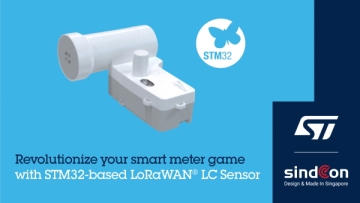
ST, Support for Core Technology of Smart Meters
ST supplies STM32WLE5 LoRaWAN® wireless microcontroller to Sindcon IoT Technology, a smart metering solution provider.
2023.09.13by 배종인 기자
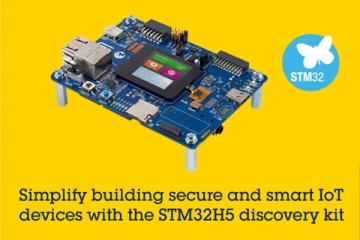
ST Launches MCU Discovery Kit to Support Rapid Implementation of Connected Devices
ST has launched products that deliver high-performance processing and security features across diverse applications including smart sensors, smart home appliances, and industrial controllers.
2023.09.19by 성유창 기자











