


[Op-Ed] Kim Pil-soo, Professor at Daelim University – “Rising Global Tariffs on Chinese EVs… Potential Counterproductive Effects for Korea”
 Published2024.06.17 10:12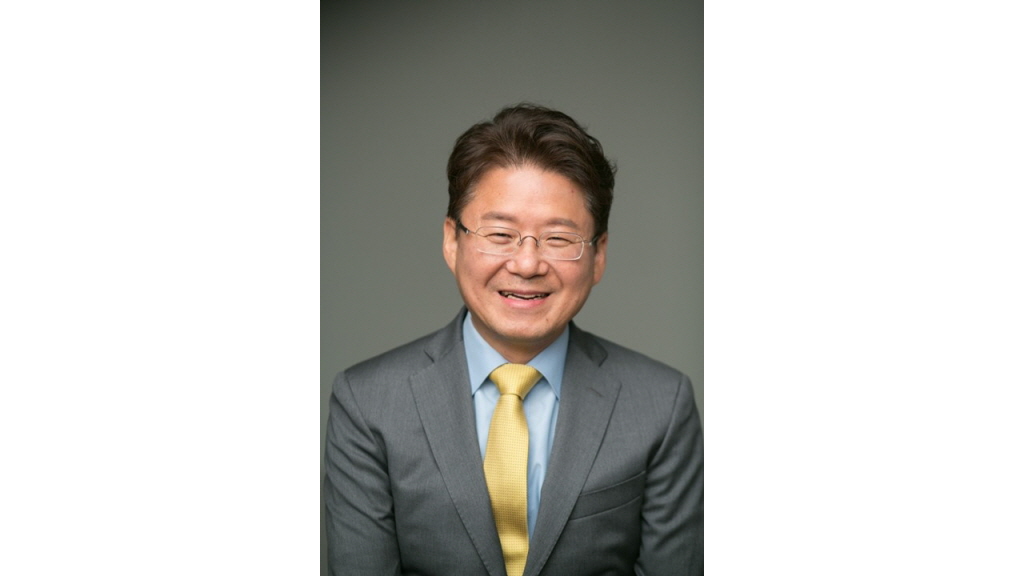
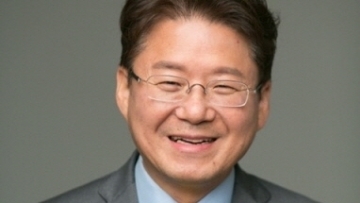
▲김필수 대림대학교 미래자동차학부 교수
“높아지는 글로벌 中 전기차 관세…우리나라에 역효과 발생 가능”
“보복관세 파편, 수출 중심 우리나라에 튈 수 있다”

최근 글로벌 시장의 주도권 전쟁 중 자동차 분야는 가장 중요한 대상이다.
미래 기술의 융합이라고 하는 자동차 분야는 모빌리티 개념으로 확장되고 있는 상황이다.
더욱이 배터리와 전기차, 시스템 반도체 등 미래 자동차에 포함되는 영역의 주도권 다툼은 더욱 치열하다.
최근 미·중간의 경제 갈등에서 배터리와 전기차에 대한 주도권 전쟁은 더욱 치열한 상황이다.
다른 국가 보다 약 10년을 앞서 시작한 중국의 전기차 산업은 이미 글로벌 시장 전체의 약 50%를 차지하고 있다.
물론 이러한 발전 배경에는 중국 정부의 보이지 않는 불법 보조금 등 다양한 힘을 받았다고 하겠다.
이를 빌미로 서방에서는 중국산 전기차의 가격 경쟁력을 문제 삼아 본격적인 관세전쟁을 시작했다.
중국산 저가 전기차가 서방에 본격 진출하게 되면 시장 경쟁논리가 무너진다는 절박감에 각 국가에서는 고민을 하고 있는 상황이다.
미국이 앞장서 중국산 전기차를 더욱 배제하기 시했다.
이미 약 25%의 관세로 중국산 전기차가 미국 시장에 발을 들여놓지 못하는 상황에서도 관세를100%로 진행하기로 하였고 태양광 패널, 배터리 등 더욱 다양한 제품을 대상으로 약 2~4배 정도의 관세를 높이는 작업에 들어갔다.
중국산 전기차가 직접적인 미국 수출보다는 멕시코 등 우회 전략으로 방향을 전환하는 움직임도 나타나고 있으나 역시 미국은 이에 대한 제재도 고민하고 있는 실정이다.
현재 중국기업들은 전기차를 우리나라에 진입하는 방법으로 완성 전기차를 직접 판매하거나 SKD나 CKD 형태의 부품을 국내로 수출하고 국내 조립공장에서 일부 우리 부품을 활용하여 조립과 검사 등을 통한 '메이드 인 코리아'로 무장하여 이윤을 나누고 글로벌 시장을 공략하자는 중국기업은 점차 늘어나고 있는 상황이다.
물론 글로벌 시장과 가장 많이 FTA 등을 진행하고 있고 가장 최적의 테스트베드 시장과 더불어 관문, 일종의 ‘게이트 웨이’로 활용하자는 전략이라 할 수 있다.
브라질과 튀르키에 등도 이미 대중국산 자동차에 더욱 높은 관세를 부과하기로 결정했다.
미국 등 여러 국가의 대중국 전기차 폭탄 관세 부과는 중·장기적으로 우리에게 좋은 상황은 아니라는 점이다.
서로가 관세 폭탄 등으로 보복관세를 진행하면서 수출을 통한 먹거리를 구하는 우리나라의 경제특성상 유탄을 맞을 확률이 높아지기 때문이다.
완성차와 부품 등 다양한 분석을 내놓고 있지만 전체적으로 도움이 되지 않는다고 할 수 있다.
물론 중국 정부의 불법 보조금 지급으로 인한 글로벌 시장 경제의 혼란은 중국 정부가 자초한 부분이 많아서 심각한 왜곡현상이 나타난다고 하겠다.
이에 대한 확실한 규제가 필요한 상황이다.
미국 시장의 경우 이미 중국산 전기차 진입이 불가능한 상황에서 더욱 높은 관세 부과는 아무 의미가 없을 듯하다.
미국 시장에는 접근도 하지 말라는 경고로 풀이된다.
유럽시장은 미국과 달리 관세가 10%이어서 이미 중국산 전기차가 상당 부분 공략하고 있는 상황이다.
독일 등에서는 중국 BYD 대리점 등을 필두로 다양한 저가 전기차의 점유율을 점점 높이고 있다.
지난해 후반부터 유럽연합은 위기의식을 가지고 본격적으로 중국 정부의 불법 보조금 지급을 조사하여 왔다.
위를 토대로 최근 관세 부과를 결정했으며 당장 다음 달부터 더욱 높은 관세가 부과된다.
BYD 등 핵심 중국 전기차 제조업체를 중심으로 낮게는 약 17%, 높게는 약 37%의 관세를 추가하여 전체적으로 평균 21%의 관세가 부과될 예정이다.
중국산 전기차의 유럽 공략은 상당한 제약이 따를 것으로 예상된다.
이에 대해 중국이 보복관세로 맞대응할 것으로 예상되고 있어 더욱 글로벌 시장에서의 자국 우선주의는 강화될 것으로 예상된다.
중국산 전기차는 자국의 풍부한 배터리 원료와 낮은 제작비 등 다양한 장점으로 무장하여 왔다.
여기에 글로벌 시장의 약 50%에 이르는 중국 내의 풍부한 시장을 바탕으로 다양하고 광범위한 데이터 확보와 입증된 차종을 중심으로 본격적인 글로벌 시장으로 진출하고 있다는 것이다.
이미 과잉 공급되고 있는 중국산 배터리와 전기차를 필두로 몰아내기 방식 수출에 몰두하고 있는 상황이다.
유럽에서의 반덤핑 관세 부과는 중국 전기차 진입을 막고 이미 진입한 시장까지 막으면서 우리에게도 반대 급부도 나타날 것으로 예상된다.
현대기아차의 유럽 시장 점유율은 약 11%로 이미 실용적인 긍정적인 차종으로 의미 부여를 하고 있는 실정이다.
미국과 유럽 시장에 대한 중국산 전기차가 진입하지 못하면서 결국 동남아시아, 중동, 남미 등 우리가 새로 공략하는 시장에서 중국과의 치열한 전쟁이 예상된다.
현재 글로벌 자동차 1위는 토요타, 그 뒤를 폭스바겐그룹, 현대차그룹 등이 잇고 있으나, 미래 전기차 기반 시장에서는 글로벌 1위는 중국의 BYD 등이 될 것으로 예상된다.
이를 대비하기 위한 신기술 개발과 차별화된 차종은 물론 현지 입맛에 철저히 맞는 마케팅 전략 등 하나하나 융합적인 준비가 필요하다.
특히 풀질 대비 가격 경쟁력이 높은 중국산 전기차의 글로벌 공략은 중저가 시장에 대한 점유율도 예상하고 있어서 철저하고 충분한 준비가 확실히 필요한 시기라고 할 수 있다.
당장 관세를 높이기 어려운 우리 시장에서 중국산 전기차의 공략이 본격화되기 시작하여 더욱 우리 본 마당에서의 시장 고수부터 고민해야 하는 시기이다.

Comments
Related news
[Contribution] Professor Kim Pil-su of Daerim University - “Car manufacturers should actively step up to install pedal black boxes to prove sudden acceleration of cars”
In cases of unintended acceleration accidents in automobiles, the driver's foot position serves as the most crucial evidence to prove innocence, making the existence of a pedal black box a potentially important solution.
2024.05.07by 명세환 기자
[Contribution] Professor Kim Pil-su of Daerim University - “Autonomous Driving Sensor Fusion, Lidar is the Most Important”
While each sensor has its respective strengths and weaknesses, the advantages of LiDAR sensors are increasingly highlighted in terms of providing comprehensive 360-degree coverage, reliably detecting traffic lights and distant objects, and delivering a foundation for safe mobility.
2024.05.13by 명세환 기자
[Contribution] Professor Kim Pil-su of Daerim University - “Tesla’s Fall, Can It Resurrect?”
Tesla has recently suffered significant damage to its image due to sharp drops in sales prices, and is experiencing continuous declines not only in the used car market but also in its stock price.
2024.05.20by 명세환 기자
[Contribution] Professor Kim Pil-su of Daerim University - “Pay attention to Foxconn’s electric vehicles”
The future electric vehicle that Foxconn is aiming for is based on a fundamental electric vehicle platform, and by applying different covers and changing algorithms, it gives birth to electric vehicles with a thousand faces—this is what is referred to as the "EV foundry" concept that Foxconn is pursuing.
2024.05.27by 명세환 기자
[Contribution] Professor Kim Pil-su of Daerim University - “The fear of AI has become reality… Is it okay for AI-equipped cars to remain as they are?”
What concerns me most is that while it will take time for humanoid robots that are completely human-like, as depicted in films, to be realized, automobiles are emerging as an immediate target for deployment.
2024.06.10by 명세환 기자











