



[Deep Dive] MCU Sheds Its "Control" Shell and Embraces "Intelligence": A Major Transition to an Edge AI Platform
 Published2026.03.12 08:02
오늘날 임베디드 시스템 설계자들이 마주한 가장 큰 화두는 단연 ‘AI’다. 하지만 우리 주변의 수많은 엣지(Edge) 기기들 냉장고, 도어락, 산업용 센서 등 은 여전히 클라우드라는 거대한 인프라의 도움 없이는 스스로 판단하기 어려운 구조 속에 머물러 있다. 클라우드 AI가 주는 강력함 뒤에는 ‘지연 시간(Latency)’, ‘통신 비용’, 그리고 ‘프라이버시’라는 세 가지 명확한 한계가 존재하기 때문이다.
이러한 배경 속에서 마이크로컨트롤러(MCU)는 단순한 프로세서를 넘어, 현장에서 데이터를 직접 해석하고 판단하는 ‘엣지 AI 플랫폼’으로 급격히 진화하고 있다. 글로벌 반도체 시장의 리더인 인피니언은 차세대 MCU 아키텍처인 ‘PSoC™ Edge’를 통해 이 거대한 변화의 이정표를 제시하고 있다. 인피니언에서 엣지 AI 솔루션을 담당하는 이진용 매니저와의 인터뷰를 통해, 엣지 AI의 기술적 본질과 현장 엔지니어들이 마주한 현실적인 과제들을 짚어보았다.
1. 엣지 AI, 왜 지금인가? : 클라우드의 한계와 ‘현장의 지식’
과거의 IoT 기기는 데이터를 단순히 수집하여 클라우드로 쏘아 올리는 ‘중계기’에 불과했다. 그러나 자율주행, 로보틱스, 스마트 가전 분야가 고도화되면서 ‘즉각적인 판단’의 중요성이 커졌다. 센서 데이터가 급증하면서 이를 모두 네트워크로 전송하는 것은 비용적으로나 보안상으로나 현실적인 한계에 직면했다.
이진용 매니저는 현장의 변화를 이렇게 설명했다.
“과거에는 클라우드 처리가 일반적이었지만, 네트워크 지연과 프라이버시 이슈가 현실적인 제약으로 작용하기 시작했습니다. 인피니언은 이에 MCU를 단순 제어용이 아닌, 현장에서 직접 판단하는 엣지 AI 플랫폼으로 진화시켰습니다.”
이러한 진화의 중심에 있는 제품이 바로 PSoC™ Edge다. 이는 저전력 환경에서도 고성능 AI 추론이 가능하도록 설계 방향을 완전히 확장한 인피니언의 전략적 결과물이다.
2. 하드웨어 아키텍처의 혁명 : SRAM 중심 설계와 ‘플래시리스’
기술적으로 볼 때, 엣지 AI MCU는 일반적인 범용 MCU와 설계 사상부터가 다르다. 가장 눈에 띄는 변화는 메모리 구조다. 기존의 MCU가 비교적 작은 SRAM과 큰 내부 플래시를 가졌다면, AI 연산을 전제로 하는 MCU는 SRAM의 비중이 압도적으로 높다.
AI 모델은 수많은 레이어를 통과하며 신경망 연산을 수행한다. 이 과정에서 각 레이어마다 생성되는 데이터 층(Activation 데이터)은 순간적으로 엄청난 메모리 공간을 요구한다. 이진용 매니저는 “AI 모델이 들어가면 SRAM 용량이 무조건 커야 합니다. 메가(MB) 단위의 용량이 인빌트(In-built)로 필요하며, 이는 기존 MCU의 수백 킬로바이트(KB) 수준과는 차원이 다른 요구사항”이라고 강조했다.
또한 PSoC™ Edge는 과감하게 내부 플래시를 제거한 ‘플래시리스(Flashless)’ 컨셉을 택했다. AI 모델의 사이즈는 사용자의 요구에 따라 천차만별이기 때문에, 특정 용량의 내부 플래시를 고집하기보다 외부 플래시를 유연하게 연결하도록 설계한 것이다. 이는 마치 일반적인 애플리케이션 프로세서(AP)와 유사한 접근 방식으로, 엣지 AI의 유연성을 극대화하기 위한 선택이다.
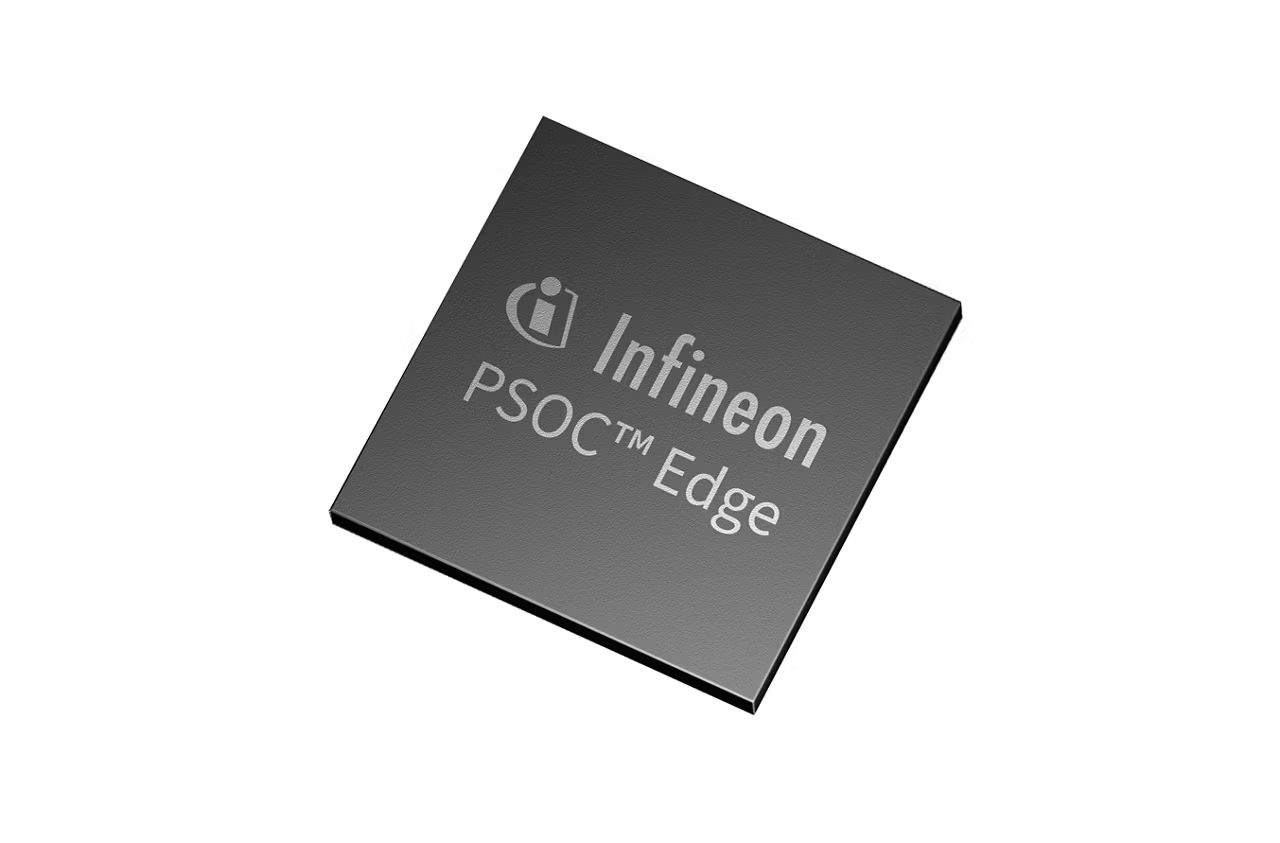
Infineon의 PSOC Edge MCU 이미지
3. 전력 효율의 신의 한 수 : 멀티 도메인과 ‘NN Lite’
엣지 환경의 가장 가혹한 제약 조건은 ‘전력’이다. 고성능 AI 연산은 필연적으로 높은 전력을 소모한다. 인피니언은 이 문제를 ‘로파워(Low Power) 도메인’과 ‘하이파워(High Power) 도메인’의 분리를 통해 해결했다.
시스템의 핵심에는 고성능 연산을 담당하는 Cortex-M55 CPU와 Ethos-U55 NPU가 자리 잡고 있다. 하지만 이들이 항상 동작한다면 배터리는 순식간에 방전될 것이다. 여기서 인피니언의 노하우가 빛을 발한다. 상시 대기(Always-on)가 필요한 상황에서는 저전력 도메인의 Cortex-M33과 인피니언의 독자 기술인 ‘NN Lite’가 동작한다.
이진용 매니저는 인터뷰 중 엣지 AI의 설계 철학에 대해 매우 인상적인 통찰을 전했다.
“엣지 AI 설계의 핵심은 최대 성능 수치를 뽐내는 것이 아니라, 제한된 자원 안에서 예측 가능한 성능과 전력 효율을 확보하는 ‘균형 설계’에 있습니다. PSoC™ Edge는 항상 깨어 있으면서도 전력을 낭비하지 않는 시스템을 구현할 때 가장 큰 가치를 가집니다.”
실제로 음성 인식 기기를 예로 들면, NN Lite가 아주 적은 전력으로 "하이 빅스비"와 같은 웨이크업 워드를 상시 감지하다가, 실제 복잡한 명령어가 입력되는 순간에만 하이파워 도메인의 Ethos-U55를 깨워 정밀한 추론을 수행한다. 이를 통해 사용자 체감 성능은 유지하면서도 평균 전력 소모를 비약적으로 낮춘 것이다.
4. 엔지니어의 고충을 해결하는 소프트웨어 : DEEPCRAFT
하드웨어가 아무리 훌륭해도 개발이 어렵다면 무용지물이다. 대부분의 MCU 엔지니어는 제어나 통신 설계에는 능숙하지만, 파이썬 기반의 AI 모델링이나 텐서플로우(TensorFlow) 같은 프레임워크에는 생소함을 느낀다.
인피니언은 이를 위해 ‘DEEPCRAFT’라는 강력한 툴을 제공한다. 이 툴은 데이터 수집부터 라벨링, 모델 최적화, 그리고 MCU용 C 코드 생성까지의 전 과정을 자동화한다. 이진용 매니저는 현장에서 엔지니어들이 겪는 시행착오를 수없이 지켜봐 온 실무자로서 다음과 같이 조언했다.
“MCU 엔지니어가 AI 전문가가 될 필요는 없습니다. DEEPCRAFT와 같은 툴은 엔지니어가 기존의 펌웨어 구조를 유지하면서도 필요한 AI 기능만 자연스럽게 통합할 수 있도록 돕습니다. 어떤 문제를 AI로 해결할지 명확히 정의하는 것만으로도 성공적인 엣지 AI 설계의 출발선에 설 수 있습니다.”
그는 덧붙여 AI 모델 개발에서 가장 고된 작업인 ‘라벨링’의 중요성을 언급하며, 양질의 데이터가 모델의 질을 결정한다는 점을 강조했다. 임베디드 엔지니어들이 파이썬 문법에 매몰되기보다 시스템 아키텍처 안에서 AI를 어디에 배치할지를 먼저 고민해야 한다는 것이 그의 지론이다.
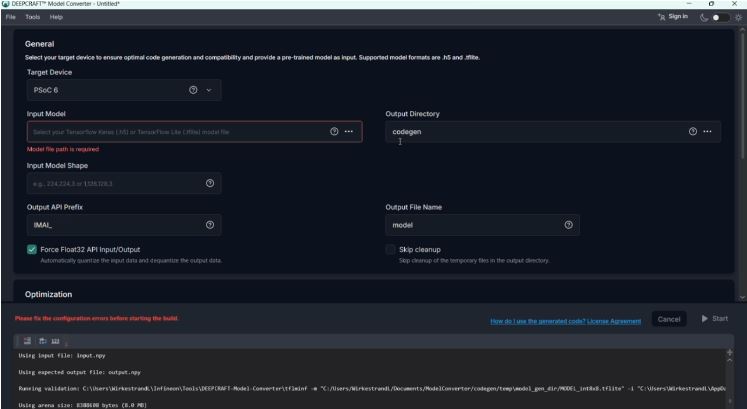
DeepCraft UI 이미지
5. 엣지 AI의 미래 : ‘피지컬 AI’와 로보틱스
인터뷰의 마지막은 엣지 AI가 나아갈 방향에 대한 담론으로 이어졌다. 이진용 매니저는 한국처럼 인터넷 환경이 완벽한 곳에서는 엣지 AI의 필요성을 간과하기 쉽다고 지적했다. 하지만 통신이 불안정한 해양 플랜트, 통신 차폐가 심한 산업 현장, 그리고 실시간 반응이 생명인 로보틱스 분야에서는 엣지 AI가 유일한 해답이다.
특히 최근 주목받는 ‘피지컬 AI(Physical AI)’는 엣지 AI MCU의 가장 매력적인 전장이다. 로봇이 외부의 도움 없이 스스로 시각과 청각 데이터를 처리하고 즉각적인 물리적 피드백을 주어야 하기 때문이다. 또한 가전 분야에서도 단순히 레이더 센서의 확률에 의존하던 ‘낙상 감지(Fall Detection)’ 기능을 AI 모델로 고도화하여 인식률을 기하급수적으로 높이는 시도가 이어지고 있다.
이진용 매니저는 “이 시장은 이제 시작 단계다. 보이지 않는 제한들은 기술의 발전과 함께 계속해서 파괴될 것이며, 인피니언은 그 선두에서 최적의 솔루션을 제공할 것” 이라며 자부심을 드러냈다.
MCU 엔지니어를 위한 새로운 시대의 초대
인피니언의 PSoC™ Edge는 단순한 칩 하나를 넘어, 임베디드 설계의 문법을 바꾸고 있다. CPU와 NPU의 완벽한 조화, SRAM 중심의 고성능 메모리 아키텍처, 그리고 초저전력을 실현하는 NN Lite 기술은 엣지 AI의 대중화를 이끄는 삼두마차다.
이제 공은 엔지니어들에게 넘어갔다. 복잡한 AI 수식에 겁먹을 필요는 없다. 이진용 매니저의 말처럼 시스템 아키텍처 내에서 AI의 자리를 정의하고, 인피니언이 제공하는 강력한 툴박스를 활용한다면, 누구나 지능형 엣지 기기의 창조자가 될 수 있다. 제어의 시대를 넘어 지능의 시대로, MCU의 진화는 지금 이 순간에도 현재 진행형이다.

Comments
Related news
.jpg)
Infineon Announces PSOC™ Edge MCUs with AI Capabilities for IoT, Consumer and Industrial Applications
Infineon Technologies (hereinafter referred to as Infineon) announced that it will provide MCU product families optimized for machine learning (ML) applications along with system development tools and ML software.
2024.04.18by 성유창 기자
Infineon Launches Programmable High Voltage PSoC™ 4 HVMS Family for Automotive Touch HMI and Smart Sensing
Infineon Technologies (hereinafter referred to as Infineon) is actively responding to the increasing demand for small form factor, highly integrated ICs driven by intensifying space constraints in automotive electronic circuits.
2024.05.13by 성유창 기자
“The most appropriate level for motor control” PSOC™ Control C3, a practical solution for the power control market
The PSOC™ Control C3 was designed with the core keywords of "appropriate level of high performance" rather than "unconditionally many features." Built on an ARM Cortex-M33 based MCU with high-resolution PWM (HRPWM), 12MSPS ADC, and CORDIC accelerator, it enables precise power control and motor control without complex configuration or external circuitry.
2025.05.09by 명세환 기자
Rewriting the MCU Concept: The Evolution of Infineon's PSoC™ 4100T Plus
Infineon's PSoC™ 4100T Plus is a true 'all-in-one MCU' that integrates multi-sensing capabilities—capacitive touch, inductive sensing, and liquid level detection—on a single chip, while incorporating a high-speed ADC, diverse communication interfaces, and Class B C2 safety features. In particular, the 5th-generation CAPSENSE™ technology enables precise and intuitive HMI implementation through enhanced sensitivity and low-power Always-On functionality, while also preparing for future machine learning-based on-chip interfaces. This product is drawing attention as a key solution that simultaneously improves design flexibility and system integration in home appliances, industrial, and automotive sectors where high reliability is required.
2025.08.07by 명세환 기자
Infineon and NVIDIA accelerate humanoid robot innovation, implementing precision control and real-time AI.
Infineon Technologies combines Infineon's microcontroller, sensor, and smart actuator technologies with the NVIDIA Jetson Thor series modules to enable OEMs and ODMs to rapidly implement scalable and precise robotic systems. In this collaboration, Infineon supplies the PSoC Control C3 microcontroller, which integrates seamlessly with NVIDIA's HoloScan Sensor Bridge. The product, combined with the Jetson Thor module, delivers real-time inference performance and scalability, and through field-oriented-control (FOC) algorithms, achieves noise reduction and stable torque output to minimize vibration in humanoid systems.
2025.08.27by 명세환 기자











