



MathWorks Korea: “Accelerating Engineering and Science Innovation Supports the Competitiveness of Korean Manufacturing”
 Published2026.04.07 13:12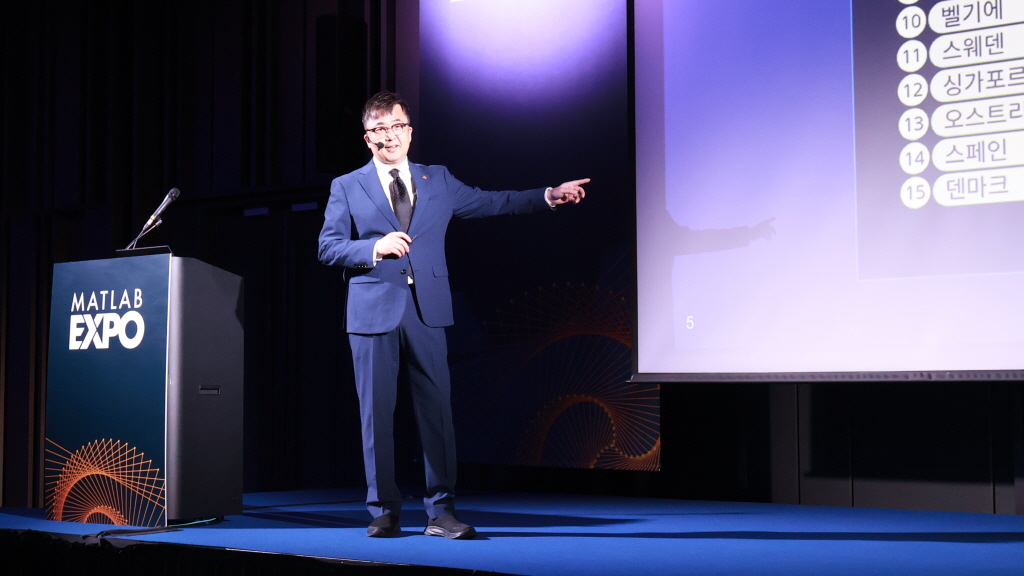
▲박주일 매스웍스코리아 사장이 행사 개막 인사말을 하고 있다.
“엔지니어링 커뮤니티 든든히 뒷받침하는 기술 파트너 될 것”
“매스웍스의 기술을 통해 한국 제조업 경쟁력 향상에 기여하는 것이 매스웍스코리아의 핵심 미션이다. 앞으로도 엔지니어링 커뮤니티를 든든히 뒷받침하는 기술 파트너가 되겠다”
매스웍스(MathWorks)는 7일 서울 코엑스에서 ‘매트랩 엑스포(MATLAB EXPO) 2026 코리아’를 개최했다. 이날 행사에는 약 350여 명의 엔지니어가 참석해 디지털 엔지니어링과 인공지능(AI), 모델 기반 설계 등 최신 기술 트렌드를 공유했다.
행사 개막 인사말에 나선 박주일 매스웍스코리아 사장은 “공학과 과학의 발전을 가속화하는 기술 혁신의 동력이 되는 것이 매스웍스의 존재 이유”라며 “지난 40년간 변함없이 지켜온 미션을 바탕으로 한국 엔지니어링 커뮤니티와 함께 성장해 나가겠다”고 밝혔다.
매스웍스는 1984년 잭 리틀(Jack Little)에 의해 설립된 이후, 모델 기반 설계(Model-Based Design)라는 새로운 엔지니어링 패러다임을 제시하며 글로벌 시장을 선도해 왔다.
현재 전 세계 180여 개국에서 500만 명 이상의 사용자를 확보하고 있으며, 6,500개 이상의 대학과 협력해 차세대 엔지니어 양성에도 힘쓰고 있다.
박주일 사장은 한국 제조업의 성장 과정도 조명했다.
박주일 사장은 “1990년대 초만 해도 한국은 글로벌 제조업 경쟁력 순위에 포함되지 않았지만, 공학과 과학 기술 혁신을 기반으로 눈부신 성장을 이뤄냈다”며 “오늘날 한국 제조업 경쟁력의 중심에는 현장에서 기술 혁신을 이끌어온 엔지니어들이 있다”고 강조했다.
다만 최근 산업 환경은 그 어느 때보다 복잡해지고 있다. 소프트웨어 정의 제품(SDP), 지능형 시스템, AI 기술 확산으로 제품과 시스템 개발 난이도가 급격히 높아졌고, 글로벌 경쟁 심화와 지정학적 불확실성은 기업들의 ‘타임 투 마켓(Time to Market)’ 압박을 가중시키고 있다. 여기에 탄소 감축과 에너지 전환 등 4차 산업혁명 흐름은 디지털 전환의 필요성을 더욱 부각시키고 있다.
박 사장은 “이러한 변화는 개발 비용 증가와 비효율로 이어질 수 있다”며 “매스웍스는 엔지니어들이 직면한 복합적인 압박을 해결할 수 있는 실질적인 해법을 제시하기 위해 이번 엑스포를 준비했다”고 설명했다.
이번 행사에서는 한국전자통신연구원(ETRI) 임흥식 본부장의 차세대 통신 기술 전망 발표를 비롯해, 매스웍스 본사의 사비르 박사가 ‘엔지니어링 설계에서의 AI 혁신’을 주제로 기조연설을 진행했다.
또한 매스웍스코리아 이영준 이사가 최신 시뮬링크(Simulink) 기술 동향을 소개했다.
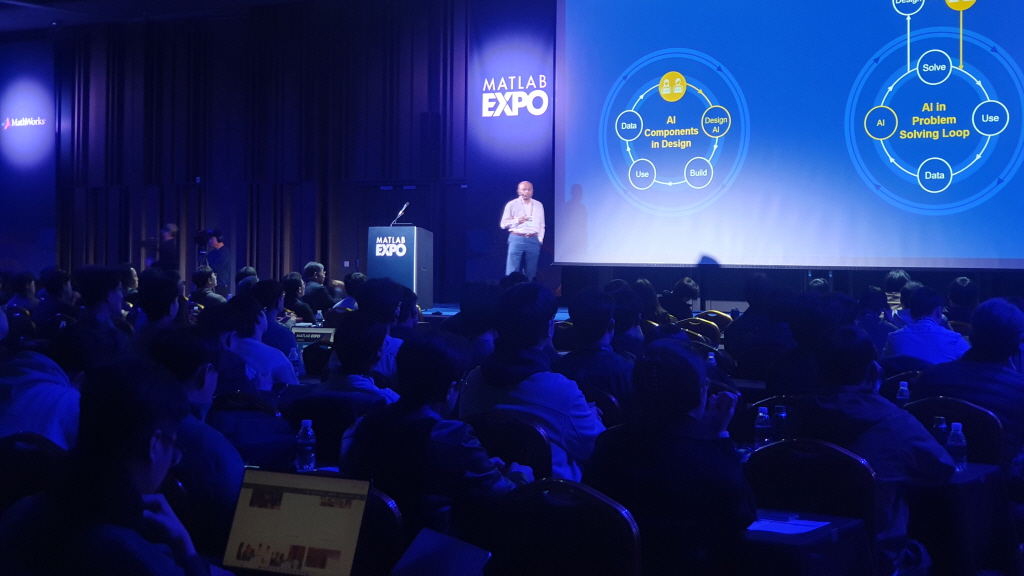
▲매트랩 엑스포 2026 코리아 모습
이와 함께 총 5개 메인 트랙에서 30여 개의 기술 세션이 운영됐으며, 11개의 데모 부스와 9개의 파트너 부스를 통해 다양한 산업별 적용 사례와 솔루션이 공개됐다.
매트랩 MCP(Model Context Protocol)를 활용한 생성형 AI 기반 개발 환경을 소개한 부스에서는 생성형 AI가 매트랩과 직접 연결돼 자연어 지시만으로 코드 생성과 실행, 검증까지 수행하는 워크플로우를 시연했다.
자연어로 입력한 요청이 실제 코드 실행과 분석으로 이어지는 과정을 통해 반복적인 코딩 부담을 줄이고, 개발자가 문제 해결에 집중할 수 있는 환경을 강조했다.
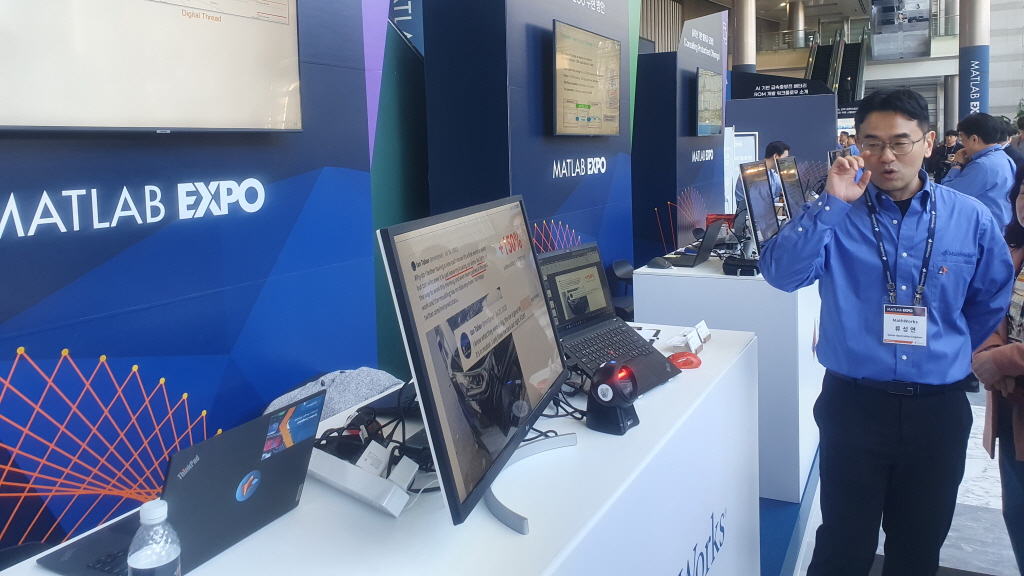
▲류성연 매스웍스 엔지니어가 데모부스를 소개하고 있다.
임베디드 시스템을 위한 초소형 AI 모델 개발과 배포 부스에서는 딥러닝 툴박스를 활용한 모델 경량화와 함께, R2026a 릴리즈에서 파이토치 및 라이트RT 모델을 별도 변환 없이 코드 생성에 활용할 수 있는 점이 특징이다. 이를 통해 온디바이스 AI 적용이 한층 수월해질 것으로 기대된다.
Simulink Copilot을 활용한 모델 기반 설계 가속화 사례 부스에서는 AI가 모델 구성과 검증, 오류 분석을 지원해 설계·검증 시간을 데모 기준 30∼50% 단축하는 과정을 보여주며, 복잡한 시스템 개발에서의 생산성 향상을 강조했다.
Polyspace 기반 통합 코드 검증 부스에서는 정적 분석과 동적 테스트를 CI 파이프라인에 통합하는 방안을 제시했다. 코드 품질과 안전성을 체계적으로 확보해 재작업과 리스크를 줄이는 것이 핵심이다.
AI를 활용한 급속 충·방전 배터리 ROM 개발 워크플로 부스에서는 데이터 기반 모델링으로 배터리 성능과 안전성을 빠르게 예측해 가상 환경에서 설계를 가속하는 접근법을 제시했다.
ISO 21434 대응 부스에서는 모델 기반 사이버 보안 설계를 다뤘다. 시스템 컴포저와 시뮬레이션 기반 분석을 통해 설계 초기부터 보안 위협을 식별하고 대응 전략을 검증하는 방식을 제시했다.
이번 매트랩 엑스포 코리아 2026은 AI가 엔지니어링 전 과정에 깊숙이 통합되는 미래 개발 환경의 방향성을 분명히 보여줬다.
박주일 사장은 “매스웍스의 기술을 통해 한국 제조업 경쟁력 향상에 기여하는 것이 매스웍스코리아의 핵심 미션”이라며 “앞으로도 엔지니어링 커뮤니티를 든든히 뒷받침하는 기술 파트너가 되겠다”고 말했다.
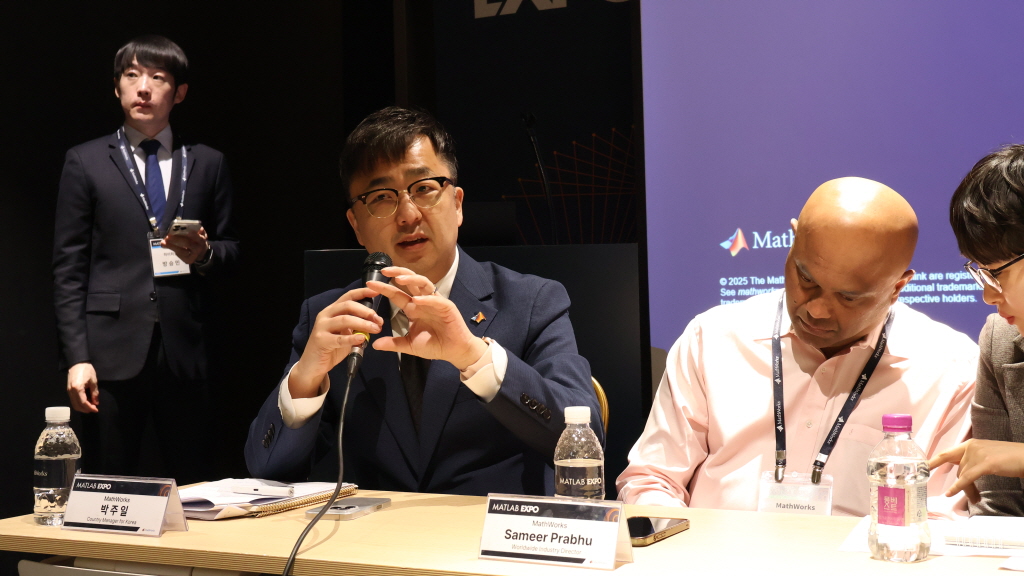
▲박주일 매스웍스코리아 사장이 기자간담회에서 기자들의 질문에 답하고 있다.

Comments
Related news
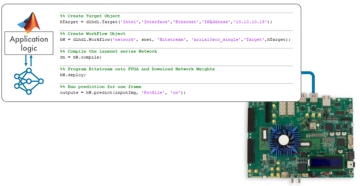
MathWorks and Altera Accelerate 5G/6G Wireless System Development with AI
MathWorks accelerates the development of 5G and 6G wireless communication systems through collaboration with Altera leveraging AI technologies.
2025.03.27by 배종인 기자
“MATLAB supports technological development in various industries including AI, electrification, and mobility”
MathWorks, a leading developer in the technical computing software field, successfully held 'MATLAB EXPO 2025 Korea' on the 8th at the COEX Grand Ballroom and ASEM Ballroom. The event was attended by over 1,500 domestic and international technical experts and MATLAB and Simulink users, who reviewed the latest technologies and engineering trends across various industrial sectors.
2025.04.08by 배종인 기자
“MathWorks provides AI model compression… ST, TI, and NXP boards can utilize ultra-small neural networks”
As AI model deployment on small devices is becoming mainstream, the communication and collaboration between algorithm developers and embedded S/W developers in the AI product development process has become significantly more complex, requiring repetitive verification and testing procedures. MathWorks unveiled solutions and demonstrations to simplify these development processes, thereby promoting the digitalization of engineering systems.
2025.04.08by 명세환 기자
MathWorks Accelerates Mazda's Next-Generation Autonomous Driving Development
MathWorks, a global leader in technical computing software, is supporting Mazda's next-generation AD/ADAS development, enabling developers to apply real-world driving data to virtual simulation environments for rapid and safe testing and validation of various scenarios.
2025.04.17by 명세환 기자
MATLAB Parallel Server Hosting National Supercomputing Center Research Productivity Improvement
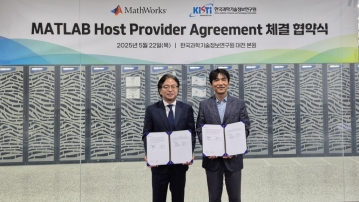
MathWorks, a leading company in technical computing software, signed an agreement on the 22nd with the Korea Institute of Science and Technology Information (KISTI) at KISTI's headquarters in Daejeon to provide hosting services for MATLAB and MATLAB Parallel Server. Through this agreement, MATLAB users will be able to utilize the high-performance computing resources of the National Supercomputing Center, which is expected to significantly improve research productivity through large-scale data processing, complex calculations, and AI model training.
2025.05.23by 배종인 기자











