


[Interview] Lee Jun-ho, Director at Monolithic Power Systems (MPS), "Stable Power Solutions Support Essential for SDV Transition"
 Published2026.08.10 13:50
“SDV 전환 안정적 전력 솔루션 지원 必”
전자·전력 아키텍처 복잡, 안정적 전력 공급·보호·모니터링 핵심
MPS, PMIC 보호·보호 IC·센싱·분산 전력 솔루션 통해 SDV 지원
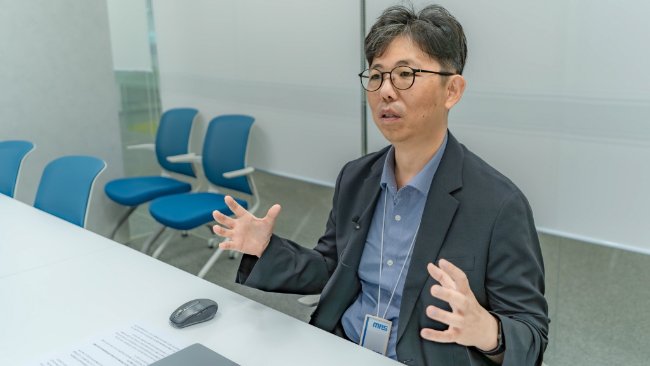
[편집자 주]SDV 시대에는 차량의 전자·전력 아키텍처가 복잡해지면서 안정적 전력 공급·보호·모니터링이 핵심이 되고, SDV 구현을 위해 안정적인 전력 솔루션이 반드시 뒷받침돼야 한다. 이러한 가운데 Monolithic Power Systems(MPS)는 PMIC·보호 IC·센싱·분산 전력 솔루션으로 안정적인 전력 아키텍처 구축을 지원하며, SDV 전환을 적극 지원하고 있다. 이에 본지는 전장 시스템 전문가인 이준호 MPS 이사와 만나 SDV를 위한 전력 아키텍처와 전력 변환에 대해 자세히 들어보는 자리를 마련했다.
■ SDV 전환이 자동차 전원 아키텍처에 가져온 가장 큰 변화는 무엇인지 궁금하다
핵심적으로는 ‘분산형 전원 공급’에서 ‘중앙 집중형 지능형 전력 관리’로의 전환이라고 볼 수 있다.
기존 차량은 기능별 ECU마다 개별적으로 전원을 공급하는 구조였다면, SDV에서는 중앙 컴퓨팅과 존 아키텍처(Zonal Architecture)를 기반으로 차량 전체의 전력을 통합적으로 관리하는 방향으로 진화하고 있다.
이에 따라 전원 시스템 역시 단순히 전압을 공급하는 역할을 넘어, 전력 분배와 보호, 상태 모니터링까지 수행하는 핵심 인프라로 자리 잡고 있다.
예를 들어 기계식 퓨즈 중심의 보호 방식에서 e-Fuse와 같은 반도체 기반 보호 기술이 확대되면서 보다 정밀한 전력 제어와 시스템 진단이 가능해지고 있다.
향후 SDV에서는 AI 프로세서와 고성능 컴퓨팅 플랫폼에 필요한 대전류를 얼마나 효율적이고 안정적으로 공급할 수 있는지, 그리고 장애 상황에서도 시스템 가용성을 유지할 수 있는 전원 설계 기술이 차량 경쟁력을 좌우하는 중요한 요소가 될 것으로 보고 있다.
■ 중앙 컴퓨팅·존 아키텍처 확산으로 저전압·고전류 전원 설계의 난이도는 어떻게 달라지고 있는지
최근 중앙 컴퓨팅 구조가 확대되면서 전원 설계의 난이도는 이전과 비교하기 어려울 정도로 높아지고 있다.
최신 AI SoC와 고성능 프로세서는 1V 미만의 저전압 환경에서 수백 A에 이르는 대전류를 안정적으로 공급받아야 한다.
이러한 환경에서는 아주 미세한 전압 강하(IR Drop)이나 리플, 순간적인 부하 변화만으로도 시스템 성능 저하나 오동작이 발생할 수 있기 때문에 매우 빠른 과도응답과 높은 전압 정확도가 필수적이다.
또한 고효율 전력 변환을 통한 발열 관리, 정밀한 전류 센싱, EMI/EMC 대응, 패키지 및 방열 설계까지 함께 고려해야 하므로 전원 솔루션 자체가 시스템 성능을 결정하는 핵심 요소가 되고 있다.
결과적으로 전원 설계 능력 자체가 SDV 컴퓨팅의 최대 성능을 끌어내고 시스템 안정성을 보장하는 핵심 경쟁력으로 진화하고 있다.
■ 스마트 아이디얼 다이오드 컨트롤러와 같은 프런트엔드 보호 기술이 SDV 신뢰성에 어떤 역할을 하는지 알고 싶다
프런트엔드 보호 기술은 SDV의 안정성과 가용성을 확보하는 첫 번째 안전장치라고 할 수 있다.
SDV는 자율주행과 OTA, 다양한 차량 서비스를 안정적으로 운영해야 하므로 입력단에서 발생할 수 있는 역전압, 과전류, 서지(Surge)와 같은 이상 상황으로부터 시스템을 신속하게 보호하는 것이 매우 중요하다.
스마트 아이디얼 다이오드 컨트롤러는 기존 다이오드 방식 대비 전력 손실과 발열을 줄이면서 전원 이상 상황으로부터 시스템을 효과적으로 보호하는 역할을 수행한다.
더불어 주행 중 전원 리던던시(Redundancy) 발생 시, 매끄럽고 신속한 전원 전환을 가능하게 함으로써 차량 컴퓨팅의 끊김이 없는 전원 공급과 높은 수준의 시스템 신뢰성 확보에 기여한다.
■ 전류 센싱과 디지털 전력 모니터링은 SDV의 진단·예지보전·안전 제어와 어떻게 연결될 수 있는지 궁금하다
SDV 환경에서 전원 시스템은 단순한 전력 공급 장치를 넘어 차량 상태를 실시간으로 파악하는 핵심 데이터소스로 발전하고 있다.
전류 센싱과 디지털 전력 모니터링을 통해 전압, 전류, 전력, 온도 등의 정보를 지속적으로 수집하면 시스템 부하 변화나 부품의 열화 징후를 조기에 감지할 수 있다.
이러한 데이터는 차량 제어 시스템과 연계되어 이상 상황을 더욱 빠르게 판단하고 필요한 보호 동작을 수행하는 데 활용될 수 있다.
또한 이러한 전력 데이터는 ISO 26262 기반 기능 안전 구현을 지원하는 것은 물론, 원격 진단, OTA 업데이트 등 SDV 차량의 가용성을 끌어 올리고, 시스템 전체의 안정성을 담보하는 핵심 축이 될 것으로 기대된다.
■ MPS는 고집적 전원 모듈, 보호 IC, 센서, 모터 드라이버를 통해 SDV 전력 플랫폼을 어떻게 지원할 수 있는지 알고 싶다
MPS는 전원 관리 IC(PMIC)를 비롯해 고집적 전원 모듈, 스마트 보호 IC, 전류 센싱 솔루션, 자기식 위치 센서, 모터 드라이버 등 SDV 구현에 필요한 핵심 아날로그 및 전력 반도체 포트폴리오를 폭넓게 제공하고 있다.
특히 SDV에서는 중앙 컴퓨팅과 AI 프로세서의 전력 요구사항이 빠르게 증가하면서 고효율·고전력 밀도·고신뢰성을 동시에 만족하는 전원 솔루션이 중요해지고 있다.
MPS의 전원 모듈은 높은 집적도를 바탕으로 설계 복잡도를 줄이고 개발 기간을 단축하는 데 기여하며, 보호 IC와 전류 센싱 솔루션은 차량 전원의 안정성과 기능 안전 구현을 지원한다.
또한 자기식 위치 센서와 모터 드라이버는 전동화 시스템과 차량 제어 성능 향상에 필요한 정밀한 제어를 가능하게 한다.
개별 제품 공급에 그치지 않고, 전원 공급부터 보호, 센싱, 모터 제어에 이르는 다양한 기술을 바탕으로 고객이 더 효율적이고 신뢰성 높은 SDV 플랫폼을 구현할 수 있도록 지원하고 있다.
■ 마지막으로 e4ds Tech Day 2026을 통해 참석자들에게 가장 전달하고 싶은 메시지는
SDV 시대로의 전환은 자동차 전자 아키텍처뿐 아니라 전력 아키텍처의 패러다임까지 변화시키고 있다.
이제 전원 설계는 단순한 전력 공급이 아니라 컴퓨팅 성능과 시스템 신뢰성, 기능 안전을 좌우하는 핵심 기술이 됐다.
이번 테크데이에서는 MPS가 보유한 전력 솔루션의 우수성을 소개하고, 실제 개발 과정에서 직면하는 전원 설계 과제를 함께 논의하는 자리가 되기를 기대한다.
앞으로도 MPS는 초고효율, 고집적, 고신뢰성 전력 기술을 기반으로 고객이 차세대 SDV 플랫폼을 더 안정적으로 구현할 수 있도록 지속적으로 기술 혁신을 이어갈 계획이다.
한편 ‘SDV 시대를 위한 전력 아키텍처와 전력 변환의 미래’를 주제로 진행되는 이준호 Monolithic Power Systems(MPS) 이사의 발표는 ‘e4ds Tech Day 2026’에서 들을 수 있다. 접수는 아래 배너를 클릭하면 된다.

Comments
Related news
.jpg)
Mouser supplies AMD/Xilinx Kria K24 SOM
Mouser Electronics, a globally authorized distributor of cutting-edge electronic components and industrial automation products, supplies AMD/Xilinx's Kria™ K24 SOM (System-on-Module). The K24 SOM is a cost-effective solution featuring a customizable Zynq™ UltraScale+™ MPSoC device in a form factor approximately half the size of a credit card, delivering the power, cost, and performance suitable for DSP-based industrial applications such as motor control, medical equipment, sensor fusion, multi-axis robotics, and factory automation.
2024.05.20by 배종인 기자
STMicroelectronics Launches Ultra-Compact, High-Efficiency Synchronous Rectifier Controller, the SRK1004
Global semiconductor company STMicroelectronics (hereinafter ST) has launched the 'SRK1004,' an ultra-compact synchronous rectifier controller optimized for charger, power adapter, and switched-mode power supply (SMPS) design, strengthening its position in the mobile charger, home appliance, and industrial power markets where demand for high-efficiency and ultra-compact power solutions is rapidly increasing.
2026.01.22by 명세환 기자
.jpg)
MPS, “High-Current, Low-Voltage FPGA & ASIC Power Design, Multiphase Converter Solutions Rapidly Emerging”
We spoke with Thomas Hudson, MPS Senior Product Marketing Engineer, about design approaches for multiphase converters in high-current environments.
2026.02.06by 명세환 기자
.jpg)
Kim Seon-min, Director of Technical Support at MPS, “Current Sensors Rapidly Emerge as Key Elements in the Era of Solar, Wind, and ESS Expansion”
With the expansion of solar, wind, and ESS driven by carbon neutrality, the importance of current sensors in renewable energy systems is increasing. We heard from Kim Sun-min, Director of Technical Support at MPS, about the key role of current sensors in renewable energy systems.
2026.02.26by 편집부
MPS, “‘MPM3695 Family’ Meets High-Current, Low-Voltage Power Supply Design Demands”
MPS Technical Support Director Jung Tae-hoon discusses integrated power modules for high-current power design, a new approach to flexible output voltage configuration.
2026.03.11by 편집부











