



[Reporter's Notebook] Do you know how to catch crocodiles in the Yangtze River?
 Published2015.11.17 09:42
‘양쯔강의 악어’는 원래 중국 최대 전자상거래 기업 알리바바 그룹의 별명이었다.
알리바바의 타오바오와 미국 이베이가 2000년대 초반 중국시장을 놓고 한창 싸울 때 붙여진 말이다. 알리바바의 마윈 회장이 이베이가 ‘바다의 상어’라면 알리바바는 양쯔강의 악어라고 부른 데서 따왔다. 상어가 바다에서는 무적일지 몰라도, 강에서는 악어가 상어를 이길 수 있다는 의미이다. 결말은 모두 아는 그대로 악어가 상어를 이겼고, 이베이는 중국에서 두 손을 들었다.
이제 양쯔강의 악어는 비단 알리바바만을 지칭하지 않는다. 상어를 집어삼킨 이 중국의 악어가 스마트폰, TV, 디스플레이에 이어 첨단 산업의 상징인 ‘반도체’까지 잡아먹을 기세다. 언제 이렇게 양쯔강의 악어는 닥치는 대로 집어삼키는 무시무시한 존재가 되었던 것일까.
그러고 보니, 언젠가 동물의 왕국에서 봤던 장면이 떠올랐다. 늪 속에 웅크리고 있던 악어가 물을 마시러 온 초식동물을 향해 순식간에 솟구쳐 오르는 모습을. 물 속에서 튀어 오르는 순간, 그 악어는 더 이상 늪 속에서 느릿느릿 기어 다니는 거대한 파충류의 하나가 아니었다.
중국 향후 5년 110조 원 조성, 반도체 자급률 50%까지 끌어올릴 것
최근 중국 반도체 산업의 움직임을 보면 늪 속에 오랫동안 웅크리며 먹잇감을 노리는 악어의 모습 그대로라는 생각을 지울 수 없다. 그들은 방심하는 먹잇감을 노리기 위해 끈기있게 기다리고 기다렸던 것이다. 10여 년 전 디스플레이 분야의 단순한 모듈부터 시작해 지금의 세계 최대 LCD 생산 국가의 하나로 떠오른 것도, 중국발 강력한 LED 공급 확대로 글로벌 시장 지배력이 강화된 것도 모두 오랜 시간 웅크리고 있었던 만큼의 반동력을 보여준 것이다. 중국의 굴기가 하루 아침에 일어난 일이 아니라는 사례가 하나둘씩 늘어나고 있을 뿐이다.
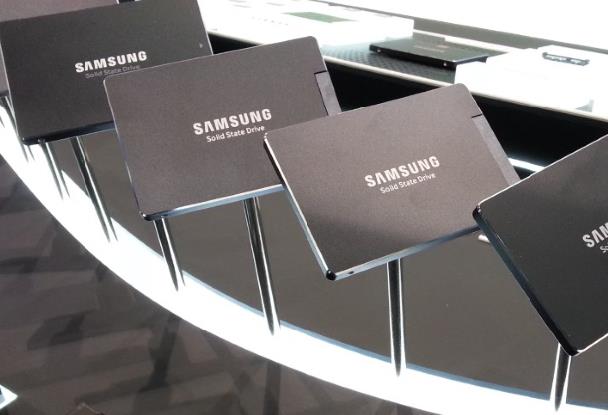
▲SSD를 향한 중국의 움직임은 이미 시작됐다. 샌디스크를 인수한 웨스턴디지털 뒤에는 중국자본이 있다.
사진은 전시장에 전시된 삼성 SSD의 이미지 모습.
중국의 굴기는 2017년 중국 대형 LCD 공급능력이 한국을 추월하고, 2016년 중소형 LCD 공급능력이 일본을 추월할 것이라는 전망에 그치지 않고 궁극적으로 반도체 산업까지 뻗쳐 있다. 2015년 전세계 반도체 총 시장규모는 약 3,430억 달러이고 이중 중국의 반도체 소비액은 2,100억 달러 이상에 이를 것으로 보인다. 이에 반해 중국반도체의 자급률은 11.7%에 불과하다는 점이 중국이 반도체 굴기에 매달리게 한 원동력이다. 중국 정부는 반도체 산업 육성을 위해 5년간 110조원을 조성해 반도체 자급률 비중을 50%까지 끌어올린다는 계획이다.
중국의 반도체 육성 전략은 M&A 움직임에서도 극명하게 드러나고 있다. 도시바와 합작하고 있던 샌디스크(세계 3위 낸드기업)를 웨스턴디스털(세계 1위 HDD기업)이 인수했다. 웨스턴디스털에 지분을 투자해 최대 주주로 등극한 이는 바로 중국 칭화홀딩스이다. 이들의 움직임은 2016년 SSD 노트북이 HDD 노트북 수요를 추월할 것이라는 전망과 닿아있다.
중국의 메모리 산업 진출은 국내 반도체 산업의 위기에 직격탄이다. 샌디스크 인수가 성공적으로 마무리된 후 대만 디램 업체 인수 혹은 전략적 제휴를 통해 메모리 산업을 확대한다는 시나리오가 착실히 실현되고 있는 셈이다. 중국기업의 마이크론 인수와 도시바 낸드 사업 인수 시나리오는 메모리 업계의 최대이자 최악의 변수이다. 이는 단순한 기업의 인수합병을 떠나 세계 반도체 산업의 헤게모니의 변화라는 측면에서 국가 간의 신경전으로 확대되는 형국이다.
우리가 차세대 기술 투자한다고 중국 따라오지 못할까
그렇다면 우리는 양쯔강의 악어와 어떻게 싸워야 이길 수 있나. 전문가들은 디램은 18nm 등 미세 공정 도입으로 경쟁력을 강화하고 낸드 메모리는 48단, 64단 3D 낸드에 투자해야 한다고 말한다. 다시 말해 차세대 메모리 공정에 투자하여 중국과 경쟁에서 이겨야 한다고 강조한다. 하지만 돈(투자)으로 벌릴 수 있는 간격은 돈으로 얼마든지 좁힐 수 있다는 점을 잊어서는 안 된다. 돈과 의지(반도체 강국)를 가진 중국이 어떤 식으로든지 기술 격차를 좁히려들 것은 불 보듯 뻔하기 때문이다.
무서운 기세를 몰아 부치고 있는 중국의 IT 굴기로 인하여 그동안 효자 수출 품목으로 대접받아 온 반도체가 향후 5~10년 안에 엄청난 위기를 맞을 수 있다는 얘기가 전망 아닌 ‘경고’가 되고 있다. 이처럼 반도체 산업에 ‘빨간불’이 들어왔는데 우리는 어떻게 대응하고 있는가. 한 푼이라도 더 산업에 투자해야할 마당에 있는 예산도 사라지고 있다는 소식이 들려온다. 적어도 산업통상부의 내년 신규 R&D 예산이 제로(0)라는 현실은 우리가 반도체 산업의 ‘경고등’을 ‘축하등’으로 오해하고 있는 게 아닐까하는 생각이 들 정도이다.
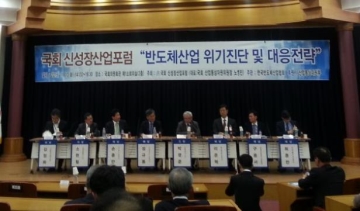
지난 10일, 국회에서는 반도체산업 위기 진단 및 대응전략을 주제로 국회 신성장산업포럼이 열렸다. 법을 만드는 ‘의원님’들이 “기술집약적 산업, 중소기업의 경쟁력을 강화하고 신산업 창출과 육성을 위한 제도개선을 하기 위해” 결성한 포럼이라고 하는데, 그 많은 신성장분야에서 반도체가 차지하는 비중이 얼마나 되는지는 모르겠다.
바쁘신 의원님들이 여럿 다녀갔고, 반도체 산업을 논하는 자리에는 어김없이 등장하는 투자, 인력양성 문제 등 단골 메뉴가 다시 나왔다. 당장 어떻게 하자거나 어떤 결론을 내자는 자리는 아니었으나 말그대로 위기 ‘진단’을 형식적으로 반복한다는 느낌을 저버릴 수 없었다. 그 씁쓸한 느낌은 막연한 두려운 느낌과 다르지 않았다. 우리가 한가롭게 물가의 물을 마실 때, 느닷없이 나타나 다리를 잡아채는 악어의 그 이빨. 이제는 중국산을 중국산이라고 폄하할 일이 아니고 중국산이기 때문에 두려워해야 하는 현실이 코 앞에 다가왔다. 양쯔강의 악어에게 자비를 바라는 것만큼 어리석은 짓은 없을 것이다.
Comments
Related news
Why are there no success stories in system semiconductors?
I threw out a somewhat silly question. "Why should we pursue intelligent semiconductor business?" Song Yong-ho, head of the Intelligent Semiconductor Promotion Division, answered. "While we've been making a living off IT set exports until now, it's about components. Intelligent semiconductors are ICT convergence components. We've entered an era where a single component becomes a set." His words were self-evident, and the message was clear. However, reality is not easy. The government is reducing budgets for foundational technologies like semiconductors, and even then demanding immediate results. While it's understandable given that it involves public tax money, the focus is only on quick outcomes until the project concludes in 2020. It's frustrating when asked right now what system semiconductors that we've invested in so far have been manufactured well. The nature of system semiconductors is custom design. It's not about putting products on a shelf in a department store and selling them, but rather about the ability to manufacture according to customer requirements.
2015.07.28by 신윤오 기자
[Reporter's Notebook] Why Did a Fabless CEO Focus on System Semiconductors?
Is there really no way to break through? A discussion meant to examine the reality of the system semiconductor industry has once again become a repetitive cycle of rehashing the same fundamentals. The venue was the KINKTEX Conference Room on the 13th, during a panel discussion session for establishing system semiconductor development policies as part of the Semiconductor Industry Expo's Semiconductor Industry Development Strategy Seminar.
2015.10.19by 신윤오 기자
What are the countermeasures for Korea's semiconductor industry, which is currently being closely pursued by China?
On November 10, 2015, the National Assembly's New Growth Industry Forum held a session on "Semiconductor Industry Crisis Diagnosis and Response Strategy" at the National Assembly Members' Hall. The forum was organized to analyze the current state of Korea's semiconductor industry and to explore support measures for strategic industries capable of sustainable growth in the future.
2015.11.10by

Intel Unveils Next-Generation 'Core Ultra Series 3' and vPro Platform for Enterprise PCs
Intel has officially unveiled the "Intel Core Ultra Series 3" for next-generation enterprise PCs and the latest vPro platform, addressing a wide range of demands from enterprise notebooks to high-performance workstations.
2026.03.26by 배종인 기자

ROHM Launches ESD Protection Diode Compatible with High-Speed Interfaces of 10Gbps or Higher
Semiconductor specialist ROHM has developed the 'RESDxVx series' of ESD (electrostatic discharge) protection diodes capable of responding to next-generation high-speed data communication environments exceeding 10Gbps, simultaneously enhancing both signal quality maintenance required in high-speed interfaces and IC protection performance.
2026.03.26by 배종인 기자











