



Samsung Electronics reports strong second-quarter performance across various sectors, including mobile displays
 Published2016.07.28 09:07
Sales increased 5% and operating profit 18% compared to the same period last year.
On the 28th, Samsung Electronics announced its second-quarter 2016 results, reporting consolidated revenue of 50.94 trillion won and an operating profit of 8.14 trillion won.
Sales increased by 5% compared to 48.54 trillion won in the same period last year, and operating profit increased by 18% compared to 6.9 trillion won in the same period last year. Compared to the previous quarter, sales increased by 2%, and operating profit increased by 22%.
Samsung Electronics' improved second-quarter performance is the result of strong results in each sector, driven by differentiated core competitiveness across its set businesses, such as IM and CE, and its components businesses, such as semiconductors and displays. The set business recorded a clear recovery trend, with performance improving significantly compared to both the same period last year and the previous quarter. Strong sales of the Galaxy S7 and S7 Edge drove the improvement in the IM business.
The CE division saw a significant increase in performance driven by strong sales of premium products, including SUHD TVs, Chef Collection refrigerators, Wind-Free air conditioners, and AddWash/ActiveWash washing machines. Although the components business experienced a decline compared to the same period last year due to factors such as falling component prices, it posted solid results as performance improved compared to the previous quarter.
With demand increasing for semiconductors centered on mobile and SSDs, the company achieved solid performance through the competitiveness of differentiated products such as 20nm DRAM, V-NAND, and 14nm mobile APs.
The display business turned profitable as LCD yields stabilized and OLED utilization rates increased.
Meanwhile, in the second quarter, the won showed strength against major currencies such as the dollar and the euro.Meanwhile, a negative exchange rate impact of approximately 300 billion won occurred compared to the previous quarter, centered on the parts business.
Solid performance expected to continue in the second half of the year
Solid performance is expected to continue in the second half of the year.
The parts business is expected to see improved performance compared to the first half of the year, driven by increased sales of high-value-added products amidst stabilized supply and demand.
The set business is expected to continue its year-over-year performance growth, despite anticipated increases in marketing costs due to the expansion of new product launches.
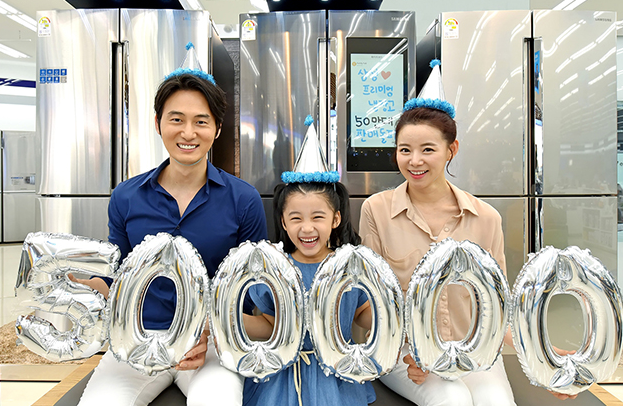
In particular, in the third quarter, the components business is expected to maintain a solid trend in OLED performance as supply and demand for memory and LCD improves, while the set business is expected to see increased marketing expenses in the IM business due to new product launches and intensified market competition, as the CE business is affected by the off-season.
Capital investment in the second quarter amounted to 4.2 trillion won, with 2.0 trillion won in semiconductors and 1.6 trillion won in displays by business segment. Cumulative investment for the first half of the year totaled 8.8 trillion won. While the overall capital investment plan for 2016 has not yet been finalized, it is expected to increase slightly compared to the previous year.
With demand for smartphone OLED panels and V-NAND SSDs expected to increase significantly next year, this year's investment is likely to focus on expanding OLED and V-NAND production capacity.
Solid performance in both semiconductor, memory, and system LSI
In the second quarter, the semiconductor business achieved solid results in both memory and system LSI, recording sales of 12 trillion won and an operating profit of 2.64 trillion won.
With demand in the memory market increasing in the second quarter, centered on mobile and SSDs, Samsung Electronics achieved solid performance following the previous quarter through cost reductions resulting from continuous process transitions.
In the case of NAND, performance improved by responding to the continued strong demand for high-capacity SSDs for servers and the increasing demand for high-capacity storage from mobile companies in Greater China, while expanding the supply of 48-layer V-NAND. DRAM achieved solid performance driven by increased sales of 20nm products for mobile and servers.
With the memory semiconductor market expected to stabilize further in the second half of the year as the trend toward higher capacity across all applications continues, Samsung Electronics plans to continue improving its performance by strengthening the competitiveness of its high-capacity premium products.
Maintaining leadership in advanced process technology of 14nm or smaller
NAND supply and demand are expected to continue improving as demand for high-capacity products increases in server and mobile applications. Samsung Electronics plans to further enhance profitability by expanding the supply of the industry's only 48-layer V-NAND. Robust market demand for DRAM is also expected to persist, and the company plans to expand the supply of high-value solutions based on its mature 20-nanometer process.
The System LSI business saw improved performance compared to the previous quarter due to strong demand for 14nm mobile APs installed in premium smartphones and increased sales of high-resolution image sensors with over 13 million pixels. This is the result of the strategy pursued to diversify foundry customers and strengthen the mid-to-low-end mobile AP lineup.
In the second half of the year, Samsung Electronics plans to maintain its leadership in advanced process technology of 14 nanometers or less and continue its robust sales by diversifying its customers and products.
Expansion of sales of display panels and OLEDs, and improvement in yield of new LCD manufacturing processes
The display business recorded sales of 6.42 trillion won and an operating profit of 0.14 trillion won in the second quarter.
In the second quarter, performance improved compared to the previous quarter due to expanded OLED sales, improved yield of new LCD manufacturing processes, and increased sales of large TV panels. The display business is expected to continue improving performance in the second half of the year.
In the case of OLED, the company plans to continue improving performance by expanding sales of high-value panels such as flexible and high-resolution displays amidst expected growth in market demand, and in the case of LCD, it plans to improve performance by expanding sales of high-value panels such as UHD and ultra-large displays amidst improved supply and demand.
In particular, OLED panels have pioneered the market through preemptive investment and technology development, and have further expanded the market by taking a technological leap forward through the mass production of flexible panels. We plan to continue expanding sales to external customers and developing innovative products in the future.
The wireless business improved performance due to strong sales of the Galaxy S7 and S7 Edge.
In the second quarter, the IM division recorded sales of 26.56 trillion won and an operating profit of 4.32 trillion won.
In the second quarter, the wireless business saw an increase in performance compared to the previous quarter, driven by strong sales of the Galaxy S7 and S7 Edge. In particular, the fact that Edge sales accounted for over 50% of the Galaxy S7 product lineup and that the profitability of mid-range smartphones such as the Galaxy A/J series remained at the previous quarter's level through model optimization contributed to the improved performance.
Samsung Electronics has been showing improved performance compared to the previous year for two consecutive quarters as the effects of its efforts to streamline models and continuously strengthen product competitiveness, which have been actively pursued since last year, have become visible since the beginning of this year.
While demand for smartphones and tablets is expected to grow in the second half of the year, which is the peak season, market competition is also projected to intensify. Samsung Electronics plans to strive to sustain the trend of year-on-year performance improvement in the second half by maintaining robust sales of premium models and continuously streamlining its product lineup.
Meanwhile, demand for smartphones and tablets is expected to grow compared to the previous quarter in the third quarter as it enters the peak season.
Samsung Electronics plans to increase smartphone sales volume compared to the previous quarter by maintaining strong premium smartphone sales through the launch of large-screen flagship models and continued sales of the Galaxy S7 and S7 Edge, while expanding sales of mid-range and budget smartphones and launching full-scale sales of the China-specific Galaxy C series. However, the seasonal peak periodIncreased competition and rising marketing costs resulting from this are expected to have some impact on profits.
The network business saw improved performance in the second quarter due to increased LTE investment by major clients, and plans to actively pursue revenue expansion in the third quarter through securing LTE expansion projects.
CE, TV, and home appliances all showed improved performance compared to the previous year.
In the second quarter, the CE division recorded sales of 11.55 trillion won and an operating profit of 1.03 trillion won. Performance improved for both TVs and home appliances compared to the previous year.
In the case of TVs, sales of premium products such as SUHD TVs and Curved TVs expanded due to the full-scale launch of new products and the special effect of global sports events. In home appliances, sales of premium products such as Chef Collection refrigerators, Wind-Free air conditioners, and AddWash/ActiveWash washing machines also drove performance.
Samsung Electronics is maintaining steady performance growth across all product lines by focusing on developing innovative products that reflect diverse consumer needs and making efforts such as effective marketing at customer touchpoints. In the second half of the year, market demand for CE products is expected to slow due to weakened consumer sentiment in Europe and growth markets, as well as the continued economic downturn.
Samsung Electronics plans to pursue year-over-year sales growth and improved profitability in the TV sector by strengthening marketing for SUHD TVs that emphasize Quantum Dot technology and planning promotions with business partners. In the home appliance sector, the company plans to drive sustainable growth by expanding the launch of innovative products that offer new experiences and strengthening its B2B business.
Comments
Related news
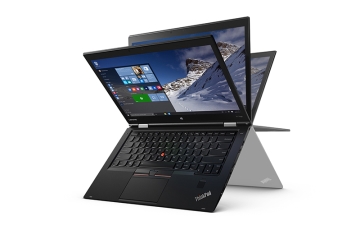
Lenovo Announces Third Quarter Results with 14.6% Gross Profit Margin
Lenovo announced its third quarter results for the fiscal year ended December 31, 2015. Quarterly revenue was USD 12.9 billion, down 8% year-over-year, but down only 2% excluding the impact of currency fluctuations. Pre-tax income (PTI) for the third quarter, excluding non-cash, M&A-related accounting charges of USD 77 million, was USD 397 million, and reported pre-tax income was USD 320 million, up 17% year-over-year. This exceeded analyst expectations. Net income was USD 300 million, up 19%, which also surpassed analyst forecasts.
2016.02.05by 명세환 기자
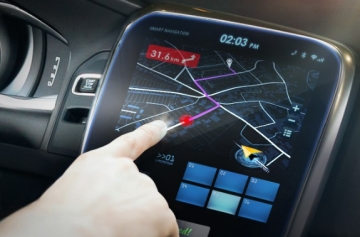
LG Innotek: Smartphone Component Sales 'Cloudy,' Automotive Component Business 'Sunny'
LG Innotek (CEO Park Jong-seok) recorded Q2 results that declined compared to the same period of the previous year due to decreased smartphone component demand. The company's new growth driver, automotive components business, continued its growth trajectory. Based on K-IFRS, LG Innotek recorded Q2 2016 revenue of 1.1205 trillion won and operating loss of 34 billion won. This represents a 22.6% decrease compared to the same period last year and a 6.2% decrease compared to the previous quarter. A company official stated, "There was an impact from decreased component demand due to global economic slowdown and slowdown in premium smartphone market growth," and added, "We are improving our business structure through strengthened competitiveness in new businesses such as automotive components."
2016.07.27by 신윤오 기자
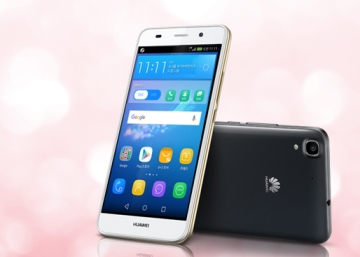
Huawei Consumer Business Revenue Increased 41% in First Half of 2016
Huawei's Consumer Business Group announced its first-half 2016 results, recording revenue of 7.74 billion yuan, up 41% year-over-year, and smartphone shipments of 60.56 million units, up 25% year-over-year. The company achieved growth that exceeded the global smartphone shipment growth rate of 3.1% for the first half of this year, as disclosed by market research firm IDC. Richard Yu, CEO of Huawei's Consumer Business Group, stated, "We have achieved rapid growth in emerging markets including North Africa, Central Asia, and Latin America, alongside Europe, where demand for premium smartphones is dominant. Amid intensifying competition in the smartphone market, Huawei continues to make efforts to meet innovation and consumer trends, and maintains its growth momentum through a strategy targeting both domestic and global markets simultaneously. Going forward, we will introduce innovative new products with excellent technological capability, quality, and design, along with best-in-class service, in partnership with our partners."
2016.07.27by 홍보라 기자

Intel Unveils Next-Generation 'Core Ultra Series 3' and vPro Platform for Enterprise PCs
Intel has officially unveiled the "Intel Core Ultra Series 3" for next-generation enterprise PCs and the latest vPro platform, addressing a wide range of demands from enterprise notebooks to high-performance workstations.
2026.03.26by 배종인 기자

ROHM Launches ESD Protection Diode Compatible with High-Speed Interfaces of 10Gbps or Higher
Semiconductor specialist ROHM has developed the 'RESDxVx series' of ESD (electrostatic discharge) protection diodes capable of responding to next-generation high-speed data communication environments exceeding 10Gbps, simultaneously enhancing both signal quality maintenance required in high-speed interfaces and IC protection performance.
2026.03.26by 배종인 기자











