



[Talking about Industrial IoT①] How GE opened the golden age of industrial internet
 Published2017.07.17 16:03
4차 산업혁명의 핵심 기술, 산업용 사물인터넷(IoT)은 제품진단 소프트웨어와 분석 솔루션을 결합해 기계와 기계, 기계와 사람을 서로 연결시켜 기존 설비의 운영 체계를 최적화하는 기술을 말한다. 이른바 ‘생각하는 기계(지능형 기계)’와 인터넷을 결합하면서 산업의 생산성과 효율성을 폭발적으로 향상시킬 수 있다. 제3차 산업혁명이 컴퓨팅 기술에 기반한 ‘산업 자동화’를 지향했다면, 제4차 산업혁명은 초연결성과 지능형 기계로 상징되는 산업인터넷에 기반한 ‘완전한 자동화’를 지향한다. 매년 국제공장자동화전, 오토메이션월드(Automation World) 전시회(3월)서 ‘산업용 IoT 세미나’를 진행하고 있는 E4ds 뉴스는 산업용 IoT산업의 이해를 돕고자 업계 선도적인 산업용 IoT 기업을 찾아간다. <편집자 주>
클라우드 기반의 소프트웨어 플랫폼 개발에 10억 달러 이상을 투자했던 GE는 지난해 2월, 마침내 ‘프레딕스(Predix)’를 완전 공개하며 ‘산업인터넷 황금시대의 시작’을 선언했다.
GE(General Electric Company)는 산업인터넷 기술 개발을 위해 2011년 미국 실리콘밸리 인근 샌 라몬(San Ramon)에 GE소프트웨어센터(현 GE디지털 본사)를 설립했다. 2015년 10월, 2020년까지 톱 10 소프트웨어 기업으로 거듭 날 것이라고 발표, 2020년 소프트웨어 사업 매출 150억 달러 이상 성장을 목표했다.
이를 증명하듯 2014년 한 해 동안 산업인터넷을 통해 10억 달러 이상의 매출을 올렸으며, 산업인터넷 플랫폼인 프레딕스™(Predix)를 지속적으로 업그레이드했다. 2015년 9월에는 GE 디지털 사업부를 신설(GE 소프트웨어 센터, IT, 소프트웨어, 보안 등 GE 내 디지털 역량 통합하여 사업부로 신설)했다. 이멜트 회장에게 직접 보고하는 최고디지털책임자(Chief Digital Officer)라는 새로운 직책 임명했다.
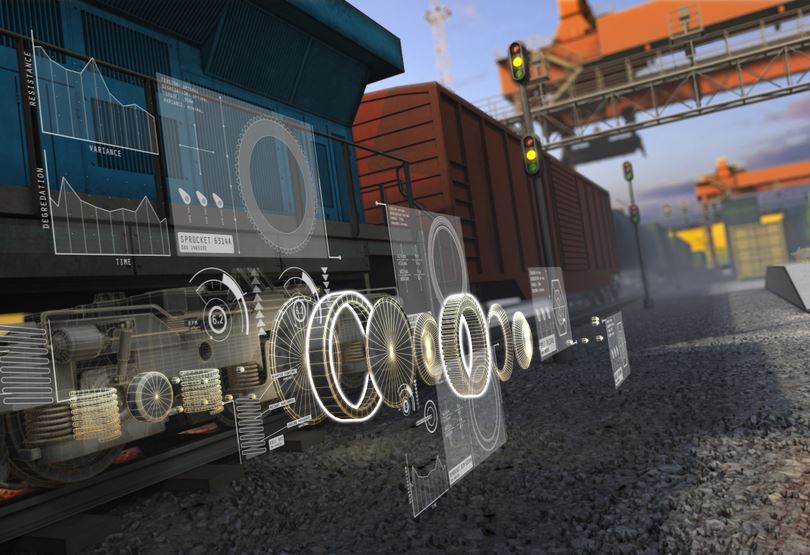
2016년 지능형 시스템 개발 기업(Wise.io)을 인수하여, GE디지털이 자체적으로 프레딕스에 적용된 첨단 머신러닝 개발 역량을 강화했다. 2016년에는 프레딕스 기반 소프트웨어 40억 달러를 수주했다.
프레딕스(Predix)는 GE가 개발한 세계 최초의 산업인터넷 운영 플랫폼으로, 플랫폼 내에서 사용자가 산업인터넷에 최적화된 애플리케이션을 개발하고 운영할 수 있다. 고객사들은 프레딕스 기반으로 운영되는 앱으로 산업 기계/설비에서 발생하는 대규모 데이터를 수집, 분석하고 이를 통해 운영 최적화를 달성할 수 있다.
2015년에는 모든 기업에 GE의 산업인터넷 소프트웨어 플랫폼인 프레딕스를 전면 개방함으로써 산업용 앱 생태계 구축했다. 물론 전면 개방의 의미는 무료가 아니다. 일정 비용을 부담하면 얼마든지 활용할 수 있다는 뜻이다.
GE는 산업인터넷이 잘 작동하도록 하기 위한 인프라 구축에도 앞장서고 있다. IBM·시스코·인텔·AT&T 등의 기업과 함께 산업인터넷 컨소시움을 발족했으며, 2014년 초 캐나다 밴쿠버에 기반을 둔 사이버 보안 회사 월드테크를 인수하여 운영환경의 보안을 강화하기도 했다. 지난해 7월, GE는 마이크로소프트의 클라우드 플랫폼인 에저(Azure)에서도 프레딕스를 운용할 수 있도록 파트너십을 구축. 이를 통해 고객들은 전 세계 어느 곳에서도 산업용 설비 및 기계에서 수집된 빅데이터를 프레딕스로 처리하고, 에저가 제공하는 자연어 기술, AI(인공 지능), 고급 데이터 시각화 등 다양한 서비스를 활용해 더욱 효율적인 애플리케이션을 개발할 수 있도록 돕고 있다.
2017년 말까지 전 세계 GE공장 중 18개 브릴리언트 팩토리로
브릴리언트 팩토리는 첨단 제조, 3D 프린팅, 첨단 소프트웨어 분석 등 다양한 새로운 기법을 적용해 생산성을 향상하는 차세대 공장을 말한다.
GE는 3D프린팅 (적층제조) 기술을 핵심 이니셔티브로 추진하며, 2016년 말 유럽의 3D 프린터 제조업체인 스웨덴의 아르캄 (Arcam)과 독일의 컨샙레이저 인수를 통해 GE어디티브(GE Additive)를 새롭게 출범했다. 2017년 말까지 전 세계 GE공장 중 18개 브릴리언트 팩토리로 전환하는 게 목표이다.
제품 설계, 제조, 그리고 서비스 등 모든 과정과 운영에 새로운 방식을 적용하고 있다. 하드웨어와 소프트웨어의 결합을 통해 모든 과정을 디지털화하고, 과거 공장보다 빠르고 효율적으로 운영된다. 특히, GE의 산업인터넷 플랫폼인 프레딕스를 기반으로 디지털 스레드(설계, 구매, 생산, 유통, 판매, 제품 사용의 모든 단계에서 데이터가 생성되며, 이 제품 수명주기 동안 발생되는 데이터의 원활한 흐름)와 디지털 트윈(물리적 자산에 상응하는 가상의 디지털 자산) 등의 개념을 도입해 제품 품질과 성능을 개선할 수 있다.
예를 들어, 이탈리아 피렌체에 위치한 GE 오일&가스 공장에서는 장비에 센서를 부착해 생산에 영향을 미치는 것을 최소화 하면서 최적의 정비 일정을 파악할 수 있게 한다. 이로 따라, 추가 근무조를 배치하지 않으면서 생산 라인을 하나 더 추가할 수 있게 되었다.
현재 GE가 가진 전세계 500개 이상의 공장 중 브릴리언트 공장으로서의 특징이 가장 잘 나타나는 곳은 6군데이다. 펜실베니아에 위치한 GE 운송 사업부의 공장에서는 계획되지 않은 가동 중지 시간이 10-20% 감소했고 이탈리아 피렌체에 위치한 GE 오일&가스 공장에서는 장비에 센서를 부착해 생산에 지장을 미치는 것을 최소화 하면서 최적의 정비 일정을 파악할 수 있게 한다. 인도 푸네 (멀티 모달) 공장은 GE가 2억 달러 이상을 투자한 GE의 브릴리언트 팩토리이다.
프레딕스(Predix), 어디에 쓰이나
프레딕스의 사례는 항공 애널리틱스 (Aviation analytics)와 디지털 파워 플랜트, 디지털 윈드 팜, 디지털 항만 관리 프로젝트 등에서 확인할 수 있다.
우선, GE항공은 프레딕스를 통해 상용기를 세분화하고 심층적인 엔진 상태와 비행 운영상의 통찰력을 제공하는 분석 툴을 개발했다. 2015년 프레딕스를 기반한 최적화 정비를 통해 창출된 고객 이익은 1억7,500만 달러를 상회했다. 이로 인해 장애 검출 정확도는 10% 향상됐으며, 상용기의 불필요한 결항건수는 1,000건 이상 감소했다.
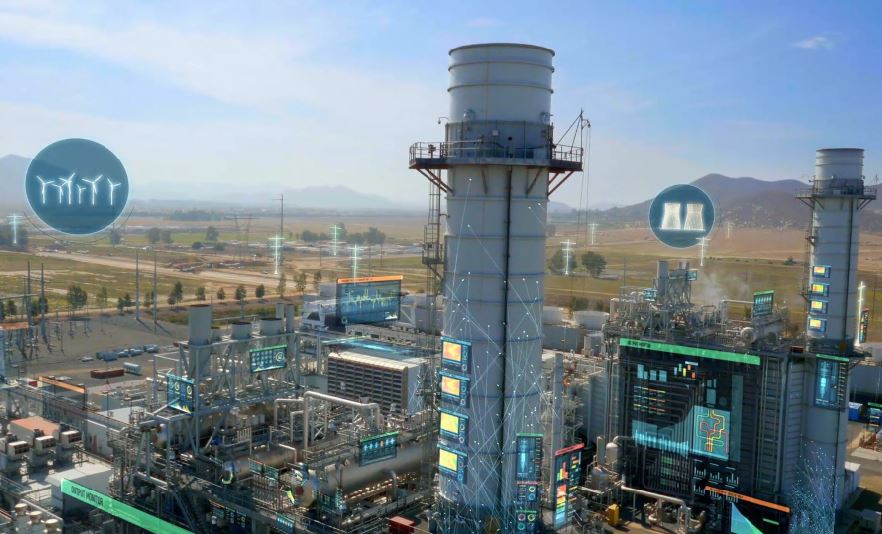
발전플랜트에 산업인터넷을 결합하여, 플랜트 운영방식을 근본적으로 바꾸는 개념이다. 기기에 부착된 수많은 센서들이 끊임없이 데이터를 수집하여 빅데이터 분석을 실행하여 엔지니어에게 장비의 고장 가능성을 미리 고지한다. 디지털 파워 플랜트 솔루션을 전세계 발전량의 40%를 담당하는 석탄발전소에 모두 적용할 경우, 0.58기가톤의 온실 가스 배출을 줄이는 효과가 있으며 1억 2천 대의 자동차가 내뿜는 매연을 감소, 5억 4천 만 평방 마일의 숲을 조성하는 것과 같은 효과가 발생한다.
디지털 윈드 팜 (Digital Wind Farm)은 차세대 풍력 발전소 모델로 풍력 발전 생산량이 연간 20% 향상되며, 20년간 약 500억 달러 (50GW기준)에 상당하는 경제적 가치 창출한다. 2017년부터 LA항만국은 다양한 종류의 화물 운송 데이터를 사전에 시각화하기 위해 GE 프레딕스를 도입했다. 데이터를 2주 전 미리 입수해 선박 입항준비에 충분한 시간 확보하고, 화물의 최종 목적지 확인 및 화물차와 관련 장비 대기를 통해 효율적인 운송이 가능하다.
지난해초 프레딕스를 완전 공개할 때 프레딕스의 설계자 중 한명인 하렐 코데쉬(Harel Kodesh)는 1년 후 전망을 묻는 질문에 “앞으로 수 많은 개발자들이 프레딕스에 뛰어드는 것을 볼 수 있을 것”이라고 단언했다. 그는 또한, 프레딕스 생태계는 스스로를 성장하기 시작할 것이라며 앞으로 더 흥미로운 애플리케이션들을 볼 수 있을 것이라고 말했다. 그의 예언(?)은 아직 현재 진행형이지만 분명한 것은 거대한 제조업 혁신(그것이 4차 산업혁명이든 아니든) 과정에서 이미 산업의 물결은 산업용 인터넷으로 요동치고 있다는 사실이다.
Comments
Related news
[Planned IIoT Interview] Advantech: "Providing a One-Stop Solution for Industrial IoT, From Hardware to Software Platforms"
Advantech (www.advantech.com), which holds the top global market share in the industrial computer field, supplies more reliable and practical Industry 4.0 architecture based on its hardware development capabilities. Advantech's Industry 4.0 architecture is based on the major trend that constitutes 'Industrial IoT'. The company develops and manufactures products centered on embedded platforms or EIS (Edge Intelligent Server) that collect data from devices capable of accommodating not only traditional conventional sensors but also new types of connected sensors, and then convert or process the collected data according to application-specific protocols for transmission.
2017.02.24by 신윤오 기자

[Planned IIoT Interview] Moxa Enables Automation with Best-in-Class Industrial IoT Connectivity
MOXA (www.moxa.com) positions itself as a trusted partner in the automation sector. Founded in Taiwan in 1987, MOXA is marking its 30th anniversary this year as a company primarily engaged in the production and supply of industrial communication equipment. The company maintains headquarters in the United States and Taiwan, with approximately 35% of its entire workforce composed of R&D engineers. MOXA is the world's leading supplier in the Serial Device Server market.
2017.02.24by 신윤오 기자
[Planning IIoT Interview] Mentor Graphics' IoT Multi-Platform Concerns: Embedded Software
Mentor Graphics, a leader in the semiconductor design automation (EDA) market, is preparing for Industry 4.0 in the industrial IoT market. How are they approaching this? As smart IoT devices with various functional applications are increasing and the need to interact with cloud-based services is growing, Mentor Graphics is continuously investing in embedded software and implementing integrated heterogeneous multi-core solutions, focusing on helping embedded developers maximize the utilization of heterogeneous SoCs.
2017.03.15by 김지혜 기자
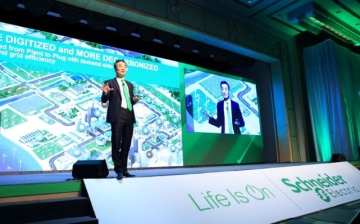
Schneider: Industrial IoT accounts for 45% of revenue, expanding energy efficiency and connectivity
Schneider Electric Korea (CEO Kim Kyung-rok) announced the launch of a next-generation EcoStruxure integrated solution that maximizes Industrial Internet of Things (IIoT) capabilities. At the "Life is On Innovation Summit" held at the Grand Hilton Seoul Hotel on the 14th, Schneider also launched StruxureOn, PowerTag, and Altivar Machine ATV320, which are among the various products that make up EcoStruxure.
2017.03.17by 신윤오 기자
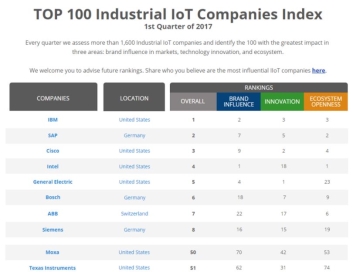
Moxa Named a Global Top 50 Industrial IoT Company
International consulting firm IoTOne's online survey results have selected Moxa as one of the world's top 50 industrial IoT companies. Through these results, Moxa has demonstrated leading capabilities in the transition to industrial IoT, and has been recognized for its efforts in driving change in the continuous development of IP-based networking technologies and applications. IoTOne (www.iotone.com) is an international consulting firm with expertise in IoT-related intelligence and marketing services, conducting a quarterly online survey titled "Top 100 Industrial IoT Companies."[1] This survey evaluates over 1,600 industrial IoT companies and selects the 100 most influential companies across three categories: "Brand Influence in the Market," "Technology Innovation," and "Ecosystem Environment." In results announced in March, Moxa was particularly recognized in the "Brand Influence" and "Ecosystem Environment" categories and was selected as a top 50 company. The top five companies selected were IBM, SAP, Cisco, Intel, and GE.
2017.05.11by 김자영 기자











