


[Survey Results] When asked what it was like to have a robot boss in the era of the Fourth Industrial Revolution, the answer was
 Published2017.08.07 06:55
지금 우리는 4차 산업혁명을 말하고 있다. 컴퓨터와 인터넷 기반의 지식정보 혁명(3차 혁명)에 이은 새로운 산업혁명이기 때문이다. 하지만 4차 산업혁명을 두고 말이 많다. 해외에서도 잘 쓰지 않은 용어를 수입해 대단한 전략인 것처럼 꾸민 개념이라는 말부터 시작해서 인공지능과 사물인터넷 등 새로운 기술에 걸맞는 새로운 '혁명'이 필요하다는 얘기도 나온다. 하나의 개념을 두고 이토록 시끄러운 이유는 그만큼 우리가 산업의 전환점에 있기 때문일 것이다. 이에 E4ds 뉴스는 [설문조사 시리즈]의 두번째로 주제로 ‘4차 산업혁명’을 선택했다. 4차 산업혁명의 개념이 무엇이고, 어떤 기술로 따라가야 하는지 알아보고자 했다. 이번 설문은 지난 7월 10일부터 7월 28일까지 약 3주간 진행되었으며 총 114명의 엔지니어, 매니저 등 현업에 일하고 있는 관계자들이 참여했다. <편집자 주>
지능정보 기술로 촉진된 기술혁신, 디지털이 인간의 일상에 통합되는 것, 로봇과 인공지능(AI)을 통해 실재와 가상이 통합되고 사물을 지능적으로 제어할 수 있는 시대 등 4차 산업혁명을 두고 내리는 정의는 여러가지다. 그렇다면 4차 산업혁명의 실체는 무엇일까?
현재 국내 상황에서 4차 산업혁명은 시의적절하게 필요하다고 보는 반면, 4차 산업혁명을 이끌어야 할 주체가 불명확하고 구체적인 실체가 없다는 우려를 나타내고 있는 것으로 보인다.
4차 산업혁명, 시의적절한 개념이라고 보나 이끌어야 할 주체 불명확한 점에 우려도
인공지능, 사물인터넷, 빅데이터 등을 중심으로 한 산업 구조 재편을 위해서(34.52%), 인터넷 정보 혁명에 이은 새로운 기술이 필요한 시점이 되었기 때문(20.24%)에 4차 산업혁명이라는 개념이 필요하다고 생각하는 것으로 나타났다.
또 다른 이유로는 제조업 중심의 새로운 산업 환경 변화가 필요해서(17.46%), 미래 먹거리에 대한 국민적 위기감을 일깨우는 계기(15.08%)라는 응답이 있었다.
본지가 최근 실시한 4차 산업혁명 설문조사(말도 많고 탈도 많은 4차 산업혁명, 이거 실화냐)에 따르면, 4차 산업혁명에 대해 어떻게 생각하는지에 대한 질문에 국내 산업 현황을 봤을 때 시의적절한 개념이다가 55.9%, 국내 산업 발전에 동기 부여할 계기라는 응답이 27.12%, 언론과 정부가 만든 허구적 개념이다가 9.32%, 실체가 없는 마케팅 용어일 뿐이다가 7.63%로 나왔다.
허구적 개념이라고 생각하는 이유로는 이해 당사자, 관련 업계의 충분한 논의를 거치지 않았다가 28.98%로 가장 많은 응답이 몰렸다. 인공지능, 드론, 빅데이터 외에는 실체가 없다는 의견도 27.84%를 차지했다. 정보통신 혁명 이후에 주목할 만한 생산성 향상이 일어나지 않을 것(21.59%), 클라우스 슈밥 WEF 회장의 제안이 확대 해석된 것(11.36%), 정부 주도의 일방적인 발전 전략일 뿐 이라는 응답이 뒤를 이었다.
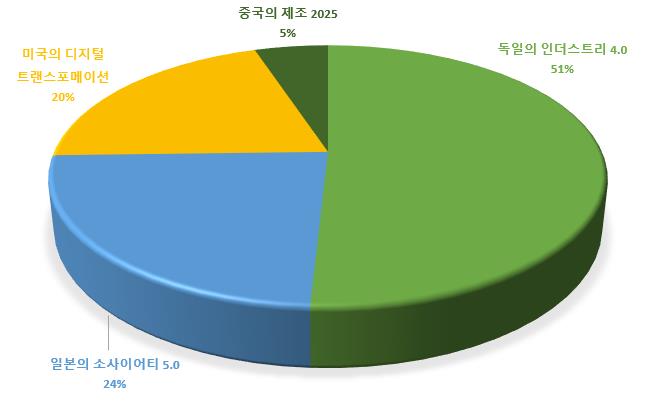
4차 산업혁명을 표방한 기술혁신이 주요 나라에서 진행되고 있다. 어떤 나라의 모델이 우리나라의 현실과 유사하며 참고가 되는지에 대한 질문에 제조업을 기반으로 한 스마트 팩토리 공정 표준화를 진행하고 있는 독일의 인더스트리4.0이 가장 적절하다고 응답했다. 이는 국내 산업의 50%가 제조업이기 때문으로 분석된다.
이어서 인공지능, 로봇, 빅데이터를 이용한 기술 혁신을 이끄는 일본의 소사이어티5.0(23.73%), 기업이 빅데이터로 산업 발전을 주도하는 미국의 디지털 트랜스포메이션(20.34%)이었다. 인터넷플러스 전략을 통해 로봇과 인공지능에 투자를 강화한다는 중국의 제조2025는 5.08%로 나왔다.
산업 발전에 집중해야 하는 분야로 빅데이터, 사용자 중심 디바이스 꼽아
빅데이터를 산업 발전에 이용해야 한다(38.14%)는 의견은 우리 나라가 가장 집중해야 할 부분이 무엇이냐는 질문에서도 가장 많은 답변을 차지했다. 이어 사용자 중심의 디바이스(21.19%), 기기를 연결하기 위한 환경(21.19%)이라는 의견이었고 사람, 사물, 비즈니스를 노리는 보안 산업에 집중해야 한다는 답변도 16.95%로 나왔다.
보안 산업에 집중해야 한다는 답변이 가장 적게 나온 반면, 4차 산업혁명 시대가 도래한다고 가정했을 때 가장 걱정 되는 부분은 사이버 테러(27.9%)인 것으로 나타났다. 기술 수준으로 인한 양극화(26.27%), 인공지능이나 로봇이 대체할 일자리에 대한 걱정(16.95%), 인공지능의 위험성(15.25%)이 우려된다고 말했다.
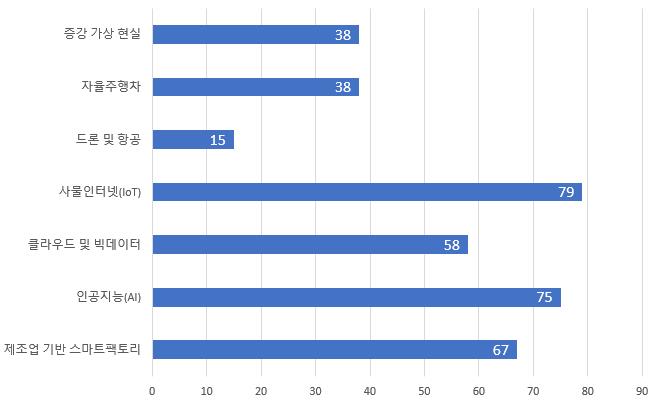
집중해야 하는 산업으로 빅데이터가 나왔지만 4차 산업혁명을 이끌 기술로는 사물인터넷(21.53%)이 가장 많았다. 이는 데이터를 수집할 IoT기술이 선행되어야 한다는 것으로 보인다. 뒤를 이어 인공지능(20.44%), 제조업 기반 스마트팩토리(18.26%), 클라우드 및 빅데이터(15.80%), 자율주행차(10.35%), AR/VR(10.35%), 드론 및 항공(4.09%)이 차지했다.
로봇 상사 받아들이지만, 업무적인 부분에 국한
로봇기구개발기사가 가장 유망 직업으로 뽑혀
기술 발달에 따라오는 일자리에 대한 문제도 물었다. 앞서 인공지능 설문에서도 인공지능이 일자리를 대체할지에 64%가 그렇다고 대답했다. 이런 우려에 대비해 고용노동부는 ‘4차 산업혁명 대비 국가기술자격 개편방안’을 발표해 4차 산업혁명 시대에 가장 유망할 것으로 보이는 직업을 꼽았다.
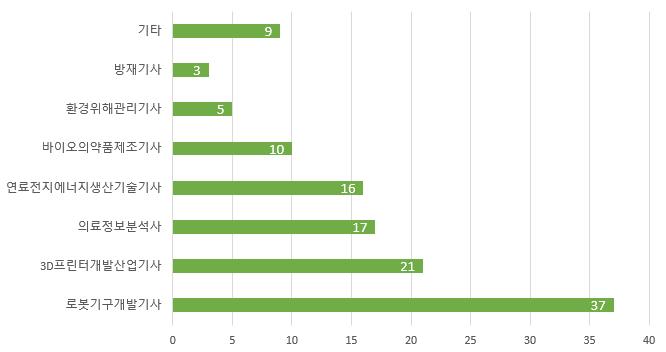
로봇기구개발기사(31.36%)가 가장 많이 나왔고, 이어 3D프린터개발산업기사(17.80%), 의료정보분석사(14.41%), 연료전지에너지생산기술기사(13.56%), 바이오의약품제조기사(8.47%), 환경위해관리기사(4.24%), 방재기사(2.54%) 순으로 나타났다. 이 밖에도 데이터 분석과 보안관리, 인공지능 관련 업종이 유리할 것이라고 응답했다.
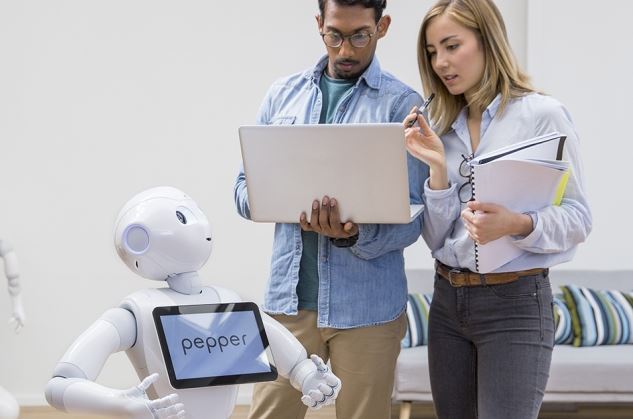
기술 진보에 따라 미래에 로봇이 직장상사라면 받아들일 수 있겠냐는 질문에 받아들인다가 77.97%, 못 받아들인다가 22.03%로 나왔다. 받아들이겠다는 의견에서도 업무적인 부분만 받아 들인다가 50%를 차지했다. 이는 일처리에 있어서 데이터를 통한 정확한 판단에 비중을 두는 것으로 추측된다.
Comments
Related news
Samsung SDS makes big data easier to use with AI-based data analysis.
Samsung SDS held a media briefing on the 21st and unveiled "Brightics AI," an artificial intelligence-based analytics platform. It is a platform that automates data analysis modeling to facilitate the adoption and utilization of big data. As data increases in manufacturing processes, customer behavior analysis, product and service recommendations, and device status analysis, deep learning and reinforcement learning based on artificial intelligence are being highlighted for effective business utilization. The head of the AI-based analytics platform research center, Yoon Sim, stated, "Those working in related fields would have considered data organization, high-accuracy algorithms, and high-performance infrastructure," and added, "Brightics AI is an easy, intelligent, and fast solution that addresses these issues."
2017.06.21by 김자영 기자
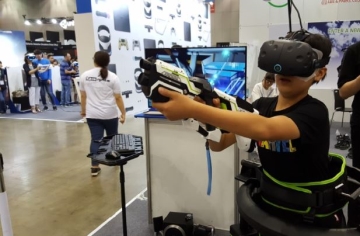
Revenue from next-generation industries such as IoT, robotics, and AR/VR has started to generate in earnest.
Advances in emerging technologies including IoT, robotics, and AR/VR are expected to drive next-generation growth in the information and communications technology (ICT) industry, expanding overall market opportunities. According to recent research analysis from IDC (www.idc.com), an IT market analysis and consulting firm, when market opportunities through these innovative technologies are included, global ICT spending in 2020 is projected to expand to $5.5 trillion. This forecast demonstrates the extent to which the ICT industry will depend on new technological innovation in the coming years, as traditional revenue begins to decline in the face of self-cannibalization and displacement, and the shift toward cloud-based solutions.
2017.07.18by 신윤오 기자
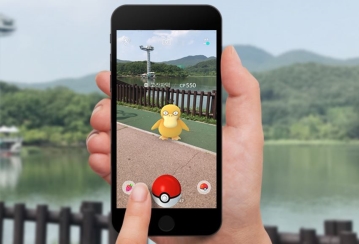
[Future Jobs ①] VR Content Developers, Dream of Content as Powerful as Pokémon Go
Will humans lose their place as artificial intelligence and robots advance? For every position that disappears, new ones emerge. Seoul Industrial Promotion Agency is implementing a future innovative job training program. Keep a close eye on this and prepare for a triple career in your lifetime. To give you a heads up, the "curation" field, which designs domains based on existing knowledge, stands out. Internet of Things Security Expert In the Internet of Things (IoT) era where people and objects communicate, convenience comes with exposure to security threats such as personal privacy breaches and information leaks. Rather than physical security where thieves are caught "on the scene," there is a need for experts who manage security at the software level. Internet of Things security experts can work across fields converging with smart home, smart car, smart grid, and U-healthcare sectors, and can also serve as cryptography experts and electronic communication network specialists.
2017.08.03by 김자영 기자
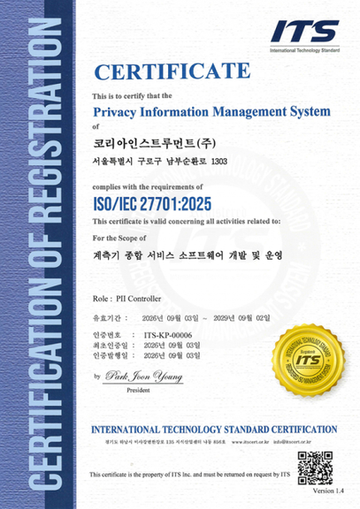
Korea Instrument, KOLAS Accredited Calibration Agency First to Simultaneously Acquire ISO/IEC 27,001·27,701
Korea Instrument has become the first among KOLAS accredited calibration agencies to simultaneously acquire ISO/IEC 27,001 and ISO/IEC 27,701 certifications. Through its proprietary platforms CWIZ Enterprise and CWIZ Partners, the company has embedded information security and personal data protection requirements across all business processes including customer information, equipment data, and calibration reports, with plans to continuously advance its management system through regular audits and security inspections.
2026.10.12by 배종인 기자
TeamViewer One, IT Incident Automation Workflow and Resolution Center Enhanced
TeamViewer has added IT incident automation capabilities and an advanced Resolution Center to its integrated digital workplace management platform 'TeamViewer ONE'. Recurrent service disruptions, configuration errors, and capacity shortages are automatically handled according to preset policies, and device status verification through script deployment can be managed in a unified interface, significantly reducing repetitive tasks for IT teams.
2026.10.12by 배종인 기자











