


Integrated inter-ministerial response is essential for economic and scientific security
 Published2022.05.19 08:05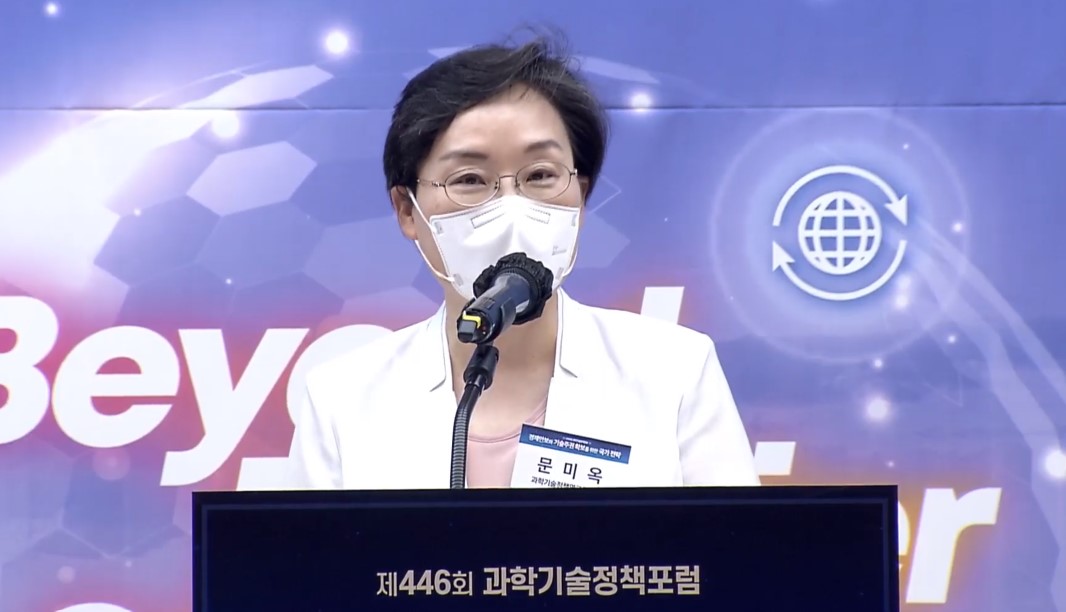
▲문미옥 과학기술정책연구원 원장
유사 정책 통합·조정必·新정부 레거시 청산에 던진 물음표
“국방·안보 분야에서 중요성이 군사력에서 경제로 전환되고 있으며 이에 따른 새로운 접근법 모색이 필요하다”
문미옥 과학기술정책연구원 원장은 과학기술정책포럼 개회사에서 이렇게 말했다. “미중 무역 갈등으로 촉발된 기술패권은 전세계의 화두”라고 말하는 그는 “국내에 다양한 논의가 진행되고 있지만 이는 개별적 차원이며 국가가 통합적으로 주도해 진행할 필요가 있다”고 서두를 밝혔다.
과학기술정책연구원(과기정책연, 이하 STEPI)에서 제446회 과학기술정책포럼을 17일 개최했다. 이날 포럼은 ‘경제안보와 기술주권 확보를 위한 국가 전략’을 주제로 국가안보전략연구원이 공동주관사로 참여해 경제안보가 대두되는 시기에 정책 방향성과 담론을 논의하는 자리를 가졌다.
이날 발제자들의 공통된 의견은 개별 부처들이 각기 대응하는 것이 아니라 범정부적이고 통합적인 대응과 정책 형성 등이 필요하다는 주장을 내세웠다. 기술·제조·무역 부문에서 각기 다른 패권경쟁 이슈가 있으며 이에 따른 부처별 대응과 함께 공통된 프레임워크를 가지고 과업 해결을 할 것을 주문했다.
■경제·과학기술 안보, 발제자 4인 4색 결론은 통합 비전
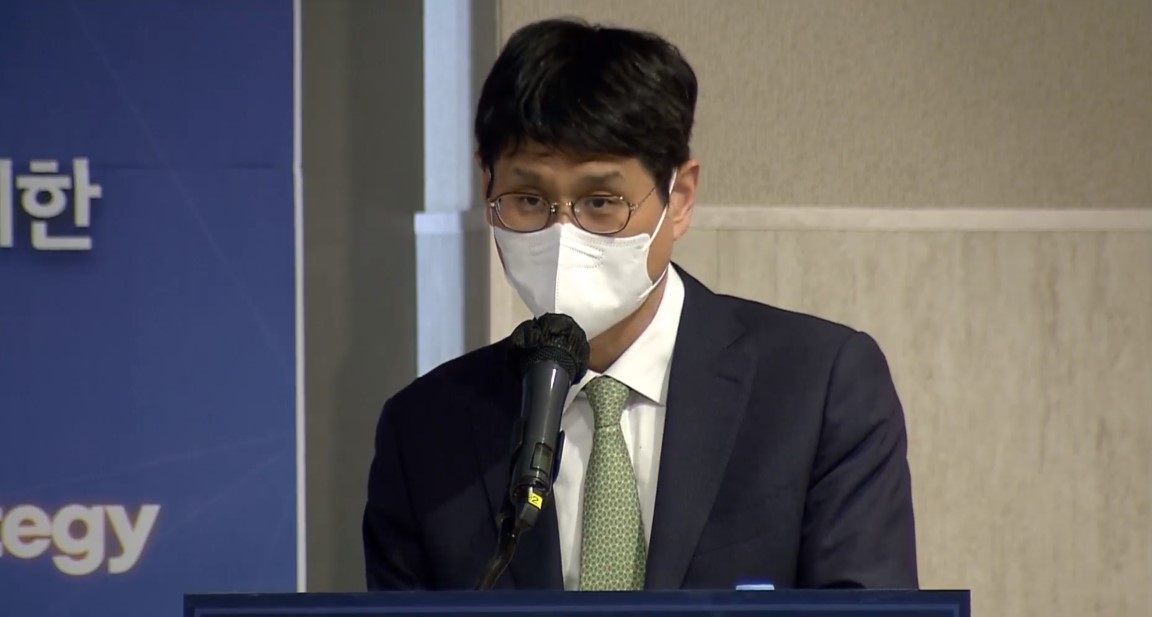
▲이왕휘 아주대학교 정치외교학과 교수
오늘날 기술주권이 국가적·국제적 최대 관심사로 떠오르고 있다. 그간 세계화의 흐름 속에서 기술 중요성이 간과돼 왔지만 코로나19시대와 무역전쟁으로 인한 글로벌 블록화 등을 통해 과학·산업기술 경쟁력이 국가 경쟁력의 핵심임을 재인식하는 계기가 됐다.
이왕휘 아주대 정치외교학과 교수는 발제에서 이러한 사실을 주지시켰다. 그는 “미국이 패권국으로 군립할 수 있는 가장 큰 이유는 과학 기술의 뒷받침”이라며 “트럼프 정부에서 무역전쟁이 발생하며 기술무역주의, 디지털 보호주의가 되살아났다”고 설명했다.
바이든 행정부가 앨라이쇼어링(Ally-Shoring)과 프렌드쇼어링(Friend-Shoring)을 구축하기 위해 인도태평양 경제프레임워크를 준비 중에 있다. 이는 중국을 견제를 목표로 쿼드(Quad) 및 CPTPP 등 동맹·동반국과의 결집을 의미하며 이 교수는 “한국은 현재 RCEP에만 가입된 상태이며 CPTPP 가입 신청에 이어 이번 정상회담 이후 IPEF 가입도 진행될 것”이라 예상했다.
이어진 발제에서 김경훈 한국무역협회 연구위원은 ‘글로벌 공급망 위기에 대응하는 한국의 GVC 전략’을 발표했다. 김 위원은 국내 공급망의 구조적 문제를 △중국에 대한 높은 공급망 의존도 △해소되지 못한 대일본 소부장 무역 역조 △대외 환경 변화에 취약한 구조 등을 꼽았다.
대중국 수출입에서 중간재 비중이 60%를 넘으며 대중 수입 폼목에서 2,434개가 취약품목으로 조사돼 압도적 다수를 차지한다고 강조했다. 또한 대일본 소부장 무역적자는 전체 대일 적자의 99.4%를 차지한다며 국내 반도체·디스플레이 수출이 증가할수록 대일본 화학·전자제품 수입도 증가한다고 설명했다.
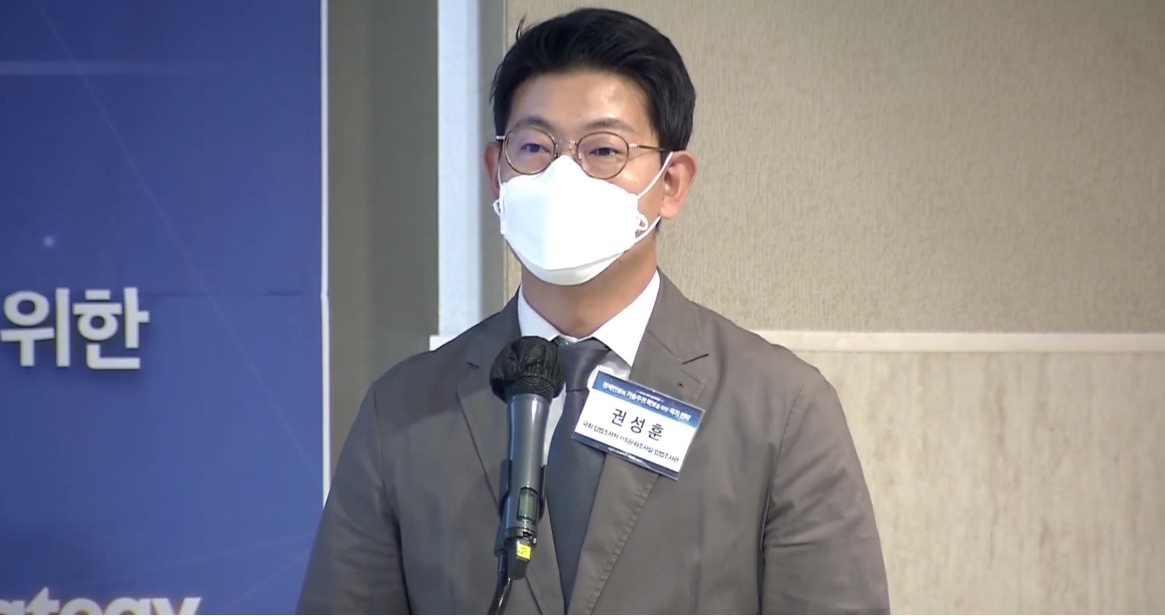
▲권성훈 국회 입법조사처 사회문화조사실 입법조사관
현재 윤 정부가 밝힌 세부 국정과제에서 과학기술 및 첨단산업 육성 전략은 24번과 75번에 수록돼 있다고 권성훈 국회 입법조사처 입법조사관은 밝혔다.
반도체·AI·배터리 등 미래전략 산업에서 초격차 확보를 위한 24번 안건은 △반도체 설비 투자 시 인센티브 제공 및 신속 인허가 처리 △전략산업 생태계 R&D 국제협력 등 종합지원 △국가첨단전략산업법 지원체계 본격 가동 및 지원내용 강화로 이뤄져 있다. 75번 안건은 초격차 전략기술 육성으로 과학기술 G5 도약을 목표로 삼고 있다. 두 안건은 각기 산업통상자원부와 과학기술정보통신부 소관으로 분리돼 있다.
권 조사관은 관련 법제 개선 방향으로 ‘국가첨단전략산업법’과 ‘국가전략기술 육성에 관한 특별법안’ 간에 유사·중복이 있는 것을 통합·정비할 필요가 있다고 밝혔다. 더불어 국가핵심기술, 국가전략기술, 국가첨단전략기술 간 법 규정이 유사해 통합이 필요하다고 주장했다.
백서인 과학기술정책연구원 단장은 “한국은 기술수출 통제 리스트 작업이 미흡하다”고 지적하며 “육성에만 포커스가 맞춰져 있어 각국의 통제리스트 관련 모니터링이 필요하다”고 제언했다. 그는 “국가 비전을 먼저 수립하고 이후 과학기술 역할을 정립해 기술·산업별 분석과 조정에 들어가야 한다”며 “정부부처의 중복된 역할을 조정하고 공통된 프레임 워크 안에서 임무지향적 연구를 할 필요가 있다”고 강조했다.
■토론패널, 尹정부에 거는 기대와 우려
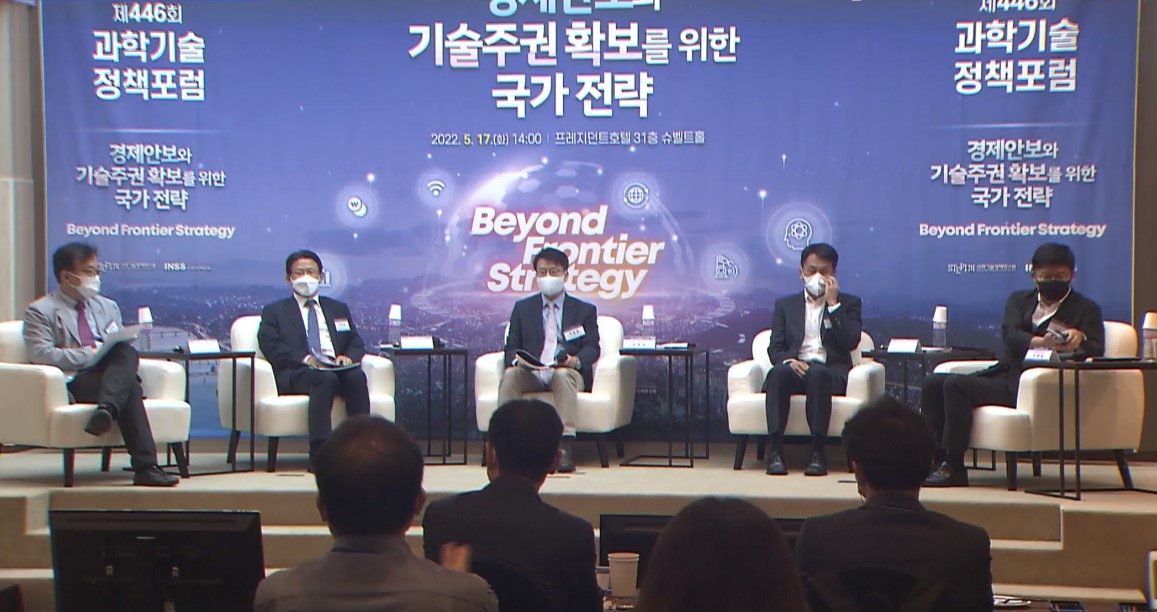
▲토론 세션에 참석한 패널들. 좌측부터 박병원 선임연구위원, 이형동 센터장, 박환일 STEPI 본부장, 김형준 소장, 안현실 소장
이날 포럼에 참여한 토론자들은 새로 들어선 윤석열 정부의 첨단산업 정책을 우려 섞인 시선으로 바라봤다. 지난 정부들의 정책 틀에서 크게 벗어나지 않는다며 기존 시각에서 첨단산업 육성과 경쟁력 강화를 접근하는 방식은 피해야 한다는 공통된 의견을 내비쳤다.
안현실 한국경제 AI경제연구소 소장은 “미중 충돌 시대에 주무부처의 영역을 넓힐 것만 생각한다면 위험한 발상”이라며 “부처의 이익이 국가의 이익을 잠식해선 안 된다”고 강조했다. 그는 윤석열 정부에 대해 “과거의 구조적 문제점이라는 레거시(Legacy)를 청산할 의지가 보이지 않는다”며 강도 높게 비판했다. 그러면서 △민간 주도를 위한 전략 △기업 활용에 대한 액션플랜 △젊은 스타트업 육성 등을 제안했다.
박병원 과학기술정책연구원 선임연구위원은 “첨단 산업에서 연구 예산은 늘 것으로 전망되는 반면 전체 산업 생태계 구축이 먼저 필요하다”며 “일선에 돈을 투입한다고 모든 게 이뤄지지 않으며 어느 한 부처가 전체를 조율·관리해야 한다”고 주장했다.
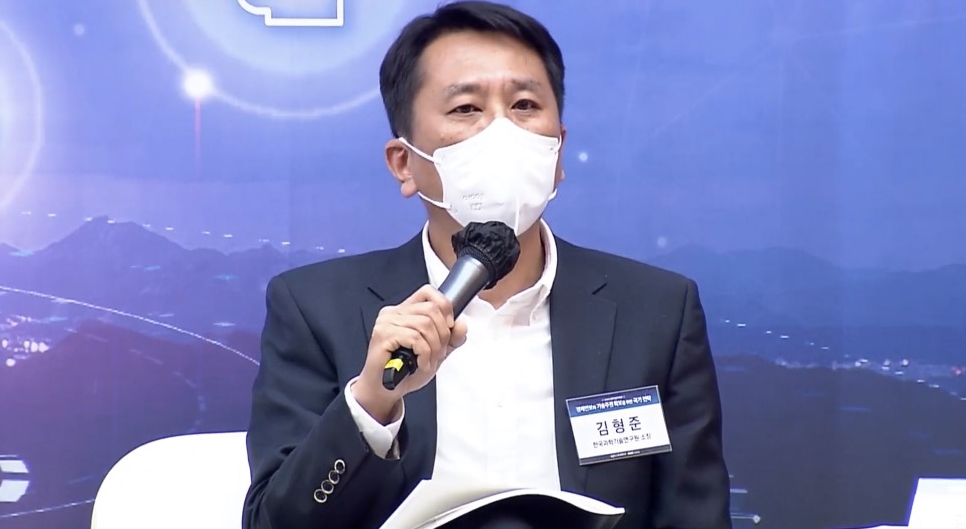
▲김형준 차세대반도체연구소 소장
김형준 한국과학기술연구원 차세대반도체연구소 소장은 “과학기술 정책에서 이전 정부들이 쓰던 용어들이 총망라해 나올 뿐 신선함이 없다”며 기존 시각으로 접근하는 것을 경계했다. 또한 민간 주도만으로는 10-20년 이상 바라보는 미래원천에 과감한 투자가 어렵다며 민간 주도 전략에는 의문을 표했다.
김 소장은 최근 반도체 트렌드 주기는 2-3년 정도로 급격히 빨라졌다며 파격적 혁신과 빅뱅형 기술에 의해 급격한 성장을 이룩하는 사례가 등장하고 있음을 주지시켰다. 그는 “멘하탄 프로젝트처럼 국가의 집중적인 투자 육성 경쟁이 집중된다면 단기간에 해결이 가능하다”며 “다른 나라에서 시도하지 않은 것들을 시도할 수 있는, 실패를 용인할 수 있는 도전적인 연구 환경 마련이 시급하다”고 토로했다.
이날 포럼에서 드러나는 위기의식은 재계 및 산업계 전반에 걸친 분위기를 대변한다고 볼 수 있다. 또한 신정부에 대한 우려와 기대 속에 앞으로의 글로벌 공급망 재편 움직임에 대응하는 통합된 산업 정책 운영과 비전 제시가 이뤄질지 귀추가 주목되는 시점이다.
Comments
Related news
The new government's semiconductor investment and talent development efforts
China's semiconductor rise, U.S. President Biden holding a semiconductor wafer, and TSMC with the world's largest foundry market share—these three have a common point. That is, they all fall within the category of comprehensive government support for semiconductor industry development.
2022.04.28by 명세환 기자
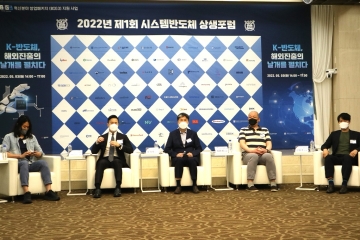
Seoul National University's SIPC seeks solutions for K-fabless companies to expand overseas.
Domestic fabless companies account for only 1% of global market sales, but with active efforts to cultivate excellent semiconductor talent and build a semiconductor ecosystem, future growth is anticipated. On the 3rd, the first System Semiconductor Coexistence Forum of 2022, hosted by Seoul National University's System Semiconductor Industry Promotion Center, took place simultaneously at the Professors' Hall Convention Hall and online.
2022.05.06by 명세환 기자
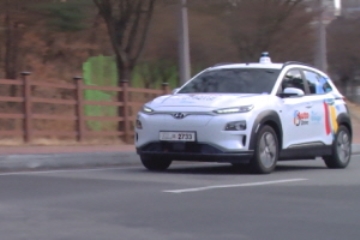
The new administration aims to commercialize fully autonomous vehicles within its term.
The new administration has established the commercialization of fully autonomous vehicles during its term as a national policy task, and the new Minister of Land, Infrastructure and Transport has emphasized a paradigm shift in policy toward customer-centric "mobility." Against this backdrop, the domestic autonomous driving industry appears to be gaining momentum, and attention is focused on whether related systems and issues can be resolved.
2022.05.18by 성유창 기자
Nvidia invests $5 billion in Intel
NVIDIA and Intel, leaders in global AI computing technology, are now forging ahead in providing cutting-edge solutions through NVLink-based architecture integration. NVIDIA and Intel have officially announced a strategic partnership and stated that they will jointly develop customized data center and personal computing products to accelerate diverse applications and workloads ranging from hyperscale to enterprise and consumer markets, thereby laying the foundation for the next generation computing era.
2025.09.22by 배종인 기자
.jpg)
Applied Materials Launches Environmental Protection Campaign to Mark World Cleanup Day
Applied Materials Korea (CEO Park Kwang-seon) is carrying out environmental cleanup activities with employees and their families around the Dongtan Sinricheon area on the occasion of World Cleanup Day, evolving into a company that engages with the local community beyond technological innovation.
2025.09.22by 명세환 기자











