


Samsung Electronics and the Ministry of SMEs and Startups (MSS) are partnering to develop the system semiconductor ecosystem, hosting the Fabless Challenge.
 Published2022.07.27 17:00
.jpg)
▲팹리스 챌린지 대회 선정 기업, 좌측부터 △㈜스카이칩스 이강윤 대표 △㈜딥엑스 김녹원 대표 △중소벤처기업부 이영 장관 △지앨에스㈜ 은기찬 부사장 △세미브레인 주식회사 송승환 대표 △라온텍 김보은 대표 (사진-중소벤처기업부)
이영 장관, “팹리스 3대 애로 자금·인력·상생 측면 지원”
국내 팹리스 생태계를 활성화시키기 위해 삼성전자와 중소벤처기업부가 손을 맞잡고 국내 시스템반도체 생태계 구축에 나섰다.
27일 팹리스 챌린지 대회가 강남 팁스타운에서 개최했다. 중소벤처기업부(중기부)의 ‘BIG3 혁신분야 창업패키지’ 사업 일환으로 시스템반도체분야 설계전문기업의 혁신성장을 지원하는 팹리스 챌린지 대회는 5개의 유망 팹리스 기업을 선정하고 삼성전자 파운드리에서의 MPW 제작 기회가 우선 제공된다.
삼성전자는 파운드리를 통한 5~130나노 12개 공정에 25회 MPW 서비스를 제공할 예정이며 선정된 팹리스는 내년 7월까지 월별 스케줄에 맞춰 원하는 공정을 선택해 시제품 생산을 수행하게 된다.
중기부는 기업당 1억원 이내의 바우처 형태로 소요비용을 지원하며, 선정 팹리스가 디자인하우스, 파운드리, 후공정 등 사용 분야를 자율 선택해 생산할 수 있다.
선정 기업에는 △㈜딥엑스 △세미브레인 주식회사 △㈜스카이칩스 △지앨에스㈜ △라온텍 5개 팹리스 기업이 뽑혔다.
AI반도체 기술을 보유한 딥엑스는 클라우드에서 사용되던 수준의 인공지능을 딥엑스 NPU를 통해 스마트 가전 및 모빌리티 등으로 확대한다는 계획을 가지고 있으며, 최신 AI 알고리즘을 통해 올해 삼성 파운드리에서 5나노 칩 DXL1 등 4개의 AI반도체 제품군을 생산할 예정이다.
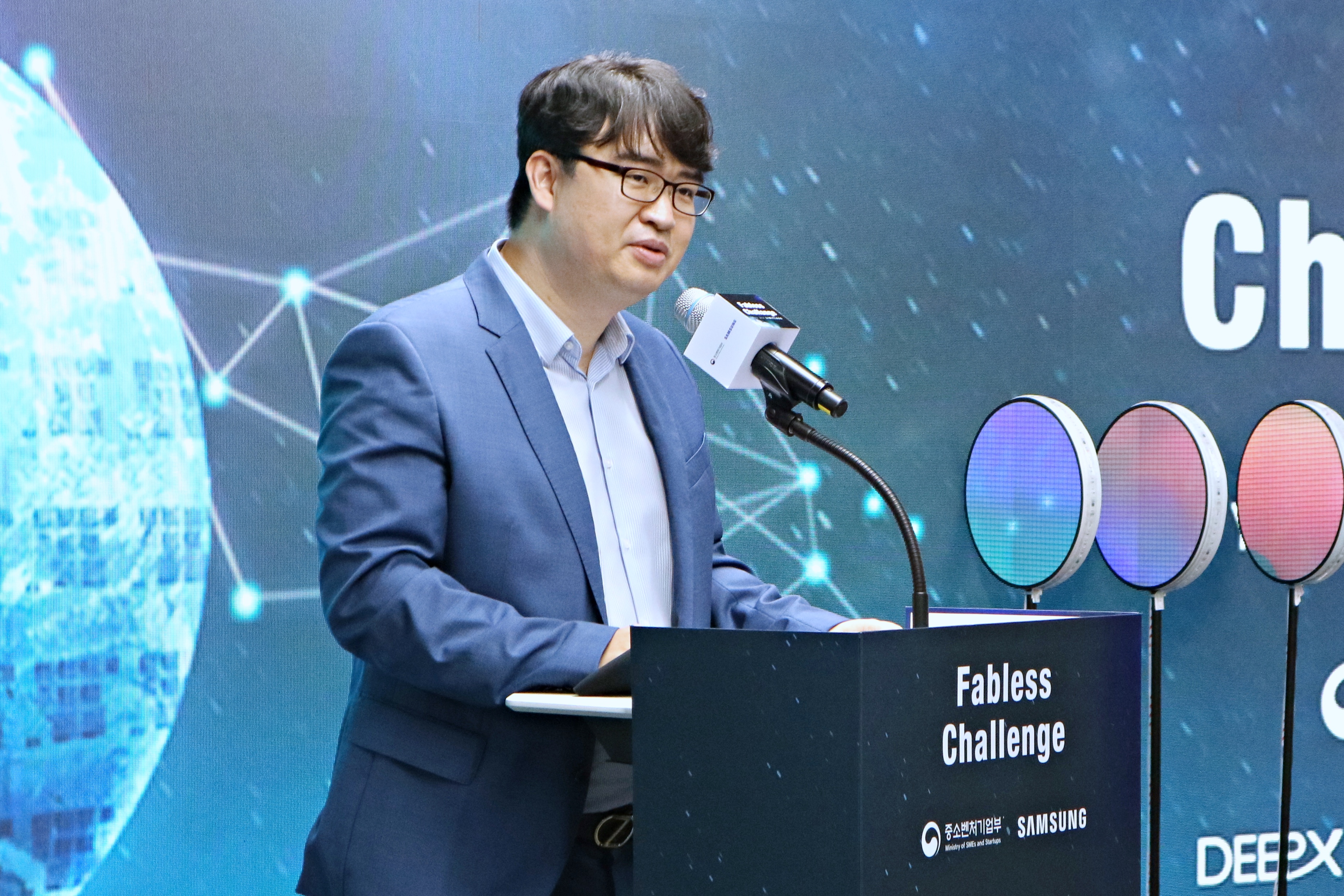
▲팹리스 챌린지 대회에 참석한 김녹원 딥엑스 대표
이날 김녹원 딥엑스 대표는 소감사를 통해 “AI반도체 기술 경쟁이 본격화되며 국내 팹리스 기업들도 확대될 수 있는 전환기를 맞이했다”며 “2030년이 되기 전에 AI반도체에서 기술 확보 및 생태계 조성이 이뤄지지 못한다면 세계시장에 편입하기는 어려울 것”이라고 전망했다.
메모리와 프로세서의 경계를 넘는 신개념 비휘발성 뉴로모픽 반도체를 개발하는 세미브레인은 8나노 표준 로직 공정 기반 임베디드 플래시 메모리를 개발했으며 송승환 대표는 “이번 MPW 서비스를 통해 임베디드 플래시 메모리 IP를 28나노에서 개발할 예정이며 향후 14나노, 5나노 등으로 확대할 계획”이라고 밝혔다.
지엘에스는 초고속 근거리 무선 영상전송을 위한 저전력·저지연 무선통신 SoC 칩을 개발해 통신 케이블 및 커넥터를 대체하는 것을 목표로 삼는 기업이다. 은기찬 부사장은 “다중 디스플레이 장치 인터페이스를 지원하는 초고속 근접용 60GHz RF회로를 구현해 스마트폰 및 AR·VR 등에 적용한다”는 목표를 내비쳤다.
스카이칩스는 신재생 에너지를 활용해 IoT 통신에 필요한 콘트롤러 전원 공급 시스템을 개발해 해외시장을 개척하고 있다. 연구인원만 70여명에 달하는 강소 팹리스인 스카이칩스의 이강윤 대표는 ‘에너지 하베스팅’이란 개념을 제시하며 “전등 및 RF로부터 에너지를 수확해 배터리 없는 기기를 모토로 삼성 가전 리모컨 등에 탑재되는 것을 목표로 하고 있다”고 말했다.
라온텍은 마이크로 디스플레이를 개발하는 팹리스로, 김보은 대표는 “메타버스 세상에서의 반도체-디스플레이가 패러다임을 주도할 것”이라고 언급했다. 라온텍은 초경량 AR 글라스용 8,000PPI SoD(System on Display)를 통해 글로벌 AR 시장 확보를 목표로 하고 있다.
김 대표는 “스마트글라스 시장이 내년부터 점차 확대가 될 것으로 예상되며 수억, 수십억개 스마트글라스 출하 시점에는 팹리스뿐 아니라 파운드리에서도 준비돼 있어야 한다”고 강조했다.
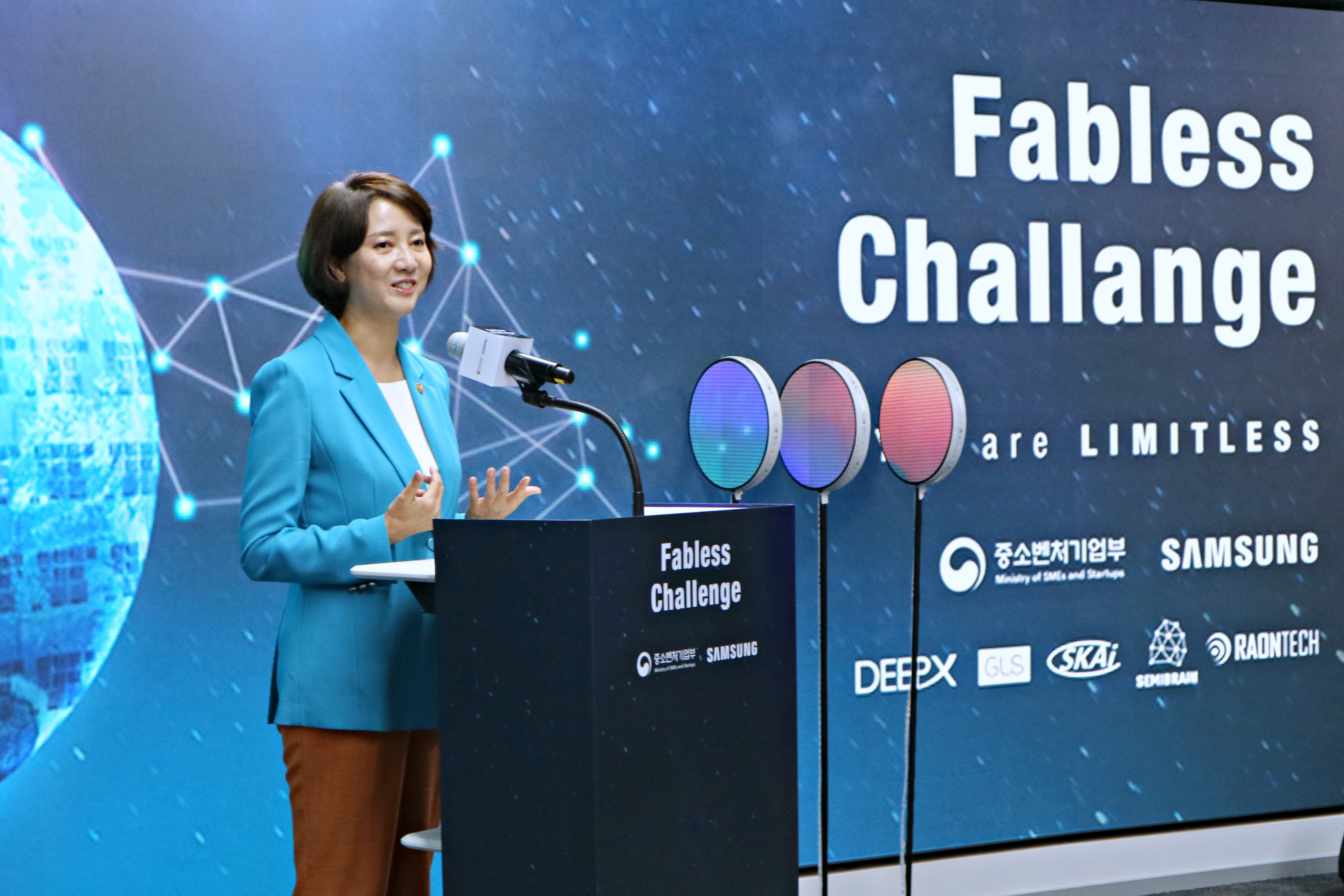
▲이영 중소벤처기업부 장관
이영 중기부 장관은 “산업계에서 대·중소기업 간 갈등이 첨예했지만 이번 대회에 삼성전자가 참여해 잠재력 있는 기업들을 지원할 수 있어서 의미가 남다르다”며 “지난 팹리스-파운드리 상생협의회를 통해 현장의 목소리를 정책에 반영할 수 있었으며 이번 대회도 이러한 과정에서 나온 아이디어를 구체화한 것이다”라고 밝혔다.
이어 이 장관은 “현장 목소리에서 팹리스는 ‘자금, 인력, 상생’이 가장 필요하다고 토로하고 있다”며 “시스템 반도체는 파운드리 기업과의 긴밀한 소통이 중요하기에 삼성전자의 행사 참여가 상생에 큰 의미를 지닌다”고 평가했다.
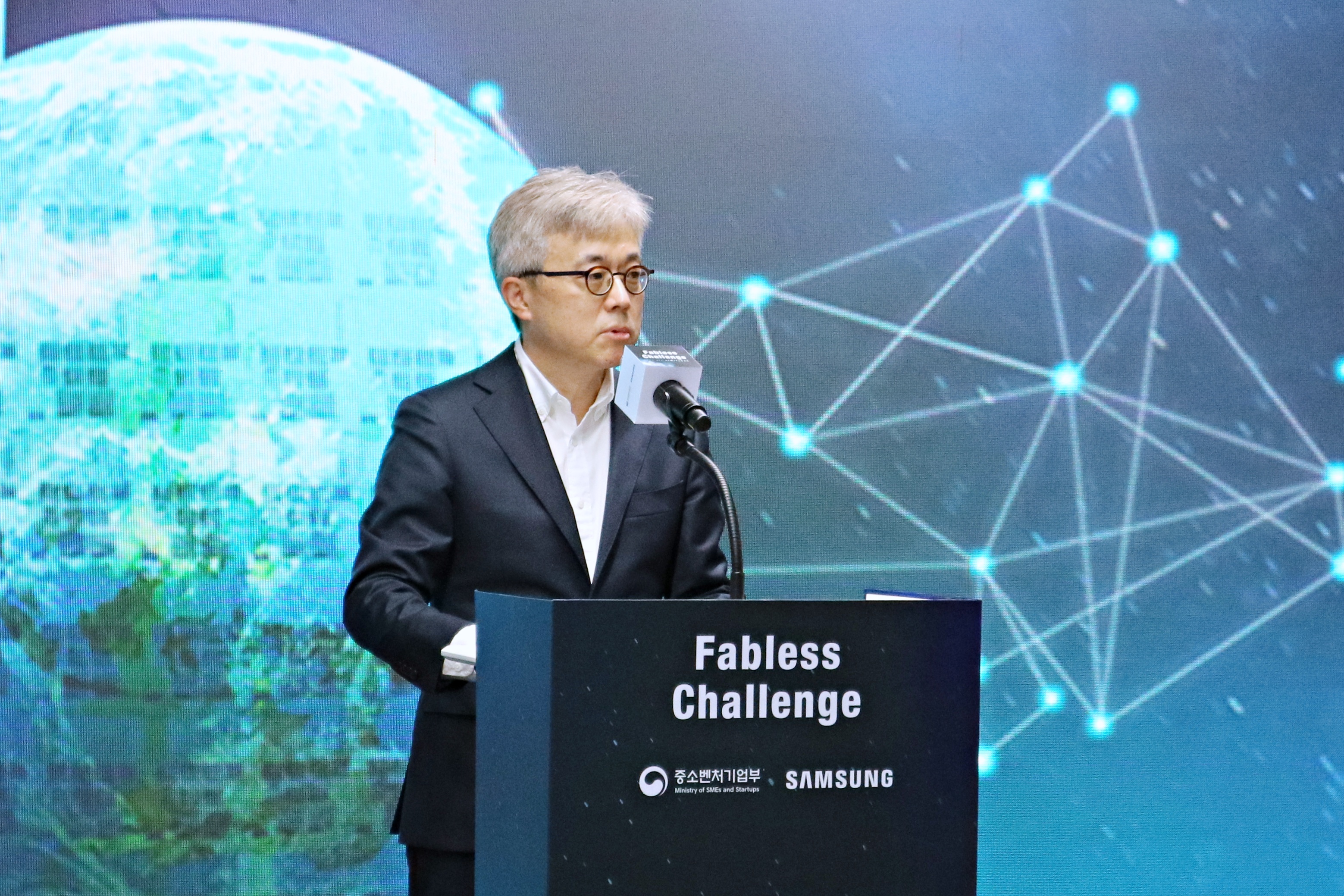
▲최시영 삼성전자 사장
삼성전자 파운드리사업부장 최시영 사장은 “국내 시스템반도체는 현재 글로벌 경쟁력이 부족하기에 정부의 적극적인 지원과 함께 팹리스-파운드리-소부장 업체 간의 유기적인 협력이 필요하다”고 말하며 “제반 여건이 어려운 국내 팹리스와 협력을 강화해 국내 시스템 반도체 생태계 강화에 최선을 다할 것”이라고 강조했다.
한편, 중기부는 팹리스 생태계 활성화를 위한 삼성전자와의 협업뿐 아니라 창업기업의 자금 지원을 위해 초기사업화 자금 및 R&D, 융자·보증을 패키지로 지원하며, 막대한 초기자금이 필요한 팹리스의 특성을 고려해 운전자금 지원한도를 기존 5억원에서 10억원까지 두 배 이상 확대했다.
또한 작년부터 국립마이스터고(구미전자공고)에 반도체 설계 특화과정을 신설해 20명의 학생이 국내 팹리스에 취업했으며, 올해 주요 대학 2곳에 시스템반도체 계약학과를 신설할 계획이라고 밝혔다.
Comments
Related news
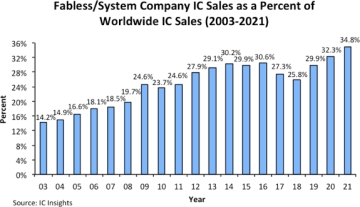
Fabless Worldwide Grows 2.7 Times… Focus on Future Food
The fabless and system semiconductor industry is rapidly expanding within the global semiconductor market. The system semiconductor industry, which has grown nearly threefold over the past 20 years, is larger than the memory market and capable of creating high value-added products, drawing attention domestically as a promising future business sector.
2022.07.08by 명세환 기자
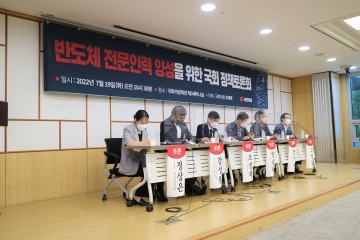
Semiconductor Talent ① - Contracted Departments Second Best, Diverse Majors Required
"Semiconductor contract degree programs should be a last resort. It is necessary to nurture semiconductor talent across diverse disciplines." Experts from various sectors gathered to discuss workforce development needed for the semiconductor industry. A wide range of agendas were discussed—from fabless ecosystem personnel to materials, parts and components (MPC), packaging, and regional balanced development—with unified commitment to realizing talent cultivation policies that form the foundation of the semiconductor ecosystem.
2022.07.19by 명세환 기자
Intel and MediaTek Join Hands for Chip Production
Intel has secured MediaTek's chip manufacturing orders, establishing itself as a strong fabless customer similar to TSMC's performance partnership with Taiwan. As the semiconductor alliance between Taiwan and the United States strengthens, Intel is beginning to stretch its presence in the foundry market.
2022.07.26by 명세환 기자

Intel Unveils Next-Generation 'Core Ultra Series 3' and vPro Platform for Enterprise PCs
Intel has officially unveiled the "Intel Core Ultra Series 3" for next-generation enterprise PCs and the latest vPro platform, addressing a wide range of demands from enterprise notebooks to high-performance workstations.
2026.03.26by 배종인 기자

ROHM Launches ESD Protection Diode Compatible with High-Speed Interfaces of 10Gbps or Higher
Semiconductor specialist ROHM has developed the 'RESDxVx series' of ESD (electrostatic discharge) protection diodes capable of responding to next-generation high-speed data communication environments exceeding 10Gbps, simultaneously enhancing both signal quality maintenance required in high-speed interfaces and IC protection performance.
2026.03.26by 배종인 기자











