


Intel Accelerates Open Ecosystem for Developers
 Published2022.09.29 14:35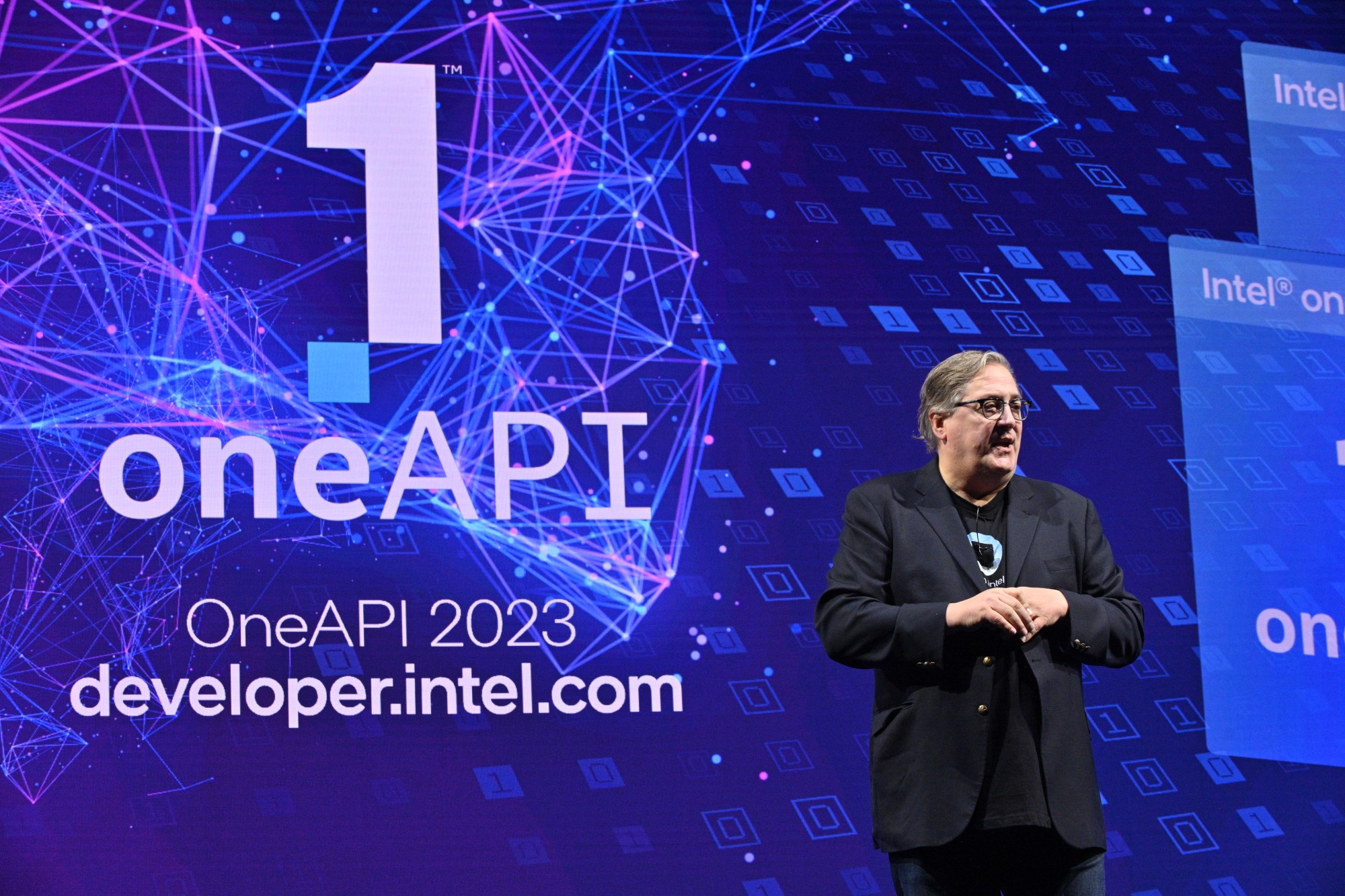
▲인텔 이노베이션 2일차 기조연설을 진행하는 그렉 라벤더 인텔 CTO (사진-인텔)
미래 AI·뉴로모픽·양자컴퓨팅 비전
IT업계에서의 경쟁이 치열한 가운데 인텔은 개방형 플랫폼을 통해 개발자 커뮤니티를 활성화하고 개발자들에게 적합한 솔루션을 제공하려는 의지를 내비쳤다.
인텔은 29일 인텔 이노베이션 2일차 행사를 통해 개방형 생태계를 육성하기 위한 노력과 투자 성과를 공개했다. 이번 행사에서 인텔은 개발자들을 위한 솔루션과 더불어 AI, 보안 및 양자컴퓨팅 개발을 지원하는 새로운 도구를 선보였다.
■인텔 oneAPI, 커뮤니티 포럼으로의 진화
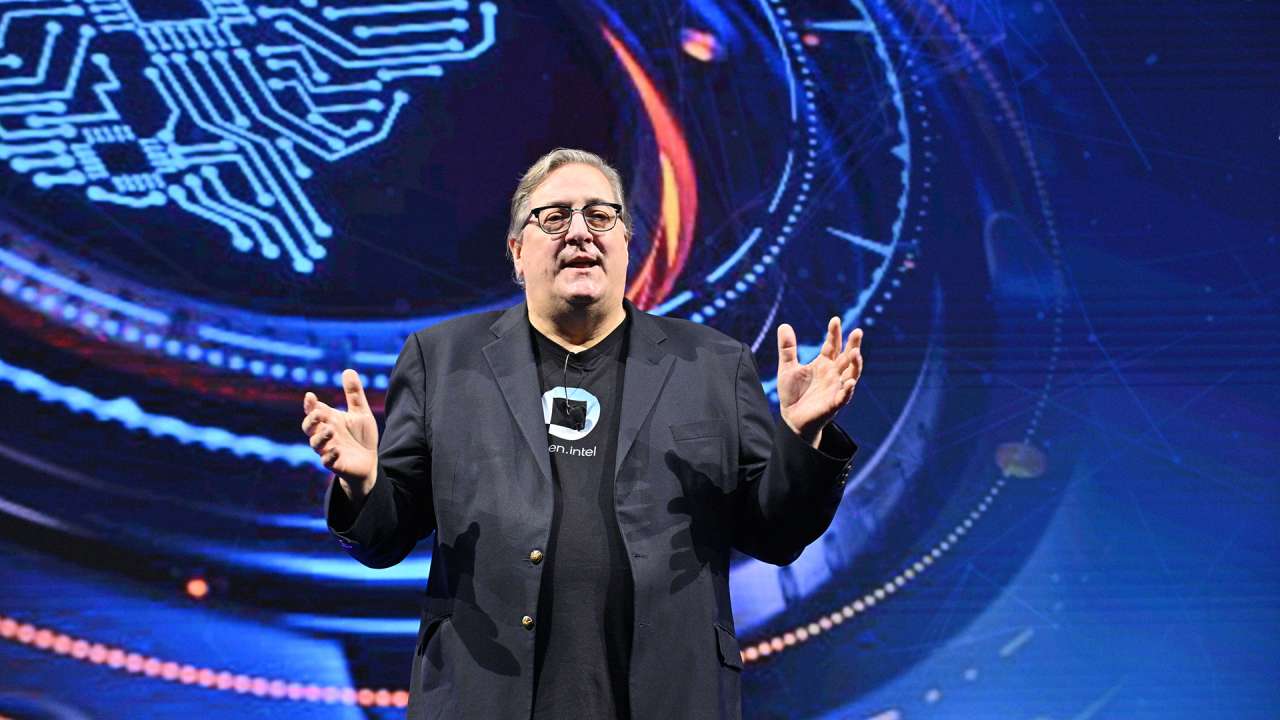
▲그렉 라벤더 CTO (사진-인텔)
인텔은 2일차 기조연설에서 그렉 라벤더 CTO가 oneAPI의 개방성과 변화에 대해 강조했다. oneAPI는 개발자가 해결하려는 특정 문제에 적합한 아키텍처를 선택할 수 있도록 하는 개방형 표준 기반 범 프로그래밍 모델이다. oneAPI 채택 및 도입이 확대될수록 인텔은 개발자·연구자·반도체 업계의 변화하는 요구 사항을 해결하기 위해 oneAPI의 미래방향성을 설정했고, oneAPI는 점차 커뮤니티 포럼으로 변모하고 있다고 설명했다.
개방형 표준을 주도하고 SYCL 및 oneAPI 도구의 크로스 플랫폼 구현 사례와 전문성을 갖춘 인텔의 자회사인 코드플레이(Codeplay)가 oneAPI 개발 커뮤니티 관리를 총괄하게 된다. 인텔은 해당 oneAPI 사양을 기반으로 개발자 도구와 접근이 용이한 툴킷을 계속 제공할 예정이라고 밝혔다.
인텔 oneAPI 2023 툴킷은 최신 CPU·GPU·FPGA 아키텍처를 지원하며 오픈 소스 SYClomatic 호환성 도구 등을 포함해 12월에 출하될 예정이다. SYCLomatic은 CUDA 소스 코드를 SYCL 소스 코드로 변환하는 것을 지원해 개발자에게 컴퓨팅 아키텍처에 대한 선택권을 제공한다.
인텔은 또한 중요 애플리케이션에서의 oneAPI 지원을 확대하고 oneAPI 커리큘럼 개발을 확장하기 위해 oneAPI 엑설런스 센터(oneAPI Centers of Excellence)를 구성해온 6개의 교육 및 연구 기관을 추가로 발표했다. △북경대학교 △영국 과학기술시설위원회 △이스라엘 테크니온 공과대학교 △유타대학교와 로렌스 리버모어 국립 연구소의 공동연구 △캘리포니아대학교 샌디에이고 캠퍼스 △베를린 주세 연구소가 해당된다.
라벤더 CTO는 "인텔의 목표는 개발자가 오픈 소스 생태계를 통해 또는 인텔에서 제공하는 제품으로 최고의 소프트웨어 기술을 쉽게 접할 수 있도록 하는 것이다"고 말했다.
한편, 2021년 에반스 데이터 코퍼레이션(Evans Data Corporation)에서 실시한 글로벌 개발 설문조사(Global Development Survey)에 따르면 개발자의 약 90%가 인텔에서 개발 혹은 최적화한 소프트웨어를 사용하고 있는 것으로 조사됐다. 인텔은 지난 10년 이상 리눅스 커널에 많은 기여를 하고 있으며, oneDNN 성능 라이브러리를 텐서플로우(TensorFlow)에 통합해 수백만명의 텐서플로우 사용자들에게 자동으로 최대 3배의 성능 향상을 선사한 바 있다.
■AI·뉴로모픽·양자컴퓨팅 도구 공개
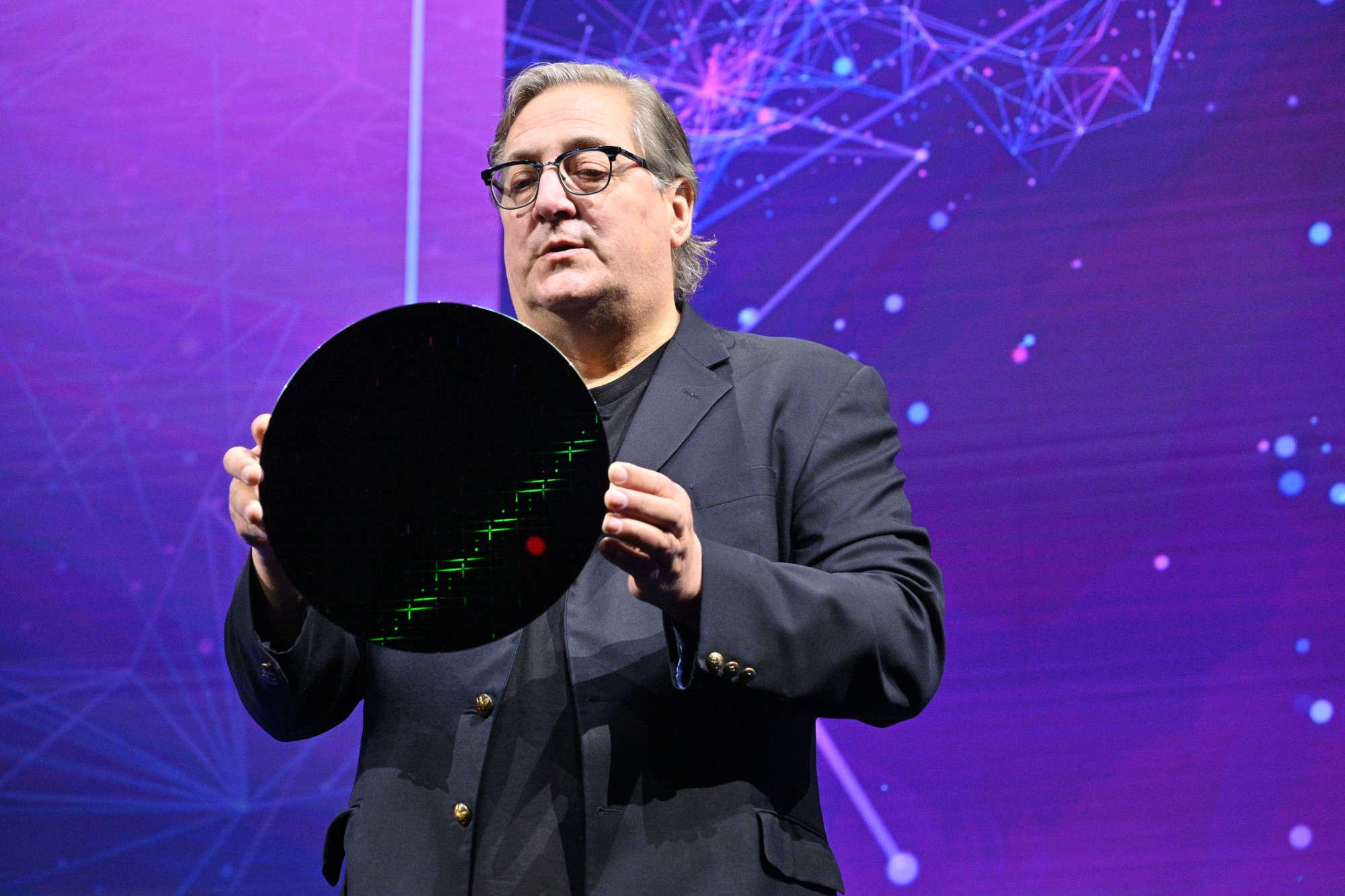
▲오리건 공장에서 제조한 큐비트 웨이퍼를 선보이고 있는 그렉 라벤더 CTO (사진-인텔)
개방형 기술의 또 다른 이점은 다양한 전문성을 가진 벤더와 고객의 무수한 솔루션과 통합할 수 있다는 것이다.
이날 크리스 라이트(Chris Wright) 레드햇(Red Hat) CTO는 그렉 라벤더 인텔 CTO 발표에 영상을 통해 출연했다. 라이트 CTO는 레드햇 오픈시프트 데이터 사이언스(OpenShift Data Science)가 “인텔의 AI 제품군과 통합돼 개발자들이 인텔 AI 애널리틱스 키트(Intel AI Analytics Kit)와 오픈비노(OpenVINO) 도구를 사용해 AI 모델을 학습하고 배포할 수 있다”고 발표했다.
레드햇은 “비용 효율적인 고성능 딥 러닝 모델 학습 및 배포를 모두 매니지드 클라우드 서비스로 제공”하기 위해 하바나 가우디(Habana Gaudi)를 자사 서비스에서 활용할 수 있도록 노력하고 있다고 설명했다. 라이트 CTO는 또한 “개발자들이 레드햇 오픈시프트 데이터 사이언스와 인텔의 통합 AI 및 엣지 포트폴리오를 사용해 모델을 쉽게 학습, 테스트 및 배포할 수 있도록 돕기 위해” 인텔과 레드햇 AI 공동 개발자 프로그램 출시를 발표했다.
또한 인텔은 개발자가 양자 알고리즘 프로그래밍 방법을 습득하고 해당 기술의 잠재성을 현실화할 인텔 양자 SDK(Intel Quantum SDK)를 발표했다.
지난 5월에 개최된 인텔 비전(Intel Vision)에서 간략히 소개된 양자 컴퓨터에 의해 제기된 위협을 해결하기 위한 라벤더 CTO는 인텔의 3단계 접근 방식의 일부인 포스트 양자 암호(post-quantum cryptography)에 대한 진행 상황을 자세히 설명했다.
라벤더 CTO는 표준화를 향한 최근의 발전과 기회와 위험의 시급성을 높이는 것은 "2030년까지 Y2Q 혹은 양자 컴퓨팅 공격에 대한 복원력을 확보하기 위한 중요한 진전”이라며, “많은 사람들은 Y2Q가 2000년도 '밀레니엄 버그'보다 더 큰 영향을 미칠 것으로 예상한다"고 말했다.
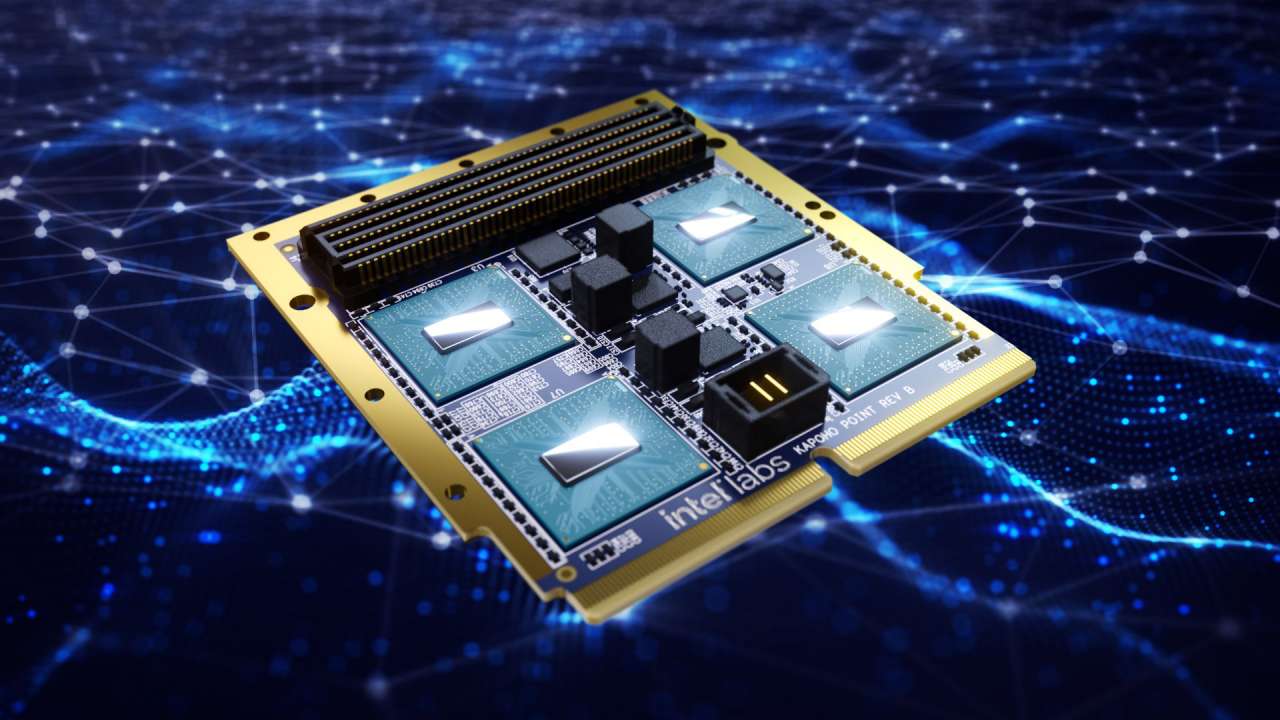
▲로이히2 연구 칩에 기반한 스택형 멀티 보드 플랫폼인 카포호 포인트(Kapoho Point) (이미지-인텔)
뉴로모픽 기술을 상용화하려는 인텔은 인텔 랩스(Intel Labs)를 통해 △로이히2 연구 칩에 기반한 스택형 멀티 보드 플랫폼인 카포호 포인트(Kapoho Point) △라바 오픈 소프트웨어 개발 프레임워크의 업데이트 △새로운 멤버 추가 및 인텔이 후원하는 인텔 뉴로모픽 리서치 커뮤니티(INRC) 등 8개의 대학 프로젝트를 포함한 개발자들을 위한 새로운 도구를 발표했다.
또한 인텔은 빠르고 효율적으로 특정 업계에 특화된 새로운 AI 솔루션을 구축하려는 개발자를 위해 △문서 자동화 △질병 예측 및 의료 영상 진단 등 3가지 헬스케어 AI 레퍼런스 키트를 공개했다. 해당 키트는 깃허브(GitHub)를 통해 7월에 출시된 4개의 AI 레퍼런스 키트와 함께 공개된 상태이다.

Comments
Related news
.jpg)
Intel Labs Powers Neuromorphic Computing Robots with Continuous Interactive Learning
Intel Labs has introduced a new approach to neural network-based object learning in collaboration with the Italian Institute of Technology and the Technical University of Munich.
2022.09.02by 김예지 기자
.jpg)
Intel Accelerates AI Software Development by Participating in Inter-enterprise Hardware Specification Integration
Computing requirements for artificial intelligence are increasing exponentially. Achieving the computing throughput necessary to advance AI requires new innovations across both hardware and software.
2022.09.16by 명세환 기자
Pet Gelsinger: "UCIe is just around the corner."
As heterogeneous integration semiconductors emerge as next-generation technology, more cases of adopting chiplet architecture are increasing. In response, the establishment of 'UCIe (Universal Chiplet Interconnect Express)', a semiconductor packaging standard aimed at cost reduction and shortened development cycles, is coming into view.
2022.09.28by 명세환 기자

Intel Unveils Next-Generation 'Core Ultra Series 3' and vPro Platform for Enterprise PCs
Intel has officially unveiled the "Intel Core Ultra Series 3" for next-generation enterprise PCs and the latest vPro platform, addressing a wide range of demands from enterprise notebooks to high-performance workstations.
2026.03.26by 배종인 기자

ROHM Launches ESD Protection Diode Compatible with High-Speed Interfaces of 10Gbps or Higher
Semiconductor specialist ROHM has developed the 'RESDxVx series' of ESD (electrostatic discharge) protection diodes capable of responding to next-generation high-speed data communication environments exceeding 10Gbps, simultaneously enhancing both signal quality maintenance required in high-speed interfaces and IC protection performance.
2026.03.26by 배종인 기자











