


"Korea Can Be Turned into Silicon Valley"
 Published2023.01.12 16:20
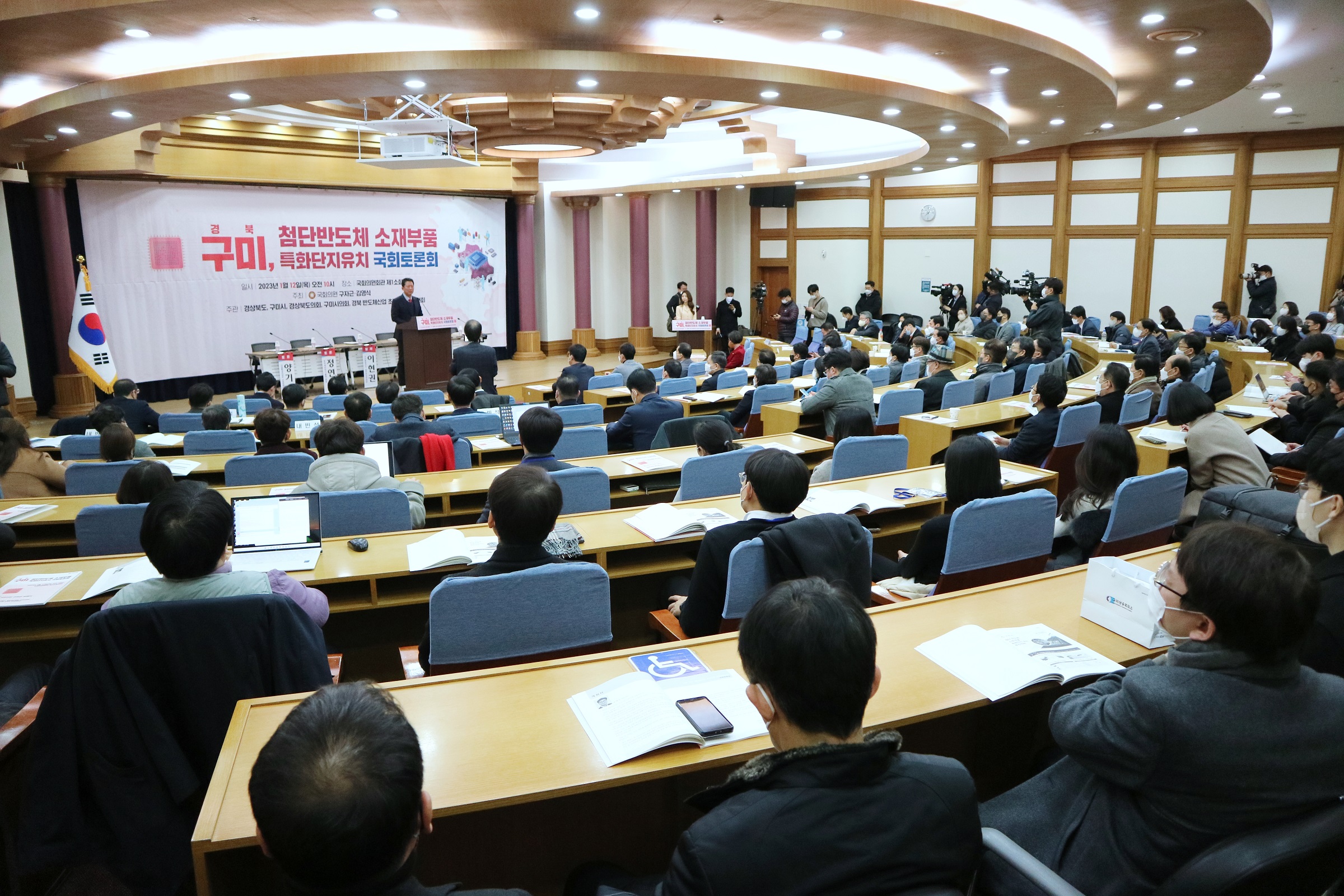
▲경북 구미, 첨단반도체 소재부품 특화단지유치 국회토론회
첨단 반도체 산업 역량 강화에 대한 정부 및 지자체 관심이 높은 가운데 반도체 특화단지를 사이에 두고 지역 간 유치 전쟁이 시작됐다. 국내 전자산업의 태동기를 이끈 구미시는 첨단반도체 소재부품 특화를 통해 지역 성장을 모색했다.
12일 여의도 국회의원회관에서 ‘경북 구미, 첨단반도체 소재부품 특화단지유치 국회토론회’가 열렸다. 지역 특화단지 유치와 국가 첨단반도체 역량 강화를 논의하는 이번 자리는 입법·행정부와 더불어 대학 및 기업 관계자가 두루 참석해 지역 반도체 생태계 역량 강화를 위해 머리를 맞댔다.
백홍주 원익큐앤씨 대표이자 경북반도체산업초격차육성위원회 위원장은 이날 개회사에서 “반도체 급변의 시대에 일본의 반도체 공정 주요 소재 수출 통제 사건이 촉발한 소재·부품 내재화는 현재 30%대에 머물며 점차 동력을 잃어가는 모양새인 것 같다”고 진단했다. 한국 전체를 실리콘밸리로 만들 수 있다는 백 위원장은 “특히 구미시가 교통 인프라와 공급망을 기반으로 세계적인 반도체 소재·부품 공급단지가 될 수 있다”고 피력했다.
글로벌 공급망(GVC)에서 동맹국 간 블록 공급망(BVC)으로 추세가 변화했으며 이제는 국가 공급망(NVC)으로 패러다임이 변화하는 중이다. 발제를 맡은 이현권 구미특화단지 실무추진위원장은 왜 구미에 반도체 소재·부품 특화단지가 있어야 하느냐는 질문에 △360여개 반도체 소재·부품·장비사 집적 △완비된 인프라 △확장성을 손꼽았다.
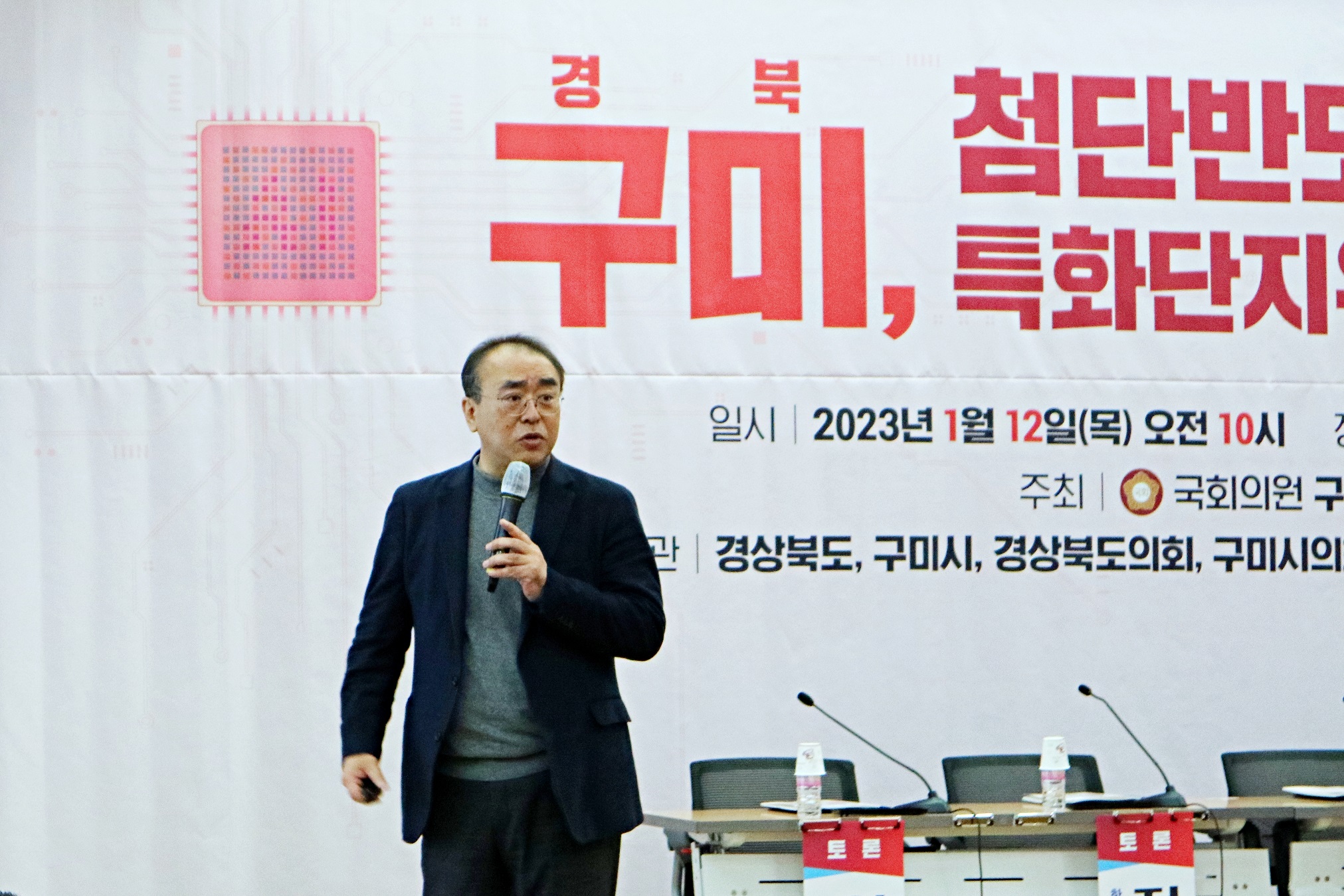
▲이현권 구미특화단지 실무추진위원장
구미 산업단지에는 △SK실트론(Si·SiC 웨이퍼) △KEC(전력반도체소자) △매그나칩반도체(DDI, 전력반도체소자) △LG이노텍(FCBGA) △LB루셈(BGBM, COF패키징) 등 선도기업이 위치하고 있으며 이를 중심으로 중소 소부장 기업들이 입주해 있다.
이 위원장은 “계획 중인 국가 5산단 확장을 위해 81만평을 확보했으며 △공업용수 △반도체용 고순도 초순수 실증 플랜트 △친환경 전력 공급 △반도체 제조 폐기물 자원순환 구축을 통해 반도체 특화단지를 조성할 계획이다”라고 밝혔다. 이는 기업들의 ESG대응에도 큰 도움이 될 것이라고 덧붙였다.
향후 △KEC·매그나칩 전장용 전력반도체·구미 방산·전자·전방산업용 FPGA 반도체 생태계 조성 △K벨트·광주전남 AI단지·부산전력단지의 소부장 후방 공급 특화단지 비전을 통해 확장성을 가질 수 있다고 언급했다.
이 위원장은 “구미는 종합 칩메이커나 장비 제조사가 없기에 수도권에 밀집된 IDM·장비제조사와 연계하는 것이 옳다”며 2027년까지 기반조성과 연계협력을 통해 국내 반도체 생태계를 완성하고, 2032년까지 생태계 고도화와 글로벌 선도를 목표로 글로벌 반도체 생산거점에 이르는 육성 로드맵을 공개했다.
토론회에 참석한 패널들은 “기업체 인력 확보가 매우 어려운 상황인데 지역은 인력 양성과 공급에 더 많은 고민이 필요하다”며 산학 연계의 중요성을 강조했다. 인재들의 지역 기피 현상을 고려해야 하며 더불어 단순 인력이 아닌 석박사급의 고급인력을 양성·매칭해야 한다고 꼬집었다.
또한 “칩메이커들도 글로벌 경쟁에 밀리지 않는 것만으로도 버거운 상태이기에 증명 안 된 소부장은 사용할 수 없다”고 지적했다. 이종수 반도체디스플레이기술학회 사업부회장은 “특화단지에 소부장 테스트베드를 마련해 기술·제품 성숙도를 올려서 엔드유저에게 연계하는 방향으로 가야한다”고 제언했다.
Comments
Related news
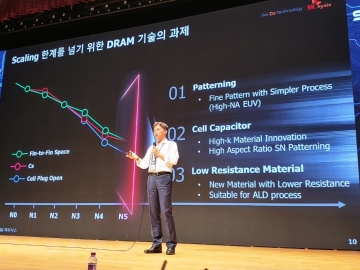
[Semiconductor Show 2022] CEO Kwak No-jeong: "Development of new materials to overcome memory limitations is essential."
"Innovation in 'high-K dielectric materials' must be accompanied. Development of new materials is necessary to address resistance issues resulting from contact size reduction."
2022.10.06by 명세환 기자
.jpg)
Samsung Electronics and POSCO Push for Localization of 'Xenon'
Samsung Electronics will advance the localization of xenon (Xe) gas, a critical semiconductor material, together with POSCO.
2022.10.27by 배종인 기자
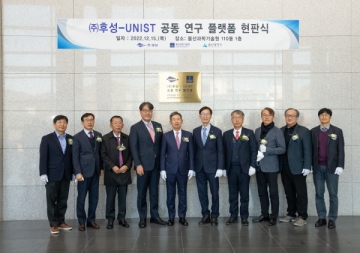
Hoosung Co., Ltd. and UNIST begin full-scale development of low-GWP etching technology.
UNIST (President Lee Yong-hun) and Husung Co., Ltd. have launched a joint research project to develop low GWP etching technology, with expectations for future technology development in industry-academia collaborative research and advancement of semiconductor materials.
2022.12.20by 배종인 기자

Intel Unveils Next-Generation 'Core Ultra Series 3' and vPro Platform for Enterprise PCs
Intel has officially unveiled the "Intel Core Ultra Series 3" for next-generation enterprise PCs and the latest vPro platform, addressing a wide range of demands from enterprise notebooks to high-performance workstations.
2026.03.26by 배종인 기자
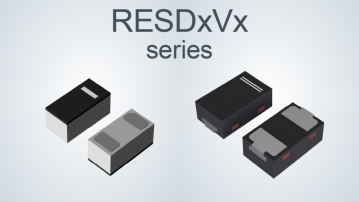
ROHM Launches ESD Protection Diode Compatible with High-Speed Interfaces of 10Gbps or Higher
Semiconductor specialist ROHM has developed the 'RESDxVx series' of ESD (electrostatic discharge) protection diodes capable of responding to next-generation high-speed data communication environments exceeding 10Gbps, simultaneously enhancing both signal quality maintenance required in high-speed interfaces and IC protection performance.
2026.03.26by 배종인 기자











