


"US Containment of China: Opportunity Amidst Korea's Crisis"
 Published2023.01.17 16:41
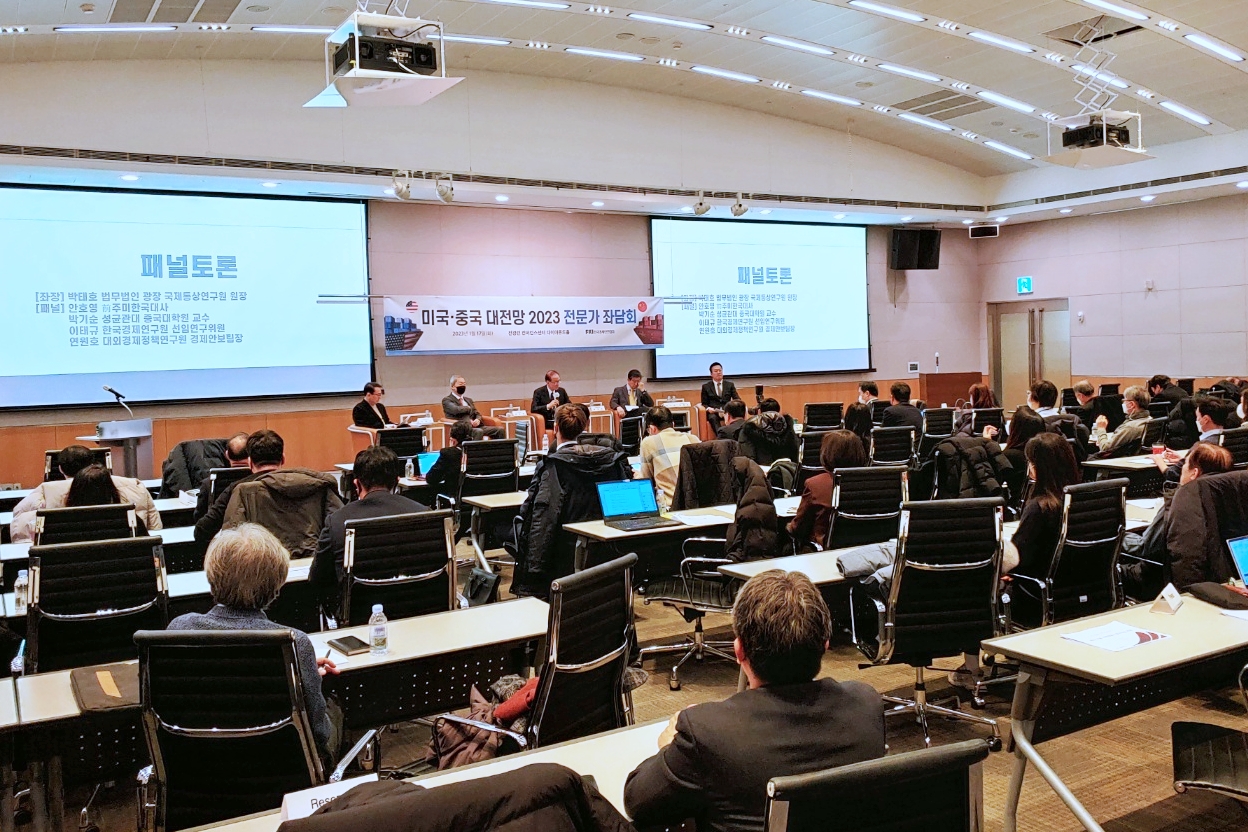
▲미국·중국 대전망 2023 전문가 좌담회
“미국의 대중국 견제 없었으면 중국 반도체가 한국을 따라잡았을 것이다”
17일 여의도 전경련 컨퍼런스센터에서 미국·중국 대전망 2023 전문가 좌담회가 열렸다. 미·중 패권 경쟁과 경기침체 속에서 맞이한 2023년은 비즈니스 불확실성이 커진 가운데 전경련은 각계분야 전문가와 함께 미래를 전망하는 자리를 마련했다.
이날 좌담회에 참여한 박기순 성균관대 중국대학원 교수는 미국과 중국 간 갈등이 한국 반도체 산업에 어부지리의 이득을 준 것으로 진단했다. 트럼프 대통령 시대부터 이어진 대중국 기술 억제가 반도체 격차 유지에 도움이 됐다는 것이다.
미중갈등 이후 한국의 대외 무역과 산업 지형에서도 구조 변화가 있었다. 박 교수는 “과거 중국에 한국기업 진출이 많아 대중무역수지가 좋아 보였으나 이는 국내기업 간 원자재 거래였을 뿐이다”라며 “현재 기업들의 탈중국이 많이 진행된 지금은 대중 수출이 상당히 줄었으며 앞으로는 중국 내수시장에 침투하는 노력이 필요하다”고 덧붙였다.
세계적 고물가·고금리, 중국의 코로나 재확산과 부동산 침체 그리고 각종 규제와 무역전쟁으로 인한 회복 탄력성 저하가 우려되는 상황에서 전문가들은 한국이 미·중 사이에서 대외 리스크에 직면해 있는 것으로 진단했다.
미국과 중국 가운데 어느 하나를 선택해야 된다는 프레임에서 벗어나야 된다고 말하는 정대진 산업통상자원부 통상차관보는 “한미동맹의 중요성과 대중국 경제파트너 어느 하나를 선택할 수 있는 문제가 아니다”라고 기조연설을 통해 주장했다.
반면. 탈중국을 자연스런 흐름으로 받아들이고 전략적 모호성을 경계하는 발언도 이어졌다. 이태규 한국경제연구원 선임연구위원은 “인위적 탈중국은 미중갈등의 조정으로 인해 비용이 발생하며 자연스런 탈중국을 통해 효율을 증가시켜야 한다”고 언급했다.
안호영 전 주미한국대사는 “미국이 중국에 대한 기조를 협력과 경쟁 사이 어딘가에 있는 듯하며 이 경우 한국에 유리할 수 있다”며 “미중 사이에서 균형을 가지는 것은 더 이상 우리 전략이 아니며 모호성은 미국의 의심과 중국의 실망을 동시에 살 수 있다”고 지적했다.
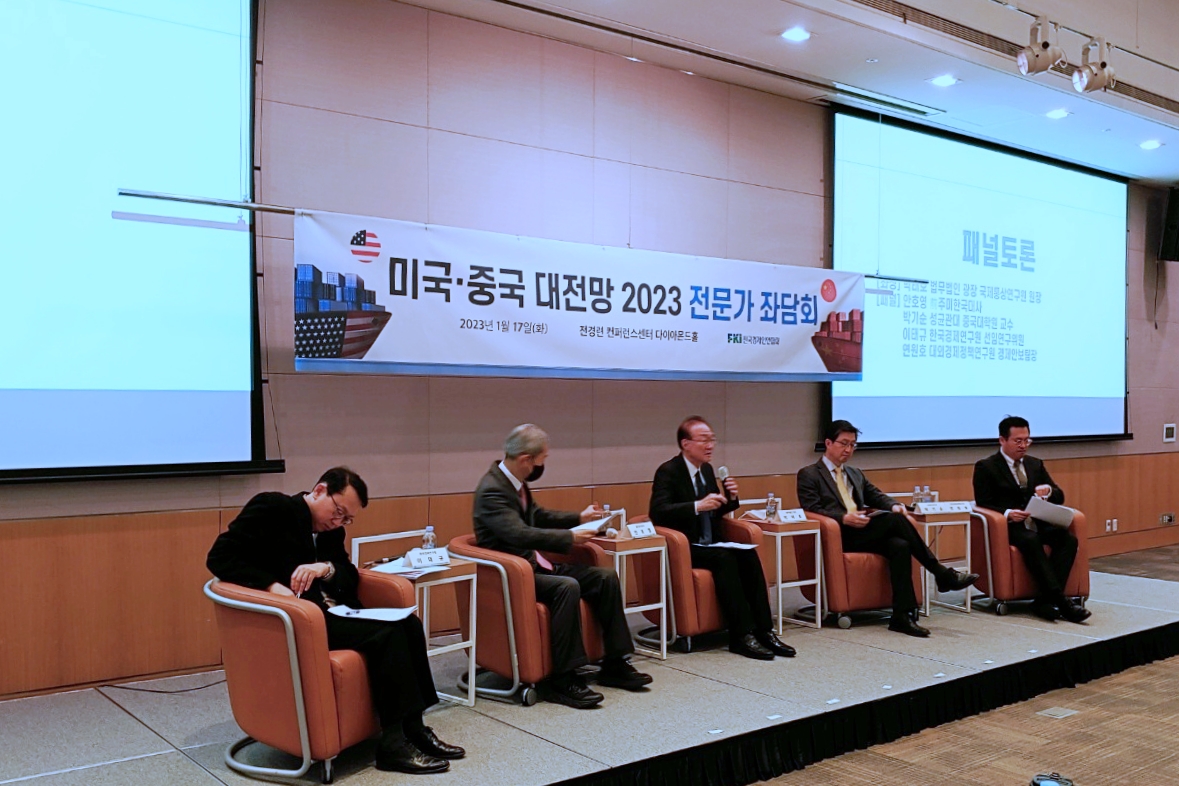
▲미국·중국 대전망 2023 전문가 좌담회 패널 토론이 진행되는 모습. 왼쪽부터 △이태규 한국경제연구원 선임연구위원 △안호영 전 주미대사 △좌장을 맡은 박태호 법무법인 광장 국제통상연구원 원장 △박기순 성균관대 중국대학원 교수 △연원호 대외경제정책연구원 경제안보팀장
미국의 거센 견제를 받는 중국의 반도체 산업이 독자성장할 수 있냐는 질문에 연원호 대외경제정책연구원 경제안보팀장은 “약간의 궤도 수정이 최근 있다”며 중국의 반도체산업 동향을 밝혔다.
중국은 이전까지 첨단 반도체 기술 개발에 힘을 쏟았으나 최근 기세가 한풀 꺾였다. YMTC가 작년 8월 200단대 낸드플래시 개발 성공을 발표했지만 첨단 낸드 제품 개발 로드맵에 차질이 있는 것으로 전해졌다.
미국이 YMTC를 무역 블랙리스트에 추가하며 128단 이상의 낸드플래시를 생산할 수 있는 장비 수출을 막아버렸다. 이에 중국은 첨단 3D 낸드플래시 양산에 먹구름이 꼈다.
반면, 희토류 등 중국의 핵심 광물 수출 제한을 통해 미국에 대응할 가능성은 낮게 점쳤다. 박기순 교수는 “미국에 비해 중국의 경제적 열세가 명확하기에 피동적 공세 수준에 그칠 것”으로 내다봤다.
좌장을 맡은 박태호 법무법인 광장 국제통상연구원 원장은 “EU·미국·중국 글로벌 3대 경제권이 동시 침체에 들어가며 올 한 해는 정말 어려울 것”이라며 “다양한 하방 요인이 있으나 중요한 건 이러한 요인들의 상호 영향으로 인해 어떻게 표출될 것인지가 관건”이라고 말했다.
권태신 전경련 부회장은 개회사를 통해 “세계 경제 침체가 전망되는 가운데 정부는 올해 성장률을 1.6%로 예측했다”며 “기업 경영 악화를 예상하는 CEO가 60%에 육박하고 올해 수출도 전년대비 4.5% 감소가 예상된다”고 우려했다.

Comments
Related news

SK Hynix negotiates one-year grace period for equipment supply restrictions in China.
US semiconductor equipment manufacturers have recently notified several companies operating semiconductor fabrication plants in China of suspension of product and service deliveries, while SK Hynix has received a temporary exemption from the Department of Commerce allowing equipment supply for one year.
2022.10.12by 명세환 기자
Semiconductors: A Korean-style Ecosystem Is Essential
The semiconductor industry has emerged as an essential foundation for advanced industries and a key pillar of national competitiveness and economic security. Against this backdrop, voices from the industry have been heard calling for the establishment of a Korean-style semiconductor ecosystem at a policy forum preparing for the future of the semiconductor industry.
2022.12.13by 명세환 기자
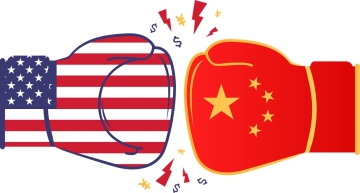
US imposes export controls on AI chips from China... China's demise vs. China's demise
The expression "junggkkoktma" (the most important thing is an unbreakable spirit) has been trending throughout this year. This phrase, which has swept across the sports world, now finds its meaning in the tense tug-of-war between the United States, a technology powerhouse seeking to break China's rise in artificial intelligence (AI), the next-generation advanced industry, and China, the underdog refusing to be broken.
2022.12.22by 명세환 기자

Intel Unveils Next-Generation 'Core Ultra Series 3' and vPro Platform for Enterprise PCs
Intel has officially unveiled the "Intel Core Ultra Series 3" for next-generation enterprise PCs and the latest vPro platform, addressing a wide range of demands from enterprise notebooks to high-performance workstations.
2026.03.26by 배종인 기자

ROHM Launches ESD Protection Diode Compatible with High-Speed Interfaces of 10Gbps or Higher
Semiconductor specialist ROHM has developed the 'RESDxVx series' of ESD (electrostatic discharge) protection diodes capable of responding to next-generation high-speed data communication environments exceeding 10Gbps, simultaneously enhancing both signal quality maintenance required in high-speed interfaces and IC protection performance.
2026.03.26by 배종인 기자











