



The Metaverse Act is moving quickly, with the goal of "metaverse is not a game."
 Published2023.01.20 08:10
“메타버스, 융합 시너지 高”, 에너지·제조·자동차도 주목
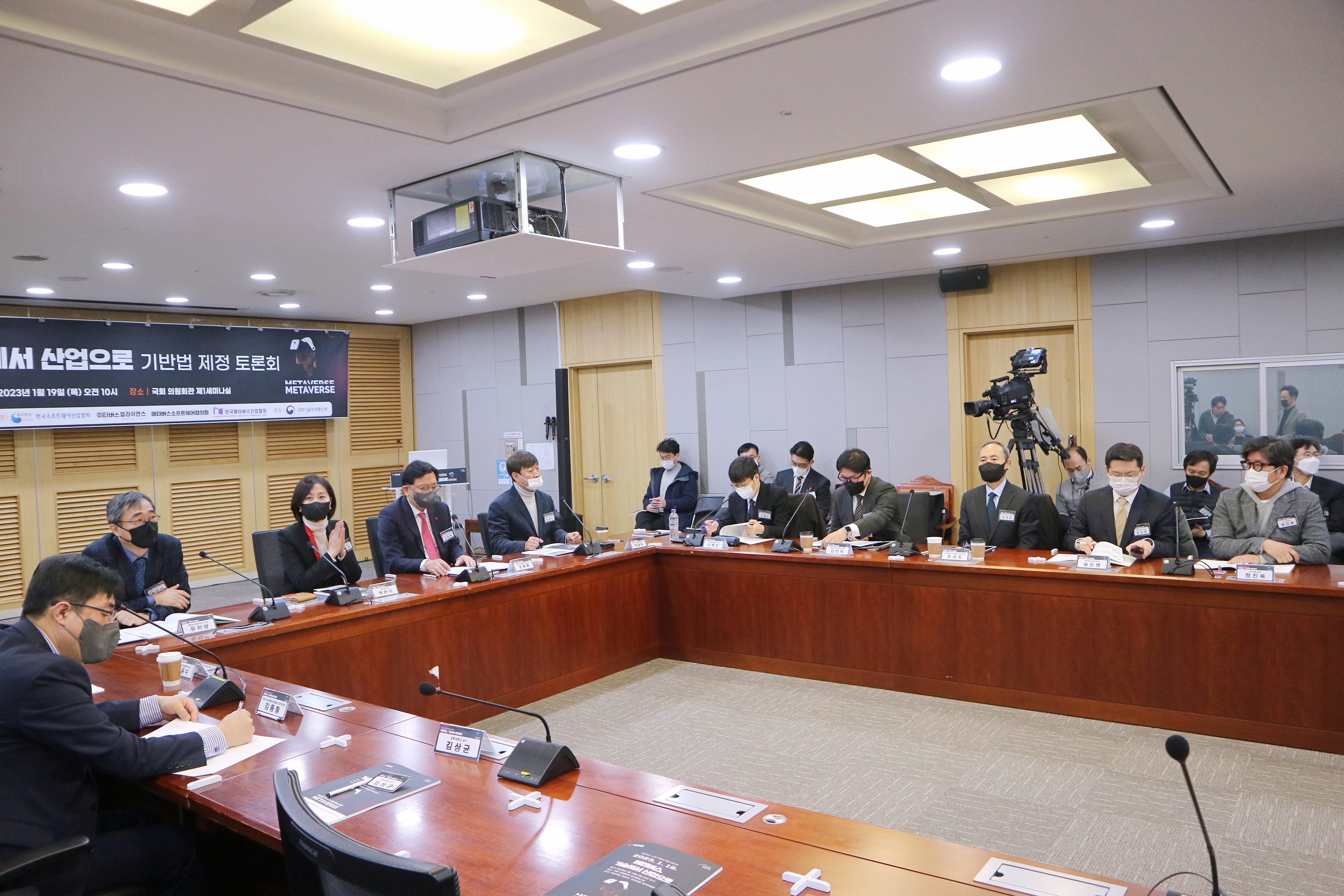
▲메타버스 산업 기반법 제정 토론회
국내 메타버스 생태계를 꽃피우려는 움직임이 활발하다. 지난해 메타버스산업진흥법안이 발의됐으며 이후 조속한 법안 통과와 메타버스 생태계 활성화를 위해 업계 관계자들이 모여 열띤 토론의 장을 펼쳤다.
메타버스 산업 기반법 제정 토론회가 여의도 국회의원회관 세미나실에서 19일 개최됐다. 이날 토론회에는 관계 기업 및 행정기관, 협회가 총집합한 가운데 취재진과 관계자들로 세미나실은 북새통을 이뤘다.
이번 토론회는 메타버스 산업법 제정을 촉진하고 관련 산업계 목소리를 청취하기 위해 마련된 자리로 △한국소프트웨어산업협회 △메타버스얼라이언스 △메타버스소프트웨어산업협의회 △한국메타버스산업협회가 공동주관했으며, 국민의힘 허은아 의원이 메타버스 산업 기반법 발의자이자 주최자로서 토론회에 참여했다.
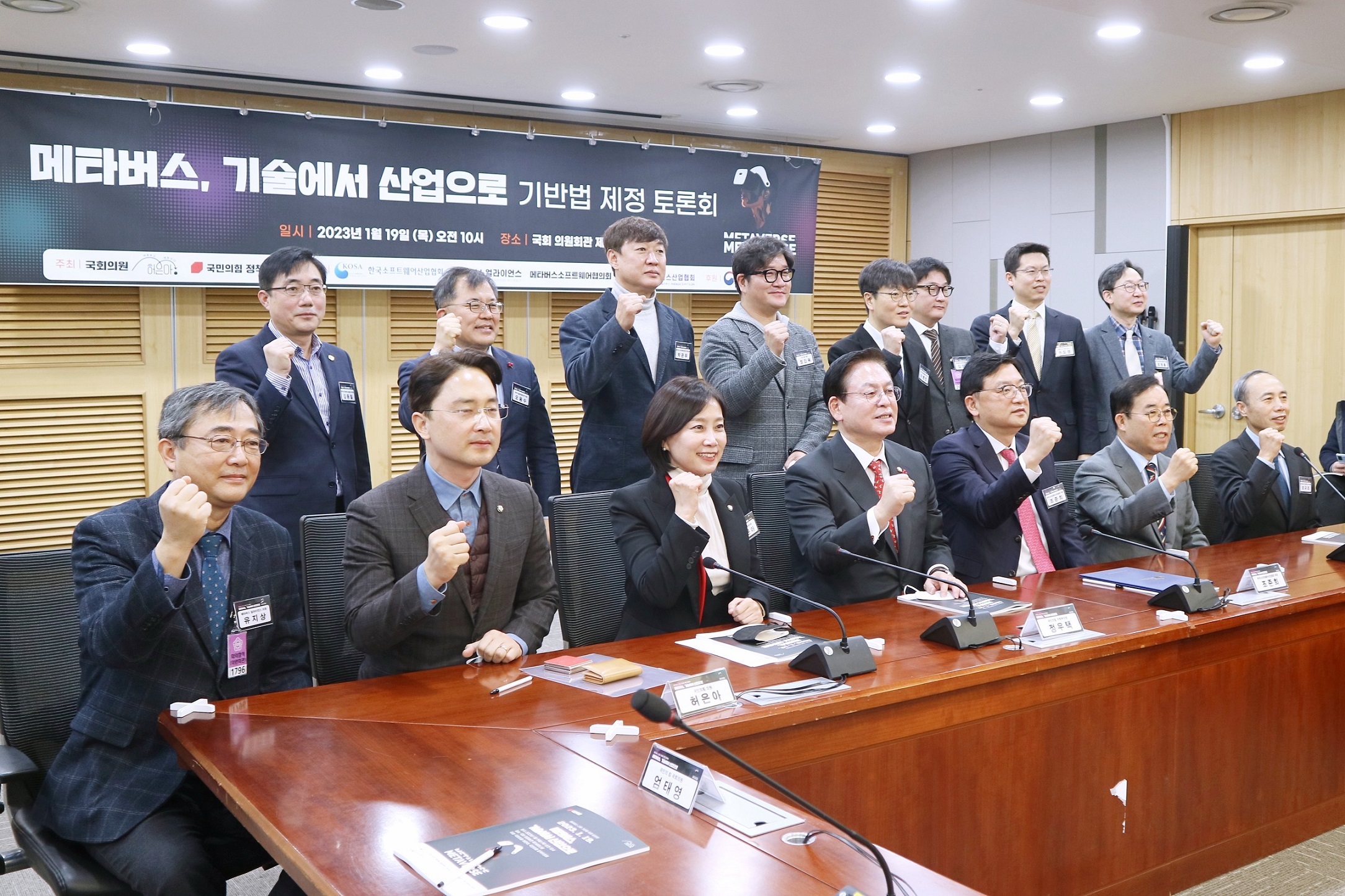
▲메타버스 산업 기반법 제정 토론회에 참석한 발제자 및 토론 패널. 가운데 △허은아 의원 △정우택 국회 부의장 △조준희 한국소프트웨어산업협회 회장이 자리했다. 이날 토론회에는 △김상균 경희대 교수 △이변진 과학기술정보통신부 디지털콘텐츠과 과장 △김민석 NIPA 메타버스산업본부 본부장 △조규조 한국메타버스산업협회 상근부회장 △송도영 법무법인 비트 변호사 △정진욱 시어랩스 대표 등이 참석해 발제 및 토론을 진행했다.
메타버스산업진흥법안은 △이용자 권리 보호를 위한 명확한 법적 근거 마련 △각종 시책의 근거 및 활동규정 마련 △관련 서비스의 안정적 이용 기반 조성 및 차세대 산업 분야 발전을 위해 제안됐다.
주요사항으로는 △3년 주기 ’메타버스 활성화 기본계획’ 수립 조항 △시범사업 실시 및 지원 시책 마련 근거 조항 △사이버 스토킹, 성추행 등 윤리 문제를 심의하는 메타버스정책심의위원회 설립 △메타버스 플랫폼·인증서비스 사업자의 신고의무 부여 등을 골자로 한다.
박관우 메타버스소프트웨어협의회 회장(위지윅스튜디오 대표이사)은 “메타버스 산업은 다양한 산업군과 융합가능해 잠재력을 가지고 있다”며 “현재는 게임과 엔터테인먼트가 주류를 이루지만 메타버스를 통해 코로나 특수를 누린 교육 업계, 제조업에서의 디지털 트윈 등 활용사례가 무궁무진하다”고 강조했다.
박 회장은 △거버넌스 △메타버스 규제 △전문인재 양성 3가지 측면에서 산업계 목소리를 전달했다. 거버넌스 측면에선 메타버스 산업 집중 육성을 위한 중심기구를 마련해야 한다고 주장했다. 현재 각 행정부별로 전담부서가 산재돼 있어 중심기구를 마련해 일원화할 필요가 있다는 것이다.
규제 측면에서는 업계 관계자들이 한목소리로 성토했다. 메타버스의 특수성을 반영한 규제 마련이 시급하다는 것이다. 현재 메타버스는 게임산업법 규제가 적용되며 관련 서비스에서 등급 분류 심사의무 등으로 인해 활성화에 어려움을 겪고 있다고 전했다. 이에 민간 및 기업 자율규제를 통해 메타버스 산업을 촉진해야 한다고 설명했다.
조규조 한국메타버스산업협회 상근부회장은 “기존 산업 규제를 메타버스에도 적용하려는 규제 관성이 우려된다”고 언급하며 “교육·의료·영상 등 다양한 융합형 메타버스 콘텐츠에 게임규제가 적용돼 혁신서비스에 지장을 초래할 수 있다”고 밝혔다.
송도영 법무법인 비트 변호사는 “허은아 의원이 발의한 메타버스 기반법은 민간중심의 자율규제 성격을 띄고 있다”며 “민간이 주도해 자율규제를 추진하고 정부가 적절한 자율규제를 지원하는 형태가 좋을 것으로 판단된다”고 평했다.
.jpg)
▲메타버스 산업 기반법 제정 토론회 패널들의 모습
인재양성 측면에서도 산업계 관계자들은 부족함을 토로했다. 기반기술인 XR과 AI 및 콘텐츠 제작에 관련한 고급인력은 매우 부족한 실정이다. 과학기술정보통신부는 지원사업을 통해 메타버스 융합대학원이 2개에서 5개로 늘렸지만 인재가 현장에 공급되기까지는 시간이 소요될 것으로 보여 업계의 갈등을 단시간에 해결하진 못할 전망이다.
더불어 기반법 발의가 국회입법인 만큼 통과에 소요되는 시간과 시행령 마련과 현장 적용까지는 수년의 시간이 소요될 수 있어 업계 관계자들은 “국내 메타버스 산업이 붕괴된 후 작동할 수 있다”고 우려하며 입법의 적시성을 강조했다.
또한 일각에선 논의되고 있는 메타버스 기반법이 헤드 마운트 디스플레이가 필요없는 플랫폼에 기반한 메타버스를 주로 다루고 있다며 실제 현장은 VR·AR에 기반한 3D 기술 산업에 포커스가 맞춰져 있어 법안 논의와 산업현장 간 간극을 지적했다.
김민석 NIPA 메타버스산업본부 본부장은 “전세계적으로 민간부문 메타버스 투자가 급증하고 있으며 2022년 1분기에만 1,200억불을 상회한 것으로 조사됐다”며 “메타버스 초기엔 △관광 △한류 △엔터에 초첨이 맞춰져 있었지만 지금은 △에너지 △자동차 △조립 생산 등에서도 주목하고 있다”고 말했다. NIPA는 메타버스를 활용해 △국내 주력·전략 산업의 생산성 증진과 경쟁력 제고 △국민 생활의 편리성 증진이라는 2가지 측면에서 활용방안과 과제 발굴을 추진할 것이라고 밝혔다.

Comments
Related news
KETI Innovates Industrial Sites with Metaverse
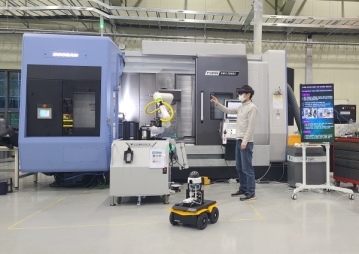
The Korea Electronics Technology Institute (KETI, Director Shin Hee-dong) has applied metaverse real-virtual linkage technology that interconnects virtual environments based on digital twin with actual environments to work sites, and conducted demonstrations and trials.
2022.12.08by 배종인 기자
2023 Seoul Mobility Show, also viewable via Metaverse
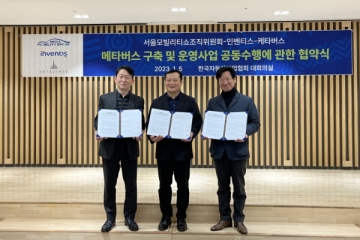
The Seoul Mobility Show Organizing Committee (hereinafter referred to as the Organizing Committee) signed a memorandum of understanding with the Inventis Inc. and Ketabus Inc. consortium on joint implementation of Seoul Mobility Show metaverse construction and operation projects at the Automobile Hall in Seocho-gu on the 5th.
2023.01.06by 성유창 기자
NVIDIA envisions Mercedes-Benz metaverse factory
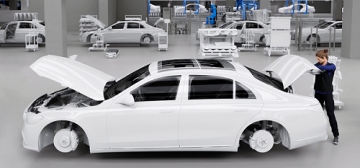
At CES 2023, the world's largest consumer electronics and IT exhibition, Mercedes-Benz announced that it will elevate the level of digitalization in vehicle production processes by designing and planning manufacturing and assembly facilities using the NVIDIA Omniverse platform.
2023.01.06by 김예지 기자
Nvidia invests $5 billion in Intel
NVIDIA and Intel, leaders in global AI computing technology, are now forging ahead in providing cutting-edge solutions through NVLink-based architecture integration. NVIDIA and Intel have officially announced a strategic partnership and stated that they will jointly develop customized data center and personal computing products to accelerate diverse applications and workloads ranging from hyperscale to enterprise and consumer markets, thereby laying the foundation for the next generation computing era.
2025.09.22by 배종인 기자
.jpg)
Applied Materials Launches Environmental Protection Campaign to Mark World Cleanup Day
Applied Materials Korea (CEO Park Kwang-seon) is carrying out environmental cleanup activities with employees and their families around the Dongtan Sinricheon area on the occasion of World Cleanup Day, evolving into a company that engages with the local community beyond technological innovation.
2025.09.22by 명세환 기자











