


The Korea Radio Promotion Association trains 7,000 new talents annually, demonstrating its strength in responding to technological trends.
 Published2023.04.17 14:27
산학연 협력 체계로 재직자 전파 전문성 지원
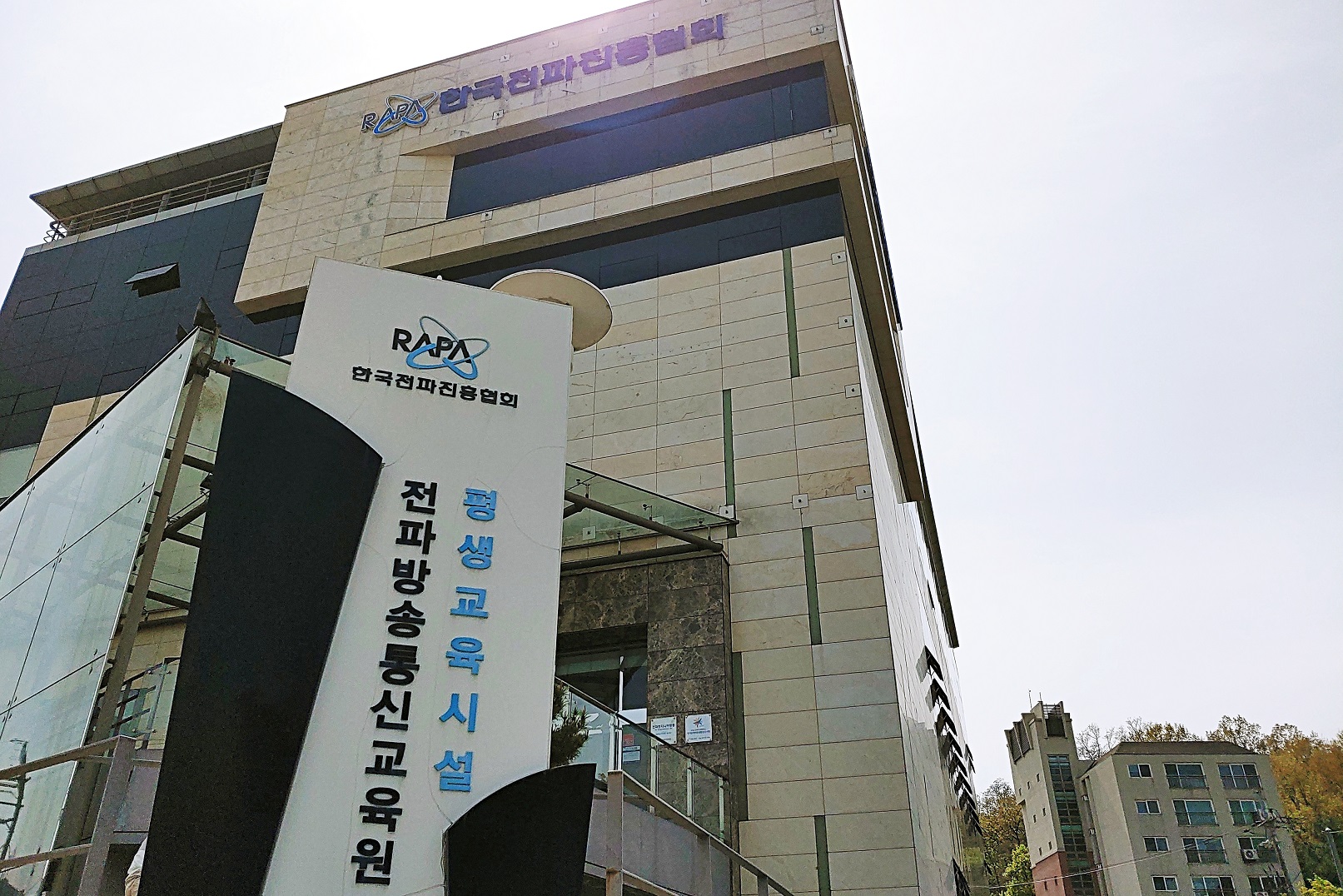
▲목동에 위치한 한국전파진흥협회(RAPA) 전파방송통신교육원 전경
첨단 산업분야에서 기술 고도화가 빠르게 진행되며 기술 트렌드가 시시각각 변화하고 있다. 고교·대학에서부터 첨단 인재 양성을 위해 노력하고 있지만 기업 입장에선 최신 기술 전문화 교육에는 미치지 못하고 있는 실정이다.
이에 한국전파진흥협회에서는 전파방송통신교육원을 설립·운영하며 첨단 인재 교육과 양성에 연 7,000명 이상의 교육생을 배출하며 국가 산업 기반에 크게 기여하고 있다.
■ 전자방송통신교육원, 전파 분야 최대 교육기관
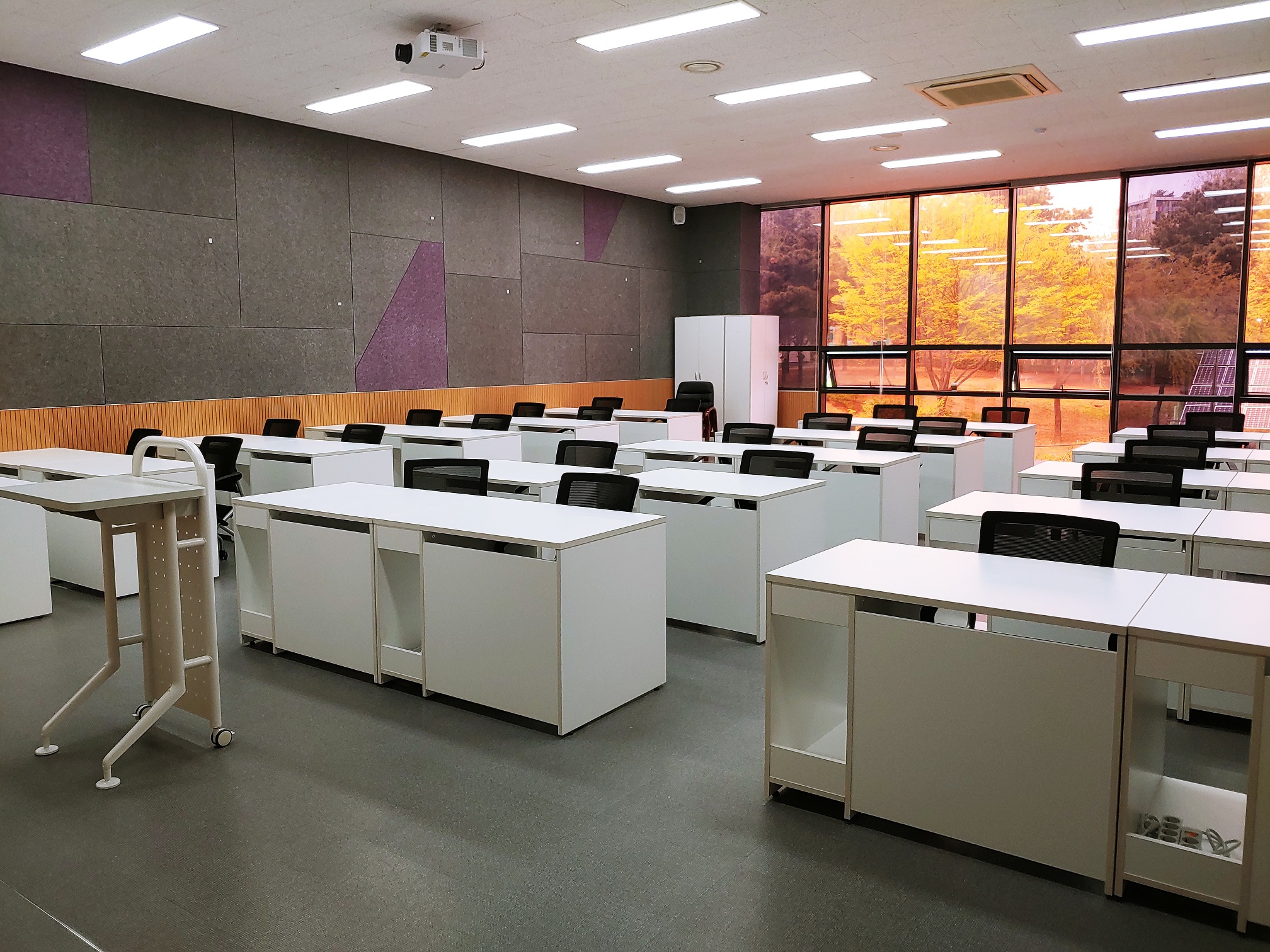
▲리모델링 중인 강의실의 모습
지난 11일 서울 목동에 소재한 전파방송통신교육원을 방문했을 때 내부는 일부 강의실 리모델링 공사로 분주했다. 과학기술정보통신부 산하 최대 규모 교육기관으로서 △목동에 온라인 스튜디오를 포함해 13개실 △서초동 3개실 △성남시 판교에 10개실 내외의 교육 강의실을 보유하고 있으며, 가산동에 10개실 내외를 추가적으로 구축하고 있다.
특히 교육원은 6가지 전파이용 산업분야에서의 세부 교육 주제를 선정하고 최신 동향에 대응하는 교육을 2023년부터 시작했다. △스마트드론 △전파소재부품 △자율주행차 △5G·6G △전파센싱 △에너지전송 과정을 개설해 이론서부터 △법령 △장비·기기 실습 △시뮬레이션 △현장 견학 등 체계적인 커리큘럼을 구성했다.
이러한 ‘전파미래 앞장감 양성’과정은 중소·벤처기업이 요구하는 융합 역량을 갖춘 실무형 재직전문가를 양성하고 지원하기 위해 마련됐으며 온·오프라인으로 진행된다. 전파활용 기술은 타 산업 분야에서 필수적으로 사용되는 초연결시대 핵심 역량으로 직무 수행에 요구되는 실무형 교육을 통해 중소·벤처기업의 역량 강화를 지원할 것으로 기대된다.
교육원은 재직자 무상 교육 혜택을 중견기업까지 확대해 첨단 전파 인재 양성을 도모했다. 하나의 과정에 현장견학을 포함한 5개의 강의가 각각 이틀에 걸쳐 진행되며, 개별 강의에 참가하거나 전체 과정의 커리큘럼을 이수할 수도 있다.
■ 최신 기술 대응 강점, 부족한 전파 전문인력 보완
▲한국전파진흥협회
업계는 대학에서 배출되는 인재로는 최신 기술 대응이 어렵다고 호소하며 전파·ICT 융복합 제품 개발과 기업 내 전파 기술 역량 강화를 위해 정부 산하 기관이나 협회 산하 교육기관 등을 통해 인적 자원 개발을 지원을 받고 있다.
전파 공학 인재는 신입생 모집이 2개 대학, 졸업자 배출이 3개 대학뿐이라고 전해지며, 업계 관계자들은 통신 분야는 그나마 소수의 인재들이 유입되고 있는 실정이지만, RF 관련 전공생은 가뭄 상태라고 토로했다. 전문인력 양성이 부족한 만큼 산업계는 현업 개발자의 직무 역량을 강화해 최신 트렌드 제품 개발에 매진하고 있다.
그런 면에서 전파방송통신교육원은 최신 기술과 이슈에 빠르게 대응하는 커리큘럼과 강사진 모집이 가능하단 점이 큰 강점으로 손꼽힌다. 인력 양성에서 대학은 학문 중심이기에 교육과정을 유연하게 가져갈 수 없는 점을 교육원이 보완한 것이다.
더불어 전파방송통신교육원은 △부산테크노파크 △건국대학교 △엠코전자 등과 MOU를 맺고 산학연을 아우르는 교육 협력 체계도 구축했다.
구재일 한국전파진흥협회 전파방송통신교육원 ICT융합교육팀장은 “본 교육원은 전파 이용 분야에서 산업계 수요를 반영한 최신 커리큘럼과 강사진 구성을 통해 빠른 추세 대응이 가능하다”며 “하반기 5G·6G 통신분야 교육과 전파센싱, 에너지전송 교육이 진행될 예정으로 현업에 종사 중인 중소·벤처기업 개발자 및 엔지니어들의 많은 참여를 바란다”고 당부했다.
Comments
Related news
.jpg)
[Monthly Planning - Developer Reality ②] “Industrial Manpower, Software Concentration Increasing”
[Editor's Note] "The brain (SW) exists, but the body (HW) does not"—a statement made by Geumsan CEO Lee Seung-min criticizing the treatment of embedded developers. As platform industry growth and the surge in IT services have driven active supply and demand for talent in software (SW), web, and mobile app sectors, there have been calls for balanced growth with embedded and hardware (HW) developers who have dedicated their passion to advancing the manufacturing sector that forms the foundation of Korea's domestic industry.
2022.10.25by 명세환 기자
.jpg)
RAPA, Emco, and Konkuk University cooperate to foster professionals in radio and ICT convergence
As the advancement of cutting-edge industries accelerates, a global shortage of technical talent is emerging as a critical issue. In response, various industries are making intensive efforts in their own workforce development, and domestically, the radio frequency utilization sector is also focusing on training specialized personnel through mutual cooperation.
2023.02.16by 명세환 기자
RAPA·Busan TP to train autonomous vehicle professionals
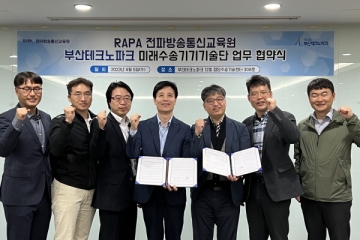
RAPA Radio and Broadcasting Communications Training Institute and Busan TP Future Transportation Equipment Technology Group signed a Memorandum of Understanding on December 5th at Busan Technopark to collaborate on developing specialized workforce in the autonomous vehicle industry for incumbent workers.
2023.04.05by 성유창 기자
Nvidia invests $5 billion in Intel
NVIDIA and Intel, leaders in global AI computing technology, are now forging ahead in providing cutting-edge solutions through NVLink-based architecture integration. NVIDIA and Intel have officially announced a strategic partnership and stated that they will jointly develop customized data center and personal computing products to accelerate diverse applications and workloads ranging from hyperscale to enterprise and consumer markets, thereby laying the foundation for the next generation computing era.
2025.09.22by 배종인 기자
.jpg)
Applied Materials Launches Environmental Protection Campaign to Mark World Cleanup Day
Applied Materials Korea (CEO Park Kwang-seon) is carrying out environmental cleanup activities with employees and their families around the Dongtan Sinricheon area on the occasion of World Cleanup Day, evolving into a company that engages with the local community beyond technological innovation.
2025.09.22by 명세환 기자











