



Arm, “AI Innovation from Edge to Server”
 Published2023.11.16 13:46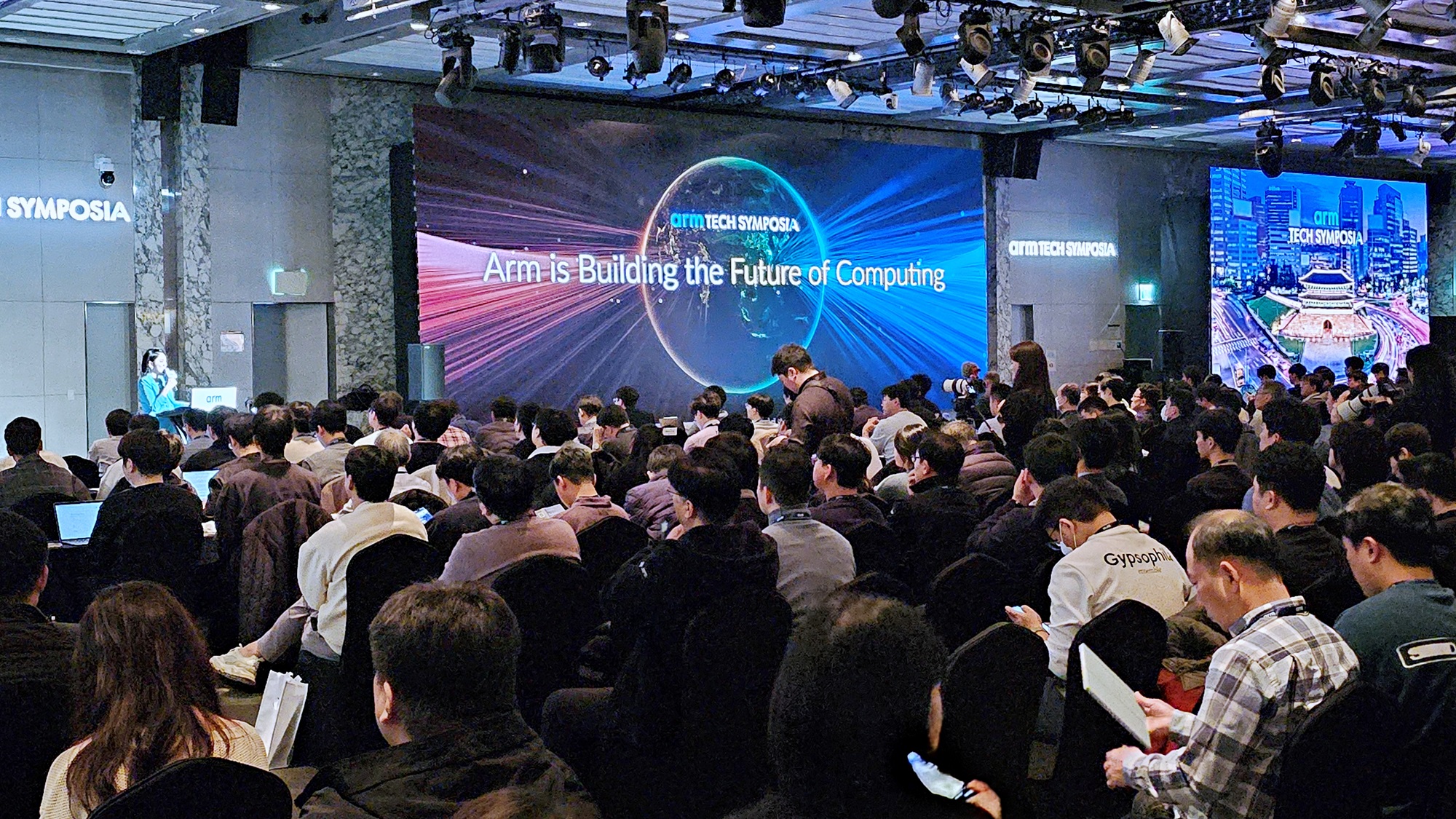
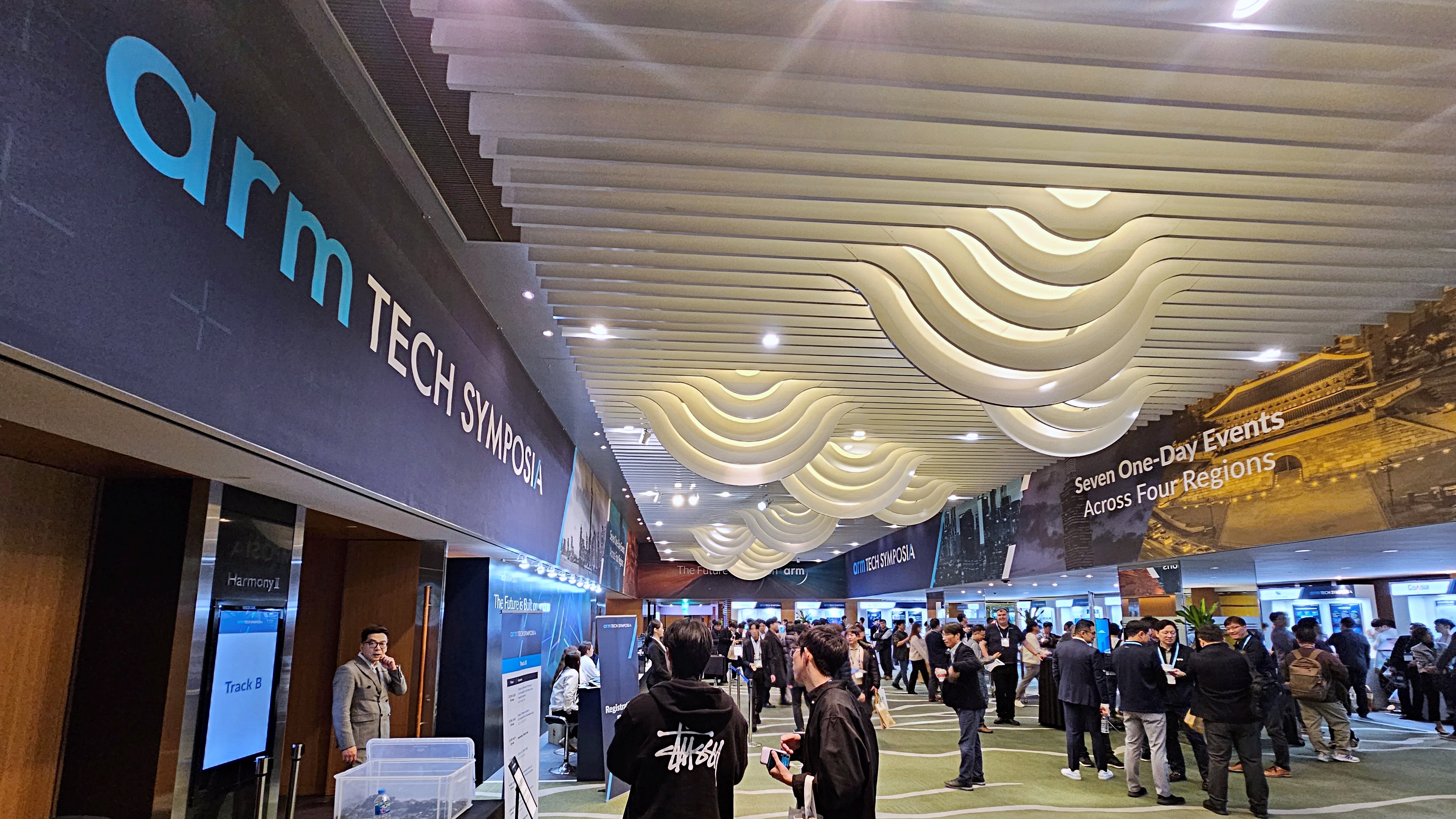
▲Arm 테크 심포지아 2023
뉴럴 네트워크 배포 발전, AI 성장에 중요
Arm, AI 시대 광범위한 생태계 구축 의지
“역동적인 시장이 놓여 있고 혁신이 빠르게 진행되는 이 시기에 경쟁은 Arm이 더 나은 기업이 되도록 견인한다”
이안 스미스 Arm 부사장은 급변하는 AI 시대의 기술 발전과 시장 변화를 바라보며 자신감을 내비쳤다.
16일 서울 삼성동 인터컨티넨탈 서울 코엑스에서 Arm 테크 심포지아 2023이 개최됐다.
‘AI 시대를 맞이한 컴퓨팅의 미래'를 주제로 개최된 이번 행사는 한국, 일본, 중국, 대만 4개국과 7개 도시에서 진행되며, 국내는 1,900여명이 신청해 현장이 참관객들로 북적였다.
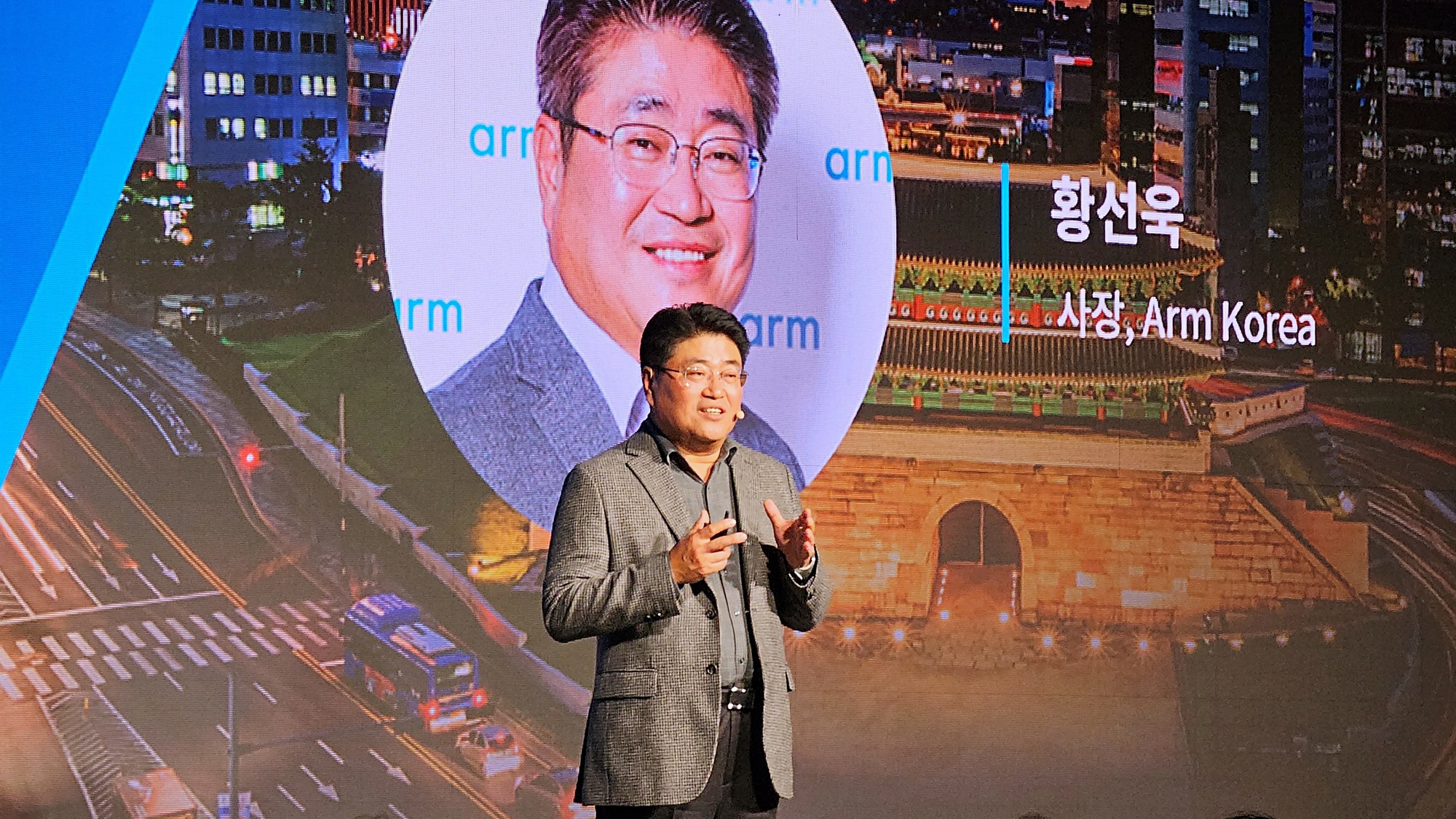
▲황선욱 Arm 코리아 지사장
황선욱 Arm 코리아 지사장은 개발자 커뮤니티 및 파트너사 생태계 확장 등에 기여하는 Arm의 에코시스템을 강조하며 “국내 팹리스 및 스타트업들을 위한 Arm 플렉서블 액세스 프로그램을 매년 지원해 올해 18개사가 혜택을 받았으며 총 33개사가 샘플 제작을 진행 중이다”라고 말했다.
황 지사장은 이번 행사를 통해 “다양한 애플리케이션에서의 Arm 최신 동향을 공유해 미래 기회를 모색하고, 유익한 인사이트를 제공하길 기대한다”며 “기조연설에는 이안 스미스 Arm 제품 마케팅 부사장과 백준호 퓨리오사AI 대표, 백준현 자람테크놀로지 대표가 발표해 AI 시대를 맞이하는 반도체 산업에서의 인사이트를 함께 나눴다.
이안 스미스 부사장은 기조연설에서 “Arm은 수년동안 컴퓨팅 플랫폼으로 전환하고 있다”며 “Arm의 솔루션은 기반 기술로서 △모바일 △IoT △오토모티브 및 SDV △인프라스트럭처를 통해 엣지에서 서버까지 전반적인 인공지능 확산을 기여한다”고 말했다.
■ 엣지 디바이스에서의 AI가 대세 전망
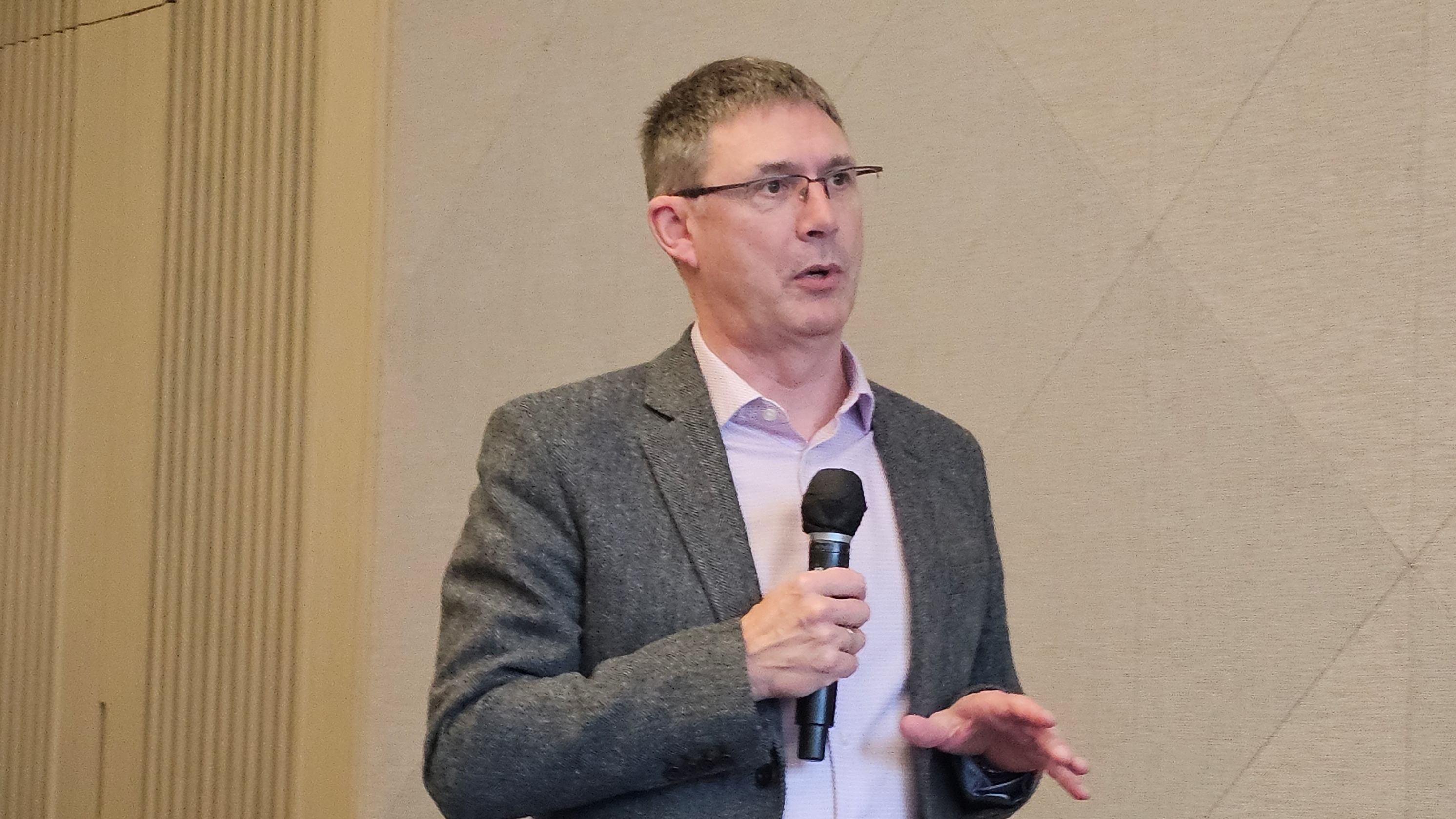
▲16일 인터컨티넨탈 서울 코엑스에서 미디어 브리핑에서 답변하는 이안 스미스 Arm 제품 마케팅 부사장의 모습
이안 스미스 부사장은 “엣지에서 인공지능을 구성하는 것이 트렌드”라고 언급하며 “디바이스 추론이 확대되며 AI 추론 디바이스가 데이터센터와 연결되는 경우가 더욱 많아질 것”으로 전망하며 이에 강화된 보안과 소프트웨어 결합의 중요성을 강조했다.
오늘날 생성형 AI와 LLMs가 주목을 받고 있지만, Arm은 수년 동안 엣지에서 AI를 제공하는 데 앞장서 왔다. 스마트폰 분야에서 서드파티 AI 애플리케이션의 70%가 Arm CPU에서 실행되고 있다.
그러나 지속 가능한 방식으로 AI를 제공하고 데이터를 효율적으로 이동하는 방법을 모색함에 따라 업계는 엣지에서 AI 및 머신 러닝(ML) 모델을 실행하도록 발전해야 한다. 한편, 개발자는 점점 더 제한된 컴퓨팅 리소스로 작업하고 있기 때문에 이는 어려운 과제다.
Arm은 엔비디아와 협력해 Ethos-U NPU용 로우코드 오픈 소스 AI 툴킷인 NVIDIA TAO를 적용하고 있으며, 이는 프로세서에 배포할 목적으로 성능에 최적화된 비전 AI 모델을 생성할 수 있도록 지원한다.
엔비디아 TAO는 대표적인 무료 오픈 소스 AI 및 ML 프레임워크인 텐서플로우와 파이토치를 기반으로 구축에 사용하기 쉬운 인터페이스를 제공한다. 개발자에게 이는 모델을 쉽고 원활하게 개발 및 배포하는 동시에 더 복잡한 AI 워크로드를 엣지 디바이스로 가져와 향상된 AI 기반 경험을 제공할 수 있음을 의미한다.
■ 엣지 AI, 뉴럴 네트워크 발전
AI의 지속적인 성장에 있어 중요한 측면은 엣지에서의 뉴럴 네트워크 배포를 발전시키는 것이다.
Arm과 메타는 ExecuTorch를 통해 엣지에 있는 Arm 기반 모바일 및 임베디드 플랫폼에 PyTorch를 제공하기 위해 노력하고 있다. 개발자는 ExecuTorch를 사용해 모바일 및 엣지 디바이스 전반에서 고급 AI 및 ML 워크로드에 필요한 최첨단 뉴럴 네트워크를 훨씬 더 쉽게 배포할 수 있다.
앞으로 Arm과 메타의 협력을 통해 PyTorch 및 ExecuTorch를 활용해 AI와 ML 모델을 쉽게 개발하고 배포할 수 있다.
메타와의 협력은 Arm이 이미 AI 및 ML 가속기를 위한 공통 프레임워크를 제공하고 딥 뉴럴 네트워크에서 사용되는 광범위한 워크로드를 지원하는 Tensor Operator Set Architecture(TOSA)에 투자한 상당한 성과를 기반으로 한다.
TOSA는 Arm 아키텍처에 구축된 다양한 프로세서와 수십억 개의 디바이스를 위한 AI 및 ML의 초석이 될 것으로 기대되고 있다.
■ “AI 역동적인 시장서 Arm 광범위한 생태계 구축 의지”
▲Arm 테크 심포지아 2023
Arm은 AI 시대에 컴퓨팅 미래를 그려나가는 기업이 될 것으로 전해진다. 현재 데이터센터 생태계에는 비싼 비용과 좁은 선택지의 AI 반도체 어려움이 있는데, 이를 해결하는 Arm의 기반 구축과 노력이 있을 것을 시사했다.
Arm은 이미 개발이 진행되고 있는 자체 기술 플랫폼 외에도 △AMD △인텔 △메타 △마이크로소프트 △엔비디아 △퀄컴 테크놀로지 등 선도적인 기술 기업들과 협력해 저지연과 안전한 사용자 경험을 위한 고급 AI 기능을 구현하는 데 중점을 둔 이니셔티브를 진행하고 있다.
이안 스미스 부사장은 미디어 브리핑에서 “Arm은 더 많은 플랫폼을 제공하는 것이 목표이며 파트너사들이 기대하는 것에 포커싱을 맞추는 것이 중요하다”고 말하며 “소프트웨어 스택, 플랫폼, 파트너사 등을 포함하는 광범위한 생태계가 컴퓨팅 혁신을 만들고 있다”라고 덧붙였다.
Arm은 기존엔 IP를 판매하는 기업이자 모바일과 엣지 디바이스에 주력하던 기업으로 성장해왔지만 현재는 컴퓨팅 플랫폼을 제공하는 기업으로 변모하고 있다. 현 르네 하스 CEO가 Arm의 수장이 된 이후 △IoT △오토모티브 및 SDV △인프라 △소비자 부문 등에 집중하는 방향으로 성장을 도모하는 상황이다.
르네 하스 CEO가 이동통신기기뿐만 아니라 커피 머신까지도 모든 것이 컴퓨터화 되고 있고 더 많은 것이 지능형 컴퓨터화될 것으로 전망하는 것처럼 Arm은 AI 시대 미래를 일찍이 대비하고 있다.
이미 전세계 AI 배포의 기반이 Arm을 통하고 있으며, △센서 △스마트폰 △소프트웨어 정의 차량(SDV)부터 서버 및 슈퍼컴퓨터에 이르기까지, AI의 미래는 Arm을 기반으로 구축될 것으로 Arm은 자신하고 있다.
Comments
Related news
[Interview] Simon Teng, Arm Senior Director, “SDV Transition Functional Safety and Real-Time Control Are Essential”
[Editor's Note] The automotive industry, which has traditionally been hardware-centric, is undergoing a rapid paradigm shift toward Software-Defined Vehicles (SDV). Solutions and ecosystems that accelerate market entry and product development are already being built at a fast pace. Arm, a semiconductor IP company, is leading the development of SOAFEE (Scalable Open Architecture for Embedded Edge), an open-standard architecture, to accelerate the realization of SDV.
2023.07.14by 명세환 기자
.jpg)
Arm Announces Neoverse Compute Subsystem...Reducing Design Complexity
Data centers and network infrastructure worldwide are facing severe pressure from increasing data demand and increasingly stringent power constraints. With one billion 5G subscribers, approximately 15 billion IoT connections, and 120ZB of data generation, connected devices and data are accelerating, requiring greater power and performance.
2023.08.29by 명세환 기자

Arm Announces Total Design… Supports Customized SoCs
The ecosystem of customized solutions optimized for different applications is being progressively strengthened. In line with this, Arm has announced a Total Design to focus its efforts on building the related ecosystem.
2023.10.18by 명세환 기자

Raspberry Pi, Arm's Strategic Investment...Expanding Long-Term Partnership
Arm is making a strategic investment in Raspberry Pi to strengthen its influence in the development environment driven by the proliferation of the Internet of Things and AI.
2023.11.03by 명세환 기자
Arm appoints Ami Badani as new CMO
An IT marketing expert who has worked across various IT technology companies including NVIDIA and Cisco Systems has newly joined Arm as Chief Marketing Officer.
2023.11.14by 명세환 기자











