



Dell: "AI Success Is Determined by Data and Infrastructure, Not the Model"
 Published2026.08.25 17:20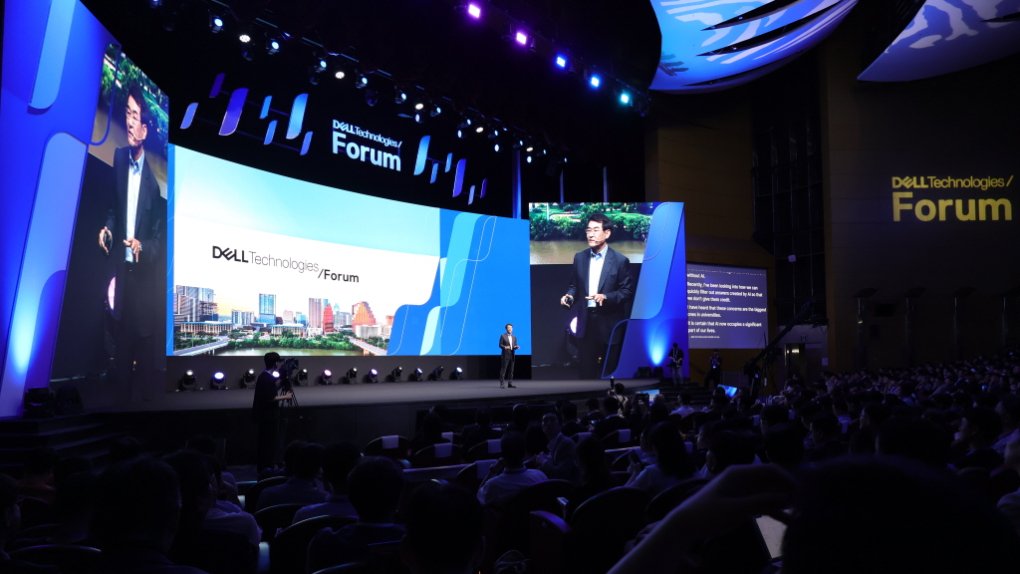
토큰 소비량·운영 비용 효율적 관리가 핵심 경쟁력
클라우드 의존 한계, 온프레미스 비용·통제 효과적
“AI의 성공은 모델이 아니라 데이터와 인프라가 결정한다”
델 테크놀로지스는 25일 서울 삼성동 코엑스에서 ‘델 테크놀로지스 포럼 2026’을 개최하고, AI 비전을 실질적인 경영 성과로 전환하기 위한 해법으로 데이터 중심 전략과 AI 최적화 인프라, 온프레미스 기반의 하이브리드 AI 환경, 그리고 AI 에이전트 시대에 대응하는 차세대 업무 환경을 제시했다.
지난해까지만 해도 기업들의 관심이 ‘AI를 어떻게 도입할 것인가’에 머물러 있었다면, 올해 포럼의 화두는 분명했다. “AI 비전을 어떻게 비즈니스 성과로 전환할 것인가”였다.
한국 델 테크놀로지스 김경진 회장과 유상모 사장, 그리고 델 본사의 맷 던피(Matt Dunfee) 수석부사장은 이날 기조연설을 통해 AI가 더 이상 미래 기술이 아닌 실제 경영 성과를 좌우하는 핵심 인프라가 됐다고 강조했다.
동시에 기업들이 AI 투자에서 실질적인 수익을 얻기 위해서는 데이터, 인프라, 보안, 그리고 비용 구조에 대한 현실적인 접근이 필요하다고 진단했다.
“AI 도입보다 중요한 것은 성과”, 델이 제시한 AI 실행 전략
행사 개막에 나선 김경진 회장은 생성형 AI 등장 당시만 해도 AI가 미래의 가능성으로 논의됐지만 이제는 일상과 업무에서 AI를 빼고는 상상하기 어려운 시대가 됐다고 말했다.
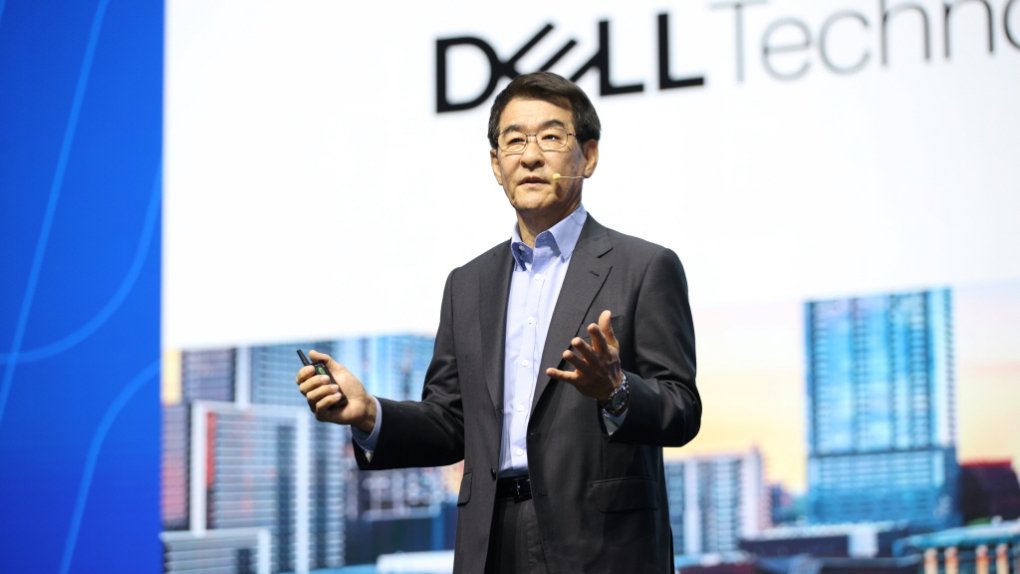
특히 앞으로의 관심사는 AI 도입 자체보다 어떻게 투자비와 전력 사용을 줄이면서 AI를 업무와 산업 발전에 효과적으로 활용할 것인가로 이동하고 있다고 설명했다.
이 같은 변화는 기업들의 고민에서도 확인된다.
유상모 사장은 “반도체와 전력이 국가적 이슈가 된 배경에는 AI가 있다”고 진단했다.
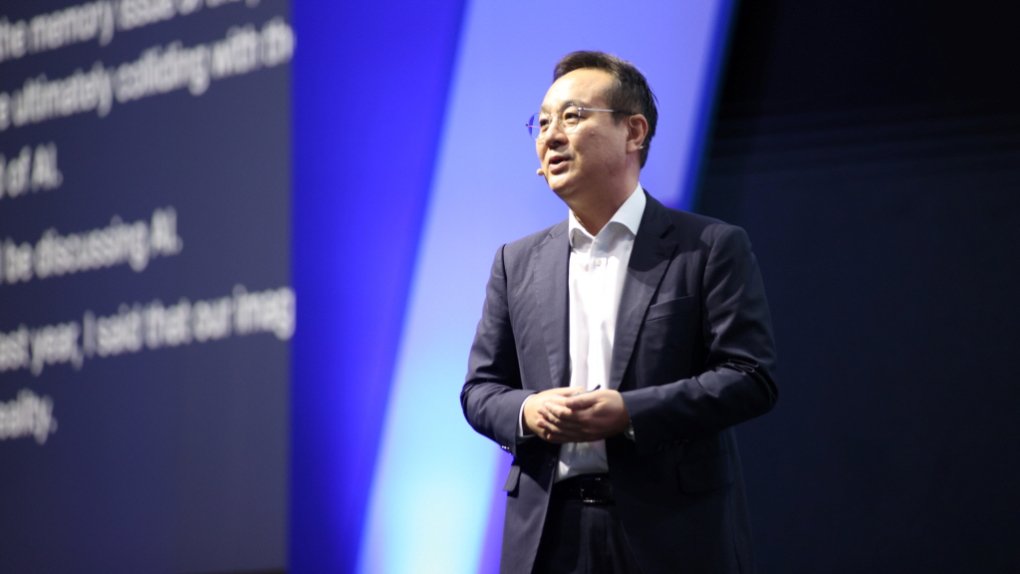
AI는 더 이상 업무를 보조하는 도구가 아니라 기업 운영과 일상을 움직이는 새로운 기반이 됐으며, 전력과 냉각 문제는 이제 IT 부서만의 고민이 아닌 기업 경영 차원의 전략 과제가 됐다고 강조했다.
델이 공개한 ‘모던 엔터프라이즈 레디니스 조사 2026’에 따르면 기업 경영진의 87%가 급격한 변화 속도를 따라가는 데 어려움을 겪고 있으며, AI 데이터 보안과 실행 로드맵 수립에 대한 고민도 커지고 있는 것으로 나타났다.
특히 맷 던피 수석부사장은 AI 도입 성공 여부를 가르는 핵심 요소로 차별화된 데이터와 운영 모델 혁신을 꼽았다.
많은 기업이 AI 시범사업과 생산성 향상 사례를 만들고 있지만 이를 실제 재무 성과로 연결하지 못하고 있다는 것이다.
그는 AI를 기존 업무 프로세스에 단순히 덧붙이는 방식으로는 기대 효과를 얻기 어렵고, 업무 방식 자체를 새롭게 설계해야 한다고 강조했다.
클라우드만이 답 아니다, AI 에이전트 시대의 온프레미스 전환
올해 포럼에서 가장 주목받은 키워드는 단연 AI 에이전트였다.
AI가 질문에 답하는 수준을 넘어 스스로 업무를 수행하고 의사결정을 돕는 단계로 진화하면서 기업 인프라에도 새로운 변화가 요구되고 있다.
맷 던피 부사장은 향후 모든 임직원이 수십 개에서 수백 개의 AI 에이전트를 관리하는 시대가 열릴 것이라고 전망했다.
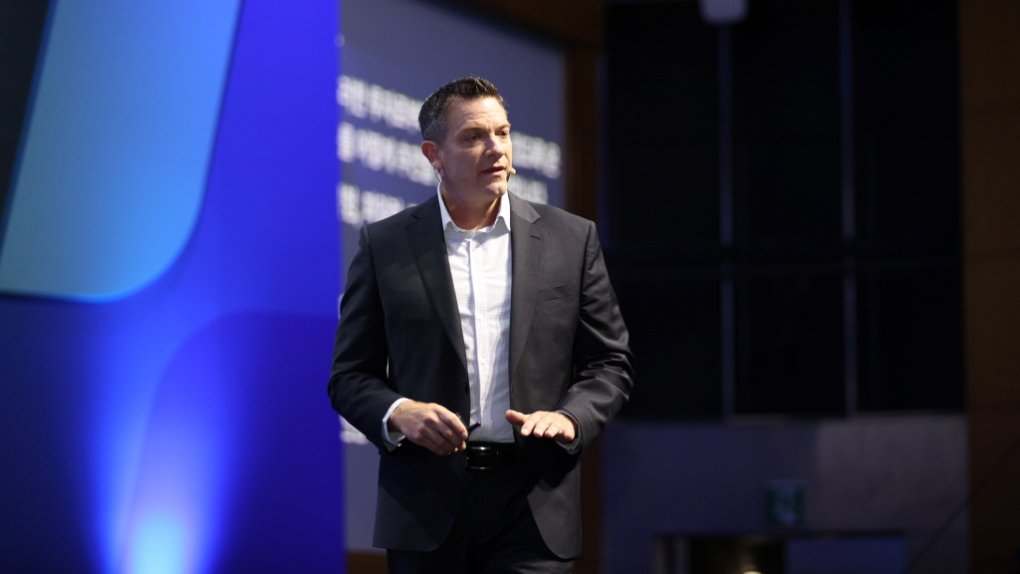
문제는 비용이다.
생성형 AI 시대에는 GPU 확보가 경쟁력이었다면 에이전트 시대에는 토큰 소비량과 운영 비용을 얼마나 효율적으로 관리할 수 있는지가 핵심 경쟁력이 되고 있다.
그는 실제 사례를 통해 동일한 AI 업무라도 어떤 모델을 선택하고 어디에서 실행하느냐에 따라 비용 차이가 크게 발생한다고 설명했다.
델이 이날 강조한 메시지는 명확했다.
AI 활용 규모가 확대될수록 퍼블릭 클라우드에만 의존하는 방식은 경제성 측면에서 한계를 드러낼 수 있다는 것이다.
토큰 사용량이 폭증하는 에이전트 환경에서는 데이터센터 내부에서 AI를 운영하는 온프레미스 방식이 비용과 데이터 통제 측면에서 더욱 효과적인 선택지가 될 수 있다는 설명이다.
맷 던피 부사장은 “어떤 모델을 클라우드에 둘 것인지, 어떤 모델을 기업 내부에 둘 것인지를 결정하는 경제성이 매우 중요하다”고 강조했다.
델은 이러한 환경 변화에 대응하기 위해 서버, 스토리지, 데이터 플랫폼, AI 소프트웨어를 통합한 ‘델 AI 팩토리’를 앞세우고 있다.
회사에 따르면 현재 전 세계 5000개 이상 고객이 AI 팩토리를 활용해 AI 워크로드를 운영하고 있다.
AI 에이전트 시대에는 데이터센터뿐 아니라 개인 업무 환경도 중요해지고 있다.
다수의 AI 에이전트가 동시에 동작하는 환경에서는 PC가 단순 업무용 단말기가 아니라 AI 실행 플랫폼으로 역할이 확대되기 때문이다.
델 조사에 따르면 국내 응답자의 90%는 최신 디바이스가 협업 품질을 향상시킨다고 답했으며, 87%는 노후 PC가 AI 애플리케이션 도입의 장애물이 된다고 응답했다.
이는 향후 AI PC와 고성능 업무용 디바이스가 기업 AI 전략의 핵심 구성요소가 될 것임을 시사한다.
AI 경쟁력은 데이터센터에서 시작되지만 실제 생산성 혁신은 직원 책상 위의 PC에서 완성된다는 의미다.
결국 올해 델 테크놀로지스 포럼이 던진 메시지는 분명하다. AI 시대 기업의 경쟁력은 단순히 최신 모델을 도입하는 데 있지 않다. 데이터를 얼마나 효율적으로 활용하고, 비용을 얼마나 효과적으로 통제하며, 보안과 거버넌스를 확보한 상태에서 AI를 비즈니스 프로세스에 정착시키느냐가 성패를 좌우한다.
델은 그 해답으로 데이터센터 현대화와 온프레미스 중심의 하이브리드 AI, 그리고 AI 에이전트 시대에 최적화된 업무 환경을 제시하며 ‘AI의 미래’가 아니라 ‘AI의 수익성’을 이야기해야 할 시점이라고 강조했다.

Comments
Related news
Dell, SW-based separated infrastructure IT environment automation and security enhancement
Dell Technologies announced storage, cybersecurity resilience, and software updates based on a disaggregated infrastructure strategy to support data center infrastructure modernization, enabling secure and efficient management of modern workloads across on-premises data centers, cloud, and edge environments.
2025.05.26by 배종인 기자
Dell Launches Six 'Dell Pro Max' Mobile Workstations with RTX Pro Blackwell GPUs
Dell Technologies has unveiled a new premium workstation brand 'Dell Pro Max' and introduced six mobile workstation models optimized for AI and high-performance computing tasks. These product lines feature NVIDIA RTX Pro Blackwell GPUs for powerful performance and are regarded as Dell's next-generation strategic products that combine portability, design, security, and sustainability.
2025.07.24by 배종인 기자
Dell Technologies Unveils Two Alienware Aurora Gaming Laptops
Dell Technologies has unveiled two new notebook series under its premium gaming brand 'Alienware,' the 'Alienware Aurora,' marking its full entry into the versatile computing market that encompasses gaming, work, learning, and entertainment.
2025.08.13by 배종인 기자
.jpg)
"We are now in an era of competition between AI and humans. We must overcome AI and leverage it."
Kim Kyung-jin, President and CEO of Dell Technologies Korea, reflected on how artificial intelligence is reshaping human life and the workplace, stating in his opening remarks at the "Dell Technologies Forum" on the 17th, "We are now in an era of competition between AI and humans. AI is not merely a tool, but an entity akin to a living being. Humans must not become subordinate to AI, but rather advance in a direction that leverages it."
2025.09.17by 배종인 기자
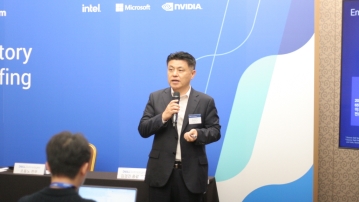
"The proof-of-concept for AI implementation is complete; we need to transition to on-premises."
Dell Technologies Executive Vice President Jo Yong-no stated at the Dell AI Factory Media Briefing on the 17th that AI has now moved beyond simple technology demonstrations and entered a phase of practical application to real business tasks, emphasizing a focus on enterprise AI while recognizing the limitations of public cloud and advocating a transition to on-premises environments.
2025.09.17by 배종인 기자











