



Dell Solves Enterprise AI Adoption's Greatest Challenge with 'Deskside AI'
 Published2026.08.26 10:28
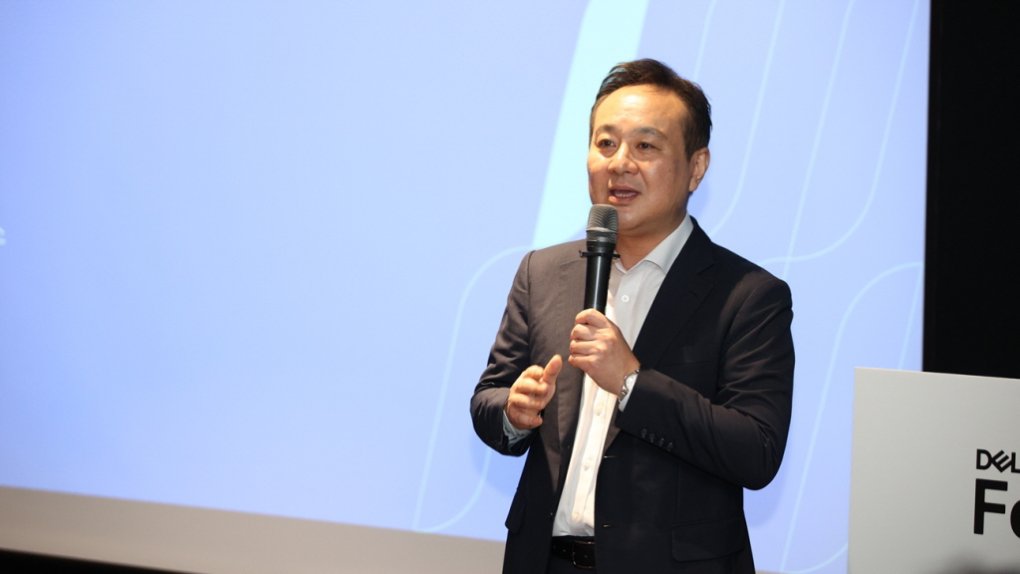 한국 델 테크놀로지스 유상모 사장
관건은 토큰 비용과 보안 해결, AI 워크로드 적절한 분산 배치 필요
데스크사이드 반복 추론·민감 정보 적합, ‘Dell Pro’ 이런 전략 반영
AI 도입이 본격화되면서 기업들의 고민도 달라지고 있다. 어떤 AI 모델을 도입할 것인가보다 늘어나는 토큰 비용을 어떻게 통제하고, 민감한 데이터를 어떻게 보호하며, 이를 실제 업무 생산성으로 연결할 것인가가 더 중요한 과제로 떠오르고 있다. 이런 가운데 델 테크놀로지스(Dell Technologies)는 AI 연산 환경을 데이터센터에서 사용자 책상 위까지 확장하는 ‘데스크사이드 AI(Deskside AI)’ 전략을 통해 이러한 기업의 고민을 해결하고 AI 투자 효율을 높일 수 있는 새로운 방향성을 제시했다.
델 테크놀로지스는 25일 서울 코엑스에서 ‘델 CSG(클라이언트 솔루션 그룹) 미디어 간담회’를 개최하고 AI PC와 워크스테이션 중심의 차세대 업무 환경 전략을 공개했다.
행사에 앞서 환영사를 맡은 유상모 한국 델 테크놀로지스 사장은 AI 산업이 새로운 전환점에 진입했다고 진단했다.
유상모 사장은 “이제 AI 시장은 성능 경쟁보다는 보안과 비용, 운영 효율성의 문제를 해결하는 단계로 이동하고 있다”며 기업들이 직면한 현실적 과제에 주목해야 한다고 강조했다.
이어 정재욱 한국 델 테크놀로지스 이사가 ‘진화하는 업무 환경을 위한 Dell AI PC 및 Workstation’을 발표하며, △클라우드를 넘어 데스크사이드까지 확장되는 AI 워크로드 △AI 네이티브 조직의 중심이 되는 AI PC △AI 확산에 따른 엔드포인트 보안을 AI 업무 환경의 핵심 변화 흐름으로 제시하며 델의 전략을 설명했다.
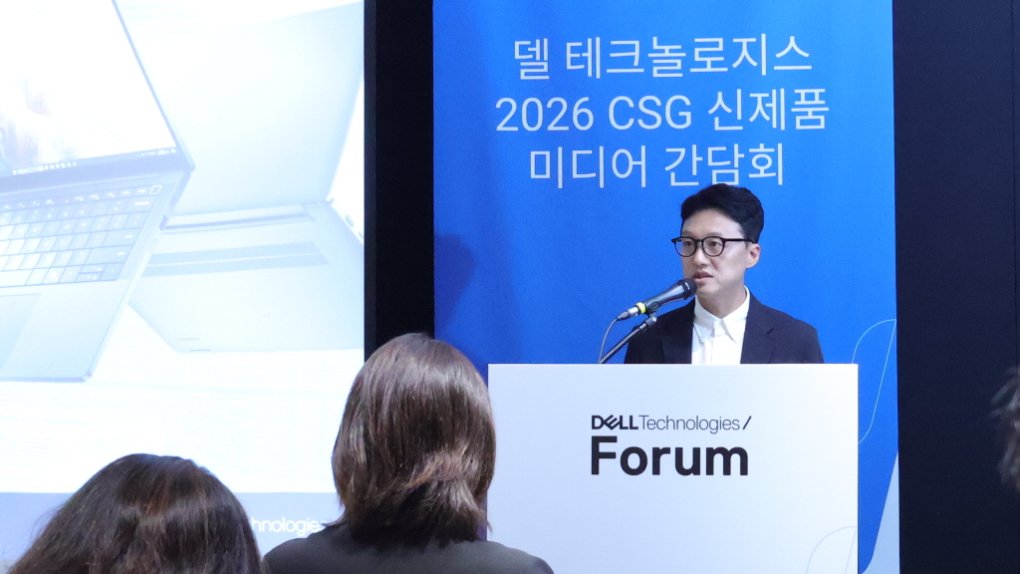 한국 델 테크놀로지스 필드프로덕트 마케팅 정재욱 이사
정 이사는 무엇보다 기업들이 직면한 가장 큰 문제로 ‘AI 토크노믹스(AI Tokenomics)’를 지목했다.
생성형 AI와 에이전트 AI가 확산되면서 토큰 사용량은 기하급수적으로 증가하고 있지만, 많은 기업이 비용 통제에 어려움을 겪고 있다는 것이다.
특히 AI 에이전트는 단순 질의응답을 넘어 스스로 사고하고 계획하며 반복적으로 작업을 수행하는 과정에서 지속적으로 토큰을 소비한다.
토큰 단가가 하락하더라도 전체 사용량이 급증하면서 결국 기업이 부담해야 하는 비용은 늘어날 수밖에 없다는 설명이다.
이에 대한 해법으로 델은 하이브리드 AI 전략을 제안했다.
모든 AI 워크로드를 클라우드에서 처리하는 대신 업무 특성에 따라 클라우드와 데이터센터, 데스크사이드 환경에 적절히 분산 배치해야 한다는 것이다.
클라우드는 대규모 학습과 최신 AI 서비스 활용에, 데이터센터는 규제 준수와 데이터 통제에, 데스크사이드는 반복 추론 작업과 민감 정보 처리에 적합하다는 것이 델의 설명이다.
이 과정에서 델이 강조한 솔루션이 바로 ‘Dell Deskside Agentic AI’다.
이는 사용자의 업무 공간에서 직접 AI 에이전트를 구축하고 운영할 수 있도록 지원하는 플랫폼이다.
델의 고성능 워크스테이션과 NVIDIA 소프트웨어 스택을 결합해 구성되며, 기업 내부 데이터를 외부 클라우드로 전송하지 않고 AI 에이전트를 개발·운영할 수 있다.
델은 이를 통해 외부 API 호출 비용을 줄이고 데이터 유출 위험을 최소화할 수 있다고 설명했다.
관련 하드웨어도 함께 공개됐다.
‘Dell Pro Precision 9’ 시리즈는 인텔 제온 600 프로세서와 NVIDIA RTX PRO Blackwell GPU를 기반으로 AI 개발, 엔지니어링, 시뮬레이션 환경을 지원한다.
특히 T6 모델은 최대 4TB 메모리와 316TB 스토리지 확장을 지원해 향후 증가할 AI 워크로드까지 고려한 설계가 특징이다.
또 다른 핵심 제품인 ‘Dell Pro Max with GB300’은 NVIDIA Grace Blackwell Ultra GB300을 탑재한 데스크사이드 AI 플랫폼이다.
최대 1조 개 규모 파라미터 AI 모델을 지원하며 FP4 기준 2만 TFLOPS의 연산 성능을 제공한다.
정 이사는 이를 통해 기업이 클라우드 의존도를 낮추고 AI 모델 실험과 미세 조정, 추론 작업을 로컬 환경에서 보다 효율적으로 수행할 수 있다고 설명했다.
델은 AI 시대의 또 다른 핵심 축으로 AI PC를 제시했다.
정 이사는 “AI는 더 이상 특정 부서만 사용하는 기술이 아니라 모든 직원의 일상 업무 속으로 들어가고 있다”며 AI 네이티브 조직을 위해서는 모든 구성원이 AI 추론을 활용할 수 있는 환경이 필요하다고 강조했다.
새롭게 선보인 ‘Dell Pro’ 라인업은 이러한 전략을 반영한다.
최신 인텔 코어 울트라 및 AMD 프로세서를 기반으로 AI 연산 성능을 강화했으며, 제품군에 따라 최대 50TOPS 이상의 NPU 성능을 제공한다.
기업은 업무 수준과 예산에 맞춰 엔트리급부터 프리미엄급까지 다양한 AI PC를 선택할 수 있다.
델은 단순한 성능 향상을 넘어 이동성과 배터리 지속시간, 사용자 경험을 함께 고려한 점을 차별화 포인트로 내세웠다.
AI 활용 범위가 넓어질수록 보안 중요성도 더욱 커지고 있다.
정 이사는 AI가 엔드포인트까지 확산되면서 공격 표면 역시 확대되고 있다고 진단했다.
이에 따라 델은 공급망 보안부터 BIOS·펌웨어 보호, 텔레메트리 기반 위협 탐지, 양자 내성 보안 기술까지 포함하는 다층 보안 체계를 적용하고 있다고 설명했다.
하드웨어 단계부터 보안을 내재화해 기업 환경의 위험을 최소화하겠다는 전략이다.
행사 후 이어진 AI PC 부스 투어에서는 이 같은 전략이 실제 환경에서 어떻게 구현되는지 확인할 수 있었다.
가장 눈길을 끈 것은 NVIDIA NemoClaw 기반의 에이전틱 AI 데모였다.
해당 시연은 데이터센터 장애 상황을 AI 에이전트가 스스로 분석하고 복구 절차를 수행하는 과정을 보여줬다.
AI가 로그와 시스템 상태를 분석해 장애 원인을 찾아내고 담당자 승인을 거쳐 복구 작업까지 지원하는 모습은 생성형 AI가 단순한 대화형 도구를 넘어 실제 운영 업무를 담당하는 단계로 진화하고 있음을 보여줬다.
부스에서는 Dell Pro AI PC와 Dell Pro Max 워크스테이션, Dell Pro Max with GB10·GB300 등 AI 포트폴리오도 함께 전시됐다.
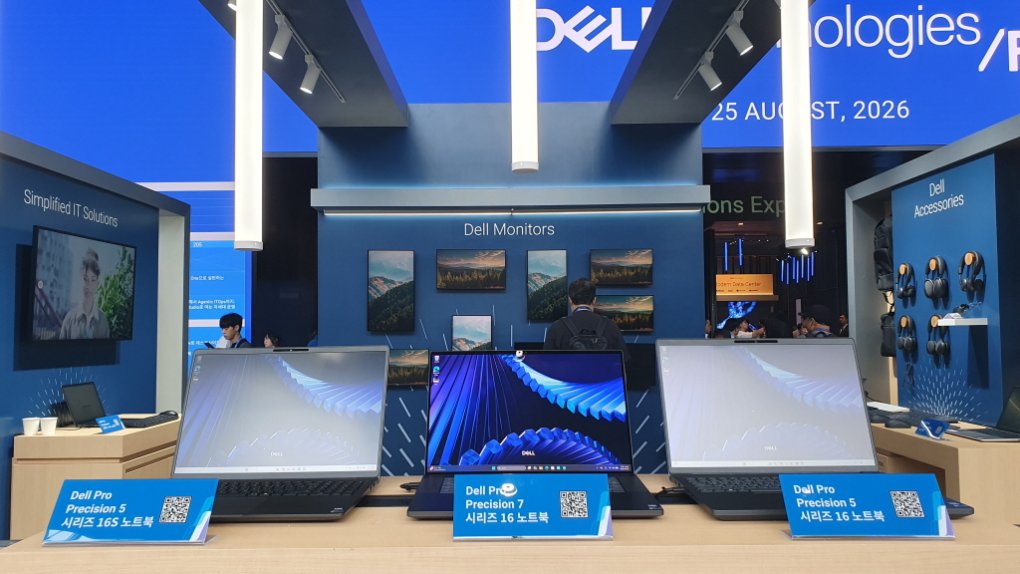 Dell Pro 노트북 포트폴리오
일상적인 업무용 AI PC부터 전문가용 워크스테이션, 에이전트 구축을 위한 데스크사이드 AI 인프라까지 하나의 생태계로 연결되는 모습이었다.
오리온 한국 델 테크놀로지스 클라이언트솔루션그룹 총괄 전무는 “AI의 미래는 더 큰 모델을 만드는 경쟁이 아니라, 더 효율적이고 안전하게 운영하는 경쟁에 가깝다”며 “델은 데이터센터와 클라우드, 워크스테이션, AI PC를 아우르는 통합 전략을 통해 기업들이 AI 활용 과정에서 마주하는 비용과 보안, 생산성의 균형점을 찾도록 돕겠다”고 밝혔다.
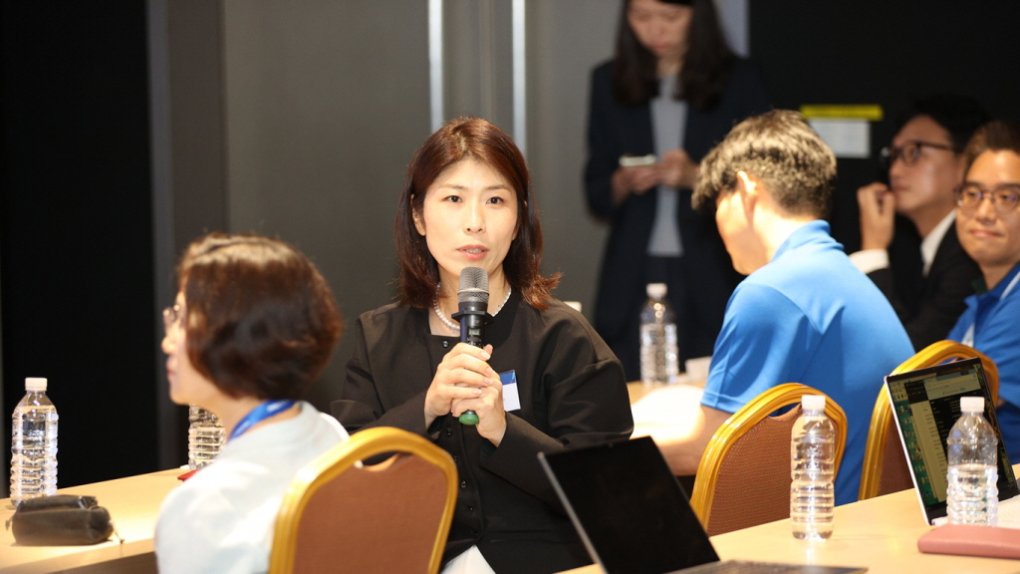 한국 델 테크놀로지스 클라이언트솔루션그룹 총괄 오리온 전무
Comments
Related news
Dell Launches Six 'Dell Pro Max' Mobile Workstations with RTX Pro Blackwell GPUs
Dell Technologies has unveiled a new premium workstation brand 'Dell Pro Max' and introduced six mobile workstation models optimized for AI and high-performance computing tasks. These product lines feature NVIDIA RTX Pro Blackwell GPUs for powerful performance and are regarded as Dell's next-generation strategic products that combine portability, design, security, and sustainability.
2025.07.24by 배종인 기자
Dell Technologies Unveils Two Alienware Aurora Gaming Laptops
Dell Technologies has unveiled two new notebook series under its premium gaming brand 'Alienware,' the 'Alienware Aurora,' marking its full entry into the versatile computing market that encompasses gaming, work, learning, and entertainment.
2025.08.13by 배종인 기자
.jpg)
"We are now in an era of competition between AI and humans. We must overcome AI and leverage it."
Kim Kyung-jin, President and CEO of Dell Technologies Korea, reflected on how artificial intelligence is reshaping human life and the workplace, stating in his opening remarks at the "Dell Technologies Forum" on the 17th, "We are now in an era of competition between AI and humans. AI is not merely a tool, but an entity akin to a living being. Humans must not become subordinate to AI, but rather advance in a direction that leverages it."
2025.09.17by 배종인 기자
"The proof-of-concept for AI implementation is complete; we need to transition to on-premises."
Dell Technologies Executive Vice President Jo Yong-no stated at the Dell AI Factory Media Briefing on the 17th that AI has now moved beyond simple technology demonstrations and entered a phase of practical application to real business tasks, emphasizing a focus on enterprise AI while recognizing the limitations of public cloud and advocating a transition to on-premises environments.
2025.09.17by 배종인 기자
Dell Implements 200 Billion-Parameter LLM on a Desktop
Dell Technologies has officially announced "Dell Pro Max with GB10," an ultra-high-performance desktop AI system. The product features NVIDIA's latest GRACE BLACKWELL architecture-based GB10 superchip, enabling users to develop and perform inference on large language models (LLMs) with up to 200 billion parameters directly in a local environment without requiring cloud connectivity.
2025.10.14by 배종인 기자











