



From semiconductors and sensors to artificial intelligence, the counterattack of 'IoT appliances' has begun
 Published2016.12.26 16:50
The government says it is focusing on technology development (R&D), taxation, finance, and human resource support…
With just a smartphone, you can check what's inside the refrigerator and the expiration dates of food items from anywhere. You can remotely operate not only the washing machine but also the robot vacuum cleaner. Since the vacuum cleaner is equipped with a camera, it also provides CCTV functionality for the inside of your home.
This is not the image of future home appliances. Although there are still many shortcomings to call it a complete Home IoT (Internet of Things), these are undeniably IoT appliances appearing one by one in our homes.
The intelligent home appliance industry, which plays a leading role in smart homes or Home IoT, is expected to expand significantly in the new year. The global smart home market is projected to grow from $60 billion in 2015 to $133.6 billion in 2020, with IoT appliances expected to grow at an average annual rate of 48%, rising from $5.2 billion in 2015 to $34 billion in 2020. Last year, the domestic smart home market was estimated at 10 trillion won, with IoT appliances accounting for 3.3 trillion won.
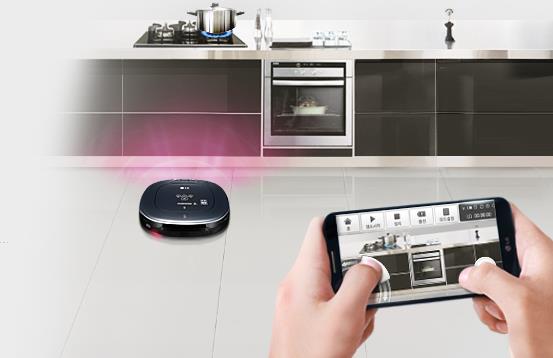
▲ LG Electronics robot vacuum cleaner
Accordingly, the government decided to foster Internet of Things (IoT) appliances as a new growth industry for the future and expressed enthusiasm for promoting related industries such as semiconductors and sensors. This reflects the reality of the domestic industry, which is strong in semiconductors and home appliances, and is based on the judgment that securing a preemptive position in the semiconductor component market within the IoT sector and the home IoT market will serve as a breakthrough in the saturated home appliance market.
Initially, the plan is to raise awareness of IoT appliances by providing relevant incentives to consumers, such as supporting the construction of new public housing equipped with IoT appliances, and to support the development of system semiconductors, sensors, and home appliances from an industrial perspective.
Development of system semiconductors and advanced sensors, investing approximately 500 billion won over the next five years
The government announced that approximately 500 billion won will be invested jointly by the public and private sectors over the next five years to develop promising system semiconductors and advanced sensors for the era of the Internet of Things (IoT). Support will be provided for the development of smartphone application processors (APs), ultra-lightweight ultra-low power system semiconductors (SoCs), and power semiconductors capable of achieving low power consumption, as well as advanced sensors for IoT in the home appliance and healthcare sectors, such as motion, location, and gas sensors. The Sensor Industry Advancement Development Project ('15–'20, total project cost of 150.8 billion won) has already been announced, and a total of 83.6 billion won will be invested in the Power Semiconductor Commercialization Project over the next seven years.
Efforts are also being focused on creating a business environment that links these semiconductors, components, and home appliances. A 'Convergence Alliance' has been established involving various organizations, including major home appliance manufacturers such as Samsung Electronics and LG Electronics, mobile carriers (network), the Electronics Technology Institute (platform), construction companies (demand), and the Korean Agency for Technology and Standards (standards). The goal is for industries to come together to devise practical cooperation measures, such as mutual linkage between smart home products, the establishment of standards, institutional improvements, and the development of joint business models.
On the 22nd, Minister of Trade, Industry and Energy Joo Hyung-hwan, who attended a meeting on the IoT home appliance industry, stated, “I believe the key to new industries such as IoT home appliances is to actively open up the initial market.” "In that process, we must provide support through R&D, taxation, finance, and human resources, and create an ecosystem where collaboration and convergence among companies can take place," he said.
Samsung, LG Electronics, and others make a full appearance at CES to compete with IoT connectivity and intelligent home appliances.
Interest in IoT home appliances is expected to heat up even more at 'CES 2017', the world's largest consumer electronics show, held in Las Vegas, USA, at the beginning of the new year (January 5–8).
First, Samsung plans to unveil a premium kitchen appliance package consisting of a refrigerator, wall oven, combi oven, cooktop, hood, and dishwasher at CES 2017. These products provide a smart kitchen experience through enhanced cooking performance and IoT connectivity. All products in the North American-bound premium kitchen appliance package are equipped with Wi-Fi capabilities, allowing users to operate or check the status of each product via a smartphone.
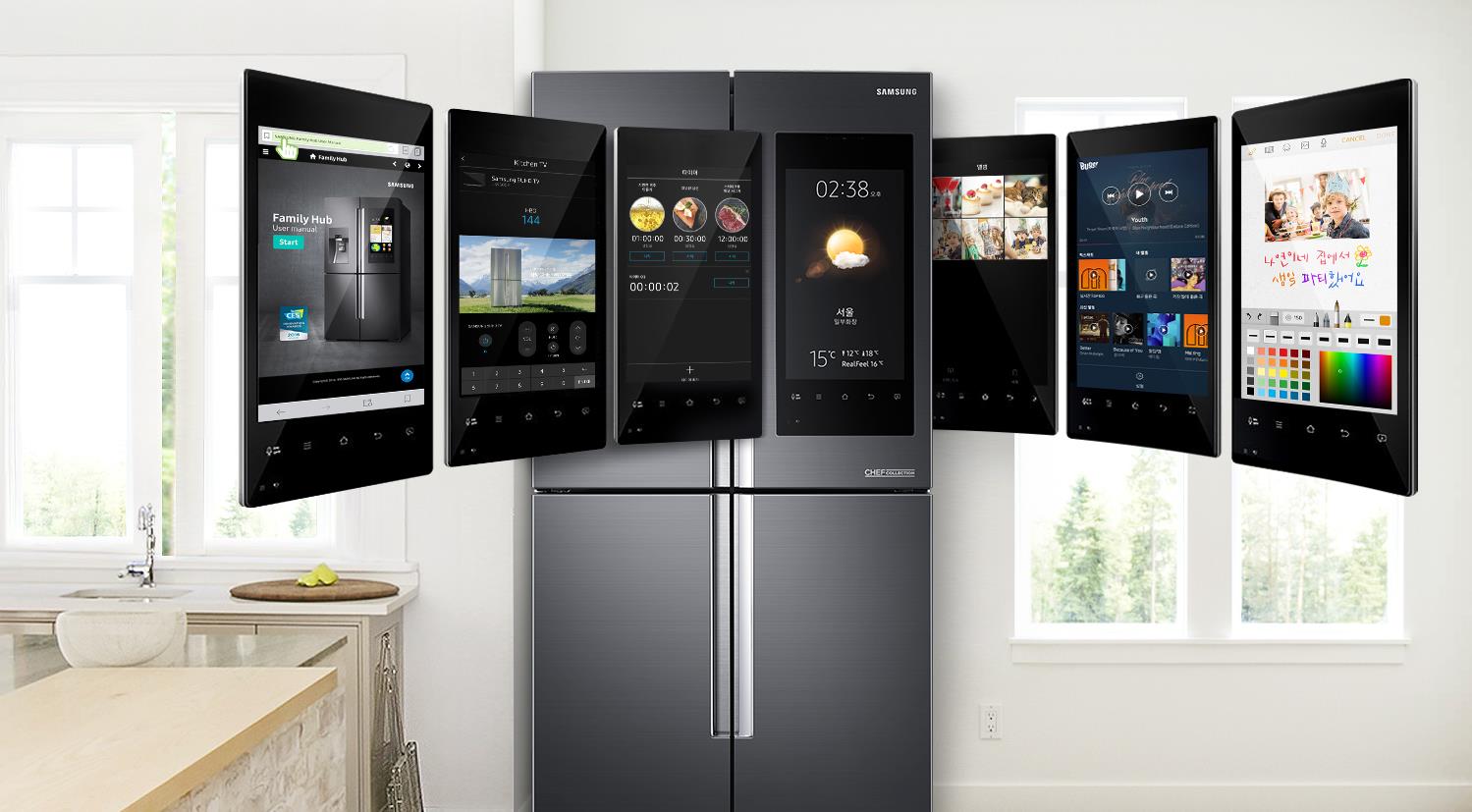
▲ Samsung Family Hub Refrigerator.
At CES 2017, LG Electronics will also unveil deep learning-based smart home appliances, such as air conditioners and robot vacuums, that autonomously learn users' usage habits and surrounding environments to provide optimal functions. Air conditioners equipped with deep learning technology differentiate the areas where users primarily stay to provide concentrated cooling, while robot vacuums can distinguish between obstacles to avoid and those to overcome. Previously, if you tried to step over a person's foot, now wait in front of the foot for about 3 seconds, clean up if the foot is moved, and bypass the foot if it does not move.
In addition, the smart refrigerator analyzes the frequency and duration of door openings and automatically switches to energy-saving mode during sleeping hours when the user does not open the door. In the middle of summer, if the kitchen temperature and humidity are high, it sets the sterilization function to the highest level, 'Power Mode,' to prevent food from spoiling easily. Smart washing machines fill with more water and raise the temperature to ensure better rinsing in areas with high limescale.
Dongbu Daewoo Electronics Makes Full-Scale Entry into Smart Home Appliance Market with IoT Washing Machine
The AI-based home IoT service market is set to become fiercely competitive.
Dongbu Daewoo Electronics has also recently entered the smart home appliance market in earnest by launching its first new IoT product, a wall-mounted drum washing machine.
The company’s newly introduced wall-mounted drum washing machine, ‘Mini,’ has obtained SKT ‘Smart Home Appliance’ certification, allowing users to remotely control key product functions such as washing modes (6 types), adding rinse cycles, and locking control buttons from indoors or outdoors via a smartphone app through wireless internet, and to receive and check notifications via smartphone when washing starts, progress, and completion.
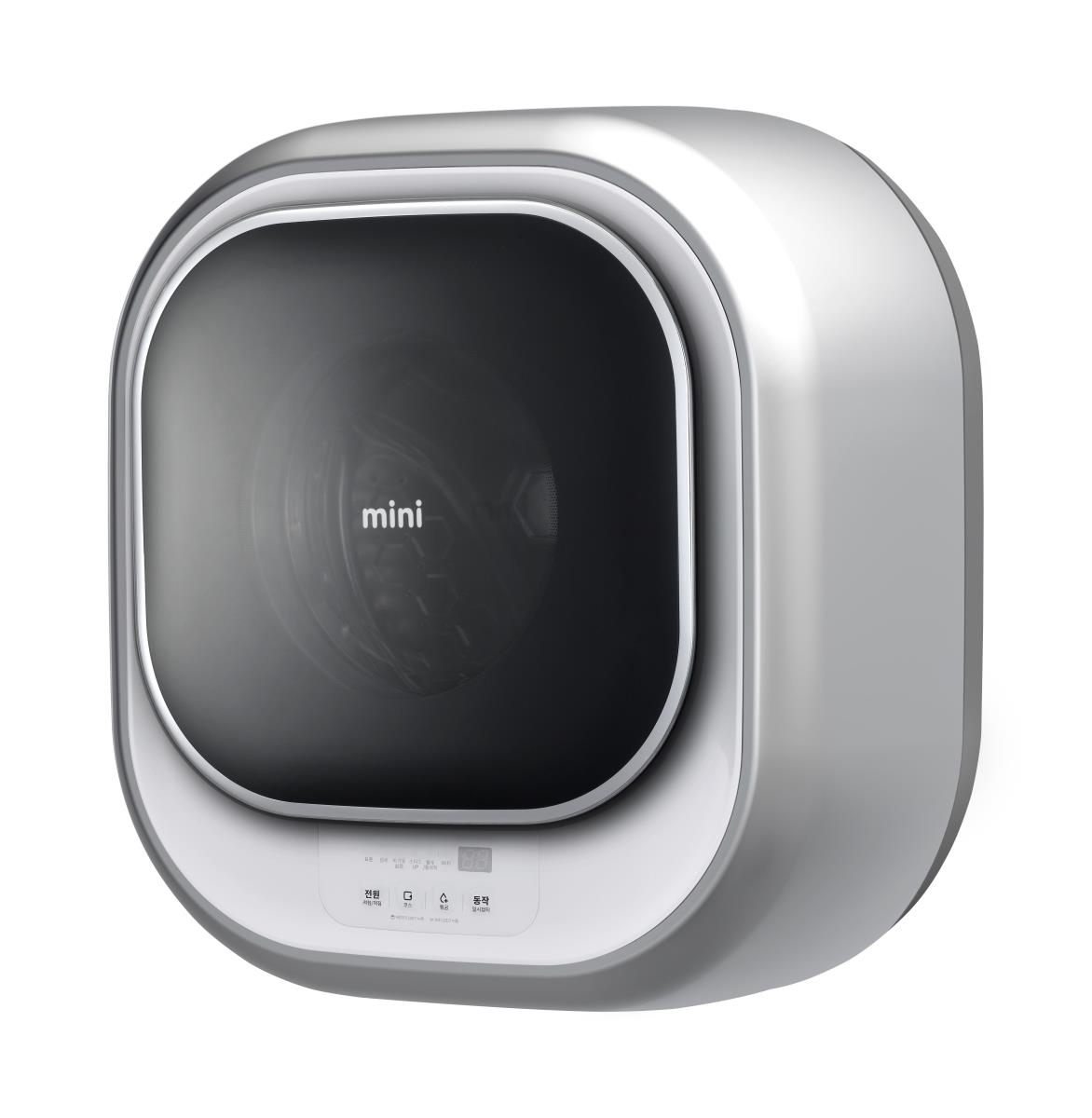
▲ Dongbu Daewoo Electronics Smart Home Appliance, 'Mini' Washing Machine
In addition, through the usage report function, information is provided that allows users to compare the average usage time of the product with that of users in similar environments based on the previous 24 hours, and in the event of a problem with the product, users can receive guidance by connecting to the Dongbu Daewoo Electronics Service Center website.
Baek Jun-bong, Senior Vice President of the KT Economic and Management Research Institute, cited Home IoT as one of the seven major trends in a recent announcement on the ICT outlook, stating, “Home IoT shifts from manual remote monitoring and control of existing WiFi-connected home devices and smartphones to AI-based auto"It will change to intelligent," he stated, adding, "In 2017, the AI-based home IoT service market, where devices learn on their own through previous data patterns, will become fiercely competitive."
Comments
Related news
[Reporter's Notebook] What will short-range wireless communication be that will take over IoT homes?
As short-range communication networks such as WiFi and Bluetooth have come into the spotlight as necessary communication means for home automation applications to be connected, competition between different communication technologies has become inevitable. The main short-range communications currently applied to IoT devices for home automation include WiFi, Bluetooth, ZigBee, and THREAD. Each of these communication technologies has advantages and disadvantages in terms of power consumption, range, and scalability, and is expanding its domain.
2016.04.25by 신윤오 기자
Multi-connectivity chip developers, capture the smart home IoT market
With the smart home market based on IoT (Internet of Things) expected to experience rapid growth, interest in IoT connectivity communication technologies that connect various smart devices is rising again. In particular, major semiconductor companies are actively developing chips that support multi-connectivity in line with the expansion of the IoT market. These companies are offering various multi-connectivity solutions, including supporting Bluetooth in addition to WiFi, adding WiFi to Zigbee, supporting Zigbee and Bluetooth alongside proprietary standards, and multi-chip solutions that additionally support Thread for comprehensive connectivity support.
2016.05.27by 신윤오 기자
Smart homes are becoming reality one by one, and home appliances become smart with just one smartphone
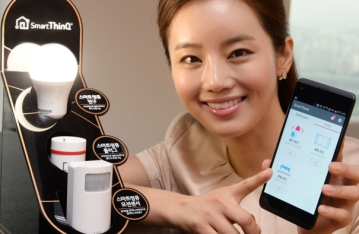
The pace of smart homes connecting appliances to appliances and appliances to objects is accelerating. Domestic major home appliance manufacturers as well as telecommunications carriers are increasing the number of Internet of Things-linked devices within homes, realizing smart homes in practice. First, LG Electronics expanded its smart home ecosystem by launching three types of IoT-linked devices—smart bulbs, smart plugs, and motion sensors—on the 10th.
2016.10.10by 신윤오 기자
[e4ds Tech Day 2026 ⑨] Sim Sang-gyu, Autocrypt CTO: "In the Physical AI Era, Automotive Security Must Extend Beyond the Vehicle"
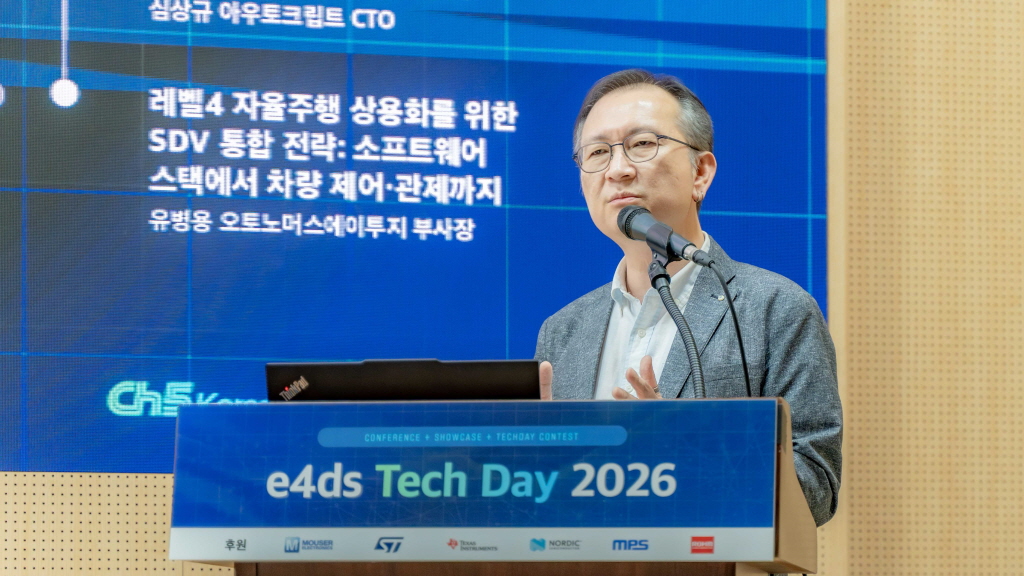
At e4ds Tech Day 2026, Sim Sang-gyu, CTO of Autocrypt, explained automotive cybersecurity strategies in the era of Physical AI and SDV (Software-Defined Vehicle). Automobiles are evolving as part of an ecosystem connected to AI, cloud, chargers, IoT, and robots, and he emphasized that the scope of security must expand beyond the vehicle interior to the entire connected environment. In particular, AI model tampering, adversarial attacks, OTA updates, and EV charger hacking were identified as major threats. He explained that response measures require zero trust, AI model integrity protection, intrusion detection, Security by Design and Default, and full lifecycle security management, and that proactive security system establishment beyond regulatory compliance is critical for securing future mobility competitiveness.
2026.10.12by 배종인 기자

NVIDIA to Invest $1 Billion in U.S. Science Over Next Five Years
NVIDIA has announced plans to invest $1 billion over the next five years to strengthen U.S. scientific and technological competitiveness. The company will enhance cutting-edge artificial intelligence research and development capabilities in key areas including quantum computing, healthcare, and energy security, while expanding support for higher education research institutions and cloud service providers. NVIDIA is participating as a major industry partner in the White House Office of Science and Technology Policy's Genesis Mission, and is promoting supercomputer construction in collaboration with national laboratories including Argonne and Los Alamos.
2026.10.12by 배종인 기자











