


[Survey Results] Finance and Autonomous Vehicles Rank 2nd and 3rd in AI Trust… 1st is 'This'
 Published2017.06.26 13:52
신뢰도 만큼 보안 우려의 목소리 여전, 인공지능 인식도 확인해
지난해 3월 이세돌 9단이 구글 알파고에 완패를 당한 이후, 현존하는 인간계 바둑 1인자, 중국의 커제 9단은 자신이 인공지능에 승리할 확률은 60% 이상이라고 장담했다. 하지만 1년을 더 연마(학습)한 알파고는 더 강해져 있었다. 커제가 알파고를 상대한 후 고개를 떨구며 ‘신(神)’이라고 말한 이유도 여기에 있을 것이다. 이제 바둑에서 보여준 인공지능의 학습 능력은 인간 생활 전반에 빠르게 적용될 것이다. 어떤 면에서는 우리의 생활을 아주 편리하게 만들어 줄 것이고 또 어떤 면에서는 인간의 두려움을 불러 일으키기도 할 것이다. 이에 E4ds 뉴스는 [설문조사 시리즈]의 시작으로 ‘인공지능’ 주제를 선택했다. 최근 몇 년 간 빠르게 확대되기 시작한 인공지능이 우리 생활에 얼마나 깊숙이 들어와 있는지, 우리는 어떤 인공지능에 두려움을 느끼고 있고 어떤 윤리적인 문제를 공감하고 있는지 궁금했기 때문이다. 이번 설문은 지난 5월 24일부터 6월 23일까지 약 한 달간 진행되었으며 총 114명의 엔지니어, 매니저 등 현업의 몸담고 있는 관계자가 참여했다. <편집자 주>
사람들은 인공지능(AI)을 얼마나 신뢰하고 있을까?
인공지능(AI)의 결정을 받아들여야 한다면, 의료 분야에 대해 가장 많은 신뢰를 보내고 있으며 한편으론 인간을 동물이나 적으로 판단하는 ‘안전성’에 많은 우려를 나타내고 있는 것으로 나타났다.
본지가 최근 실시한 인공지능 설문조사(커제도 울린 인공지능, 어떻게 생각하십니까)에 따르면, 인공지능의 결정을 받아들여야 한다면 어떤 경우에 가장 신뢰를 가질 수 있겠냐는 질문에 의료(병 진단 및 처방) 분야에 36.8%의 응답자가 몰렸다. 다음으로는 투자 관련 주식 금융에 22.8%가, 뒤를 이어 자율 주행차가 21%, 법정 판결이 19.3%이었다.
이는 지난해 12월 IBM의 인공지능 왓슨(Watson)을 국내 최초로 도입, 운용하고 있는 가천대 길병원의 사례에서 많은 영향을 받은 것이 아닌가 추측된다(본지 2월21일 기사: 왓슨 도입한 길병원 “인간이 인공지능을 신뢰하기 시작했다”). 또한 그에 못지 않게 데이터 분석에 강한 주식 예측과 기술이 급속도로 발전하고 있는 자율 주행차에 대한 믿음도 커져가고 있었으며 인공지능 법정 판결에도 많은 신뢰를 보내고 있는 점이 특이할 만 했다.
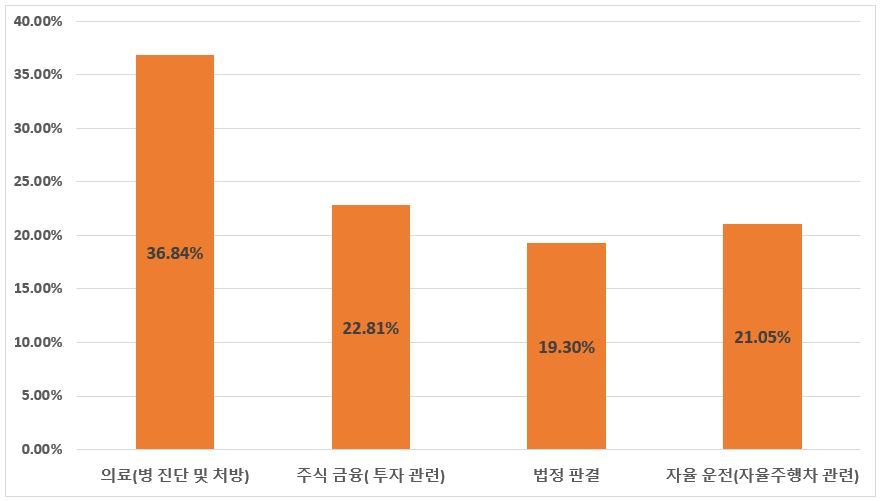
인공지능(AI)의 결정을 받아들여야 한다면, 어떤 경우에 가장 신뢰를 가질 수 있겠는가.
이에 반해, 인공지능에 보내는 신뢰 만큼이나 테러나 윤리, 일자리 대체 문제에 대한 우려도 존재했다. 설문조사에서는 인공지능이 발달하면서 가장 우려되는 인공지능을 이용한 테러로 응답자의 절반 이상이 사이버 테러(52.6%)를 들었다. 이어 17.5%의 응답자들이 드론을 이용한 테러를, 14%의 응답자가 자율주행차를 이용한 테러를 걱정했다. 여기에 로봇(11.4%), 전자기파(4.4%) 테러가 뒤를 따랐다. 이는 최근의 랜섬웨어와 같은 사이버 공격이 인공지능과 접목되었을 때 더 큰 재앙을 불러 올 수 있다는 점을 반영한 것으로 보이며 드론, 자율주행차, 로봇 등 첨단 기술의 보안 취약점을 지적하고 있었다.
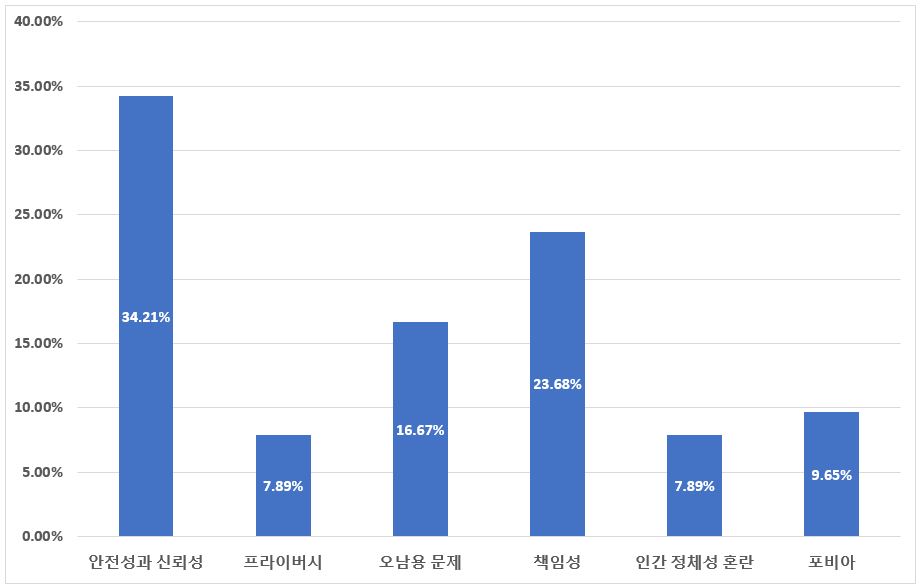
인공지능(AI) 윤리 문제 중 가장 큰 문제라고 생각하는 사항은.
윤리 문제도 도마 위에 올랐다. 응답자의 34.2%가 인공지능의 안전성과 신뢰성을 걱정했고, 문제가 발생할 때의 책임 문제(23.7%)와 잘못된 학습 및 판단으로 인한 오남용 문제(17.7%)도 윤리적인 문제로 간주했다. 일자리를 뺏길지 모른다는 인간의 포비아(9.7%)와 프라이버시 침해(7.9%), AI 로봇 등 인간 정체성 혼란(7.9%) 등도 우려하는 문제로 포함됐다. 이처럼 응답자의 1/3은 신뢰성에 물음표를 붙였고 나머지 응답자들도 책임성과 오남용 문제를 제기함으로써 향후 인공지능 기술 개발시 윤리적인 측면을 강조하고 있다.
내 직업이 인공지능으로 대체? 우수한 학습능력 때문에 가능해
창의성, 의사결정 등 사항은 인공지능으로 대체 못할 것 의견 많아
인공지능이 거론될 때마다 빠지지 않는 일자리 문제도 물었다. 앞서 윤리적인 측면에서도 지적되어 왔지만 실직에 대한 인간의 두려움이 인공지능 기술 발전과 공존하고 있다. 결론적으로 말하면 설문은, 지금 하고 있는 일이 10년 안에 인공지능으로 대체할 수 있다고 물었고 응답자의 64%가 아니다에, 나머지 36%가 그렇다고 말했다.
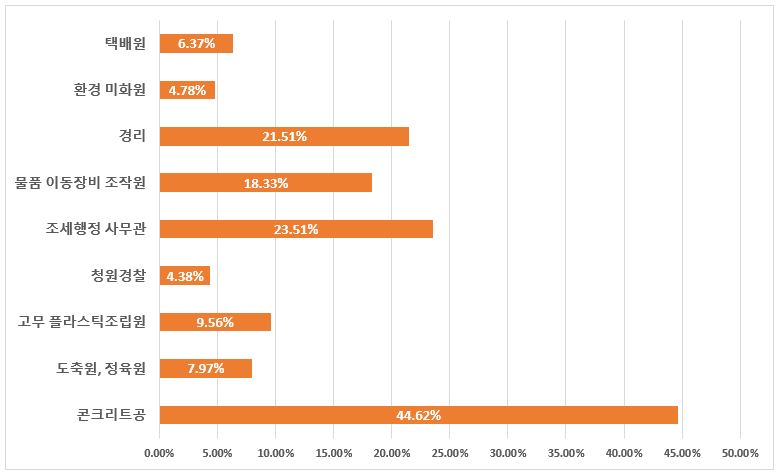
우선 자신의 일이 인공지능으로 대체될 가능성이 있다고 대답한 설문 참여자의 75%는 그 이유를 발전하는 인공지능의 학습능력이면 얼마든지 가능하다고 내다봤다. 데이터를 분석, 활용하는 기술이 지능화되면 업무의 많은 부분이 편의를 넘어 대체도 가능하다는 생각이다. 또한 이중 20%는 자신의 일이 단순하기 때문에 인공지능이라면 충분히 대체할 수 있다고 답했다. 큰 범주에서 보면 대부분의 응답자들은 급속하게 발전하는 인공지능이 단순 업무에서 데이터 분석이 가능한 복잡한 업무까지 커버할 수 있음을 인정 내지 우려하는 의견이다.
반면, 인공지능이 업무를 대체하기 힘들 것이라는 의견을 낸 응답자들은 그 이유를 창의성(42%)이라 꼽았다. 업무의 특성상 기획하고 변화하는 환경에 맞춰 창의력을 발휘할 때가 많은데 인공지능은 이를 따라오지 못한다는 견해이다. 또한 이중 19%는 담당자의 노하우나 주관 판단에 따른 의사결정에 있어 인공지능으로 대체하기 힘들고, 18%의 응답자들은 사람을 직접 상대해야만 하는 일이기 때문에 인공지능만으로는 어렵다는 점을 견지했다. 이 밖에 기타 의견으로는 기술의 미흡함과 복잡 다단한 업무 이해도를 꼽았다.
인공지능 기술 잘 반영된 제품은 스마트폰, 음성인식 스피커 등
인공지능 이끌어갈 국내외 업체로 삼성전자와 구글 우선 꼽아
한편, 이번 설문에서는 인공지능기술을 대변하는 제품과 국내외 업체를 조사해 눈길을 끌었다. 먼저 인공지능 기술이 잘 반영된 제품으로 스마트폰(34%)을 뽑았다.
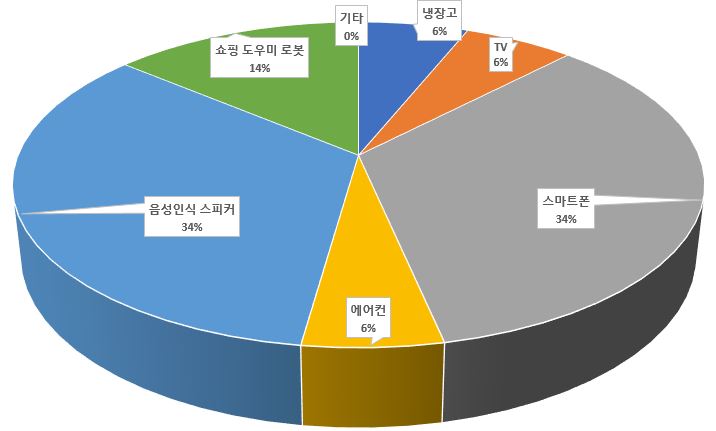
스마트폰은 이용자들에게 가장 친숙한 디바이스이자 최근 음성인식 기술이 강화되면서 ‘손 안의 인공지능 기기’로 인식하는 듯 했다. 마찬가지로 음성 인식으로 홈IoT 기기를 컨트롤하는 이른바 인공지능 스피커(33%)가 급부상했으며 쇼핑 도우미 로봇(14%)도 그 폭을 넓히고 있다. 특히 사용자들은 현재 이러한 인공지능 기기를 생활 편의(71%) 도구로 인식하고 있으며 나아가 업무 보조(26%) 도구로 받아들이고 있음이 설문조사에서 나타났다.
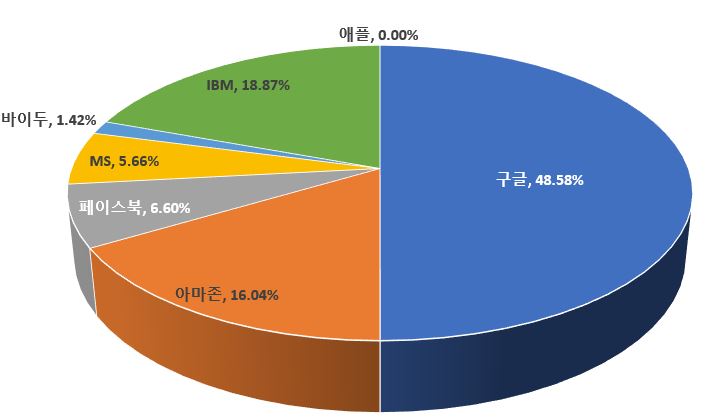
인공지능을 가장 잘 구현하고 있으며 향후 시장을 이끌어갈 것으로 보이는 국내외 IT 기업은, 각각 삼성전자(35%)와 구글(49%)이 차지했다. 국내에서는 삼성에 이어 네이버, SK텔레콤, LG전자 등이 그 뒤를 이었다. 해외 업체로는 구글을 선두로 IBM, 아마존, 페이스북, MS 등이 따랐다. 애플을 선택한 사람이 없다는 점도 특이하다면 특이한 사항이었다.
Comments
Related news
[Reporter's Notebook] Would you like to place an AI speaker at your father's house?
Leading companies have all taken on the role of "assistant." With Alexa, Google Assistant, Cortana and others, we now have—and will continue to have—multiple voice assistants to choose from. Amazon, which opened the voice assistant speaker market in 2014 with the Echo, has since launched the Echo Dot and Echo Look, followed by the Echo Show with a touch screen. Domestic companies are also moving actively. In the Korean market, KT and SK have launched speakers, while LG, Naver, and Kakao are in the preparation stage. SK announced that NUGU, which began sales in September of last year, has surpassed 1 million units sold. In June, SK will introduce Aibril, a Korean-type Watson developed in cooperation with IBM's Watson. An SK C&C Aibril official stated, "There were no open-type API companies in Korea, and Watson has already emerged as a strong player in natural language processing. We chose a strategy to secure data rather than allocate time to platform construction." KT's GiGaGenie has presented an integrated speaker with a set-top box to existing Olleh TV customers. Naver disclosed artificial intelligence "Clova" before launching a speaker. Kakao began artificial intelligence development by establishing Kakao Brain in February.
2017.05.22by 김자영 기자

SKT, When Your Eyes Get Tired and You Can't See the Securities Trading Board, Just 'Listen'
An 'artificial intelligence (AI) securities trading service' is being introduced that allows you to learn in a single voice command everything from the securities with the highest trading volume today to those with the highest rate of increase, as well as the stocks most frequently bought (sold) by foreigners (institutions). SK Telecom and Samsung Securities signed a memorandum of understanding on the 'AI voice financial service' provision at SK Telecom's T Tower on Eulji-ro on the 21st, and announced plans to launch the related service in the third quarter. The AI securities service utilizes the AI device 'Nugu' to enable not only stock price inquiries for pre-registered stocks of interest but also ▲guidance on domestic and international stock indices and market information ▲recommendations of stocks and funds ▲connection to Samsung Securities customer service calls, and more. Users can register up to 10 stocks of interest, and the service will provide individual stock prices for stocks of interest as well as rising and falling stocks and the rate of increase for stocks of interest.
2017.06.21by 김자영 기자
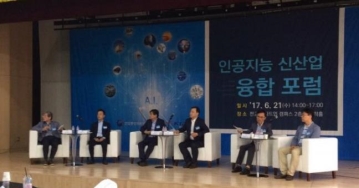
[Discussion] Artificial Intelligence Will Eliminate Jobs? Instead, It Will Increase Jobs
While the outlook that artificial intelligence will replace human jobs is prevalent, attention has been drawn to the view that jobs will actually increase. Experts gathered at the Artificial Intelligence New Industry Convergence Forum held at Pangyo Startup Campus reached consensus that the number of jobs created by industrial development utilizing artificial intelligence will exceed the number of jobs lost. Lee Seung-min, a researcher at the Electronics and Telecommunications Research Institute of Korea, stated, "The job issue related to artificial intelligence needs to be viewed objectively. When the Internet emerged, for every 1 job lost, 2.6 new jobs were created," and added, "According to recent reports, when the data-centric artificial intelligence era arrives, for every 1 job created in data-related fields, 3 jobs are created in the BICT (biotechnology and information and communications technology) sector."
2017.06.26by 김지혜 기자
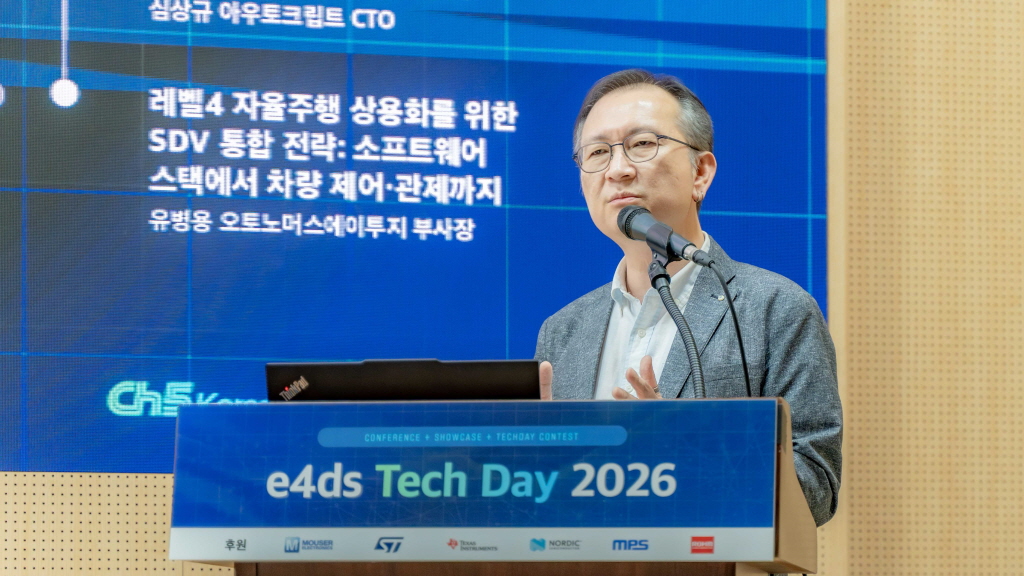
[e4ds Tech Day 2026 ⑨] Sim Sang-gyu, Autocrypt CTO: "In the Physical AI Era, Automotive Security Must Extend Beyond the Vehicle"
At e4ds Tech Day 2026, Sim Sang-gyu, CTO of Autocrypt, explained automotive cybersecurity strategies in the era of Physical AI and SDV (Software-Defined Vehicle). Automobiles are evolving as part of an ecosystem connected to AI, cloud, chargers, IoT, and robots, and he emphasized that the scope of security must expand beyond the vehicle interior to the entire connected environment. In particular, AI model tampering, adversarial attacks, OTA updates, and EV charger hacking were identified as major threats. He explained that response measures require zero trust, AI model integrity protection, intrusion detection, Security by Design and Default, and full lifecycle security management, and that proactive security system establishment beyond regulatory compliance is critical for securing future mobility competitiveness.
2026.10.12by 배종인 기자
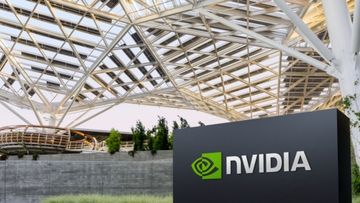
NVIDIA to Invest $1 Billion in U.S. Science Over Next Five Years
NVIDIA has announced plans to invest $1 billion over the next five years to strengthen U.S. scientific and technological competitiveness. The company will enhance cutting-edge artificial intelligence research and development capabilities in key areas including quantum computing, healthcare, and energy security, while expanding support for higher education research institutions and cloud service providers. NVIDIA is participating as a major industry partner in the White House Office of Science and Technology Policy's Genesis Mission, and is promoting supercomputer construction in collaboration with national laboratories including Argonne and Los Alamos.
2026.10.12by 배종인 기자











