


What is the first step towards preparing for the introduction of Euro NCAP child occupant detection?
 Published2018.07.03 06:47
센싱 기술은 자동차 내부의 안전성과 편의성 기능을 빠르게 향상시킨다. 한편으로는 사람이 차량 내부에 있는지를 정확하게 파악하는 것이 점점 중요해지고 있다. 미국 산호세 주립대학의 조사에 따르면, 연평균 37명의 어린이가 뜨거운 자동차 안에 갇혀 사망하는데, “이 중 절반 이상이 부모나 보호자가 자동차 내부에 아이가 있다는 것을 깜빡하고 잊어버려서”라고 한다.
밀리미터파(mmWave) 센싱 기술은 매우 환하거나 어두운 환경에서도 사람이 있는지 감지할 수 있다. 다른 센싱 기술과는 달리, 밀리미터파는 플라스틱, 드라이월, 의류와 같은 물질을 통과할 수 있으므로, 센서를 자동차 내부의 어떤 물체 뒤에 감추거나 속에 집어넣을 수 있으며 비접촉식, 비침습적으로 작동시킬 수 있다. 예를 들어, 초음파 센서는 사람과 움직임이 없는 물체를 구분하지 못하며, 카메라는 너무 환하거나 어두운 조건에서 아이들을 감지하지 못한다.
온칩 메모리와 DSP(디지털 신호 프로세서)가 내장된 TI의 AWR1642 77GHz 단일칩 밀리미터파 센서는 사람이 있는지를 잘 식별하고 호흡과 같은 미세한 움직임까지 감지할 수 있으므로 이러한 애플리케이션 사용에 적합하다.
TI는 AWR1642 평가 모듈을 사용해 정지해 있는 자동차 내부의 점유를 감지해보았다. 그림 1에서 보듯이 데모 목적으로 센서를 선루프에 설치하고 뒷좌석을 향하도록 했다. 실제 애플리케이션에서는 좌석 뒤나 후방 미러 또는 지붕 위에다 설치하는 것도 가능하다. 이 센서는 혹시 있을 수 있는 정적 클러터를 제거하기 위한 알고리듬을 비롯해, 감지를 하기 위한 전체적인 프로세싱 체인을 구현하고 있다. 그림 1에서 아이는 어린이용 카시트에 앉아 담요를 덮고 잠들어 있다. 이 센서는 아이가 담요를 덮고 있음에도 불구하고 이를 잘 감지할 뿐만 아니라 위치까지도 뒷좌석 오른쪽 자리임을 정확하게 식별한다.
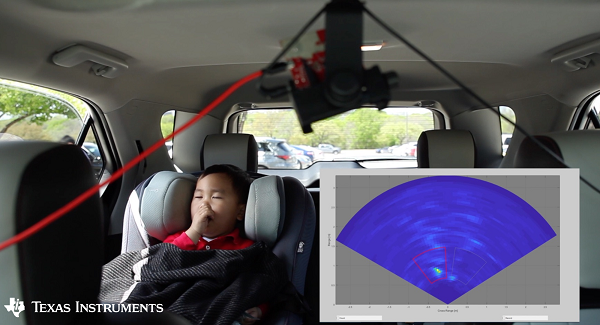
그림 1: TI 밀리미터파 센서를 이용해 자동차 내부에 어린이 감지.

그림 2에서는 두 사람이 뒷좌석에 나란히 앉아 있다. 2개의 빨간색 박스로 표시된 것에서 이 밀리미터파 센서가 두 사람을 감지했다는 것을 알 수 있다. 밀리미터파 센서는 보다 먼 거리에 앉아 있는 사람들도 식별하고 구분할 수 있기 때문에, 자동차에서 여러 줄로 앉아 있는 사람들도 감지가 가능하다.
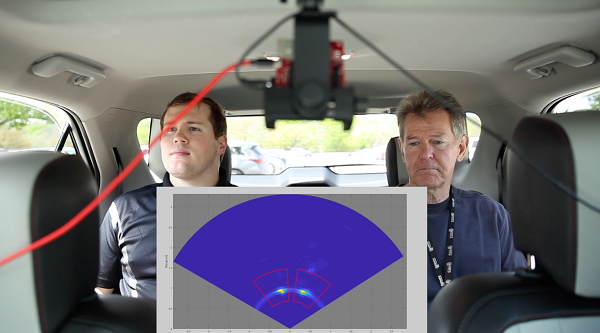
그림 2: TI의 밀리미터파 센서를 사용해 뒷좌석에 앉아 있는 두 사람을 감지한다.
그림 3에서는 침입자일 수도 있는 차량 외부에 있는 사람을 감지한다. 또한 차량 내부에 있는 사람을 감지하는 센서는 차량 바로 근처에 있는 사람도 감지할 수 있다. 사람과 바람에 흔들리는 나뭇가지처럼 움직이는 물체를 구분하는 알고리듬이 구현 가능하다.
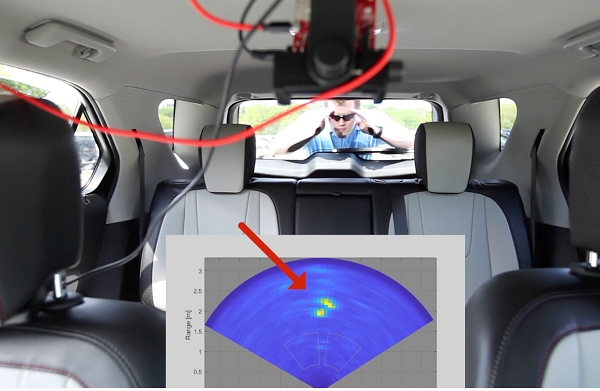
그림 3: TI의 밀리미터파 센서를 사용해 자동차 뒤에 혹시 침입자일 수도 있는 사람을 감지한다.
AWR1642를 이용한 차량 탑승자 인식 레퍼런스 디자인은 차량 내부에서 두 사람의 탑승을 감지하기 위한 전체적인 시스템과 레퍼런스 소프트웨어 프로세싱 체인을 제공한다.
TI Design Guide에서는 여기에 사용된 알고리듬을 자세히 설명하고, 이는 랩 환경이나 실제 환경에서 이 데모를 직접 시험해 볼 수 있다. 또한 여러 사람을 감지하도록 이 데모를 손쉽게 수정하고 확장할 수 있다.
밀리미터파 센서는 ADAS뿐만 아니라 차체, 섀시, 차내 애플리케이션에도 사용된다. 어린이 탑승 인식 기능은 Euro NCAP(유럽 신차 평가 프로그램) 로드맵에 따라 2020년부터 도입될 예정이다.
자동차 회사들과 주요 공급업체들은 비접촉식 및 비침습적으로 이 기능을 제공할 수 있는 센싱 기술을 찾고 있다. 또 다른 중요한 요구는 경제성과 솔루션 폼팩터이다. 이러한 요구들을 충족하는 것이 바로 밀리미터파 센서로, 단일칩으로 BOM(bill of materials)과 솔루션 크기를 줄이고 높은 분해능을 제공한다. 앞으로 출시되는 신차에 이런 센싱 기술이 사용되는 것을 보면 많은 사람들이 흥미로워할 것이다.

Comments
Related news
[Contribution] Understanding the Difficult Millimeter-Wave System Design (Part 1)
A complete mmWave radar system includes transmission (TX) and reception (RX) radio frequency (RF) components, analog components such as clocking, digital components such as ADC (analog-to-digital converter), MCU (microcontroller), and DSP (digital signal processor). Traditionally, these systems were implemented with discrete components, which increased power consumption and overall system cost. Due to complexity and high frequency, system design was also challenging. Texas Instruments (TI) addressed these challenges and designed CMOS (complementary metal-oxide-semiconductor) based mmWave radar devices that integrate TX-RF and RX-RF analog components such as clocking and digital components such as ADC, MCU, and hardware accelerators. Some product families in the TI mmWave sensor portfolio have integrated DSP for additional signal processing capabilities.
2017.08.18by 명세환 기자
[Contribution] Understanding the Difficult Millimeter-Wave System Design (Part 2)
A complete mmWave radar system includes transmit (TX) and receive (RX) radio frequency (RF) components, analog components such as clocking, and digital components such as ADC (analog-to-digital converter), MCU (microcontroller), and DSP (digital signal processor). Traditionally, these systems were implemented with discrete components, which increased power consumption and overall system cost. System design was also challenging due to complexity and high frequency. Texas Instruments (TI) addressed these challenges and designed a CMOS (complementary metal-oxide-semiconductor) based mmWave radar device that integrates TX-RF and RX-RF analog components such as clocking and digital components such as ADC, MCU, and hardware accelerator.
2017.08.23by 명세환 기자
'mmWave sensor' that remains unshaken even in adverse conditions
The opening ceremony of the 2018 PyeongChang Winter Olympics did not feature waving Olympic rings, but instead announced the Games with 1,218 drones in flight. Intel established a Guinness World Record based on drone sensor and simultaneous control technology. The technological capabilities demonstrated through the drone performance are expected to be widely utilized not only in entertainment and events, but also in industrial applications including drone delivery and monitoring, transportation, security, and agriculture. The Korean government announced it will raise drone technological competitiveness to the world's 5th position, and Texas Instruments (hereinafter TI) projected that the global unmanned aerial vehicle (UAV) market will reach $21 billion by 2022 and will lead the global market economy for business services exceeding $127 billion. Drone design and utilization in industry will enhance productivity and improve safety, having significant impact on current life. However, there are technical challenges that must be resolved to realize the application and deployment of drones across various sectors.
2018.03.27by 김학준 기자

Intel Unveils Next-Generation 'Core Ultra Series 3' and vPro Platform for Enterprise PCs
Intel has officially unveiled the "Intel Core Ultra Series 3" for next-generation enterprise PCs and the latest vPro platform, addressing a wide range of demands from enterprise notebooks to high-performance workstations.
2026.03.26by 배종인 기자

ROHM Launches ESD Protection Diode Compatible with High-Speed Interfaces of 10Gbps or Higher
Semiconductor specialist ROHM has developed the 'RESDxVx series' of ESD (electrostatic discharge) protection diodes capable of responding to next-generation high-speed data communication environments exceeding 10Gbps, simultaneously enhancing both signal quality maintenance required in high-speed interfaces and IC protection performance.
2026.03.26by 배종인 기자











