This page was machine-translated and may differ from the original. View original
An exhibition hall overflowing with AI, assistants, and Alexa
The possibilities brought about by 5G are driving collaboration between businesses.
China's Rise Stalls, Companies Hitting Walls Can't Survive
CES 2019, home to the world's most technologically advanced companies, has concluded its four-day run.
The key words of this year's CES, which featured over 4,500 participating companies and attracted 180,000 visitors, were AI and 5G. 
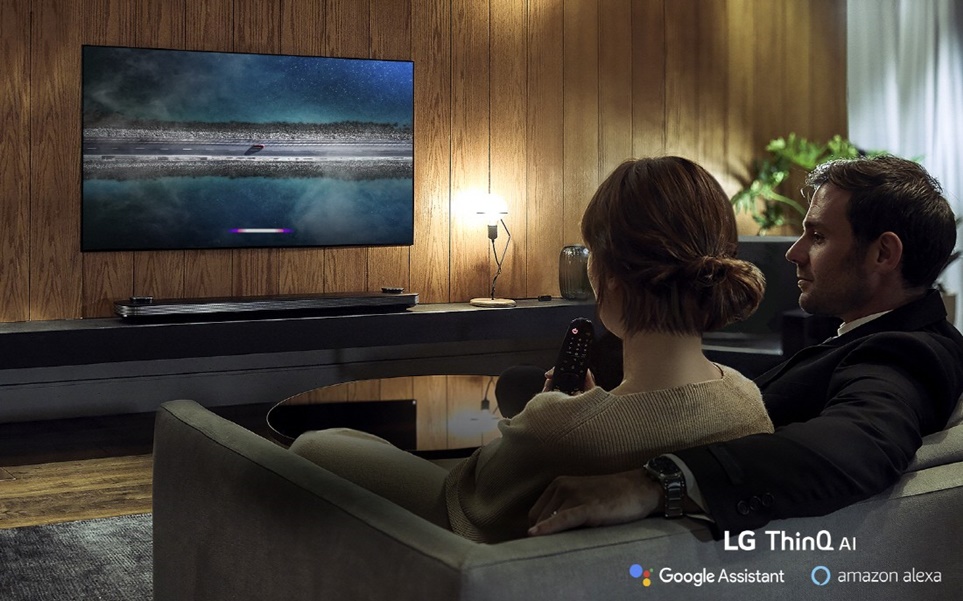
LG Electronics has integrated Google Assistant and Amazon Alexa into its AI TVs.
AI is no longer a new technology. Google and Amazon displayed their AI services, Assistant and Alexa, throughout the exhibition hall, encouraging visitors to interact with them. LG Electronics, already possessing ThinQ, integrated both AI services into its AI TVs.
AI no longer simply performs human commands. It has evolved to the point where it can understand human lifestyle patterns and offer tailored solutions. AI is embedded in all devices, and robots, in particular, are assisting humans in a human-like manner. And regardless of the form, their numbers are steadily increasing.
The 5G network, the first to launch commercial service in Korea, is simultaneously supporting and complementing AI and creating new business areas. The full-scale commercialization of autonomous vehicles is expected to be achieved through 5G networks. 5G is poised to unleash its power in the content industry as well. Powered by 5G's ability to transmit large amounts of data, VR and AR have emerged from fleeting distractions into future growth engines for the content industry. 
SK Telecom is collaborating with Harman and Sinclair to strengthen its automotive capabilities.
In keeping with the Fourth Industrial Revolution, a hyper-connected society where everything is interconnected, companies are constantly merging and forming alliances. Intel has strengthened its partnerships with organizations like Facebook, Alibaba, and the UK's Geographic Information Service, while SK Telecom has announced plans to enhance the customer automotive experience through partnerships with automotive electronics company Harman and broadcasting company Sinclair Group.
NVIDIA plans to bring its AI capabilities to auto parts manufacturers like Continental and ZF, and has partnered with Mercedes-Benz to develop next-generation AI vehicles. PC manufacturers like Dell and Lenovo have announced collaborations with gaming brands like Riot Games. Samsung Electronics has incorporated Apple's content into its hardware.
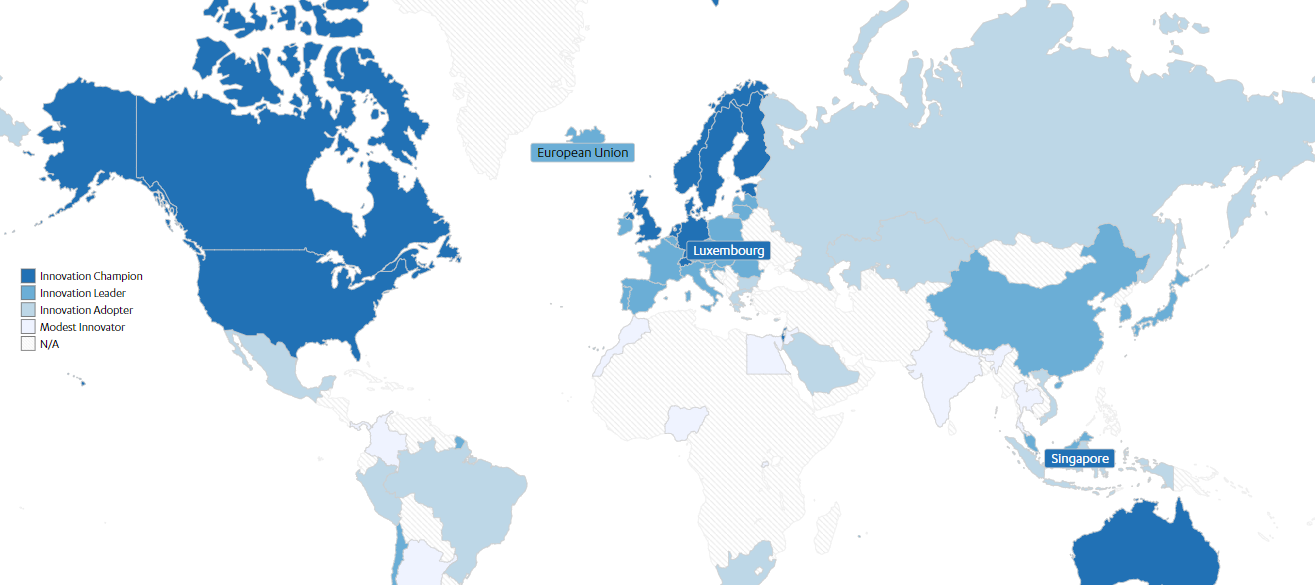
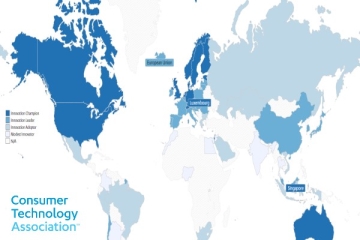
CTA, which hosted CES 2019, selected 16 countries as '2019 Innovation Champions': Australia, Canada, Denmark, Estonia, Finland, Germany, Israel, Luxembourg, the Netherlands, New Zealand, Norway, Singapore, Sweden, Switzerland, the United Kingdom, and the United States. 
16 Innovation Champions (dark blue)
South Korea, despite showing weaknesses in several areas, including failing in ride-sharing, was selected as the next innovation leader. It also ranked second in R&D investment, behind Israel.
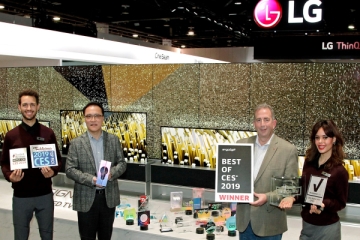
What was unusual about CES 2019 was the unusual behavior of Chinese companies. Huawei, once a dominant player in the global telecommunications market, did not unveil any new products amidst internal and external turmoil due to the US-China trade war and security concerns. Xiaomi did not even participate. Chinese companies' participation dropped by 22% compared to previous years. Royole's foldable phone, the FlexPai, failed to garner the expected response, but LG Electronics' rollable TV swept various awards at CES 2019.
It's easy to catch up, but difficult to lead. Whether China's rise has stalled for a while or reached an inflection point is up to the Chinese companies themselves. 
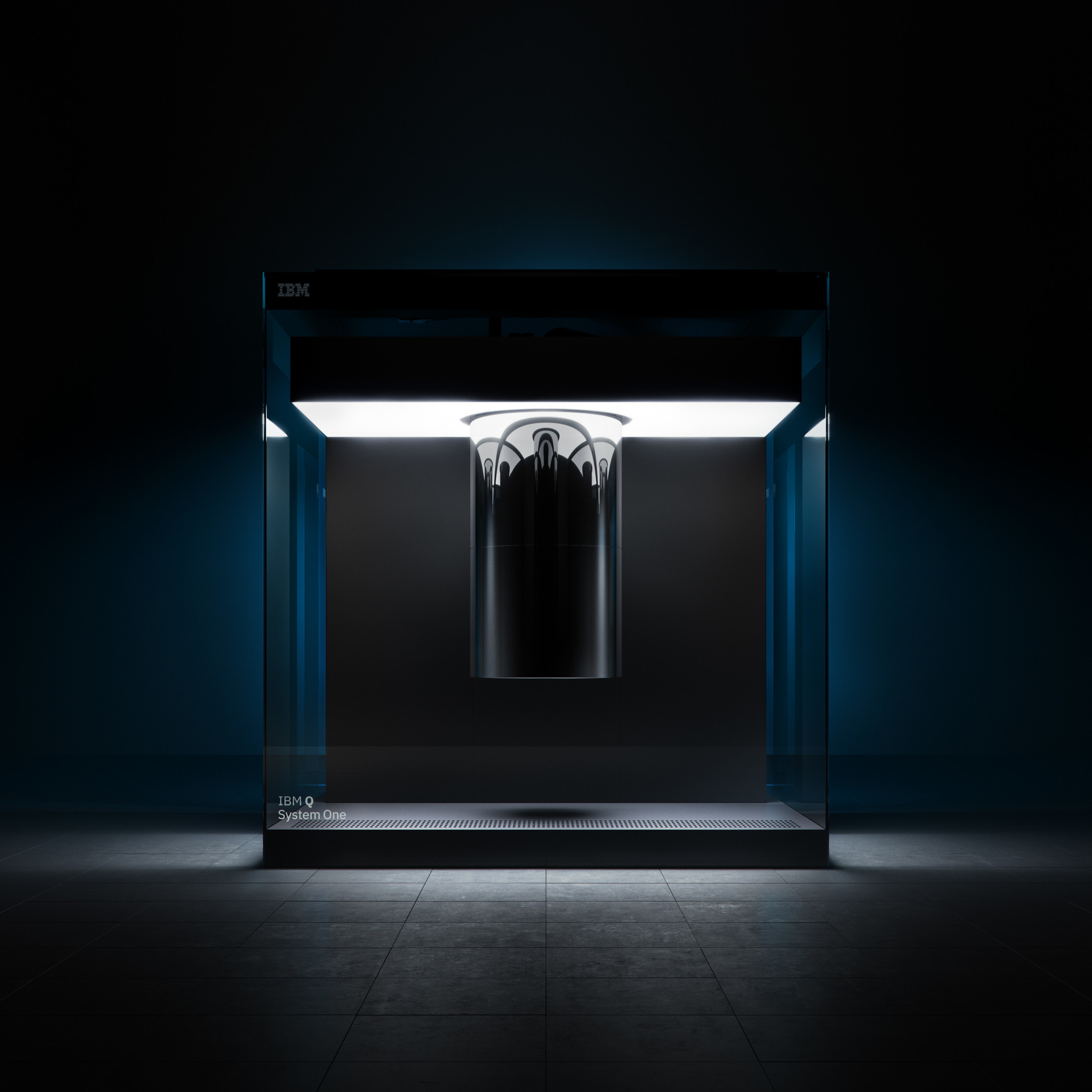
IBM Q System One
Meanwhile, IBM announced it was ready to change the course of computing. It launched the IBM Q System One, the first general-purpose quantum computing system, and decided to open the IBM Q Quantum Computing Center in New York. This quantum computer has proven superior to classical computers on specific problems. Who could have imagined that products and services leveraging AI and 5G would proliferate like this? The same holds true for quantum computers. One day, they will surpass classical computers.
At CES 2019, everyone was calling for innovation. What made those calls truly meaningful were open investment, multifaceted connectivity, and active communication. Now, the world has entered an era of hyper-connectivity, fueled by AI and 5G. Companies that build walls will not survive.
[CES 2019] See other e 4 ds articles
Samsung Electronics Unveils AI and 5G-Based Hyper-Connected Technology
LG Electronics Seeks a Better Life with AI and Robotics
Dassault Systèmes Unveils Future Smart City Experiences for 2030
BlackBerry Turns Cars into Smartphones
Dell Announces New Products and Partners with Riot Games
IBM Unveils Commercial Quantum Computing System
NVIDIA Develops AI-Based Automotive Solutions
Lenovo, IntelThe Ent Transformation Device is unveiled
Intel will lead the new era of computing.
SKT Expands Autonomous Driving Business Through Collaboration with Mobility Companies
GSMA Releases 5G Consumer Trend Data
CTA Unveils 16 Innovation Champions: "Korea Not Among Them"
Rollable TVs, with their technological prowess, and Homebrew's convenience, captivated CES.
The possibilities brought about by 5G are driving collaboration between businesses.
China's Rise Stalls, Companies Hitting Walls Can't Survive
CES 2019, home to the world's most technologically advanced companies, has concluded its four-day run.
The key words of this year's CES, which featured over 4,500 participating companies and attracted 180,000 visitors, were AI and 5G.

LG Electronics has integrated Google Assistant and Amazon Alexa into its AI TVs.
AI is no longer a new technology. Google and Amazon displayed their AI services, Assistant and Alexa, throughout the exhibition hall, encouraging visitors to interact with them. LG Electronics, already possessing ThinQ, integrated both AI services into its AI TVs.
AI no longer simply performs human commands. It has evolved to the point where it can understand human lifestyle patterns and offer tailored solutions. AI is embedded in all devices, and robots, in particular, are assisting humans in a human-like manner. And regardless of the form, their numbers are steadily increasing.
The 5G network, the first to launch commercial service in Korea, is simultaneously supporting and complementing AI and creating new business areas. The full-scale commercialization of autonomous vehicles is expected to be achieved through 5G networks. 5G is poised to unleash its power in the content industry as well. Powered by 5G's ability to transmit large amounts of data, VR and AR have emerged from fleeting distractions into future growth engines for the content industry.

SK Telecom is collaborating with Harman and Sinclair to strengthen its automotive capabilities.
In keeping with the Fourth Industrial Revolution, a hyper-connected society where everything is interconnected, companies are constantly merging and forming alliances. Intel has strengthened its partnerships with organizations like Facebook, Alibaba, and the UK's Geographic Information Service, while SK Telecom has announced plans to enhance the customer automotive experience through partnerships with automotive electronics company Harman and broadcasting company Sinclair Group.
NVIDIA plans to bring its AI capabilities to auto parts manufacturers like Continental and ZF, and has partnered with Mercedes-Benz to develop next-generation AI vehicles. PC manufacturers like Dell and Lenovo have announced collaborations with gaming brands like Riot Games. Samsung Electronics has incorporated Apple's content into its hardware.
CTA, which hosted CES 2019, selected 16 countries as '2019 Innovation Champions': Australia, Canada, Denmark, Estonia, Finland, Germany, Israel, Luxembourg, the Netherlands, New Zealand, Norway, Singapore, Sweden, Switzerland, the United Kingdom, and the United States.

16 Innovation Champions (dark blue)
South Korea, despite showing weaknesses in several areas, including failing in ride-sharing, was selected as the next innovation leader. It also ranked second in R&D investment, behind Israel.
What was unusual about CES 2019 was the unusual behavior of Chinese companies. Huawei, once a dominant player in the global telecommunications market, did not unveil any new products amidst internal and external turmoil due to the US-China trade war and security concerns. Xiaomi did not even participate. Chinese companies' participation dropped by 22% compared to previous years. Royole's foldable phone, the FlexPai, failed to garner the expected response, but LG Electronics' rollable TV swept various awards at CES 2019.
It's easy to catch up, but difficult to lead. Whether China's rise has stalled for a while or reached an inflection point is up to the Chinese companies themselves.

IBM Q System One
Meanwhile, IBM announced it was ready to change the course of computing. It launched the IBM Q System One, the first general-purpose quantum computing system, and decided to open the IBM Q Quantum Computing Center in New York. This quantum computer has proven superior to classical computers on specific problems. Who could have imagined that products and services leveraging AI and 5G would proliferate like this? The same holds true for quantum computers. One day, they will surpass classical computers.
At CES 2019, everyone was calling for innovation. What made those calls truly meaningful were open investment, multifaceted connectivity, and active communication. Now, the world has entered an era of hyper-connectivity, fueled by AI and 5G. Companies that build walls will not survive.
[CES 2019] See other e 4 ds articles
Samsung Electronics Unveils AI and 5G-Based Hyper-Connected Technology
LG Electronics Seeks a Better Life with AI and Robotics
Dassault Systèmes Unveils Future Smart City Experiences for 2030
BlackBerry Turns Cars into Smartphones
Dell Announces New Products and Partners with Riot Games
IBM Unveils Commercial Quantum Computing System
NVIDIA Develops AI-Based Automotive Solutions
Lenovo, IntelThe Ent Transformation Device is unveiled
Intel will lead the new era of computing.
SKT Expands Autonomous Driving Business Through Collaboration with Mobility Companies
GSMA Releases 5G Consumer Trend Data
CTA Unveils 16 Innovation Champions: "Korea Not Among Them"
Rollable TVs, with their technological prowess, and Homebrew's convenience, captivated CES.
본 기사에 대한 정정·반론·추후보도 청구는 보도 청구 안내를, 그간 게재된 보도문은 정정·반론보도 모아보기를 참고해 주세요.

.png)