


[Planning] Rapidly Growing Power Semiconductor Market, Urgent Need to Strengthen Competitiveness
 Published2021.07.20 13:42
자동차·전력기기·5G 통신망 등 수요 급증
中 전기차·전자 등 자체 수요 바탕 급성장
韓 2025년 글로벌 수준 목표 투자 본격화
[편집자주]전력반도체는 데이터를 처리, 저장하는 일반 반도체와 달리 전력을 처리, 조정하거나 에너지 효율을 개선하는 용도로 사용하는 비메모리 반도체를 말한다. 최근 전력반도체는 AI, 5G, 전기차, 신재생에너지 등에서 수요가 급증하고 있으며, 정부는 차세대 전력반도체가 신시장으로 부상할 것으로 예상하고 전력반도체 기술력 제고를 위한 지원에 적극 나서고 있다. 이에 본지는 전력반도체 시장에 대해 살펴보는 자리를 마련했다.
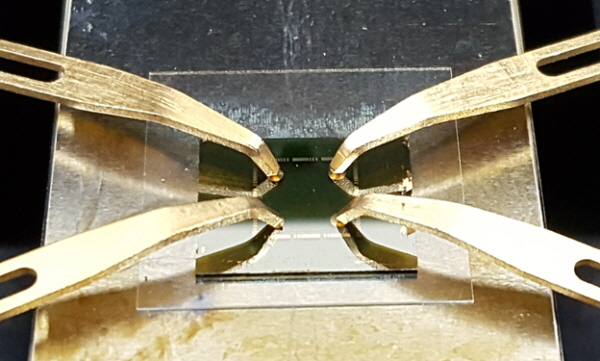
▲SiC 고온 이온주입 공정 평가 사진(사진 출처 : 전기연구원)
■ 전력반도체 2023년 530억불 시장
전력반도체 시장이 2023년 약 530억달러 시장으로 성장할 것으로 전망되는 가운데, 전기차, 전력기기 등에서 전력반도체 수요 증가 및 전비향상, 효율 향상 등의 요구로 GaN, SiC 등 화합물 반도체의 수요가 급증할 것이라는 전망이다.
OMDIA가 2020년 2월에 발표한 전력반도체 시장 규모에 따르면 전력반도체(소자, 파워IC, 모듈) 시장 규모는 2019년 약 450억달러에서 2023년 약 530억달러로 성장할 것으로 전망됐으며, 차세대 전력 반도체에 사용되는 SiC 웨이퍼 시장은 2019년 21만8,000장에서 2027년 69만3,000장으로 연평균 16% 증가해 3배 이상 성장할 것으로 예상됐다.
OMDIA에 따르면 전력반도체의 주요 기업으로는 독일의 인피니언이 세계 시장의 13.41%를 점유하고 있는 것으로 알려지고 있으며, 이어 텍사스 인스트루먼트가 8.44%로 2위, 온세미컨덕터가 6.76%, ST마이크로닉스가 5.64%, 아나로그 디바이스가 3.88%를 차지하고 있는 것으로 전해지고 있다.
전력반도체를 생산하는 주요 기업들은 자체 생산 시스템을 가지고 있지만 외부 조달을 위해 파운드리에 위탁하는 경우도 많으며, TSMC가 전세계 전력반도체의 70%를 생산하고 있는 것으로 전해지고 있다.
■ 전기차, 전력반도체 시장 주도 전망
2020년 실리콘 전력 반도체 시장은 서버 전원 등 정보 통신 기기 분야에서 호조였지만, 산업 기기 및 자동차·전장 분야의 침체로 크게 마이너스 성장을 기록했다.
또한 지역별로 볼 때 일본, 북미, 유럽, 중국을 제외한 아시아는 마이너스 성장을 기록했지만, 중국은 2020년 하반기에 수요가 회복 증가했다.
2021년 이후에는 자동차 전장화의 진전, 5G 통신 관련 투자 증가, 산업 분야에서의 수요 회복에 따라 시장 확대가 예상되고 있다.
이런 가운데 전기차 수요가 전력반도체 시장을 주도할 것으로 예상되고 있다.
기존의 내연기관 자동차에도 전력반도체가 사용됐으나 전기차 출현에 따라 전력 반도체 시장은 큰 전환점을 맞이했다.
우선 △추진 모터 구동장치 △배터리 충전장치 △직류-직류 컨버터 등 새롭게 수요처가 등장하면서 전기차용 전력반도체 수요가 증가했기 때문이다.
미래에셋 글로벌인베스트먼트가 인피니언의 자료를 인용해 발표한 보고서에 따르면 내연기관 차량에 들어가는 차량용 반도체의 비용이 보통 350달러인데 반해 전기차의 경우 약 834달러에 달하는 것으로 분석되고 있다.
특히 사용되는 반도체의 종류를 봤을 때 내연기관 차량과 전기차의 가장 큰 차이는 전력 반도체로 테슬라의 3상 AC 비동기식 모터는 각 상에서 28개씩 총 84개의 IGBT(절연 게이트 양극성 트랜지스터)를 사용하고 있으며, 기타 부품에서 추가로 12개를 사용해 총 96개의 IGBT를 사용하며, 그 원가는 400달러 수준으로 분석됐다.
이에 미래에셋은 전력 반도체의 대한 수요가 전기차의 점유율 향상과 함께 늘어날 것으로 판단했다.
■ 화합물 반도체, 전기차 수요 증가
특히 전기차에서의 전력반도체 수요 증가는 새로운 화합물 반도체 수요 증가를 불러왔다.
전기차의 배터리 용량 추가, 공간의 제약, 무게 증가 등은 전기차의 전비를 떨어뜨려 왔다.
이런 반면에 SiC, GaN 등 화합물 반도체를 사용할 경우 전력변환 장치의 효율 향상 및 소형화를 이끌어 낼 수 있으며, 인버터, 컨버터의 경량화 및 수냉장치제거로 부품 크기가 작아져 비용이 감소한다. 이를 통해 전비향상을 가져 올 수 있게 되면서 전력반도체 업체들의 화합물 반도체 개발 및 상용화가 본격화 되고 있다.
특히 테슬라는 최초로 모델3에 SiC 전력반도체를 탑재한 바 있다. Rohm의 자료에 따르면 220kW급 테슬라 모델3에 SiC 반도체를 적용한 결과 인버터의 부피는 43%, 무게는 6㎏을 감소시킨바 있다.
■ 2021년 SiC 6억8천만불·GaN 6,100만불 시장
TrendForce의 최신 조사에 따르면 GaN 전력 장치 시장은 2021년에 전년 대비 90.6% 증가한 6,100만달러의 매출로 가장 빠르게 성장할 것으로 예상되며, TrendForce는 2021년 연간 SiC 전력 장치 매출이 전년 대비 32% 증가한 6억8,000만달러에 이를 것으로 예상됐다.
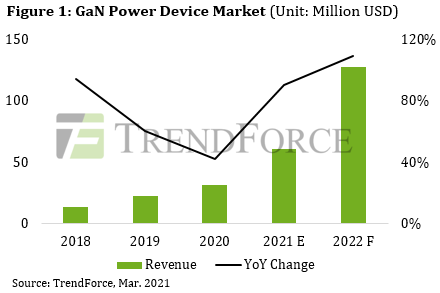
▲GaN 전력 기기 시장(단위 : 백만달러, 자료 : TrendForce)
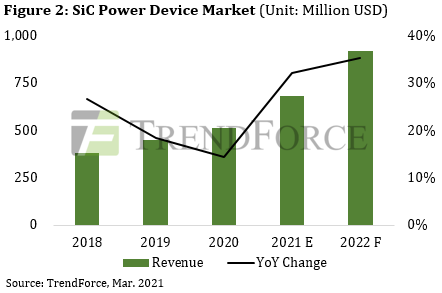
▲SiC 전력 기기 시장(단위 : 백만달러, 자료 : TrendForce)
GaN 및 SiC 전력반도체의 주요 수요 견인차로는 전기차, 전력기기 수요, 중국의 막대한 투자 등을 들 수 있다.
Tesla가 Model 3 차량에 사용되는 자체 인버터에 SiC MOSFET 설계를 채택하기 시작하면서 자동차 산업은 3세대 반도체에 대한 중요성을 증가시키기 시작했다.
지역별로 테슬라의 전기차 수요로 북미의 비율이 높지만, 다른 자동차 메이커에 의한 채용도 예정돼 있어 향후 유럽 등으로 시장이 확대될 것으로 전망되고 있다.
또한 코로나19가 둔화 조짐을 보이면서 5G 기지국의 RF 프런트 엔드, 스마트폰 충전기 및 자동차 온보드 충전기에 대한 수요가 점차 증가하고 있다.
2021년 GaN RF 장치의 총 연간 매출은 전년 대비 30.8% 증가한 6억8,000만달러에 이를 것으로 예상되는 가운데 GaN 전력 장치 매출은 전년 대비 90.6% 증가한 6,100만달러에 이를 것으로 예상된다.
특히 GaN 전력기기 매출이 눈에 띄게 증가한 것은 2018년부터 샤오미, 오포, 비보 등 스마트폰 브랜드의 급속충전기 출시에 기인한다. 이들 충전기는 효과적인 방열 덕분에 시장에서 좋은 반응을 얻었다. 또한 일부 노트북 컴퓨터 제조업체는 현재 노트북 충전기에도 고속 충전 기술을 채택하려고 하고 있다.
이런 가운데 중국은 올해부터 14차 5개년 계획에 막대한 자본을 투자하고 궁극적으로 반도체 자립을 달성하기 위해 3세대 반도체 생산 능력을 확대하고 있다. 전기차, 산업 및 통신 부문의 수요 회복은 3세대 반도체 장치 매출의 상응하는 증가를 가져올 것으로 보인다.
■ 中, 전력반도체 자국 수요 바탕 성장 본격화
특히 중국은 전력반도체 시장에서 자국 스마트폰 제조업체들과 전기차 업체들의 빠른 성장을 배경으로 전력 반도체 분야의 공급 체인을 구축하는데 적극 나서고 있는 것으로 전해지고 있다.
미래에셋에 따르면 중국은 팹리스, 파운드리, 종합 반도체 업체들로 이뤄진 자체적인 공급체인을 구축하는데 성공한 상태로 글로벌 반도체 기업에 비해 규모가 작기는 하나 △전력 집적회로 분야에서 실러지(Silergy), 성방마이크로전자(SG Micro) △MOSFET 분야에서는 원타이반도체(윙텍, Wingtech), 화훙반도체(Hua Hong) △IGBT 분야에서는 쓰다반도체(스타파워, Starpower) △고전압 IGBT 분야에서는 중국 중처그룹(CRRC) 등이 두각을 나타내고 있는 것으로 전해지고 있다.
■ 정부, 전력반도체 육성 본격화
이렇게 전력반도체 시장이 급성장하면서 우리 정부도 전력반도체 육성에 본격 나서고 있다.
지난 4월1일 제7차 혁신성장 BIG3 추진회의에서 성윤모 산업부 장관은 “AI, 5G 등 신기술의 구현과 및 자율차, 신재생 등 미래 성장 분야의 활성화를 위해서는 전력의 효율적인 관리가 필수이며, 차세대 전력 반도체는 이를 위한 핵심 부품”이라며 “정부는 아직 초기인 차세대 전력 반도체 시장을 선점하고 미래 경쟁력을 확보할 수 있도록 R&D, 인프라 등을 적극적으로 지원할 계획이며, 민·관의 공동 노력과 밸류체인간의 연대·협력을 바탕으로 견고한 산업 생태계를 구축해 나가겠다”고 언급한바 있다.
정부는 2025년까지 글로벌 수준의 차세대 전력 반도체 경쟁력 확보를 목표로 상용화 제품 5개 이상 개발, 6∼8인치 기반 인프라 구축에 본격 나서겠다는 방침이다.
국내 밸류체인 확보를 위해 실리콘 소재의 한계를 극복하기 위해 SiC, GaN, Ga2O3과 같은 화합물 소재 응용기술을 확보하고, 화합물 기반의 차세대 전력 반도체 개발을 위해 고집적∼고성능 파워 IC 설계 기술을 확보한다는 계획이다.
제조공정 확보를 위해서 화합물 반도체 공정 고도화 및 신뢰성 평가를 지원하고, 민간 파운드리의 SiC, GaN 양산 공정 구축을 지원하고, 8인치로의 전환에 필요한 선행 기술 확보에 나설 예정이다.
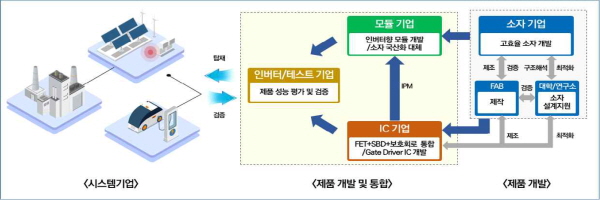
▲전력반도체 산업생태계(자료 : 산업부)

Comments
Related news
The Agency for Defense Development (ADD) has successfully developed a GaN power amplifier.
The Agency for Defense Development (Director Park Jong-seung) has laid the foundation for advanced weapon electrification through domestication of gallium nitride (GaN) power amplification devices.
2021.06.22by 배종인 기자
Microchip Unveils GaN RF Power Amplifier for Satellite Communications
Satellite communication systems employ complex modulation schemes to achieve the data transmission rates required for video and broadband data transfer. To accomplish this, it is necessary to provide high RF output power while maintaining ideal signal characteristics. In response, Microchip has introduced the 'GMICP2731-10' GaN MMIC power amplifier that meets these requirements without compromising RF power and signal fidelity.
2021.06.22by 강정규 기자
Power semiconductor market to reach 40 trillion won by 2030
By 2030, the global power semiconductor market is projected to expand to over 40 trillion won, and the market for oxide power semiconductors such as SiC, GaN, and Ga2O3 is expected to grow significantly.
2021.06.25by 배종인 기자

Intel Unveils Next-Generation 'Core Ultra Series 3' and vPro Platform for Enterprise PCs
Intel has officially unveiled the "Intel Core Ultra Series 3" for next-generation enterprise PCs and the latest vPro platform, addressing a wide range of demands from enterprise notebooks to high-performance workstations.
2026.03.26by 배종인 기자

ROHM Launches ESD Protection Diode Compatible with High-Speed Interfaces of 10Gbps or Higher
Semiconductor specialist ROHM has developed the 'RESDxVx series' of ESD (electrostatic discharge) protection diodes capable of responding to next-generation high-speed data communication environments exceeding 10Gbps, simultaneously enhancing both signal quality maintenance required in high-speed interfaces and IC protection performance.
2026.03.26by 배종인 기자











