



Semiconductors: A Korean-style Ecosystem Is Essential
 Published2022.12.13 16:30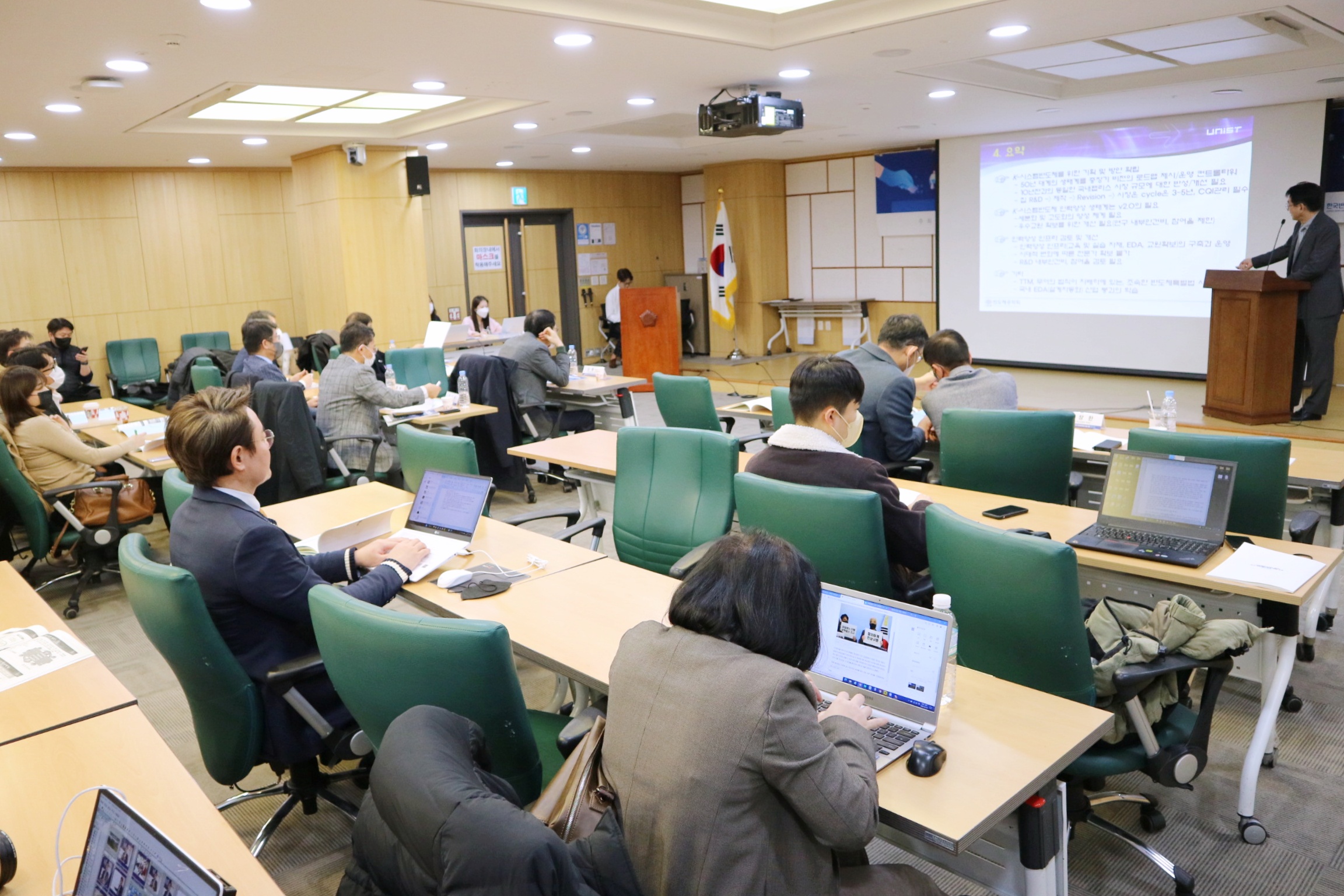
▲한국 반도체산업의 미래 조망 정책 포럼
글로벌 반도체 경쟁 대비한 출구전략, ‘오직 생태계’
반도체산업이 첨단산업의 필수 기반이자 국가 경쟁력 및 경제안보의 핵심으로 떠올랐다. 이러한 가운데 반도체 산업의 미래를 대비하기 위한 정책 포럼에서 한국형 반도체 생태계 구축이 필요하다는 업계 목소리가 전해졌다.
13일 여의도 국회의원회관 제3세미나실에서 한국 반도체산업의 미래 조망 정책 포럼이 개최됐다. 국회 ICT융합포럼에서 주최한 이번 행사에서는 국내외 반도체 산업 동향과 더불어 산업 육성 방안에 대해 업계 전문가들의 논의가 진행됐다.
■ 미국 중심 반도체 시장 재편에 대비 必
개회사에서 조명희 국민의힘 의원 “올해 산업부 R&D 총 예산 5조5,000억원가량 가운데 반도체 R&D 지원이 차지하는 비율이 2.7%에 불과하다”며 “첨단산업에 대비한 미래먹거리 확보가 시급하며 반도체 분야 인재양성은 핵심과제이다”라고 강조했다.
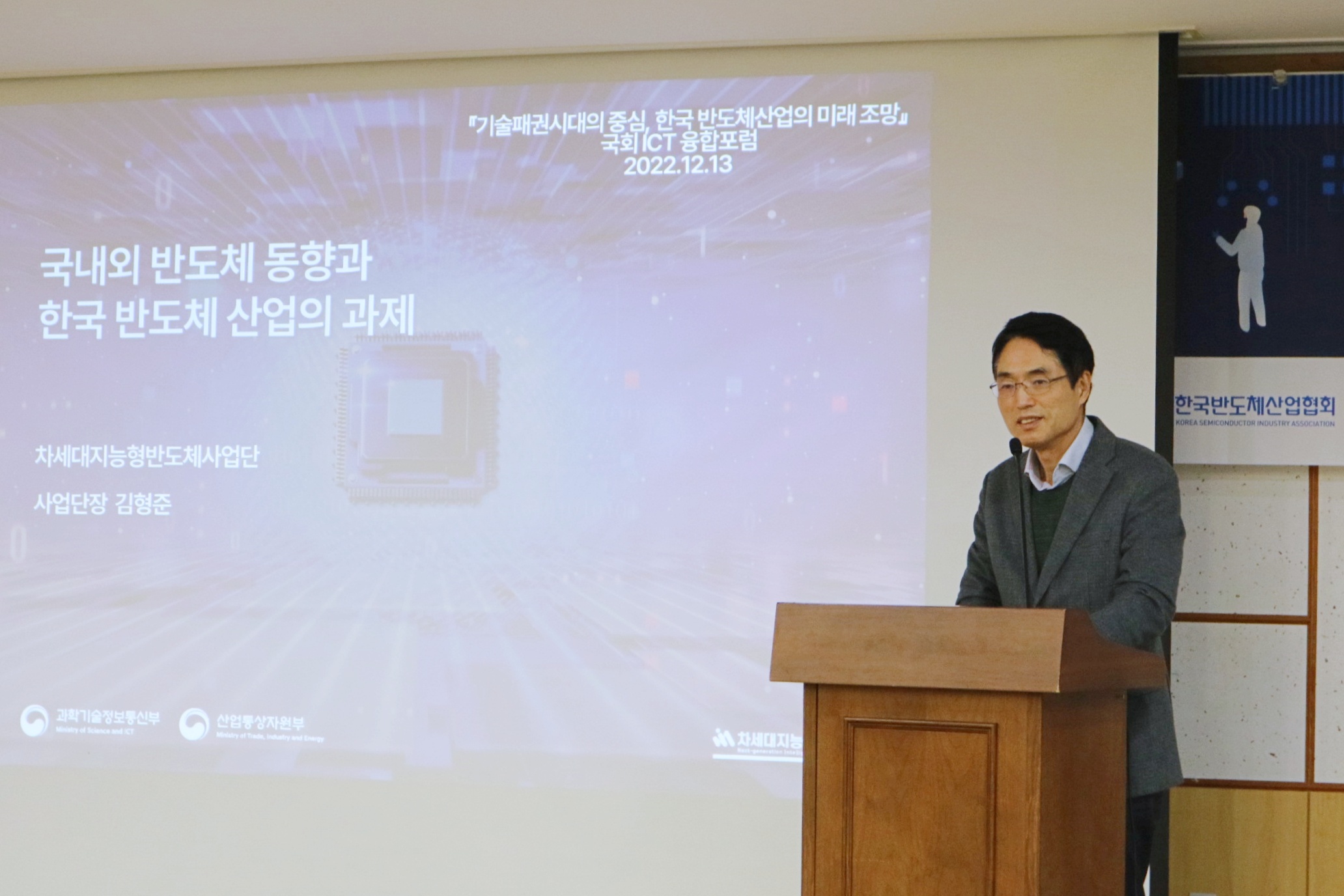
김형준 차세대지능형반도체사업단 단장은 발제를 통해 ‘국내외 반도체 동향과 한국 반도체 산업의 과제’를 발표했다. 그는 국내 해결 과제 등에 집중해서 발언을 이어나갔다.
한국은 D램 주도권 경쟁에서 2035년 5%까지 떨어질 것이라고 우려하는 김 단장은 “마이크론의 기술력이 상당하며 미국 중심으로 D램 시장 재편될 것”이라고 예상했다. 이미 반도체 산업에서 상당한 수준의 투자가 미국으로 집중되고 있으며, 이는 삼성, 인텔, TSMC 등 다양한 글로벌 반도체 제조사들의 투자 계획 발표를 통해 가시화되고 있다.
미국 주도의 칩4동맹 결성과 인도·태평양 경제 프레임워크(IPEF)를 통해 △국가별 공급망 내재화 △미중 반도체 산업 디커플링 심화 △반도체 공정 및 기술 경쟁 격화 △동맹관계 중심의 공급망 재편의 추세를 보이는 가운데 미국이 블랙홀처럼 반도체 제조 산업을 빨아들일 수 있다는 우려인 것이다.
한국 반도체 산업은 그간 매출이 높았지만 최근에 와서야 R&D 투자비율이 매출 대비 8.1%를 기록했다. 이전까진 이보다 낮았다. 미국은 16.9%로 2배이상 높으며, 중국은 12.7%, 일본과 대만이 11%대에 달해 이는 한국의 장기적인 주도권 유지에 위기감을 고조시키는 대목이다.
김 단장은 반도체 R&D 투자에서 “정부 지원 비중이 고작 7.4%에 불과해 매출이 잘 나온다는 이유로 국가 핵심인 반도체 산업에 관심과 지원이 소홀했다”고 지적했다.
김 단장은 추진과제로 △팹리스 점유율 확대를 위한 인공지능 반도체 개발 △메모리 초격차 기술확보 △파운드리 미세화 기술 고도화 △첨단 패키지 기술 확보 △반도체 전문 인력 양성을 손꼽으며 반도체 생태계를 국가적으로 구축할 것을 제언했다.
■ “10년 지나도 시스템반도체 나아진 것 없다”
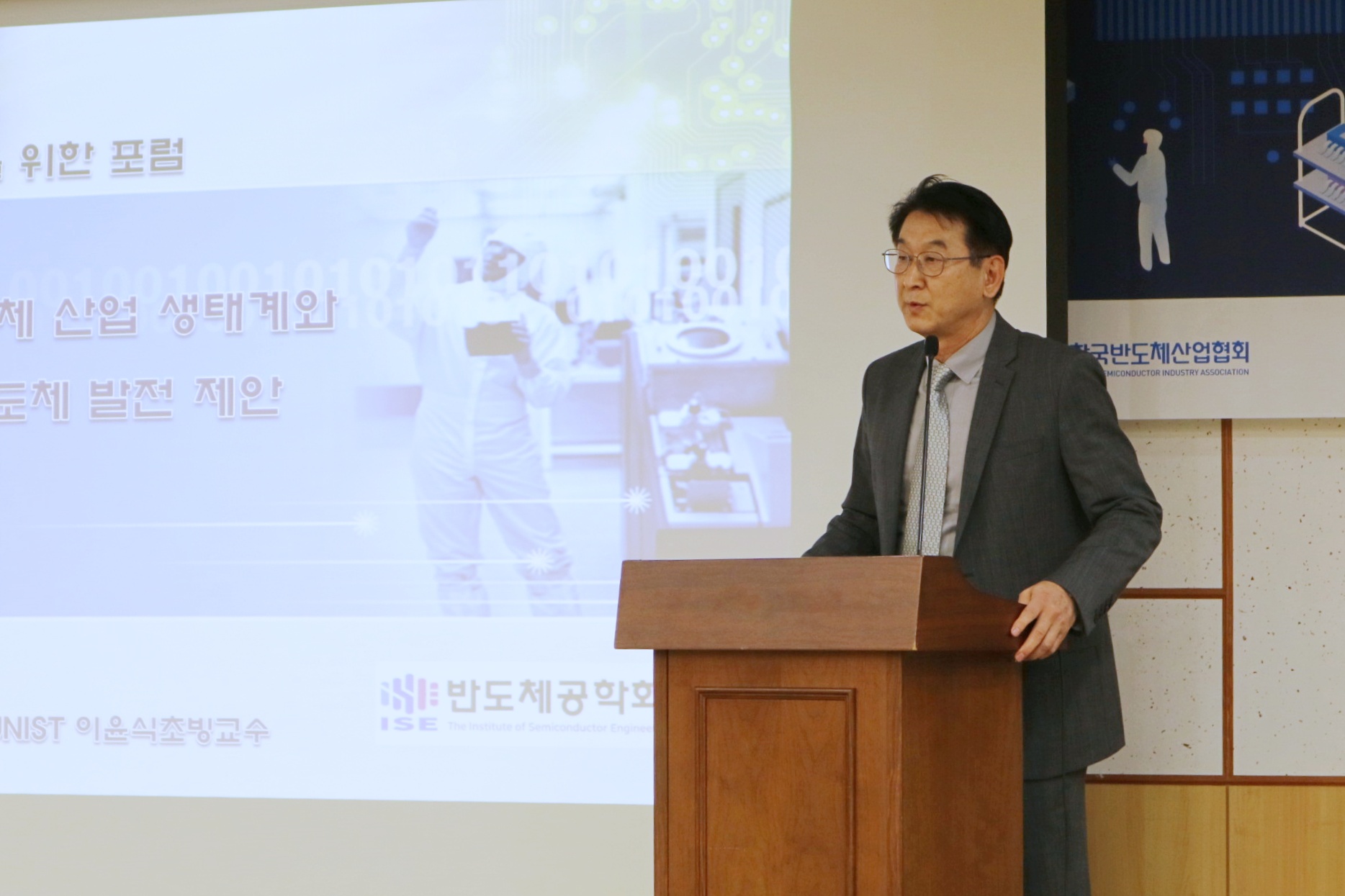
▲이윤식 UNIST 교수
이윤식 UNIST 교수는 반도체 산업 생태계에서 시스템반도체 육성 필요성을 강조했다. 그는 발제를 통해 대만 반도체 기업들의 눈부신 성장 속 팹리스들의 매출 상위권 진입과 성공 모델에 대해 설명하며 국내 팹리스에 한국형 생태계 마련을 제언했다.
이 교수는 “10년 전 한국도 정부 주도로 팹리스 생태계를 고민하고 만들어가고자 했지만 대만은 현재 성장을 이룩한 반면 한국은 자금, 연구개발비, 인력 면에서 나아지는 부분 없이 오히려 악화된 것 같다”고 토로했다. 이어 그는 팹리스의 성장에 대기업의 협력과 대자본의 투입 등이 함께 수반돼야 한다고 의견을 드러냈다.
대만의 팹리스 성공 요인으로 가격과 이익률에 강점이 있으나 노사구조 및 인건비 구조 등에서 한국이 모든 것을 벤치마킹하기엔 어려움이 있다. 이에 이 교수는 “대만의 성공 요인을 모델링해 한국형 생태계 마련이 필요하다”고 강조했다.
더불어 반도체 인력양성에 집중하고 정책적으로 활성화되고 있는 부분은 고무적인 반면 △각 기관별 통일된 교재 및 커리큘럼 부재 △팹리스, 파운드리, 패키징 등 가치사슬별 공급 인력 양성 △석사급 인력에 대한 노사 간 눈높이 불일치 등 해결과제가 산적해 있다고 언급했다.
첨단노드에서부터 100나노 이상 공정에 대한 노드별 세분화된 교육과정이 필요하며, 석사급 인력의 대기업 선호현상 해결을 위한 중소·중견 팹리스 등 기업들의 유인가 마련이 함께 수반돼야 한다고 제언했다.
한편, 이날 패널토론에서 조중회 인천대 명예교수를 좌장으로 △강사윤 한국마이크로전자 및 패키징학회 학회장 △이명희 사피엔반도체 대표이사 △최우혁 산업통상자원부 반도체디스플레이과 과장이 패널로 참석해 반도체 산업 현안을 공유했다.
Comments
Related news
Fabless Special (4) - Semifive Managing Director Jong-gi Kim, “Leading Custom Semiconductors with Design Platforms”
[Editor's Note] A paradigm shift from general-purpose semiconductors to custom semiconductors manufactured in-house is on the horizon. Customers are increasingly requesting the development of customized semiconductors to integrate chips tailored to their products. As attention to the system semiconductor ecosystem grows, Semifive, a fabless company that participated in Semiconductor Expo 2022, attracted considerable interest from visitors.
2022.10.12by 명세환 기자
ASML: "Korean Supply Chain Stabilization Begins in Full Swing"
ASML, the world's largest lithography equipment company known as a "super supplier" in the semiconductor industry, has begun full-scale investment in South Korea's semiconductor sector and taken its first step in establishing a supply chain ecosystem.
2022.11.15by 명세환 기자
UNIST Leads the Southeast Region's AI Innovation Ecosystem
Ulsan is taking the lead in AI technology development and ecosystem building as a regional hub to foster specialized AI talent and promote the AI industry.
2022.12.08by 명세환 기자

Intel Unveils Next-Generation 'Core Ultra Series 3' and vPro Platform for Enterprise PCs
Intel has officially unveiled the "Intel Core Ultra Series 3" for next-generation enterprise PCs and the latest vPro platform, addressing a wide range of demands from enterprise notebooks to high-performance workstations.
2026.03.26by 배종인 기자

ROHM Launches ESD Protection Diode Compatible with High-Speed Interfaces of 10Gbps or Higher
Semiconductor specialist ROHM has developed the 'RESDxVx series' of ESD (electrostatic discharge) protection diodes capable of responding to next-generation high-speed data communication environments exceeding 10Gbps, simultaneously enhancing both signal quality maintenance required in high-speed interfaces and IC protection performance.
2026.03.26by 배종인 기자











