


Electromagnetic Waves and AI (1) - "AI Leading Innovation in Electromagnetic Wave Design and Analysis"
 Published2024.02.02 14:18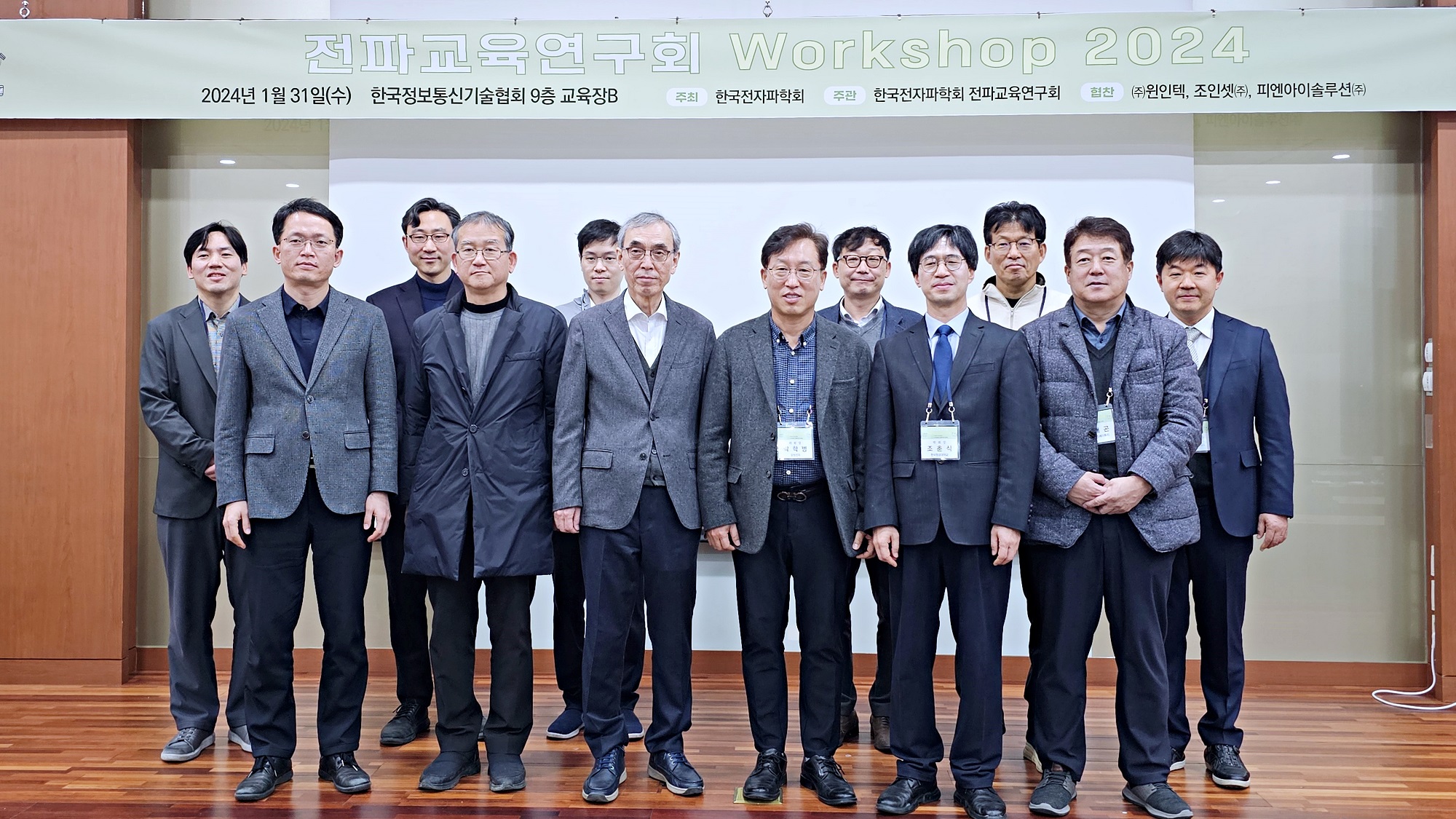
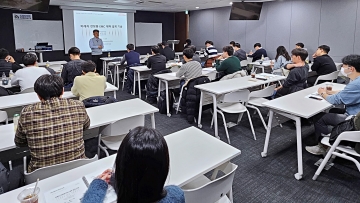
▲한국전자파학회 전파교육연구회 워크숍 2024가 31일 개최했다. 박학병 전자교육연구회 위원장(오른쪽에서 세번째), 조춘식 한국전자파학회 학회장(오른쪽에서 두번째) 등 학회 주요 관계자들이 워크숍에 참석했다.
전자파 분야 석학들의 AI융합 미래 대담
전자파·AI, 많은 데이터·리소스 선결 必
인공지능(AI)이 각 분야의 과학기술과 결합·융합해 혁신을 촉진하고 있다. 전자파 분야에서도 AI를 적용하려는 시도가 활발한 상황이다. 이에 한국전자파학회의 전문가들이 한데 모여 전자파와 AI 융합의 미래 준비에 머리를 맞댔다.
한국전자파학회 전파교육연구회에서 ‘AI와 전자파 기술의 융합’을 주제로 31일 성남시 한국정보통신기술협회(TTA)에서 워크숍을 개최했다.
박학병 전파교육연구회 위원장은 개회사에서 “최근 수년동안 인공지능이 각계 기술 분야에 도입 중이며 전자파 설계 및 분석에서도 AI를 활용하려는 시도들이 생겨나고 있다”며 “가까운 미래에 전자파 설계와 구축 방법이 크게 변화할 것이라고 생각한다”고 말했다.
이번 워크숍에서는 AI와 전자파의 기술 융합을 주제로 다양한 최신 연구 동향을 전하는 강연과 토론이 진행됐다.
총 4개의 세션으로 △Physics AI&생성형 AI(좌장 정경영 한양대 교수) △디지털 트윈(좌장 문형철 TTA 수석) △딥 러닝과 전자파 기술(좌장 정재영 서울과학기술대 교수) △패널 토의(좌장 박학병 삼성전자 프로) 등을 통해 전자파 분야 AI 기술 적용 동향과 최신 연구 등의 인사이트가 공유됐다.
조춘식 전자파학회 학회장(한국항공대 교수)은 “최근 주요기업에서 생산성 향상을 위해 생성형 AI 플랫폼을 개발 중이며 올해 AI 활용이 본격적으로 시작될 전망이다”라며 “전자파 기술 분야에서도 AI 관련 많은 연구와 워크숍이 진행되는데 △안테나 △레이더 △의료 △잡음 분석 △스펙트럼 분석 등을 중심으로 딥러닝 기술이 많이 적용된 상황이다”라고 언급했다.
아울러 조춘식 학회장은 “이번 워크숍을 통해 전자파 기술 실무자들에게 필요한 역량을 고민하고 미래를 대비하는 자리가 되길 바란다”고 덧붙였다.
■ 전자파 분야 석학들의 AI 미래 대담
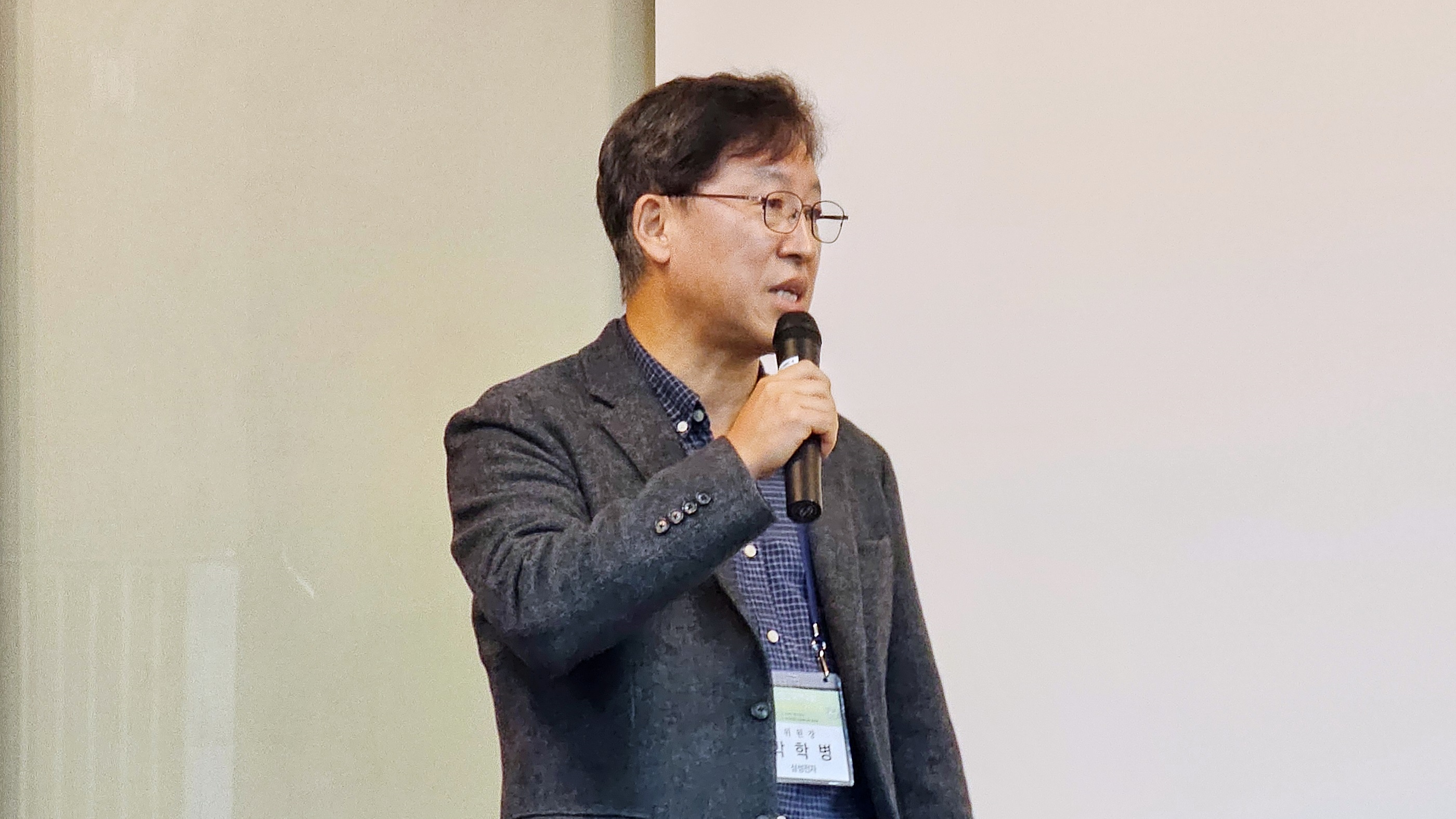
▲박학병 전파교육연구회 위원장
전자파 분야에서 AI 기술 융합과 이에 따른 윤리적 문제, 교육적 관점, 미래 역량과 연구 방향 등 다양한 관점의 논의가 패널 토의를 통해 오고갔다.
전자파 기술에서 AI 도입의 필요성을 묻는 질문에 김영욱 서강대 교수는 “전자기파(EM) 시뮬레이션은 오랜 시간이 필요한 작업이기에 AI의 도입은 최적화 측면에서 도움을 줄 수 있다”며 아울러 “한국 사회의 인구 감소 문제는 RF 인력 감소와도 직결돼 있어 점점 늘어나는 하드웨어 스펙을 맞추기 위해선 AI 도움으로 시간·인력·비용 측면의 절감이 필요할 것”이라고 견해를 밝혔다.
정해준 한양대 교수는 전자기파에 AI 응용이 단순히 데이터를 많이 수집하고 학습시키는 방향에서의 응용 가능성에는 의문을 표하며 “개별 기업들이 EM에서 거대언어모델(LLM)에 준하는 파운데이션 모델을 만들기에는 투자 액수가 과도할 것으로 보여 데이터 효율성을 어떻게 제고할 것인지 고민이 필요하다”고 지적했다.
아울러 PCB 및 RF 설계 등에 EM 파운데이션 모델을 만든다고 할 때 선행되는 제약조건으로 개별 기업들이 자사 데이터를 공개하지 않을 가능성이 매우 높다는 우려도 제기됐다. 설계 데이터는 각 기업의 핵심 요소이기에 외부로 노출시켜 모델을 만들기에는 무리가 있다는 것이다.
이에 김영욱 교수는 각 기업이 개별 모델화한 이후 해당 모델들을 기반으로 연합 학습해 하나의 파운데이션 모델로 만드는 방법론을 제시했다.
병원 및 헬스케어 애플리케이션 개발에서도 각 병원별 데이터를 모으는 것이 난제로 손꼽힌다. 이에 개별 데이터를 직접 공유해 학습하지 않고 AI 모델을 학습하는 연합학습이 개별 기업 설계 IP를 보호하면서도 EM 파운데이션 모델을 구축하는 데 기여할 수 있다는 견해를 내논 것이다.
더불어 패널 의견에서 AI 대책설계의 높은 비용문제를 예상하며 PCB설계에서의 앞선 EM 파운데이션 모델 적용은 무리가 있을 것이란 시각도 제기됐다. 이를 현장에 적용하는 관점에서 시스템 레벨 EMC 등 거대한 레이아웃이 필요한 고비용 대책설계 등에서 활용하는 쪽으로 접근할 것을 제언했다.
■ 전자파-AI 융합, 과도한 데이터·리소스 선결 必
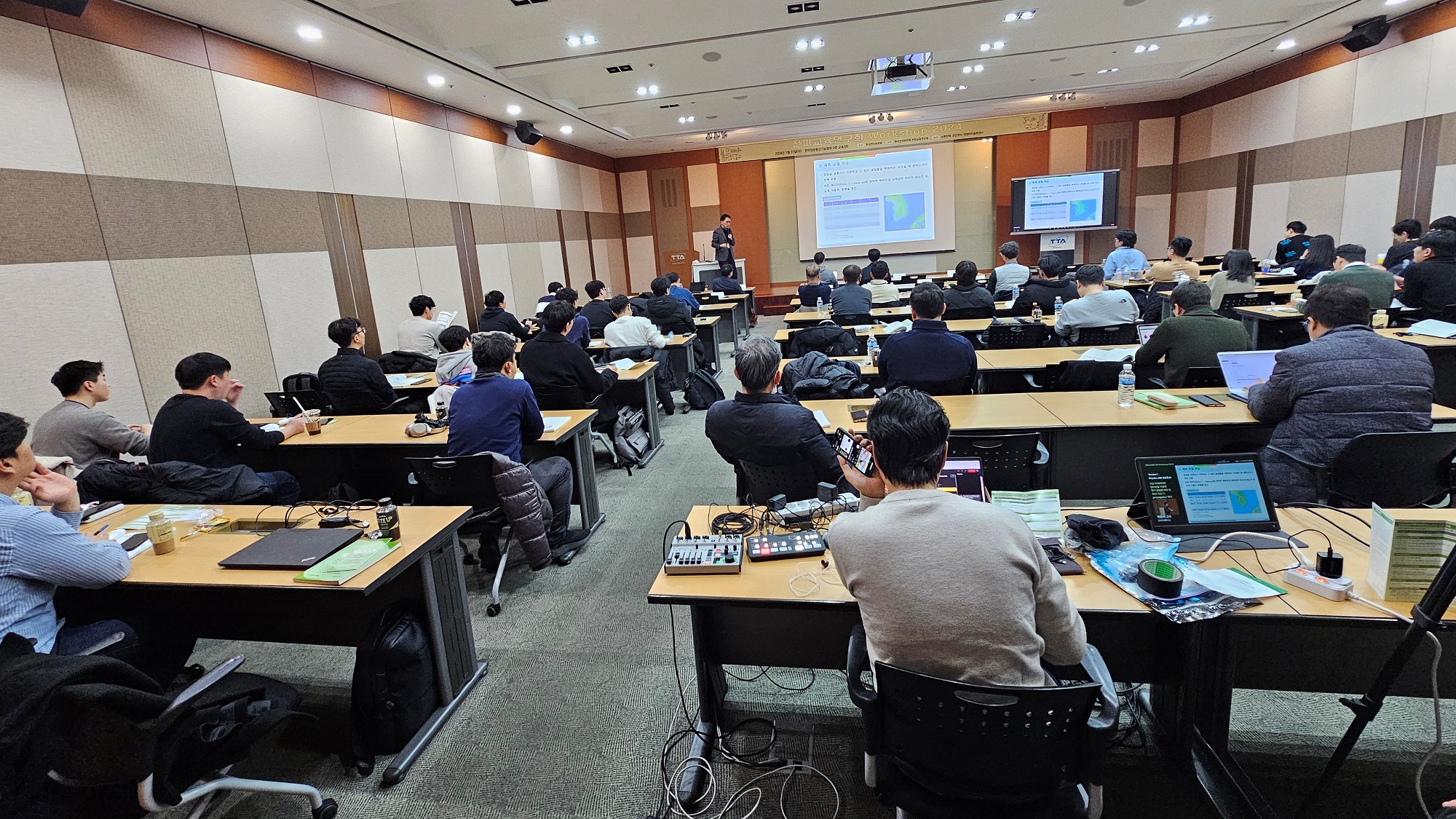
▲한국전자파학회 전파교육연구회 워크숍 2024
정해준 교수는 최근 인공지능을 구현하는 데 전자기파가 쓰이는 연구 동향을 소개했다. AI 연산엔 GPU 리소스가 과도하게 소모되는데 멀티 레이어를 가지는 옵티컬 아날로그 컴퓨팅(OAC)을 통하면 컨볼루션 레이어나 히든 레이어에서 과도하게 소비하는 전력을 절감할 수 있어 해당 개념 아이디어가 관련 학계에서 연구되고 있다고 설명했다.
또한 메타렌즈, 메타소자 등으로 물체의 엣지 탐지를 구현하는 방식도 소개됐다. 여기서 추출된 이미지는 열화되는 문제가 있는데 이를 뉴럴 네트워크로 복원하는 방식이 연구되고 있다. 레이더 영상 탐지 및 전파 기술 등에 적용할 수 있을 것으로 기대되는 기술이다.
정 교수는 딥러닝 백프로파게이션(Backpropagation, 역전파) 개념을 전자기파에 도입해 맥스웰 방정식으로 구현한다면 시뮬레이션에 수만~수백만에 이르는 학습 데이터가 필요한 기존 문제를 해결할 것으로 기대돼 이에 대한 연구를 진행 중인 것으로 전했다.
한편, 정 교수의 전파-인공지능 연구실은 △인공지능 알고리즘을 도입한 전파/광학 소자 설계 기법 △메타물질, 메타표면, 메타렌즈 연구개발 등을 수행하고 있다.
Comments
Related news
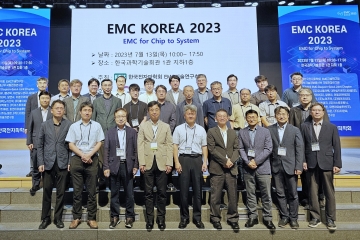
EMC KOREA 2023 Concludes: "Understanding EMC Materials and Properties Is Essential"
EMC KOREA 2023, hosted by the Korean Institute of Electromagnetic Engineering and Science, which boasts tradition and history among domestic EMC technology events, was held, bringing together numerous EMC engineers and researchers from across the country.
2023.07.14by 명세환 기자
A place where electromagnetic waves, packaging, and artificial intelligence technologies converge
Electrical design based on electromagnetic engineering is a critical element in system semiconductor development in advanced packaging processes where high data bandwidth and low power requirements are essential. A forum has been established to share the latest research results where packaging technology and electromagnetic engineering converge.
2023.09.04by 명세환 기자
2023 EMC FEST to be held, bringing together domestic EMC industry, academia, and research.
EMC FEST, an event where information exchange related to EMC can take place and products from electromagnetic wave-related companies can be found in one location, is approaching its opening.
2023.10.17by 명세환 기자
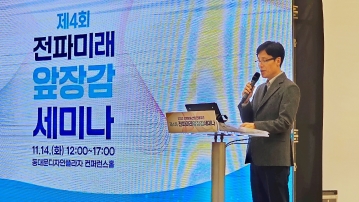
AI Era Radio Convergence Prospects… “Utilizing ‘ChatGPT’ EMI Design and Analysis”
As the emergence of convergent radio frequency technologies accelerates and the trend replacement cycle accelerates, concerns about strengthening the capabilities of personnel in the radio frequency field are deepening. In this context, the Radio and Broadcasting Communication Training Institute is taking the lead in convergent radio frequency education, while the changes in electromagnetic field design and analysis methods that generative AI technology will bring have been presented and drawn attention.
2023.11.15by 명세환 기자
2023 e4ds Analog Day Completed… “EMI/EMC Consideration in Early Design is Important”
As electrical components in future vehicles such as electric vehicles increase in number, resulting in higher integration density, noise issues are also rising proportionally. Against this backdrop, proactive EMI/EMC countermeasures and preventive design strategies are expected to provide significant advantages in the product development process. At the e4ds Analog Day seminar, relevant EMI/EMC insights were shared among industry participants.
2023.11.30by 명세환 기자











