


[Planning] Biden's Visit to Korea: Heightened China Risk vs. K-Semiconductor Leap
 Published2022.05.24 12:30
반도체 산업 도약 기회, 삼성 다음 행보 관심 집중
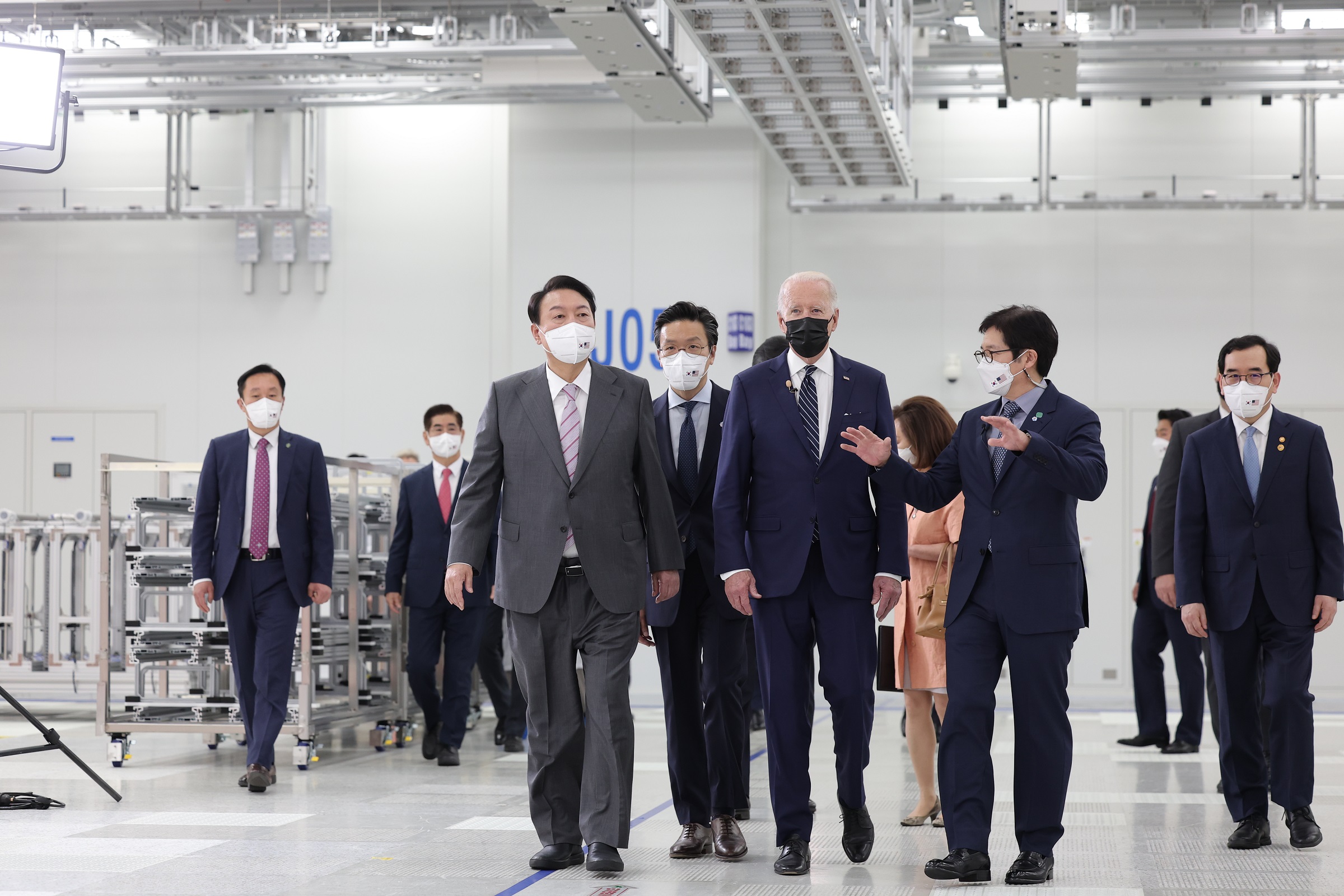
▲삼성전자 평택 캠퍼스에 방문한 조 바이든 미국 대통령과 윤석열 대통령 (사진-제20대 대통령실)
바이든 대통령이 이번 방한에서의 연설을 살펴보면 ‘경제안보’와 ‘동맹국 결집 강화’가 주요한 아젠다로 설정됐음을 확인할 수 있다. 삼성 평택 캠퍼스 연설에서 바이든 대통령은 러시아-우크라 전쟁으로 인해 공급망 중요성이 부각되고 있다며 “우리의 경제 및 국가 안보가 우리의 가치를 공유하지 않는 국가들에 의존하지 않도록 해야 한다”고 언급했다.
경제안보를 강조함과 동시에 ‘우리의 가치를 공유하지 않는 국가들’이라는 워딩을 통해 앞선 러시아뿐 아니라 중국을 견제하려는 의도가 포함된 것으로 풀이된다. 한미 반도체 동맹의 강화는 삼성을 비롯한 국내 반도체 산업에 긍정과 부정 영향을 동시에 가져올 것으로 전망된다.
■한·미 반도체 동맹에 중국 '발끈'
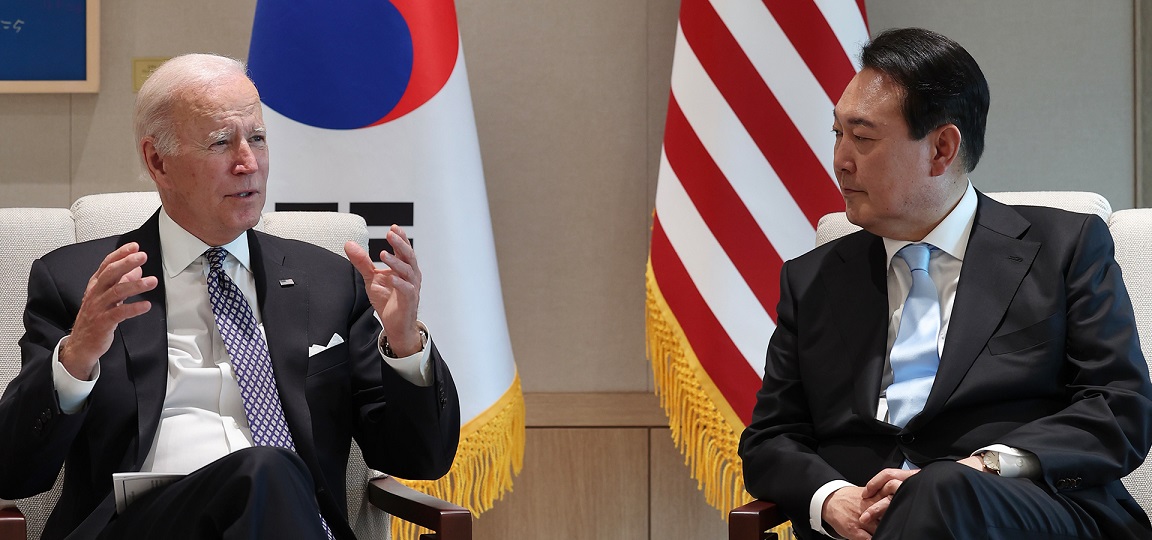
▲21일 한미 정상회담 (사진-제20대 대통령실)
한국 외교 전략은 전통적으로 안보는 미국, 경제는 중국이라는 틀에서 줄타기를 하는 외교였던 반면 이번 방한을 기점으로 군사동맹 강화뿐 아니라 경제·기술 동맹을 강화하는 방향으로 선회했다는 분석이 나오고 있다. 윤정부는 인도·태평양 경제 프레임워크(Indo-Pacific Economic Framework, 이하 IPEF) 참여와 공동전략구축 추진 의사를 밝혔으며 선거 당시 공약집과 지난 한미정상회담 설명자료 등에서 ‘쿼드(Quad)' 참여에 긍정적인 모습을 내비치는 등 중국과는 선을 긋는 행보를 보이고 있다.
이러한 가운데 중국 관영매체 환구시보의 영문판 글로벌 타임즈는 관련 전문가 인용을 통해 “(한미정상회담에서 이뤄진) 그러한 합의는 역내 복잡하고 미묘한 균형을 깨뜨리고 한국이 감당할 수 없는 재앙적인 후유증을 초래할 수 있다”며 “미국의 반중국 ‘인도-태평양 전략’은 최고 교역 상대국의 감정을 상하게 했다”고 언급했다.
일각에서는 미·중 패권전쟁에서 한국이 일선에 서게 되면 중국의 경제보복을 당하게 되는 것이 아니냔 우려도 나오고 있지만 이미 예상된 수순대로 간다고 보는 의견도 있었다.
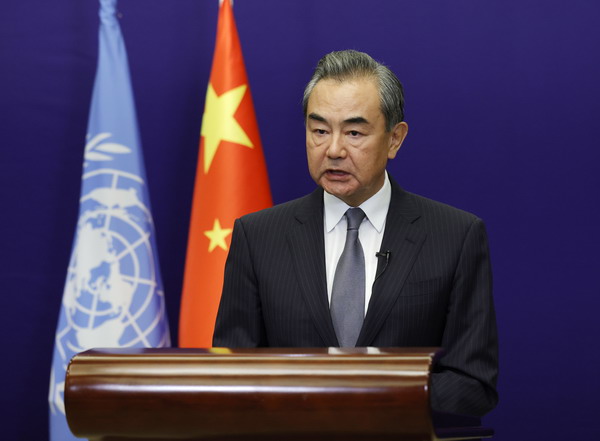
▲왕이 중국 외교부장이 23일 유엔 아시아·태평양 경제사회위원회 제78차 회의 개막식에 참석해 연설하는 모습(사진-중국 외교부)
중국은 반도체 공급체인에서 배제될 경우 타격이 크다. 중국의 현재 반도체 기술은 14나노 수준에 머물러 있어 첨단 공정과 비교해 3-4세대 격차를 보인다고 평가된다. 반도체 자급률 또한 높지 않다. 그렇기에 한국을 우회적으로 압박할 뿐 강도 높게 비판하지 않는 것은 한·미·일·대만 칩4 동맹에서 한국은 약한 고리이기 때문이다.
한국무역협회(KITA)에 따르면 지난해 한국의 대중 수출액은 1,629억달러로 전체 수출액의 25%를 차지하고 있다. 이 가운데 30% 가량이 반도체 제품으로 502억달러를 기록했다. 특히 반도체 수출 물량의 39.3%가 중국으로 향하고 있어 반도체의 대중 수출 의존도가 매우 높다고 평가받고 있다. 게다가 보스턴 컨설팅 그룹(BCG)에 따르면 중국은 반도체 소비는 전세계에서 24%를 차지해 25%인 미국의 바로 뒤를 잇따르는 상황이다.
중국 시안과 우시에 삼성전자 반도체 생산 공장이 운영되고 있으며, SK하이닉스는 우시에 있는 D램 공장에 3년간 2조원 가량을 추가 투자하는 등 중국과 반도체 생산을 협력하는 상황에서 미국과의 커플링 강화에 마냥 기뻐할 수만은 없는 상황인 것이다.
산업연구원 김양팽 전문연구원은 e4ds와의 취재에서 “글로벌 공급망 재편 속에서 각국이 지원 정책을 발표하며 경쟁이 격화하는 상황”이라며 “한국은 중립 아닌 중립을 유지했지만 이번 방한을 기점으로 정부가 미국과의 커플링을 강화하는 방향으로 밝힌 것”이라고 말했다.
중국의 경제보복 우려와 관련해 김 연구원은 “중국이 반도체 자급률 및 기술 성숙도가 낮아 반도체 분야에서 액션을 취할 여지가 적다”고 언급하며 “다른 분야에서 경제적 조치가 있을 가능성도 있다”고 조심스런 예측을 내놓았다. 그는 “(손익을 따졌을 때) 반도체 부문에서 중국이 최대 소비시장이지만 첨단 장비 도입과 기술 개발 측면이 더 중요하기에 중국의 보복 피해와 비교해 미국과 손을 잡는 것이 이익이 더 클 것”이라고 밝혔다.
■K-반도체 도약의 기회, 삼성은 “가던 길 갈 뿐”
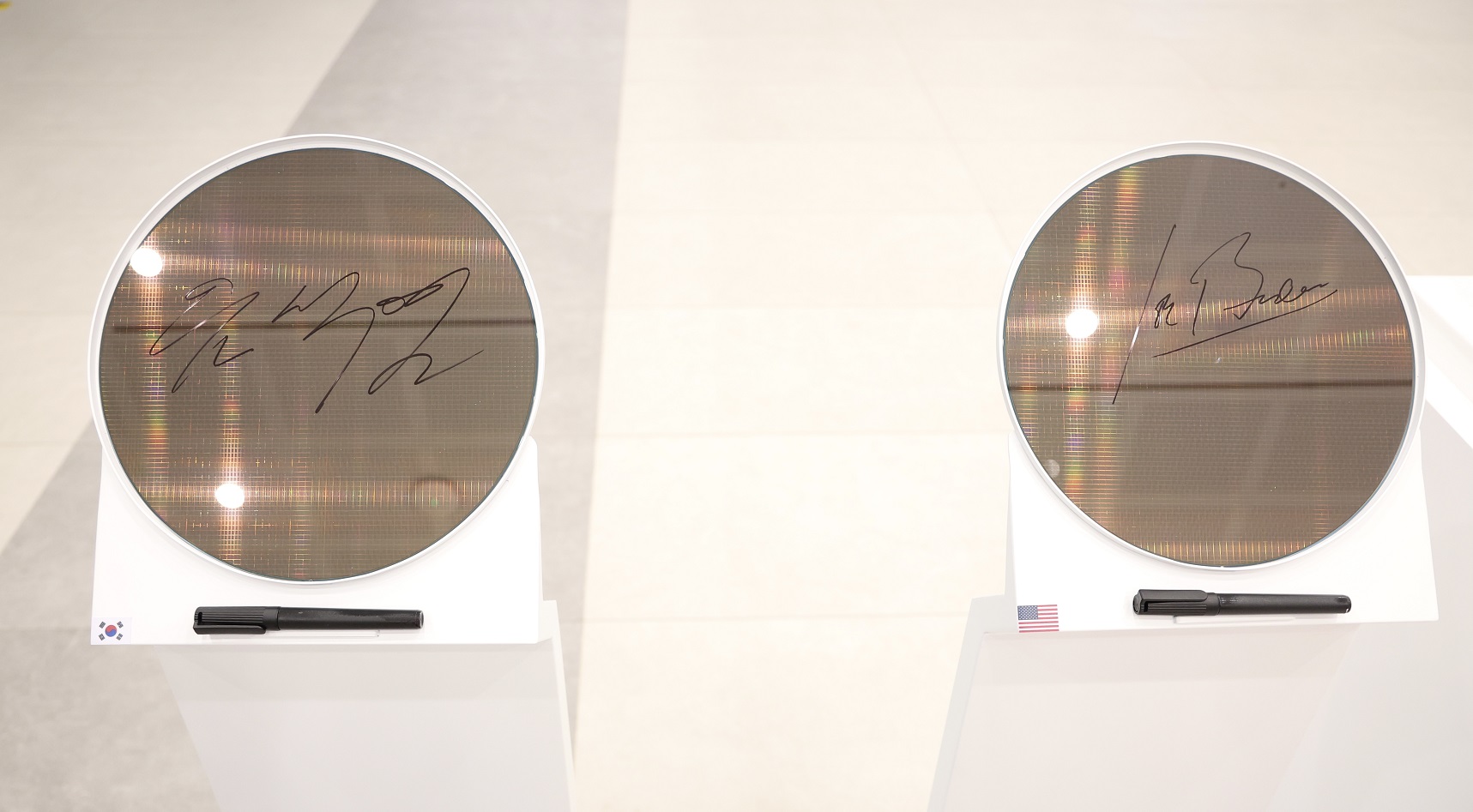
▲3나노미터 반도체 웨이퍼에 쓰인 두 정상의 서명 (사진-제20대 대통령실)
바이든 대통령은 삼성전자 평택 반도체 캠퍼스에 방문해 3나노미터 반도체 웨이퍼에 윤석열 대통령과 함께 서명했다. 그는 연설에서 “나는 이 공장에서 세계에서 가장 진보된 반도체가 어떻게 만들어지는지 봤다”며 “최첨단 반도체와 관련해 이를 생산하는 곳은 전세계 3개 중 하나가 삼성이다”라고 밝혔다.
이번 방한을 통해 삼성은 최신 기술인 GAA(Gate-All-Around) 기반 3나노 반도체 시제품을 선보이며 한미 정상의 서명을 웨이퍼에 담아 최대의 광고효과를 냈다. 더불어 일각에선 한 바구니에 계란을 담지 않으려는 미국의 전통적인 기조가 반영돼 반도체 공급체인에서 TSMC에 편중된 공급망에서 변화해 삼성의 비중이 높아질 것으로 예상하고 있다.
이번 삼성 반도체 공장 방문에는 퀄컴의 크리스티아노 아몬 최고경영자도 동행한 부분이 주목을 받고 있다. 스마트폰 AP 설계기업이자 삼성 파운드리의 주요 고객인 퀄컴이 바이든 대통령과 동행한 것에 대해 삼성의 3나노 공정에 퀄컴의 차기 3나노 AP양산을 맡기는 것이 아니냐는 기대감도 커지고 있는 상황이다.
다만 방한 명단에 포함돼 조 바이든 미국 대통령과 동행한 크리스티아노 아몬 퀄컴 CEO는 평택에 위치한 삼성 공장은 방문하지 않은 것으로 알려졌다. 21일 한미 비즈니스 라운드테이블에 참석해 이재용 삼성 부회장과 한자리에 있었지만 심층적인 대화를 나누기는 어려웠을 것으로 보인다.
한편 삼성은 미국 텍사스주 테일러시에서 대규모 파운드리 공장 착공식이 언제 이뤄질지 관심이 집중되고 있다. 지난해 삼성은 170억달러 규모의 투자로 신규 파운드리 공장을 건설하겠다는 발표와 함께 그간 부지 선정 작업을 진행해온 것으로 알려져 있다. 이번 방한을 계기로 고조된 분위기를 이어나가는 대규모 행사를 준비 중에 있다는 말도 나돌고 있다.
업계 관계자는 미국과의 반도체 동맹 강화와 관련해 “삼성은 이전부터 미국에 반도체 투자를 지속적으로 가져가고 있었으며 이번 미국 대통령 방문을 통해 새롭게 확대되는 것은 아니다”라며 선을 그었다. 또한 향간에 떠도는 오스틴 팹 증설 여부와 관련해 아직 구체화된 계획은 없는 것으로 전해지고 있다.
한편, 오는 10일 채널5코리아 주최로 2022 e4ds 반도체 트렌드 데이가 코엑스(COEX)에서 진행된다. GaN·SiC·차량용 반도체 최신 동향을 다룬 세션과 더불어 오프라인 특별세션으로 황철성 서울대학교 석좌교수의 ‘차세대 메모리의 발전방향과 소재동향-3D적층 DRAM 기술’ 세미나가 마련돼 있다.
자세한 사항은 e4ds news 홈페이지에서 확인할 수 있다.

Comments 17
17 Comments:
Related news
Samsung Electronics, Q1 Revenue 77 Trillion Won... Record Revenue for 3 Consecutive Quarters
Amid management variables buffeting the semiconductor market such as geopolitical uncertainty and supply chain realignment, Samsung Electronics has demonstrated robust performance and solidified its strong position in 'K-semiconductors'.
2022.04.29by 명세환 기자
Global R&D investment continues to increase… Intel, No. 1, at an all-time high, Samsung in pursuit
As global semiconductor development competition intensifies, the amount of capital invested in research and development has steadily increased over the past 40 years. With projections expanding to $110 billion by 2026, Intel has undertaken record-breaking R&D expenditure, while Samsung closely pursues in second place.
2022.05.06by 명세환 기자
Seoul National University's SIPC seeks solutions for K-fabless companies to expand overseas.
Domestic fabless companies account for only 1% of global market sales, but with active efforts to cultivate excellent semiconductor talent and build a semiconductor ecosystem, future growth is anticipated. On the 3rd, the first System Semiconductor Coexistence Forum of 2022, hosted by Seoul National University's System Semiconductor Industry Promotion Center, took place simultaneously at the Professors' Hall Convention Hall and online.
2022.05.06by 명세환 기자
Intel Unveils Next-Generation 'Core Ultra Series 3' and vPro Platform for Enterprise PCs
Intel has officially unveiled the "Intel Core Ultra Series 3" for next-generation enterprise PCs and the latest vPro platform, addressing a wide range of demands from enterprise notebooks to high-performance workstations.
2026.03.26by 배종인 기자
ROHM Launches ESD Protection Diode Compatible with High-Speed Interfaces of 10Gbps or Higher
Semiconductor specialist ROHM has developed the 'RESDxVx series' of ESD (electrostatic discharge) protection diodes capable of responding to next-generation high-speed data communication environments exceeding 10Gbps, simultaneously enhancing both signal quality maintenance required in high-speed interfaces and IC protection performance.
2026.03.26by 배종인 기자












조 바이든의 방한을 통해 ‘경제안보’와 ‘동맹국 결집 강화’를 꾀하고 더불어 우리 반도체 산업의 영역 자주성을 확보하는 계기가 되었기를 바랍니다.
한국의 미래를 위해 중요하다고 생각합니다
중국도 빼놓을 수 없는 우리의 시장 입니다. 미국과 큰딜을 멋있게하되 중국도 소외감을 느끼지 않도록 국가적으로 여러면의 세심한 배려가 필요할것으로 봅니다.
바이든 대통령의 삼성 방문을 통해 삼성의 기술력은 물론 다른 기업들의 기술력이 더욱 더 세계에서 위상을 떨치고 대한민국을 알리는 계기가 되었으면 합니다.
바이든의 방한과 삼성 방문으로 한미관계가 더 공고해지고 반도체 산업이 세계적인 위상을 펼치고 더욱더 발전하길 바래봅니다~
바이든의 삼성 방문으로 인해 삼성반도체의 세계적인 위상을 다시 한 번 확인할 수 있었던 것 같습니다.
이번 바이든 대통령 방한으로 한미관계가 더 공고해지고 반도체 산업이 발전하길 기대합니다
한국은 미국의 주요 반도체 공급처이자 파트너로 이번 바이든 방문은 한미의 반도체 동반자 관계를 공고히 하기 위한 좋은 행보라고 생각되며 앞으로의 시너지 효과를 기대해 볼만하다고 생각됩니다.
삼성 3나노 엄청 대단합니다. 반도체 선두 주자로 기대됩니다
삼성 3나노 엄청 대단하네요 반도체 선두 주자로 발전하는 미래 보고 싶습니다
기사 잘 봤습니다.
바이든 방한으로 많이 내주고 적게 받은 느낌이네요.. 대다수가 그렇게 보는데.. 그 와중에도 멀리 보고 실행해야 할 것 같네요..
기사 잘 봤습니다. 메모리 뿐만 아니라 비메모리 분야에서도 세계 최고가 되는 날이 오면 좋겠네요.
삼성 3나노 엄청 대단합니다. 반도체 선두 주자로 항상 발전하는 모습 보고 싶습니다
메모리반도체는 신규라인 투자하는데 조단위는 벌써 넘었을 것이고 비메모리 경쟁력을 키우는 것은 삼성이나 SK하이닉스만으로는 안된다.다양한 종류의 아나로그 반도체들은 미국,일본,독일 등의 중견기업들이 많다.대한민국도 한 분야에 누적된 기술을 집중적으로 개발하고 발전시키고 탄탄한 중소기업들이 많아야 가능하다.결국 대기업과 중소기업의 효율적인 상호협업이 있어야 한다.
Ipef, bcg약자에 대한 부연설명 좀 넣어주세요. Coex는 ()해주셨는데 저 용어는 없어요
좋은 기사 잘 봤습니다.. 학창 시절 어깨 넓은 친구들 사이에서 갈피를 못 잡는 작은 친구의 모습이 상상되네요..^^ '우리와 가치를 공유하지 않는 국가'라고 대놓고 말하는 부분은 바이든 대통령의 확고한 생각이 엿보인 연설이었다고 생각됩니다. 그래도 경제적 동맹을 제안(강요?)하고 국가적 안보를 약속하는 걸 봐서는 역시 미국 주식이 답이 아닐까 생각이 듭니다.