



US Semiconductor Hegemony Begins in Full Swing… Korea Faces a Crossroads
 Published2022.08.11 08:00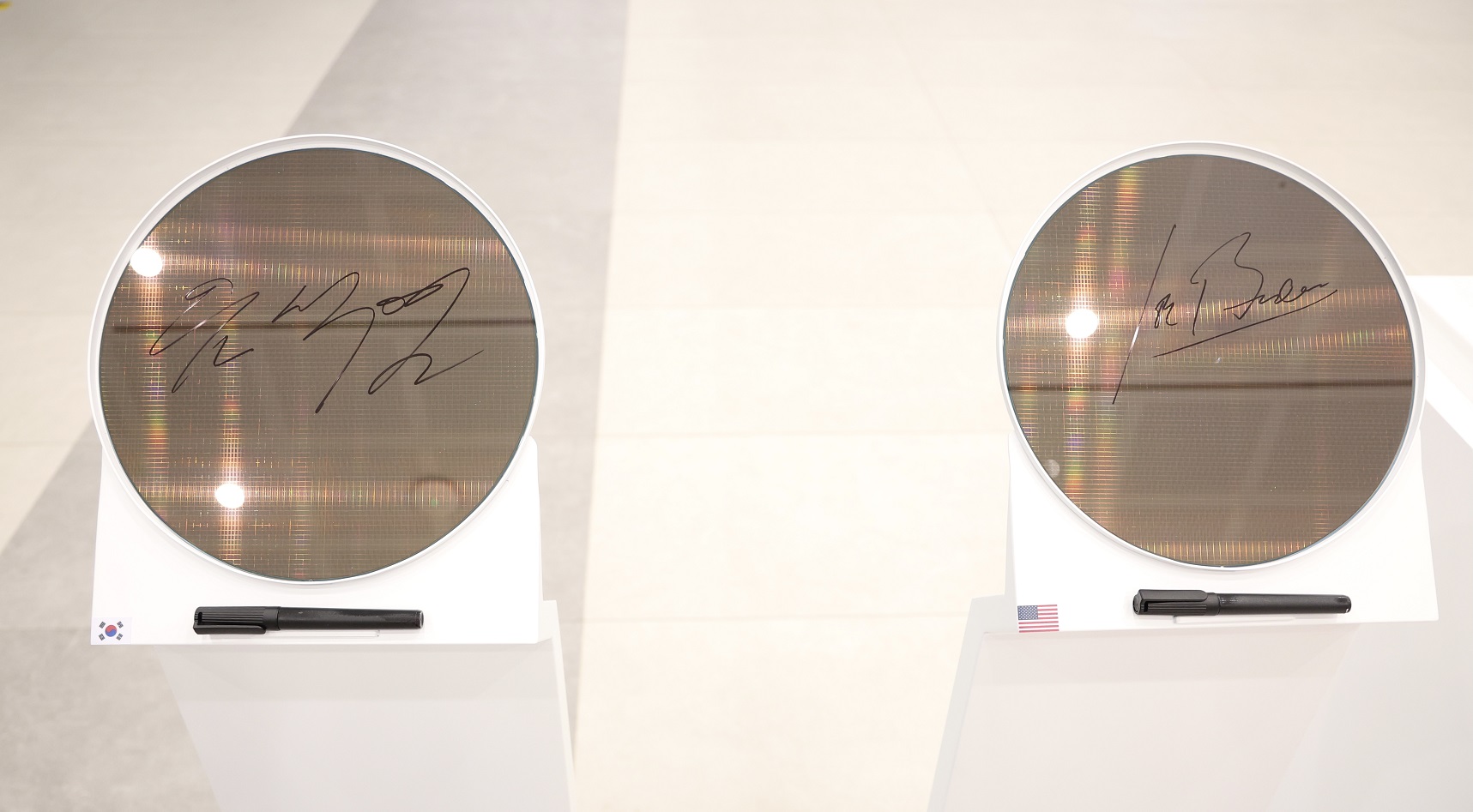
▲지난 5월 조 바이든 미국 대통령 방한 당시 삼성전자 3나노미터 반도체 웨이퍼 위에 남긴 서명(오른쪽), 윤석열 대통령의 서명(왼쪽) (사진-제20대 대통령실)
美 반도체법 통과·칩4동맹 임박
K-반도체 육성 위한 입법 잰걸음
미·중 간 패권경쟁이 심화되는 가운데 최근 미국의 종합 과학기술 전략 입법인 ‘반도체와 과학법’이 통과됐다. 미국을 중심으로 대만과 일본이 뭉친 반도체 동맹에 한국의 참여를 종용하는 상황에서 정부는 한국의 반도체 산업 미래를 위한 선택의 기로에 서있다. 반도체 부문에서 대중 수출이 70%에 육박하는 가운데 미국의 편에 서는 것은 국내 산업에 악영향을 미칠 우려가 존재한다는 일각의 시선과 반면 미국을 통한 핵심 기술과 첨단 장비 수급 안정과 반사 이익 등을 누릴 가능성이 높다는 시각이 교차하고 있다.
■ 칩4 동맹, 수혜는 美기업에 집중
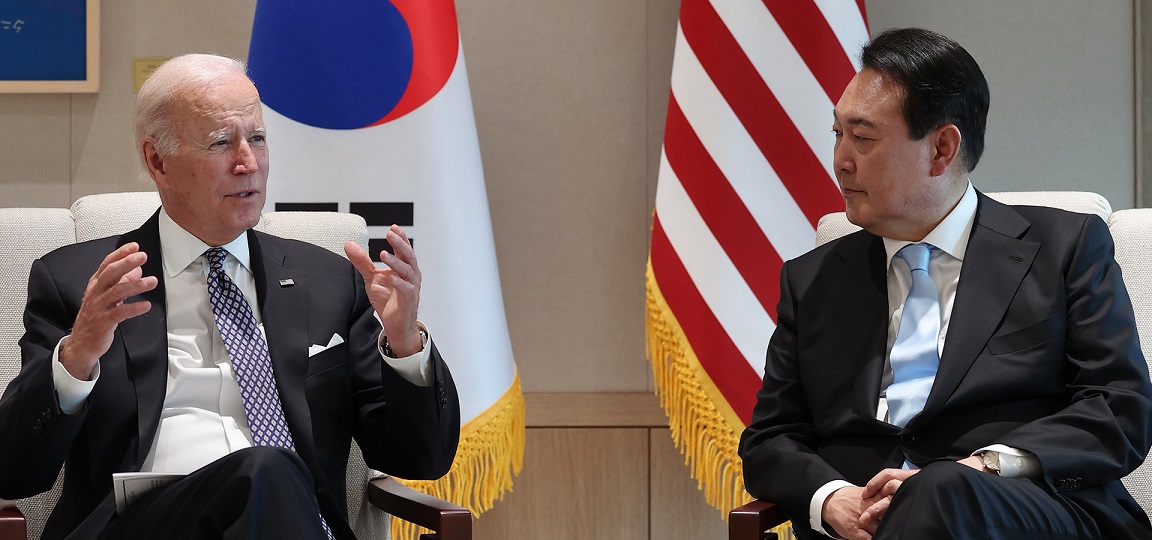
▲지난 5월 진행된 한미 정상회담 (사진-제20대 대통령실)
NH투자증권이 9일 발표한 산업 코멘트에서 “칩4로 인한 수혜는 마이크론, 인텔 등 미국 기업에 집중될 전망”이라는 관측을 내놓았다. 칩4 동맹은 미국 제조업 역량 강화와 공급망 안정을 목적으로 모인 협의체 성격을 띄고 있으며 국내 기업의 경쟁사인 인텔과 마이크론에 생산 및 기술 측면에서 역량 강화로 이어진다는 것이다.
더불어 칩4 동맹에 날선 반응을 보이는 중국이 한국에 대한 제재를 가할 수도 있어 대중 수출 악재를 예상된다. 한국은 메모리 수출 의존도에 있어서 74.8%를 중국에 의존하고 있는 상황이다.
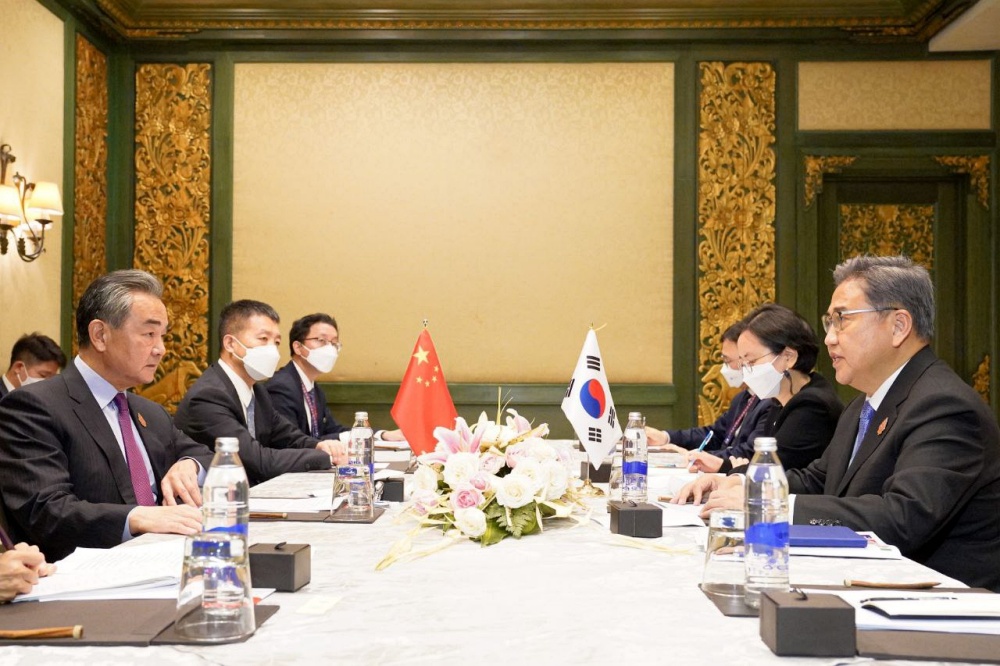
▲지난 7월 진행된 한중 외교장관회담. 왕이 중국 국무위원 겸 외교부장(왼쪽)과 박진 외교장관(오른쪽) (사진-외교부)
한편으론 미국 정부는 파운드리 사업에서 대만 TSMC 의존도를 낮추려는 의도를 가지고 있으며 이로 인해 삼성전자에도 반사 이익이 있을 것으로 NH투자증권은 내다봤다. 또한 미국 내 한국 기업의 투자가 늘어날 경우 국내 반도체 장비 업체들의 수혜도 가능할 것으로 전망했다.
도현우 NH투자증권 애널리스트는 “한국이 칩4에 참여할 경우 긍정적인 측면은 미국의 대만과 일본 의존 축소를 통해 한국 기업들이 반사 수혜를 받는 것”이라며 “반도체 장비, 소재, EDA 툴 등 반도체 제조에 필수적인 기술 수급 안정을 꾀할 수 있다는 것도 긍정적”이라고 설명했다.
한편, 우리 정부는 칩4동맹 예비회의에 참여하겠다는 의사를 미국 측에 전달했다. 9일 열리는 한·중 외교장관 회담에서 해당 이슈가 거론될 것으로 보이는 가운데 중국의 날선 반응에 정부 당국이 어떤 해법을 모색할지 귀추가 주목되고 있다.
■ 美 ‘반도체와 과학법’ 통과, 국내 대응 전략 必
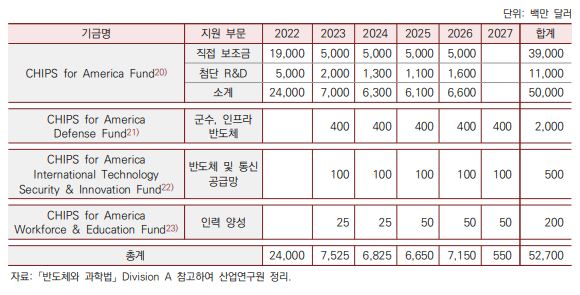
▲미국 '반도체 지원법' 연방 보조금 부문별 투입계획 (자료-산업연구원)
1년의 조정 과정을 거쳐 지난 29일 최종 통과된 ‘반도체와 과학법’은 반도체를 포함한 인공지능 및 관련 첨단산업에 총 2,800억달러(한화로 약 365조원) 규모로 연방 재정이 지원될 예정이다.
해당 법안에는 3개의 디비전(Division)으로 나뉘는데 디비전A에 반도체 지원법(CHIPS Act of 2022)이 있다. △반도체 제조시설 건설 직접 보조금 390억달러 △국가반도체기술센터, 첨단 후공정 샌산 프로그램 등 첨단 반도체 연구개발비 110억달러 △시설 및 장비투자 세액공제 25% 도입이 주요 내용이다.
여기에는 527억달러(약 69조원)의 반도체 지원법 예산과 10년간 240억달러(약 31조원)에 달하는 반도체 시설 및 장비투자 25% 세액 공제를 골자로 하는 반도체 촉진법이 포함돼 있다. 미 상무부는 반도체 지원법 직접 보조금 합산 시 아시아 입지의 첨단 공정 기업 대비 40%가량의 단가 경쟁력 격차 극복이 가능할 것으로 전망했다.
경희권 산업연구원 부연구위원 '미국 반도체와 과학법의 정책적 시사점'에서 “미국이 당면한 현안 및 중장기 도전 과제 해결, 중국을 위시한 전략적 경쟁국 대비 기술 경쟁력 등 우위 확보를 최종 목표로 관·산·학·연 각계각층의 의견이 결집된 국가 종합 과학기술 전략 입법으로 평가”한다고 설명했다.
경 부연구위원은 국가전략 입안 필요성을 주장하며 △국내 과학기술 및 첨단산업 전략 고도화 △신냉전 시대 대응하는 대외 산업기술 전략 마련을 제언했으며, 또한 △반도체산업 지원 정책 양적 확대 및 질적 수준 제고 △미국 및 유럽의 전략적 탈대만 수요 선점 △미래 수요시장 고려한 시스템반도체 성장 전략 등의 필요성을 피력했다.
■국내 입법 잰걸음, ‘K-칩스법’ 발의
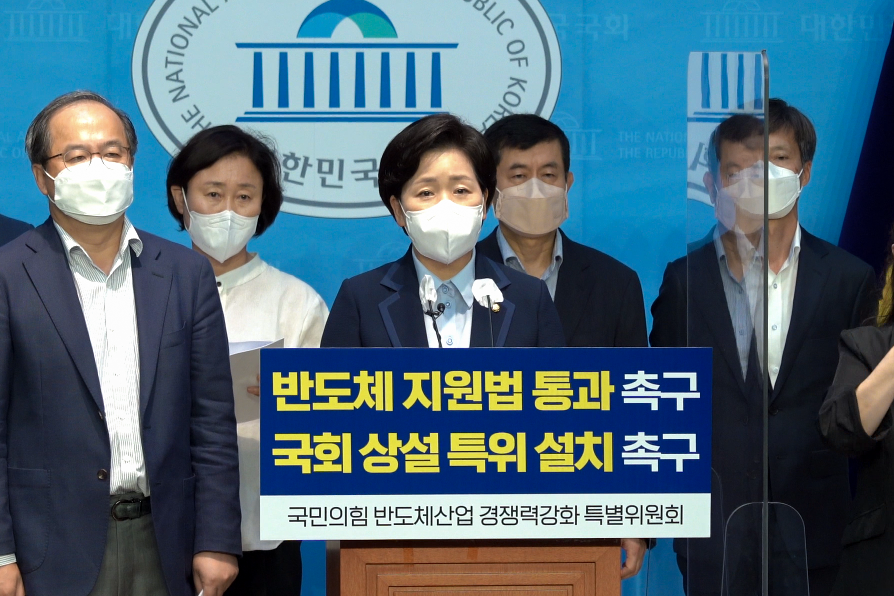
▲반도체산업 경쟁력 강화 특별위원장 양향자 의원 (사진-양향자 의원실)
지난 4일 반도체산업 경쟁력 강화 특별위원장인 양향자 의원이 반도체산업 경쟁력 강화를 위한 법안 2건을 발의한 것에 업계는 환영하는 분위기다.
양 의원은 ‘국가첨단전략산업 경쟁력 강화 및 보호에 관한 특별조치법 일부개정법률안’과 ‘조세특례제한 일부개정법률안’ 총 2건의 패키지 법안을 발의했다.
해당 법안에는 △전략산업 특화단지 지원 확대 △인력수급 확대 △세제지원 확대 △인허가 신속처리기간 15일 단축 등의 내용이 담겨있다.
한국반도체산업협회는 이에 환영의 입장을 밝혔다. 지난 5일 협회는 반도체업계 입장문을 발표하며 “국가간 반도체 패권전쟁이 격화되고 반도체 공급망 안정화를 위한 글로벌 경쟁여건이 엄중해지는 시점에 해당 법안이 직면한 위기를 극복해나가는 데 큰 힘이 될 것이다”라고 밝혔다.
대표 발의한 양향자 의원은 “정당과 부처를 초월해 반도체 산업에 집중할 수 있는 입법 행정시스템이 만들어진다면 세계 최고의 K-칩스 액트(Act)도 가능하다”며 법안의 신속 통과와 미래첨단산업 육성을 위한 국회 상설 특별위원회 설치에 힘을 모아줄 것을 당부했다.

Comments
Related news
Semiconductor Talent② - Yoon Government, “Training 150,000 Semiconductor Talents”
The semiconductor industry is expected to expand progressively, with workforce projections reaching approximately 304,000 employees within ten years. To meet the anticipated semiconductor talent demand, which requires an additional approximately 127,000 workers, a government-wide policy initiative is being implemented.
2022.07.20by 명세환 기자
Semiconductor 'Superpower', Mobilizing National Capabilities
Industry, academia, and research institutions are mobilizing all private and public capabilities, including investing 340 trillion won to achieve South Korea's semiconductor superpower status.
2022.07.21by 배종인 기자
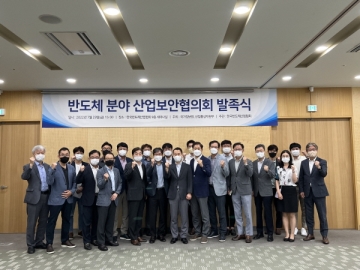
Promoting the protection of semiconductor national core technologies
A countermeasure for industrial security in the semiconductor sector has been prepared, including protecting semiconductors as a national core technology, and a consultative body has been established for institutional improvement.
2022.08.02by 배종인 기자

Intel Unveils Next-Generation 'Core Ultra Series 3' and vPro Platform for Enterprise PCs
Intel has officially unveiled the "Intel Core Ultra Series 3" for next-generation enterprise PCs and the latest vPro platform, addressing a wide range of demands from enterprise notebooks to high-performance workstations.
2026.03.26by 배종인 기자

ROHM Launches ESD Protection Diode Compatible with High-Speed Interfaces of 10Gbps or Higher
Semiconductor specialist ROHM has developed the 'RESDxVx series' of ESD (electrostatic discharge) protection diodes capable of responding to next-generation high-speed data communication environments exceeding 10Gbps, simultaneously enhancing both signal quality maintenance required in high-speed interfaces and IC protection performance.
2026.03.26by 배종인 기자











